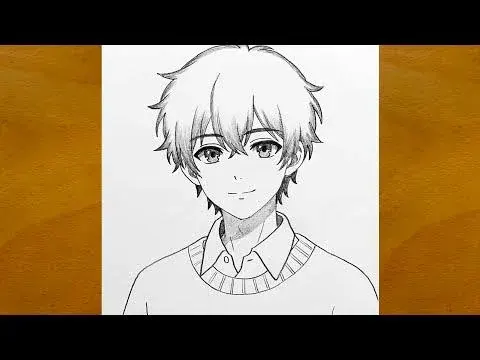
What is the easiest way to draw a girl?
Short answer
The easiest way to draw a girl is to use the "mannequin method," which involves building a figure using simple geometric shapes like circles and cylinders. By establishing a basic skeleton first, you ensure proper proportions before adding details like hair, clothing, and facial features, making the process manageable for any skill level.
On this page
How to draw a girl for beginners
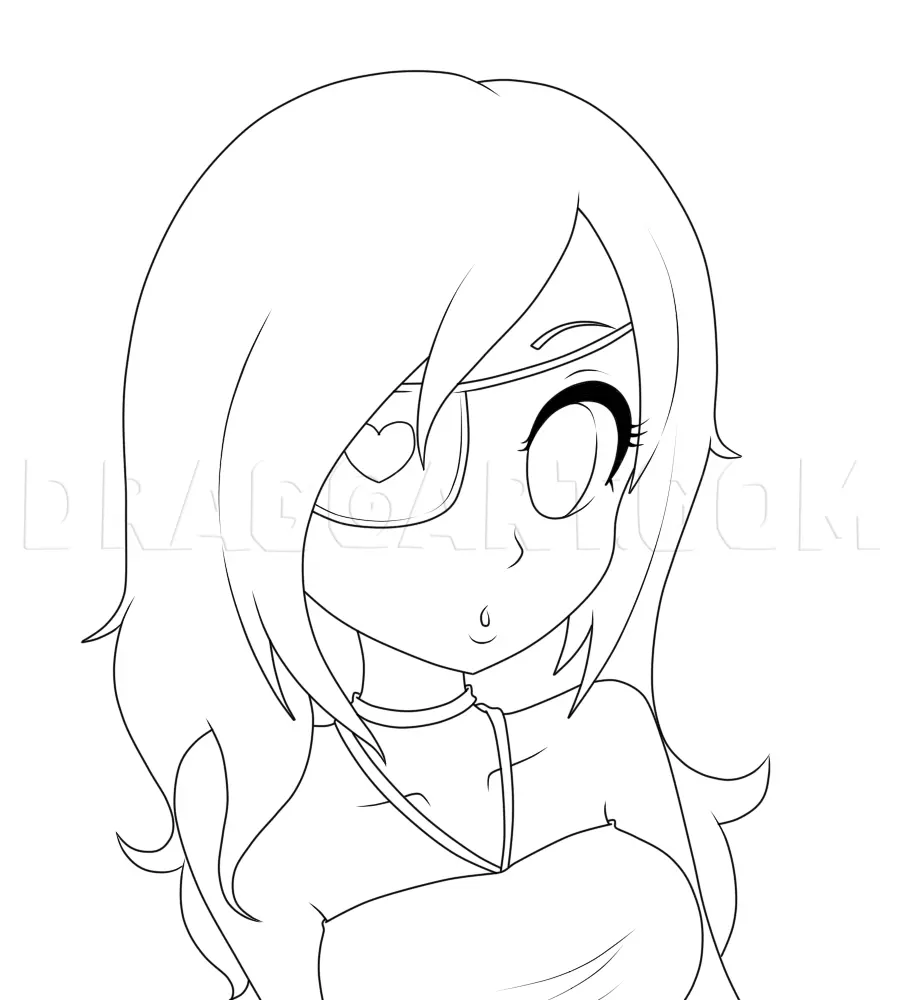
Drawing a girl begins with understanding basic human proportions. Instead of focusing on complex details immediately, start by sketching a vertical line to act as the spine. Place an oval at the top for the head and divide the body into segments based on head-height measurements. Most stylized figures are roughly seven to eight heads tall, which provides a balanced and natural look.
Use these simple steps to construct your base:
- Draw a circle for the head and add a small chin shape below it.
- Sketch a horizontal line for the shoulders, keeping them narrower than a typical male frame.
- Draw two smaller circles for the chest and a larger, inverted trapezoid for the hips.
- Connect these shapes with lines to represent the torso, waist, and limbs.
- Use cylinders for the arms and legs to give the figure volume.
By focusing on these geometric foundations, you avoid the common trap of drawing limbs that are too short or a head that is disproportionately large. Keep your initial lines very light so they can be easily erased or adjusted as you refine the silhouette.
Best tools for drawing girls
You do not need expensive equipment to learn how to draw. A standard HB graphite pencil is perfect for the initial construction phase because it is easy to erase. For the outline and final details, a 2B or 4B pencil offers darker, smoother lines that make your drawing pop. Always keep a high-quality white vinyl eraser nearby to clean up construction lines without damaging the paper.
When selecting paper, choose a medium-weight sketchbook with a slight texture, often called "tooth." This texture helps the graphite grip the surface, allowing for better shading and blending. If you prefer digital tools, a basic tablet with a pressure-sensitive stylus is sufficient. Regardless of the medium, focus on these essential items:
- HB pencils for light sketching.
- 2B pencils for defining contours.
- A kneadable eraser for lifting graphite.
- A blending stump or soft tissue for smooth shading.
Using these tools consistently allows you to master the pressure required to create different line weights. Thick lines can define the outer edges of the body, while thinner lines work best for internal details like facial features or clothing folds.
Why anatomy matters in drawing
Anatomy provides the blueprint for a believable character. Even in stylized or cartoon-like drawings, understanding where joints bend and how muscles sit under the skin prevents the figure from looking stiff or "broken." Pay close attention to the placement of the elbows, which typically align with the waist, and the wrists, which align with the crotch area.
When drawing a girl, the curvature of the spine and the tilt of the hips are key elements that define the character's pose. A slight "S" curve in the posture often makes a drawing appear more graceful and dynamic. Avoid drawing limbs as straight, rigid sticks; instead, incorporate slight bends at the elbows and knees. This simple adjustment adds life to your character and makes the movement look natural. Studying basic skeletal structure helps you understand why the body moves the way it does, allowing you to draw figures in various action poses with confidence and anatomical accuracy.
Common mistakes when drawing girls
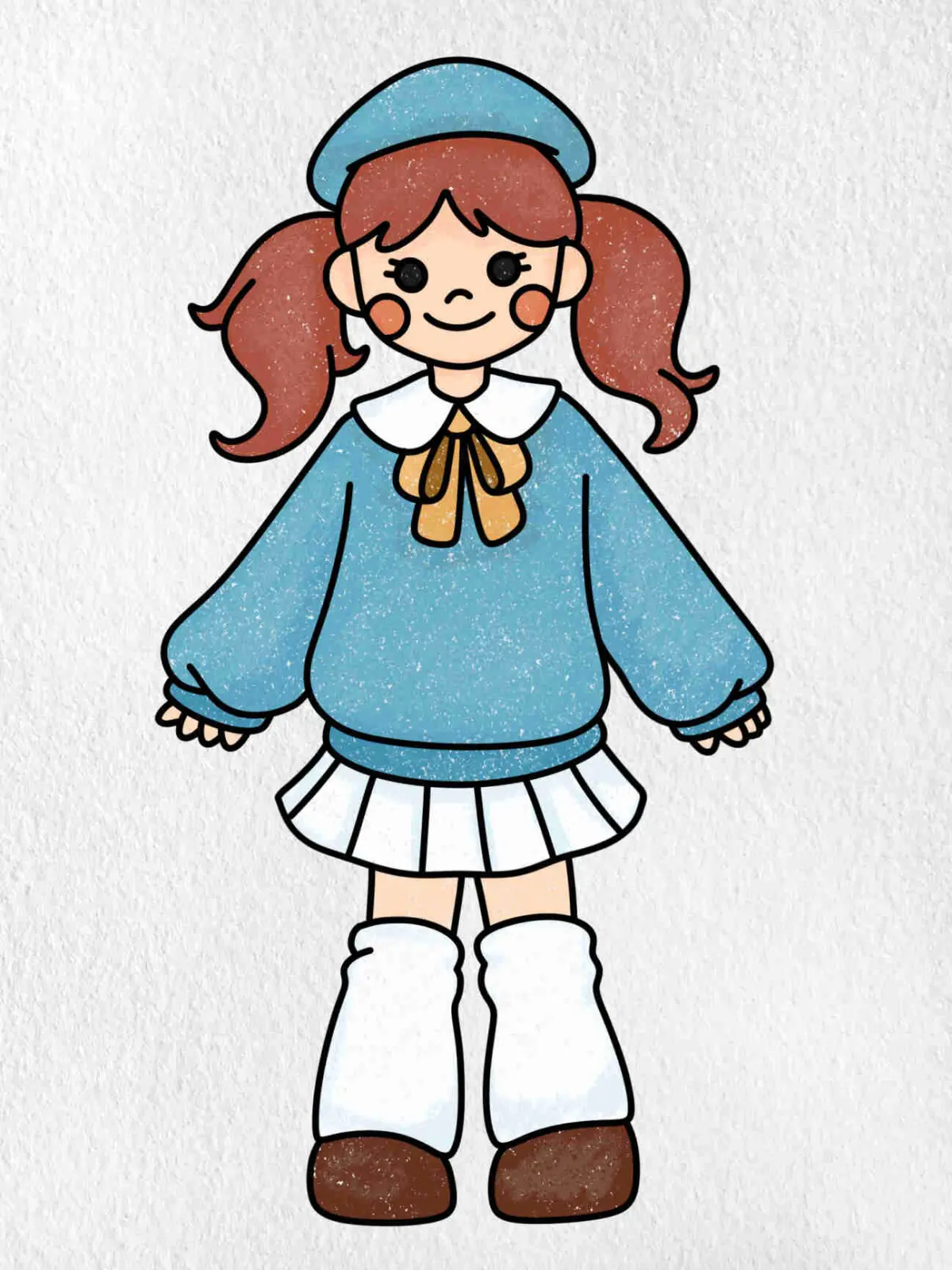
One of the most frequent errors is neglecting the "line of action." This is the invisible curve that runs through the body, dictating the flow and energy of the pose. If your character looks flat or static, it is likely because the line of action is missing or too straight. Always sketch this curve first to guide the placement of the head, torso, and legs.
Another common mistake is over-detailing the face before the rest of the body is proportional. Beginners often spend hours on eyes or hair while the torso is still misshapen. Focus on the "big picture" first and save the intricate details for the final stage of your drawing. Watch out for these specific issues:
- Symmetry errors, such as one eye being significantly higher than the other.
- Hands that are too small; they should generally reach halfway down the thigh.
- Over-shading, which can make the skin look dirty rather than soft and dimensional.
- Ignoring the neck, which should be slender but strong enough to support the head.
How long does it take to learn
Learning to draw is a gradual process that depends on consistent practice rather than innate talent. You can expect to see significant improvement in your ability to construct a female figure within a few weeks of daily 20-minute sessions. The goal is to build "muscle memory," where your hand eventually knows how to draw a curve or a joint without conscious thought.
Do not be discouraged if your first few attempts do not look like professional illustrations. Every artist, including those who have been drawing for decades, started with basic shapes and simple sketches. Progress is measured by your ability to see proportions more accurately over time. If you dedicate time to sketching from reference photos or observing people in public, your speed and precision will naturally increase. Mastery is simply the result of hundreds of small, incremental improvements made over months of dedicated study and practice. Keep your sketches simple, stay patient with your development, and focus on enjoying the creative process as you refine your technique.
Key facts
- Start with a simple oval for the head to establish the basic proportions of the face.
- Use a vertical centerline to ensure the eyes, nose, and mouth are symmetrical.
- Place the eyes halfway down the head, as this is a standard anatomical rule for human faces.
- Draw the neck slightly thinner than the jawline to maintain a balanced and natural look.
- Sketch the hair as large, simplified shapes rather than individual strands to avoid a cluttered appearance.
- Keep your initial construction lines light so they can be easily erased after the final outline is drawn.
The bottom line
Drawing a girl effectively relies on mastering basic geometric shapes and anatomical proportions. By starting with a simple oval and using guidelines for facial placement, you provide a stable foundation for your work. Focus on soft, fluid lines and prioritize the overall silhouette over minute details. With consistent practice and careful observation of these fundamental rules, you will steadily improve your ability to capture human features accurately.
People also ask
How do I draw realistic eyes?
Draw an almond shape and place a circle inside for the iris, ensuring the top of the circle is slightly covered by the eyelid. Add a small white highlight to the pupil to create a lifelike reflection.
What is the best way to draw hair?
Focus on the overall volume and flow of the hair mass rather than drawing every single strand. Use long, sweeping strokes that follow the curve of the head to define the hairstyle's silhouette.
How do I make the face look more feminine?
Use softer, more rounded lines for the jaw and chin rather than sharp, angular ones. Larger eyes and slightly fuller lips are also common artistic conventions used to emphasize feminine features.
Should I use a pencil or a pen?
Always start with a graphite pencil, specifically an HB or 2B grade, to allow for corrections. Only use ink or markers once you are confident with your underlying sketch.
How can I improve my drawing speed?
Practice gesture drawing by sketching figures in under two minutes to train your hand-eye coordination. Frequent, short practice sessions are more effective than infrequent, long hours of drawing.
What is the most common mistake beginners make?
Beginners often draw features too high on the face, leaving too much empty space for the forehead. Remember that the hairline usually starts about one-third of the way down from the top of the head.
This answer was created with the help of AI research tools and reference sources. Spotted an error? Let us know — we correct mistakes quickly. See our editorial policy.