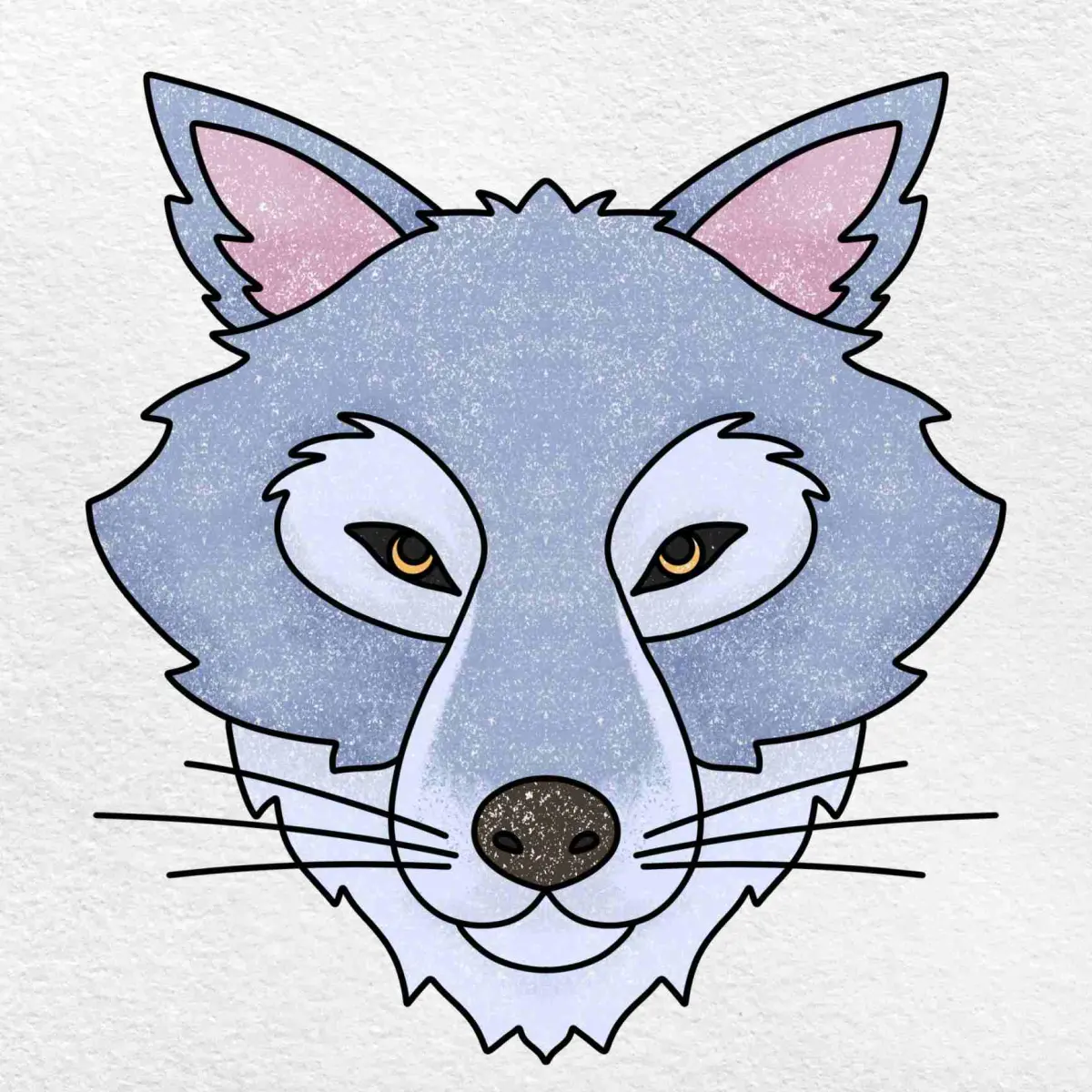
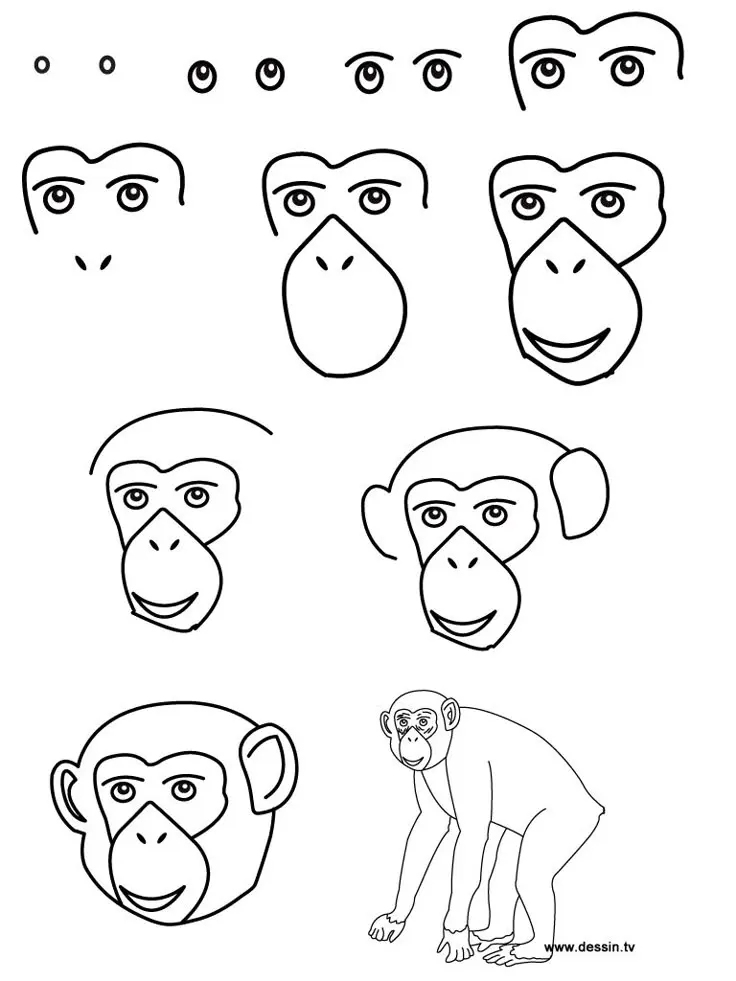
How do you draw a wolf step by step?
Short answer
Drawing a wolf involves constructing its anatomy using basic geometric shapes before refining the fur and facial features. Start with circles for the head and chest, connect them with a spine line, and add limbs. Focus on the sharp ears, almond-shaped eyes, and the characteristic bushy tail to capture its wild essence.
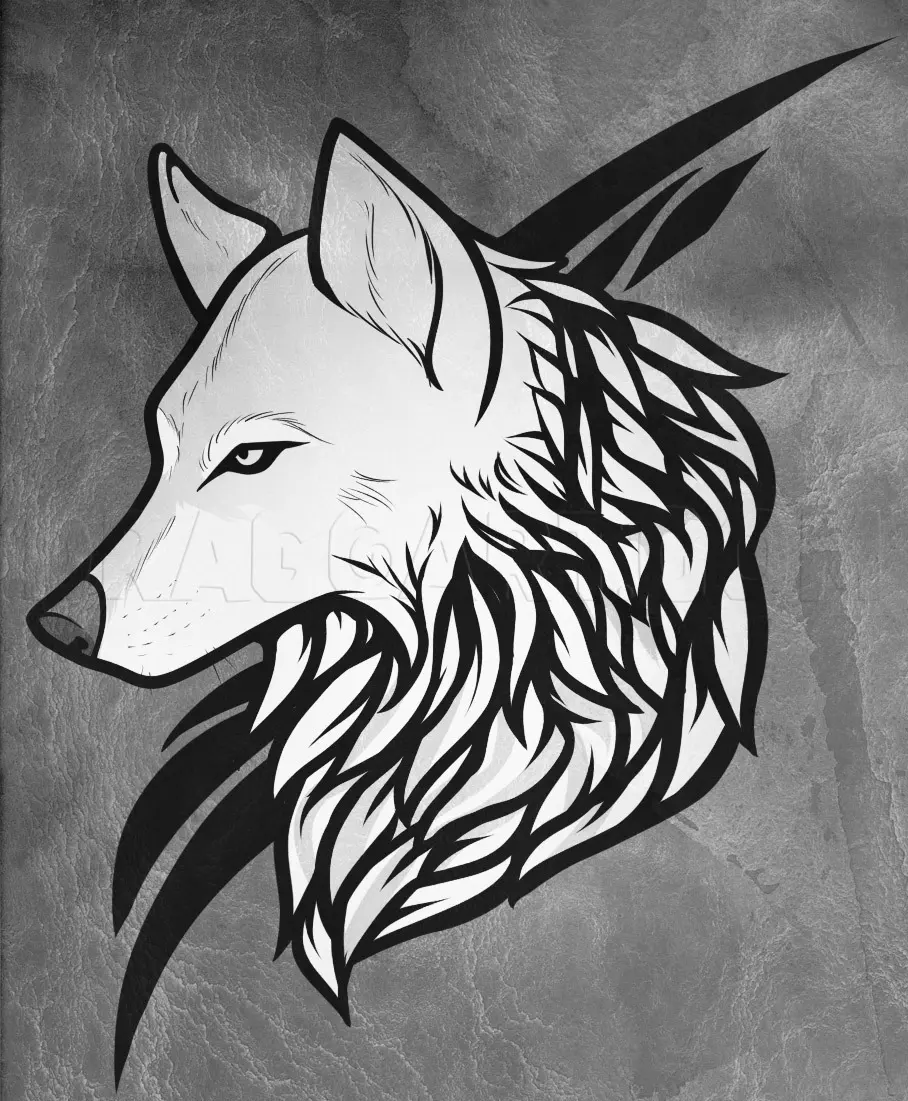
On this page
How to draw a wolf step by step
To draw a wolf, begin by mapping out the animal’s structure using simple shapes. Draw a medium circle for the skull and a larger, oval-shaped mass for the ribcage. Connect these with a curved line to represent the spine, which helps establish the wolf's natural posture. Once the frame is set, add smaller circles for the joints at the shoulders, elbows, and knees.
Follow these steps to build the wolf's form:
- Sketch the head circle and add a triangular muzzle extending from the front.
- Place two pointed triangles on top of the head for the ears, keeping them alert and slightly angled.
- Draw the legs as cylinders, ensuring the front legs are straight and the back legs have a slight bend at the hock.
- Add a long, thick tail extending from the base of the spine, keeping it low or slightly raised depending on the mood.
- Connect these shapes with smooth outlines to define the torso, neck, and limbs.
Best drawing tools for beginners
For those starting out, graphite pencils are the most forgiving medium because they allow for easy corrections. Use an H or HB pencil for the initial light sketching phase, as these marks are faint and can be erased without damaging the paper. As you progress to shading, switch to a softer 2B or 4B pencil to create depth and darker values in the fur.
A high-quality kneaded eraser is an essential tool for any artist. Unlike standard rubber erasers, a kneaded eraser can be molded into precise shapes to lift graphite off the page, allowing you to create highlights in the fur or correct small errors in the eyes. Using smooth, acid-free drawing paper will also prevent the graphite from smudging excessively. Keep a sharpener nearby to maintain a fine point for the intricate details of the eyes and nose.
How to capture wolf facial features
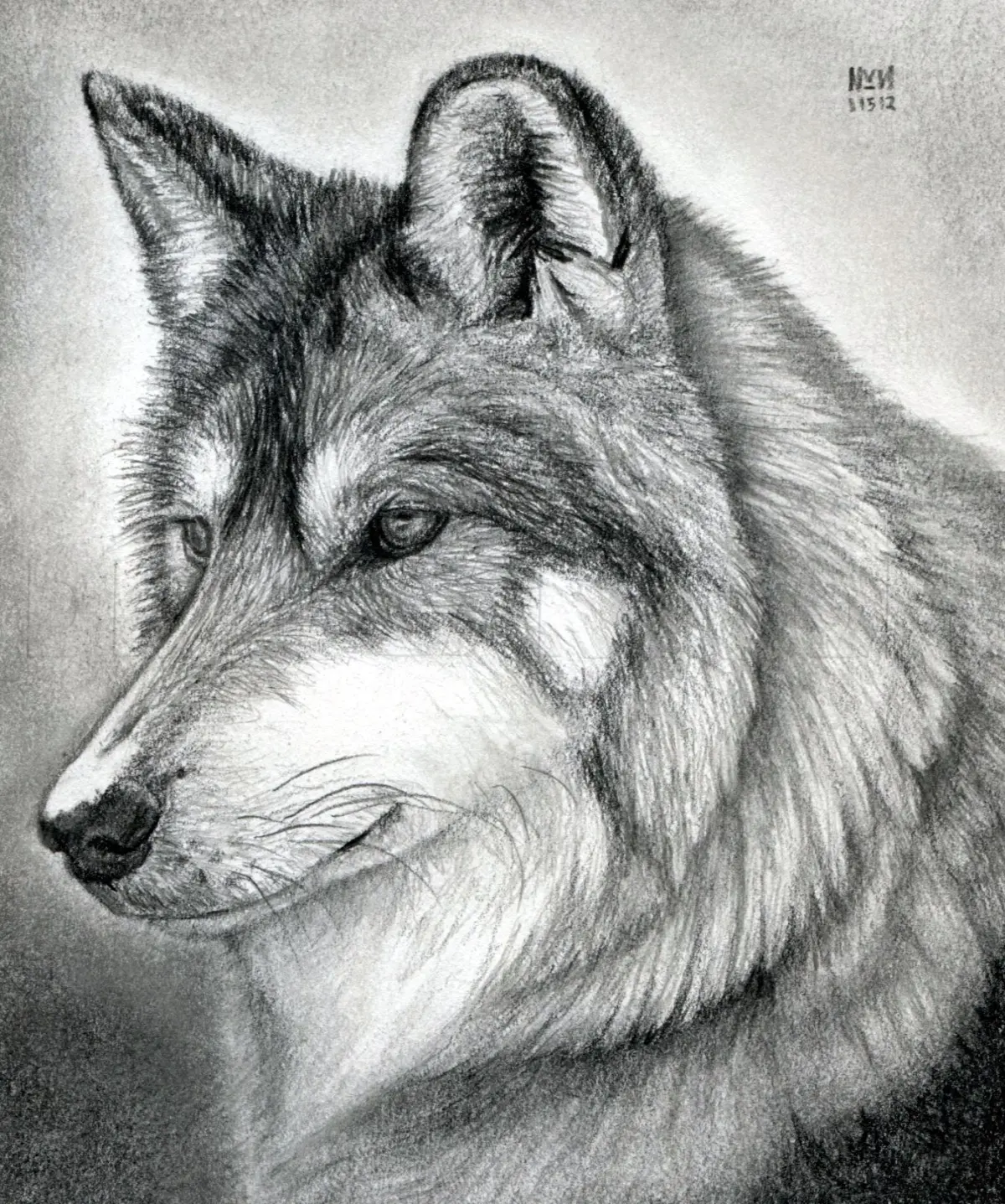
The face is the most expressive part of a wolf drawing. Start by placing the eyes near the center of the head circle; they should be almond-shaped with a focused, intense gaze. The pupils should be round and dark, while the iris can be shaded with subtle gradients to give the eye a sense of life and realism.
The nose and mouth require careful attention to detail. Draw the nose as a rounded triangle with two distinct nostrils, slightly darker than the surrounding fur. The mouth should follow the line of the muzzle, often drawn with a slight curve to suggest a snarl or a neutral expression. Ensure the ears are positioned high on the head, as wolves have very keen hearing and their ears are typically held forward or slightly swiveled to track sounds in their environment.
Common mistakes when drawing wolves
A frequent error is making the wolf look too much like a domestic dog. Wolves have longer muzzles, more robust chest cavities, and larger, more powerful paws compared to most canine breeds. Avoid drawing the legs too thin or the body too rounded; wolves are lean, muscular predators built for endurance and speed. Always double-check the proportions of the limbs against the torso to ensure the animal looks balanced.
Another common mistake is neglecting the texture and direction of the fur. Beginners often draw individual hairs, which can make the drawing look messy or stiff. Instead, focus on the overall clumps and patches of fur. Use short, flicking strokes to suggest the direction of hair growth, particularly around the neck, where the fur is thickest and forms a ruff. Pay attention to the silhouette, ensuring the fur follows the underlying muscle structure rather than just sitting on top of the skin.
Why anatomy matters for realistic drawings
Understanding the underlying skeletal structure of a wolf is the secret to creating a professional-looking illustration. Even if you are drawing a stylized version, knowing where the bones are located prevents the limbs from appearing broken or disjointed. Wolves have a unique gait, and their shoulders are designed to move independently of the spine, which gives them their characteristic prowling movement.
When you study the anatomy, you will notice that the wolf’s back is relatively straight, but it slopes slightly downward toward the tail. The chest is deep and narrow, allowing for maximum lung capacity during long-distance chases. By incorporating these biological facts into your sketches, you move beyond simple outlines and create a drawing that feels authentic. Practice drawing the wolf in different positions, such as sitting, running, or howling, to master how the muscles shift and change shape under the fur. Consistent practice with these anatomical principles will eventually allow you to draw wolves from memory with confidence and accuracy.
Key facts
- Wolves are characterized by their elongated muzzles, pointed ears, and powerful, deep-chested builds.
- Focus on the "S" curve of the spine to capture the natural, alert posture of a wolf.
- Keep the eyes almond-shaped and positioned slightly forward on the skull to maintain a predatory look.
- Use directional hatching or short, quick pencil strokes to simulate the texture of thick fur.
- A wolf's tail is typically bushy and hangs low, often reaching the hock joint of the hind legs.
- Always sketch light construction shapes first, such as circles for the head and chest, before adding details.
The bottom line
Drawing a convincing wolf requires mastering basic anatomical shapes before layering on fur texture. By focusing on the powerful structure of the chest, the sharp angle of the hocks, and the alert positioning of the ears, you can capture the animal's wild essence. Practice observing real-life proportions to avoid common errors, ensuring your final sketch reflects the wolf’s natural strength, agility, and keen, predatory intelligence.
People also ask
How do I make a wolf look aggressive versus calm?
To show aggression, draw the ears flattened back against the head and pull the lips up to reveal teeth. A calm wolf features upright, alert ears and a relaxed, neutral mouth position.
What is the most common mistake when drawing a wolf's legs?
Artists often draw the legs too straight or human-like. Remember that wolves are digitigrade, meaning they walk on their toes, and their rear legs have a distinct, angular bend at the hock.
Should I use long lines for fur?
Avoid long, continuous lines, as they make the fur look like hair or fabric. Use short, overlapping strokes that follow the direction of the fur growth to create a realistic, dense coat.
How large should the head be in proportion to the body?
The head should be roughly one-fifth of the total body length. If the head is too large, the wolf will look like a puppy; if too small, it will appear lanky and disproportionate.
How can I make the eyes look realistic?
Place a small, bright white highlight in the pupil to suggest moisture and depth. Wolves have intense, forward-facing eyes, so ensure the pupils are round and set within a clear iris.
How do I draw a wolf howling?
Tilt the head back at a sharp angle and open the jaw wide in a "U" shape. Ensure the neck muscles are taut and stretched to emphasize the strain of the vocalization.
This answer was created with the help of AI research tools and reference sources. Spotted an error? Let us know — we correct mistakes quickly. See our editorial policy.