How do you draw a wolf head step by step?
Short answer
Drawing a wolf head involves establishing a basic geometric structure before refining anatomical details. By mapping out the muzzle, ear placement, and eye alignment, you create a realistic foundation. Focus on the transition from the skull to the snout and add fur texture to define the wolf’s powerful, wild features accurately.
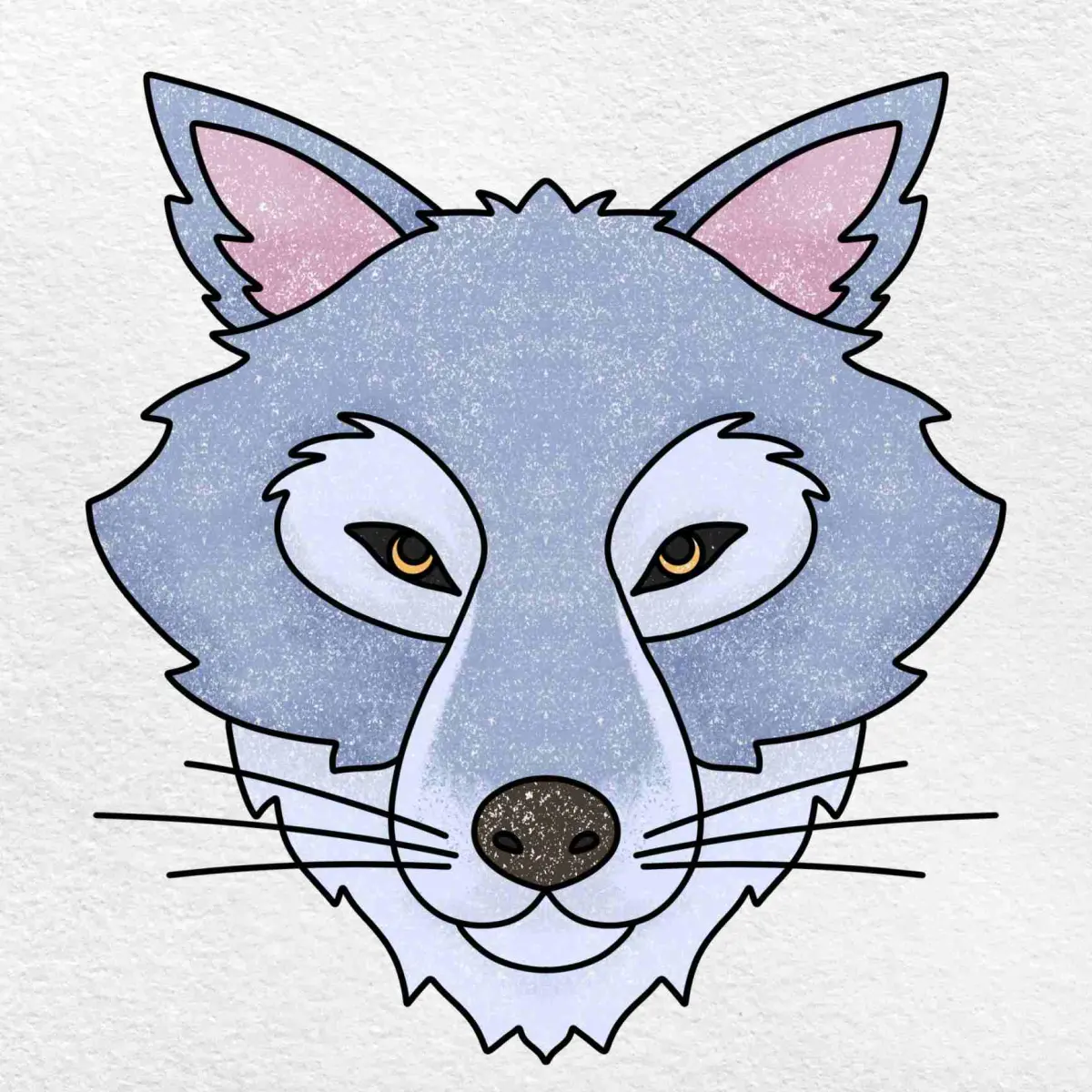
On this page
How to structure the basic head shape
To begin, visualize the wolf’s head as a combination of two primary shapes: a circle for the cranium and a rectangular or trapezoidal block for the muzzle. Lightly sketch these forms on your paper, ensuring the muzzle connects smoothly to the lower portion of the circle. This foundation prevents the head from appearing lopsided or disproportionate.
Maintaining proper alignment is crucial during this initial phase. Use a vertical center line to ensure symmetry, especially when drawing the wolf from a front-facing perspective. Keep your pencil strokes extremely light so you can easily erase or adjust the proportions as you move toward more detailed anatomical rendering.
- Draw a circle to represent the back of the skull.
- Extend a box shape forward from the bottom half of the circle for the snout.
- Draw a vertical line through the center to guide eye and nose placement.
- Mark the jawline by extending a soft curve downward from the muzzle box.
How to draw wolf facial features
The eyes of a wolf are typically almond-shaped and positioned slightly higher than the center of the muzzle. Place them on the upper third of the head, ensuring they are angled slightly downward toward the nose. The nose itself should be a rounded triangle, featuring two distinct nostrils and a slight indentation in the center.
When drawing the ears, remember that they are tall, triangular, and set firmly on top of the head. Unlike domestic dogs, wolf ears are usually directed forward and slightly outward. The mouth should follow the line of the snout, ending just below the eye. Keep the lips tight against the teeth to convey the wolf’s natural, alert expression.
- Eyes: Almond-shaped, tilted inward, and set deep within the socket.
- Ears: Upright, triangular, and positioned at the top corners of the skull.
- Nose: Dark, leather-like texture with a central vertical groove.
- Mouth: A straight, firm line that curves slightly upward at the corners.
How to add realistic fur texture
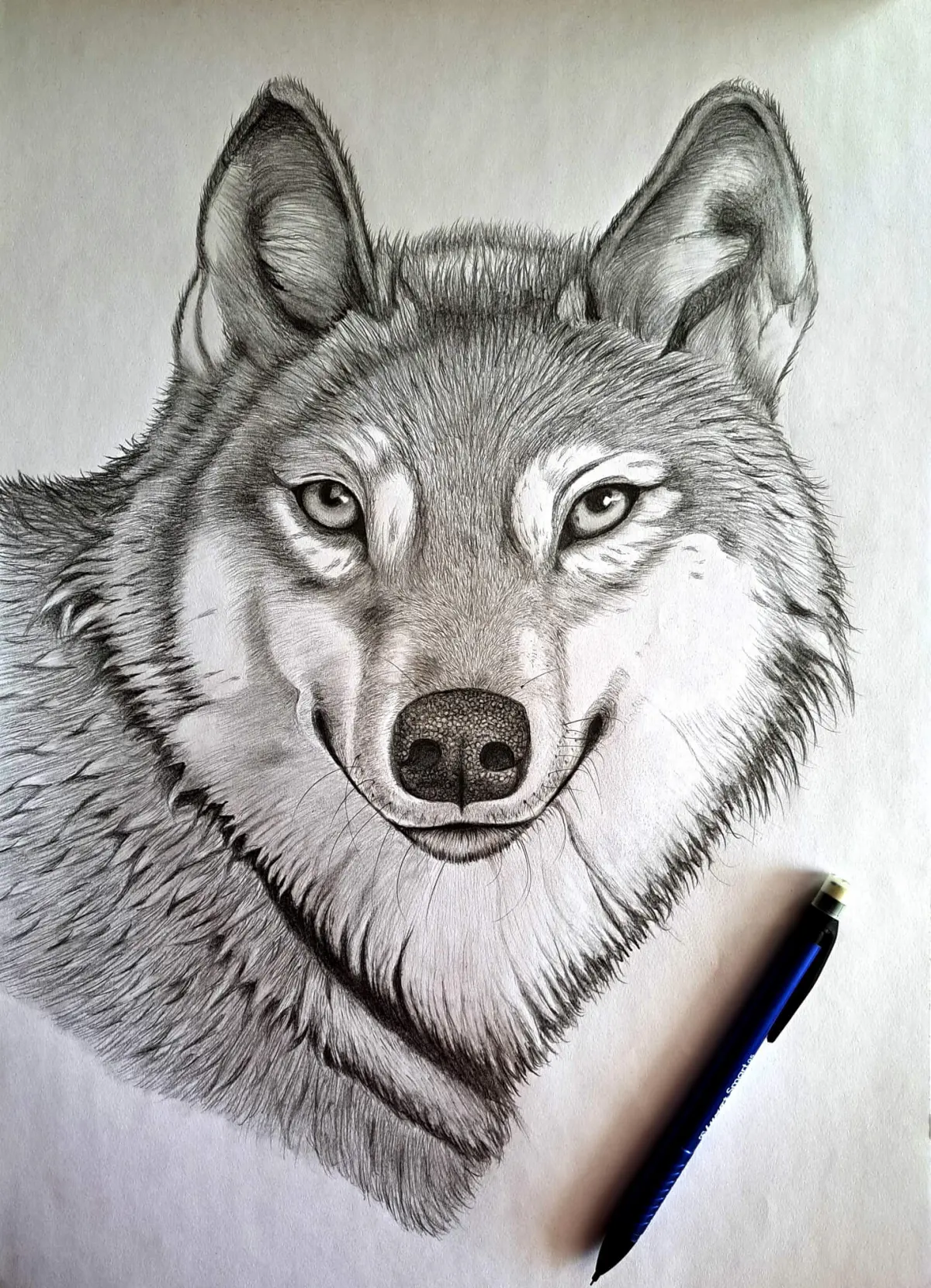
Fur is what transforms a basic sketch into a recognizable, wild animal. Instead of drawing individual hairs, focus on drawing clumps or "tufts" of fur that follow the direction of the underlying muscle and bone structure. Start at the top of the head and work your way down the neck, using short, overlapping strokes to create a sense of density.
Pay special attention to the "ruff" around the neck, which is often thicker and longer than the hair on the face. Using a variety of stroke lengths will prevent the fur from looking like a flat, uniform coat. Always taper your lines at the ends to mimic the natural point of a wolf's coat, and vary the pressure of your pencil to create depth and shadow.
Common mistakes when drawing wolves
One of the most frequent errors is making the muzzle too short or too rounded, which makes the wolf look like a domestic dog. Wolves possess long, powerful snouts that provide them with an excellent sense of smell. Always ensure the muzzle is sufficiently elongated to maintain the predatory, wild appearance characteristic of the species.
Another common mistake is placing the eyes too far apart or making them too round. Wolves have a focused, forward-facing gaze that requires precise placement. Additionally, beginners often forget to account for the thickness of the neck. A wolf’s neck is incredibly muscular and thick, supporting a heavy head; drawing it too thin will make the entire animal look fragile and weak.
- Muzzle: Avoid making it too short; it should be roughly half the length of the skull.
- Eyes: Avoid human-like roundness; keep them narrow and almond-shaped.
- Neck: Avoid thin, spindly necks; emphasize the powerful, fur-covered trapezius muscles.
- Symmetry: Avoid perfectly mirrored lines; slight variations make the drawing feel organic.
Best shading techniques for beginners
Shading is the final step that brings your wolf head to life by creating three-dimensional volume. Identify the light source before you begin, then apply darker tones to the areas furthest from the light, such as under the jaw, inside the ears, and along the sides of the muzzle. Use a soft blending stump or a piece of tissue to smooth out the transitions between light and shadow.
To achieve a realistic look, use cross-hatching or stippling in the darker areas to suggest the texture of the fur. Leave the brightest areas of the eyes and the bridge of the nose mostly white to act as highlights, which adds a sense of moisture and realism. By carefully layering your graphite, you can create a dynamic, lifelike portrait that captures the intense spirit of the wolf.
Key facts
- Wolves possess a distinct "stop," which is the sharp angle where the forehead meets the bridge of the nose.
- The ears of a wolf are relatively small and rounded at the tips compared to those of a domestic dog.
- Focus on the eyes first, as they are almond-shaped and typically feature a forward-facing, intense gaze.
- Use a "muzzle block" technique, drawing a rectangular shape for the snout before rounding out the details.
- Fur texture is best achieved by using short, overlapping strokes that follow the direction of muscle growth.
- Avoid drawing perfectly symmetrical features, as slight variations in fur and expression create a more realistic, organic appearance.
The bottom line
Drawing a realistic wolf head requires mastering basic geometric shapes before refining the fine details. By focusing on the unique structure of the muzzle, the almond-shaped eyes, and the thick, directional fur, you can capture the essence of this predator. Practice patience with your shading and avoid rigid symmetry to ensure your finished sketch looks authentic, dynamic, and true to the wolf’s powerful natural anatomy.
People also ask
Should I start with the eyes or the outline of the head?
It is best to start with a large circle for the cranium and a smaller square for the muzzle. Establishing these geometric proportions first ensures the head is balanced before you add detailed features like eyes or fur.
How do I make the wolf look aggressive rather than friendly?
To create an aggressive look, draw the ears pinned back against the head and wrinkle the bridge of the nose. Showing the teeth and narrowing the eyes into a squint will significantly increase the intensity of the expression.
What is the most common mistake when drawing wolf ears?
Many beginners draw the ears too large or too pointed, resembling a fox or a German shepherd. Keep the ears thick at the base and slightly rounded at the top to maintain the wolf’s specific silhouette.
How do I shade the fur to make it look thick?
Use a cross-hatching technique to build up shadow in the deep recesses of the fur. Leave the highlights on the outer edges of the neck and cheeks to suggest the volume and density of a wolf's winter coat.
Are wolf eyes different from human eyes in a drawing?
Yes, wolves have a visible nictitating membrane and a larger, more prominent tapetum lucidum. When drawing, focus on the almond shape and ensure the pupil is round and intense to capture the animal's predatory nature.
How can I improve the perspective of a wolf snout?
Use a three-quarter view to show the depth of the muzzle. By drawing the far side of the nose slightly smaller than the near side, you create a sense of three-dimensional space that makes the drawing look professional.
This answer was created with the help of AI research tools and reference sources. Spotted an error? Let us know — we correct mistakes quickly. See our editorial policy.
