What is a mood sketch?
Short answer
A mood sketch is a rapid, expressive drawing created to capture the emotional atmosphere, lighting, or overall "vibe" of a design concept rather than its precise technical details. Designers use these visual notes to communicate abstract ideas to clients or teams before committing to time-consuming, high-fidelity renderings or finalized architectural blueprints.
On this page
What is the purpose of a mood sketch?
A mood sketch serves as the bridge between an initial spark of inspiration and a concrete design project. Unlike a technical drawing that focuses on exact measurements and structural integrity, a mood sketch prioritizes color, shadow, and emotional resonance. It is a tool for exploration, allowing designers to test how a space might feel during different times of day or how a product might interact with its environment.
By focusing on the "spirit" of a project, these sketches prevent designers from becoming bogged down by details too early in the creative process. They are particularly effective in collaborative settings, where abstract concepts like "warmth," "minimalism," or "chaos" are difficult to describe with words alone. When a team can see a visual representation of a mood, they can align their creative direction much faster than they could through verbal briefings.
How to create a mood sketch effectively
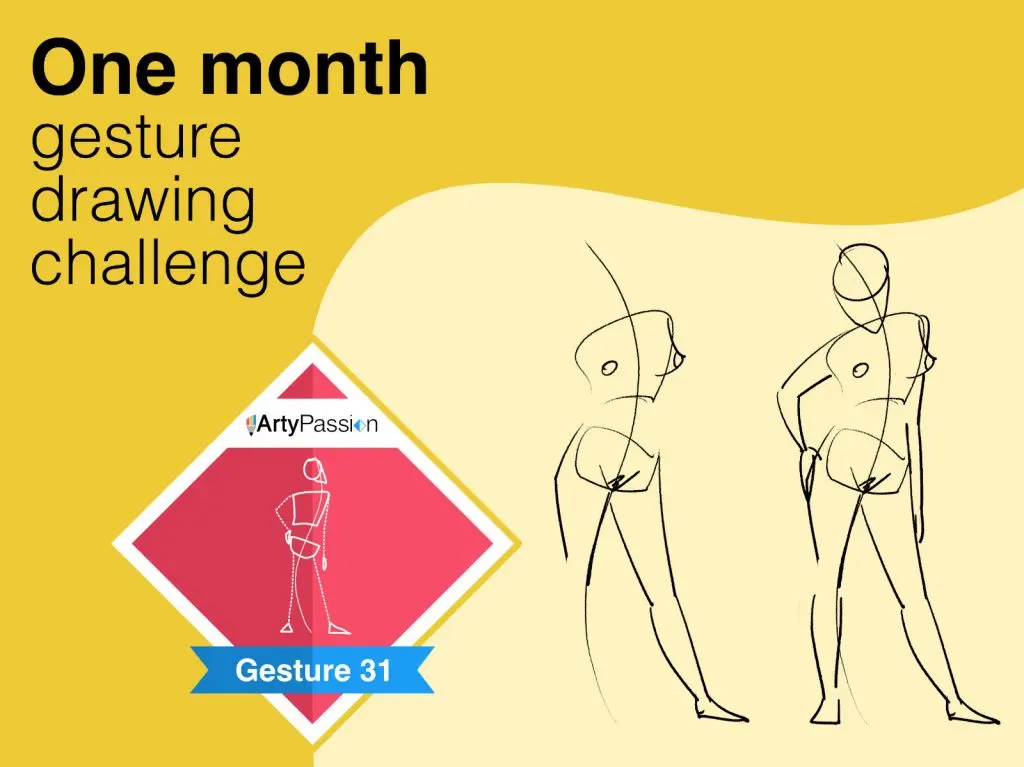
Creating a mood sketch requires a shift in mindset from precision to suggestion. You are not trying to draw a perfect representation of an object; you are trying to evoke a reaction. Focus on the interplay of light and dark, the texture of surfaces, and the general flow of the composition. Keep your tools simple—charcoal, soft pencils, or loose watercolor washes are often better than fine-liner pens.
- Set a strict time limit, such as five or ten minutes, to prevent over-detailing.
- Identify the primary emotion you want to convey, such as tranquility, excitement, or tension.
- Use broad, sweeping strokes to establish the composition rather than outlining individual elements.
- Apply color or shading to define the lighting scheme, as this is the primary driver of mood.
- Step back frequently to ensure the overall impression remains cohesive and impactful.
Best tools for mood sketching
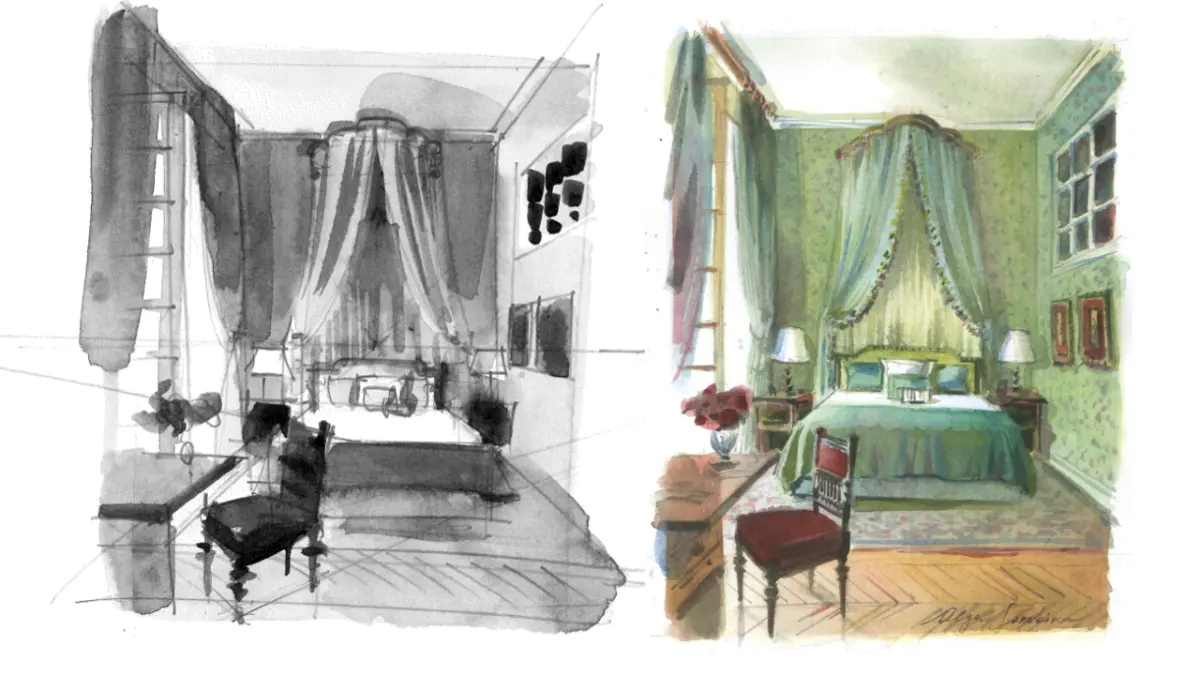
The choice of medium significantly influences the outcome of your sketch. For quick, gestural work, charcoal or soft graphite pencils are excellent because they allow for smudging and blurred edges, which naturally soften the image. If you are working on interior design or architectural concepts, watercolor or markers are preferred for their ability to layer transparent colors, which mimics how light interacts with physical spaces.
- Graphite sticks: Ideal for quick value studies and deep, moody shadows.
- Watercolor sets: Best for capturing the atmospheric quality of light and color gradients.
- Digital tablets: Useful for designers who need to iterate quickly or adjust color palettes without starting over.
- Newsprint or rough-tooth paper: Provides the necessary friction for expressive, textured marks that feel less rigid than smooth printer paper.
Avoid relying on overly precise tools like mechanical pencils or fine-point technical pens. These instruments encourage a "tight" drawing style that works against the goal of capturing a mood. Instead, embrace tools that force you to work with your entire hand and arm, which naturally leads to more fluid and evocative mark-making.
Why mood sketches are used in design
Professional designers across various fields, including architecture, fashion, and industrial design, utilize these sketches to manage client expectations. By presenting a mood sketch early on, a designer can confirm that they share a vision with the client before investing hours in 3D modeling or detailed drafting. If the client feels the "vibe" is incorrect, the designer can adjust the entire concept with minimal loss of effort.
Furthermore, mood sketches act as a personal reference point for the designer throughout the project lifecycle. When a project becomes complex or technical, it is easy to lose sight of the original creative intent. Returning to the initial mood sketch helps the designer stay grounded in the project’s core emotional goal. It serves as a visual anchor that reminds the team why the project was started and what the final experience should feel like for the end user.
Common mistakes when mood sketching
The most frequent error is falling into the trap of "finishing" the drawing. Beginners often feel the urge to add windows, doors, or furniture details, which immediately shifts the focus from atmosphere to construction. If you find yourself counting bricks or drawing individual leaves on a tree, you have moved past the mood sketch phase and into the realm of technical illustration. Remember that the goal is to suggest, not to define.
Another common mistake is neglecting the role of lighting. A mood sketch without a clear light source often feels flat and uninspired. Even if your composition is simple, ensure that your shadows and highlights are consistent, as these elements dictate the time of day and the overall temperature of the scene. Finally, do not worry about perspective errors; a slightly skewed wall or an off-center table is irrelevant if the sketch successfully communicates the intended emotional atmosphere to your audience.
Key facts
- A mood sketch is a preliminary visual representation used to establish the emotional tone, lighting, and color palette of a creative project.
- Unlike technical blueprints, these sketches prioritize atmosphere and feeling over precise measurements or structural accuracy.
- Designers typically create mood sketches during the early conceptual phase to align stakeholders on a shared creative vision.
- Common tools include charcoal, watercolors, digital tablets, or quick collage techniques to capture a specific aesthetic.
- A single project may utilize multiple mood sketches to explore different stylistic directions before finalizing a design path.
- Avoid over-detailing early sketches, as the goal is to communicate a "vibe" rather than finalize specific assets or components.
The bottom line
A mood sketch serves as the vital emotional compass for any creative endeavor. By focusing on atmosphere, color, and light rather than technical precision, it allows creators to align their vision with stakeholders early in the process. Keep your sketches loose, fast, and suggestive to ensure that the core concept remains the priority, preventing the project from becoming bogged down by premature technical constraints or details.
People also ask
How does a mood sketch differ from a storyboard?
A storyboard maps out the chronological sequence of events in a narrative, while a mood sketch focuses on the sensory experience and stylistic environment of a single moment.
Can mood sketches be used in interior design?
Yes, interior designers use them to visualize how textures, lighting, and furniture arrangements will evoke a specific mood, such as cozy or professional, before buying materials.
Do I need to be a professional artist to create one?
No, the primary purpose is communication rather than technical mastery. Simple shapes, color swatches, and rough lighting studies are often sufficient to convey your intent.
How many mood sketches should I present to a client?
Presenting two to three distinct options is usually ideal. This provides enough variety to demonstrate your creative range without overwhelming the client with too many choices.
What is the biggest mistake when making a mood sketch?
The most common error is getting distracted by minor details or finishing touches. If you spend more than an hour on a sketch, you are likely over-polishing it.
How do color palettes influence mood sketches?
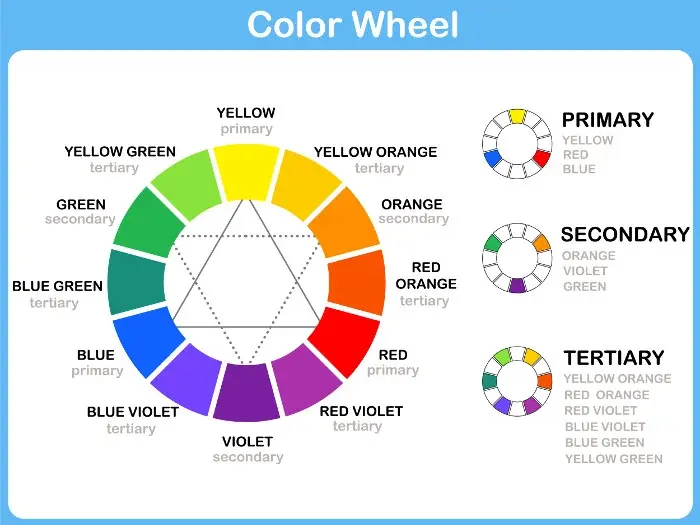
Colors are the most powerful tool for setting a mood. Warm tones like reds and yellows suggest energy or comfort, while cool blues and grays often imply calm or clinical detachment.
This answer was created with the help of AI research tools and reference sources. Spotted an error? Let us know — we correct mistakes quickly. See our editorial policy.