What is the difference between a sketch and a study?
Short answer
A sketch is a rapid, spontaneous drawing used to record a fleeting idea or observation, often lacking detail. In contrast, a study is a methodical, focused investigation of a specific subject, such as anatomy or lighting, intended to prepare for a larger, more complex final work of art.
On this page
What is the difference between a sketch and a study?
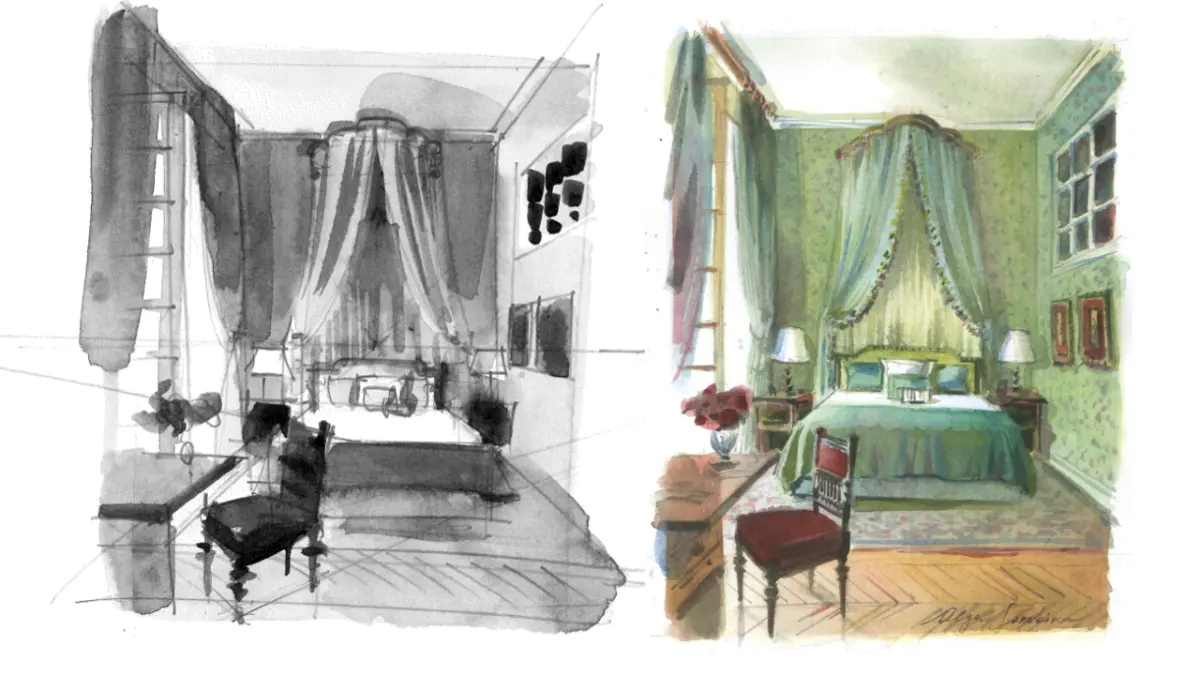
A sketch is primarily about speed and capturing the essence of a subject. Artists use sketching as a form of visual note-taking to document movement, composition, or a sudden inspiration before it fades. Because sketches are often completed in minutes, they prioritize gesture and flow over anatomical accuracy or refined shading.
A study, conversely, is a deliberate exercise in problem-solving. An artist creates a study to master a specific challenge, such as how light hits a fabric fold or the precise musculature of a limb. While a sketch is an end in itself, a study is typically a means to an end, serving as a technical rehearsal for a finished painting or sculpture.
How to create an effective sketch
Sketching is an exercise in economy of line. To begin, focus on the "big shapes" rather than individual details. Use a soft pencil or charcoal to quickly map out the proportions of your subject without lifting your hand from the paper too often. The goal is to capture the vitality of the scene rather than a photographic likeness.
- Set a timer for five to ten minutes to prevent overworking the paper.
- Focus on the silhouette and the primary lines of action.
- Avoid using an eraser; let your initial mistakes remain as part of the process.
- Keep your tools portable, such as a small sketchbook and a single graphite pencil.
By limiting your time, you force your brain to prioritize the most important visual information. This practice builds confidence and helps you learn to trust your initial instincts when observing the world around you.
Why artists use studies for complex projects
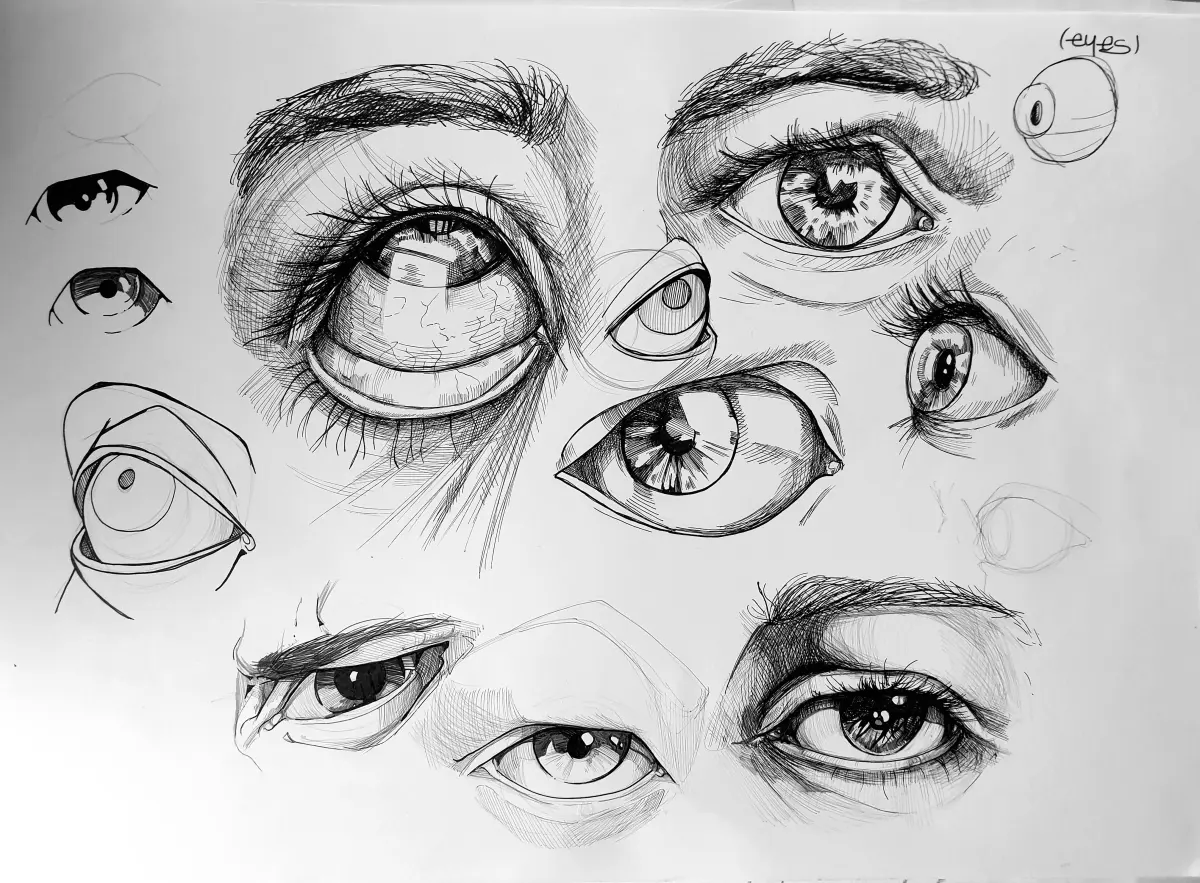
Studies are essential for complex compositions where technical errors would be costly or difficult to fix later. For example, Renaissance masters like Leonardo da Vinci produced hundreds of anatomical studies before painting a single figure. These drawings allowed them to understand the mechanics of the human body, ensuring the final work possessed structural integrity and realism.
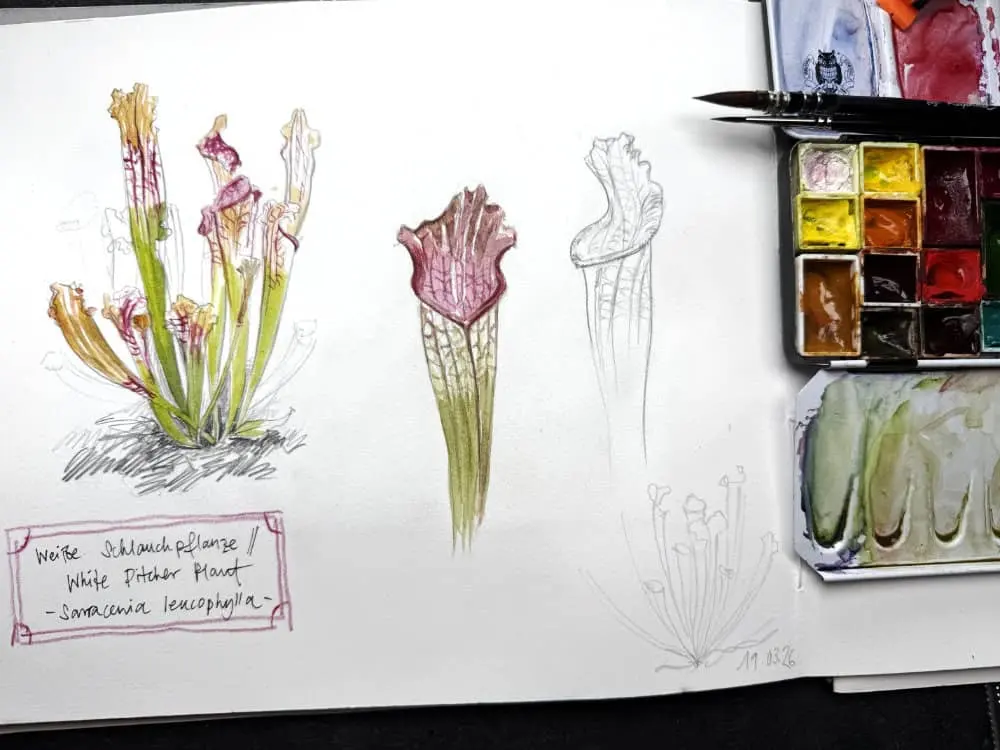
Artists also use studies to experiment with color palettes and lighting schemes. By creating small-scale color studies, a painter can test how different hues interact before applying expensive oil paints to a large canvas. This analytical approach reduces the risk of failure in the final piece and allows the artist to explore multiple iterations of a concept with minimal material waste.
Common mistakes when sketching and studying
A frequent error in sketching is the tendency to focus on small details, like eyes or textures, too early in the process. When you fixate on a detail before the overall structure is established, the drawing often becomes lopsided or cramped. Always work from the general to the specific, ensuring the foundation is sound before adding refined marks.
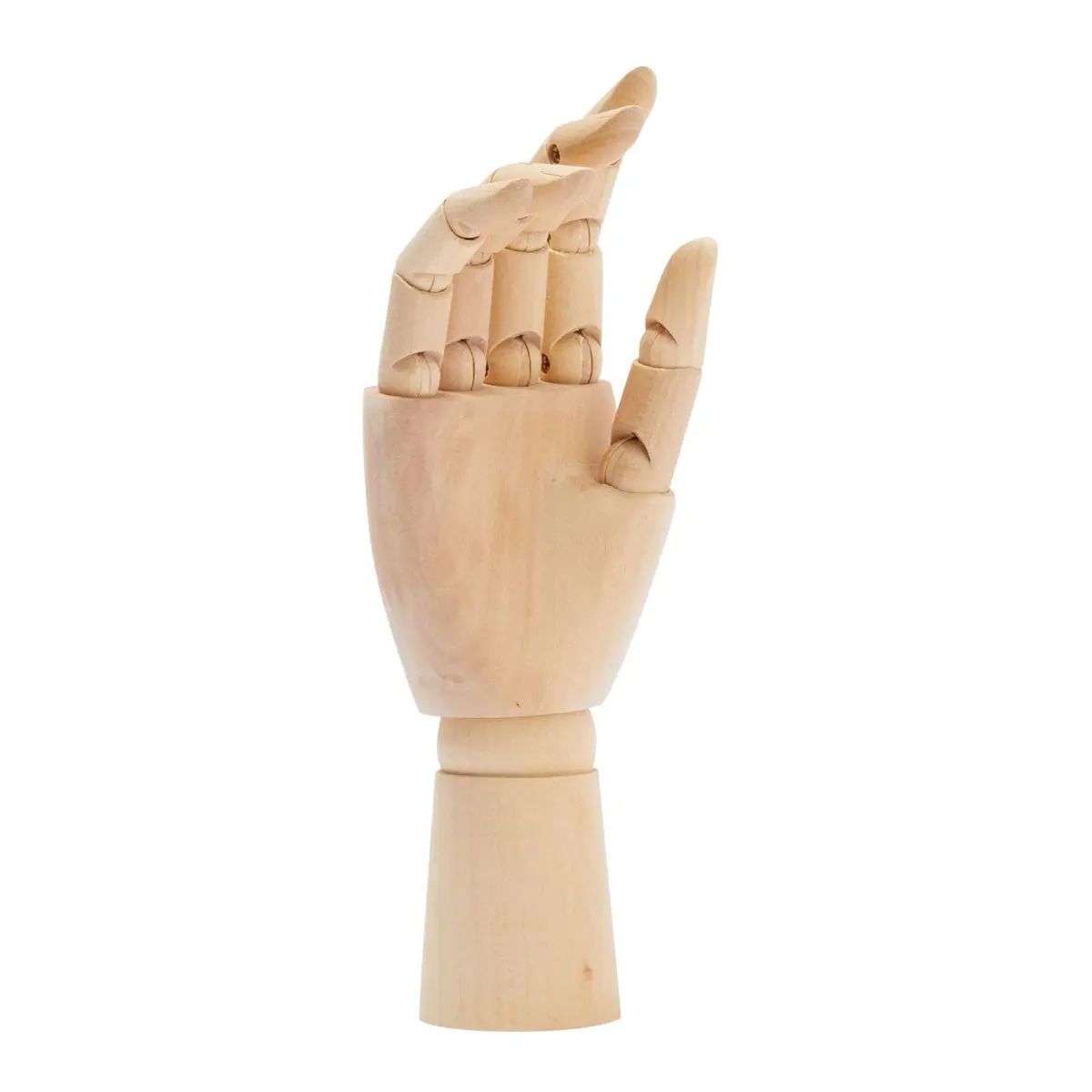
When creating studies, the most common mistake is failing to define a clear objective. A study should have a specific purpose, such as "understanding how light falls on a sphere" or "practicing the foreshortening of a hand." Without a defined goal, a study can easily devolve into a vague sketch that fails to provide the technical insight needed for the final project.
- Starting with high-detail work instead of broad shapes.
- Using the wrong medium for the intended purpose.
- Failing to analyze the subject before putting pencil to paper.
- Becoming too attached to the study and refusing to use it as a reference.
Best tools for beginners to start practicing
For sketching, simplicity is your greatest asset. A standard HB or 2B graphite pencil, a kneaded eraser, and a sketchbook with decent tooth are sufficient. You do not need expensive materials to learn; in fact, working with limited tools encourages creativity by forcing you to solve problems through line weight and pressure rather than relying on fancy equipment.
For studies, you may want to incorporate more specialized tools depending on your goal. If you are studying light, consider using a monochromatic medium like charcoal or sepia ink, which allows you to focus entirely on value without the distraction of color. If you are studying anatomy, a fine-liner pen can help you achieve the precision required for mapping complex muscle groups. Regardless of the project, consistency is the most important tool in your kit, as regular practice is the only way to bridge the gap between observation and execution.
Key facts
- A sketch is a rapid, spontaneous drawing used to capture the essence or "gestalt" of a subject.
- A study is a deliberate, focused investigation of a specific element, such as anatomy, light, or texture.
- Sketches are often completed in minutes, while studies can take hours or even days to refine.
- Use a sketch to map out composition, but use a study to resolve technical problems before starting a final painting.
- Sketches are frequently kept in loose-leaf pads, whereas studies are often executed on archival paper or canvas.
- Avoid the mistake of over-detailing a sketch; focus on flow and movement rather than precise edges.
The bottom line
The primary difference between a sketch and a study lies in intent. A sketch is a quick, fluid capture of an idea or movement, serving as the raw foundation for creativity. A study is a methodical, analytical exercise designed to solve specific technical problems. By utilizing both effectively—sketching for vision and studying for execution—you build a structured, professional workflow that elevates the quality of your final artwork.
People also ask
Can a sketch ever be considered a finished work of art?
Yes, many artists like Leonardo da Vinci or Egon Schiele produced sketches that are now considered masterpieces. Their value lies in the raw energy and direct insight they provide into the artist's creative process.
Should I use a specific medium for a study?
Choose a medium that allows for precision and correction, such as graphite, charcoal, or oil paint. Because studies are meant for learning, you should use materials that let you easily erase or layer over mistakes.
How many studies should I complete before starting a major painting?
There is no set number, but most professionals perform at least one study for composition and one for color. If a particular area of your work is complex, such as a human hand, perform multiple focused studies until you feel confident.
Is there a difference between a sketch and a doodle?
A sketch is intentional and serves a purpose in the artistic process, while a doodle is usually subconscious and aimless. Doodling often occurs while the mind is occupied with other tasks, whereas sketching requires active observation.
Do professional artists still do studies?
Yes, even highly experienced artists use studies to test color harmonies or lighting effects before committing to a large-scale project. It is a practical way to reduce the risk of failure on an expensive final canvas.
Can I combine a sketch and a study in one drawing?
While possible, it is often counterproductive because the goals are different. A sketch requires speed to capture motion, while a study requires patience to capture detail; trying to do both simultaneously often results in a muddy, confused image.
This answer was created with the help of AI research tools and reference sources. Spotted an error? Let us know — we correct mistakes quickly. See our editorial policy.