What is an art study?
Short answer
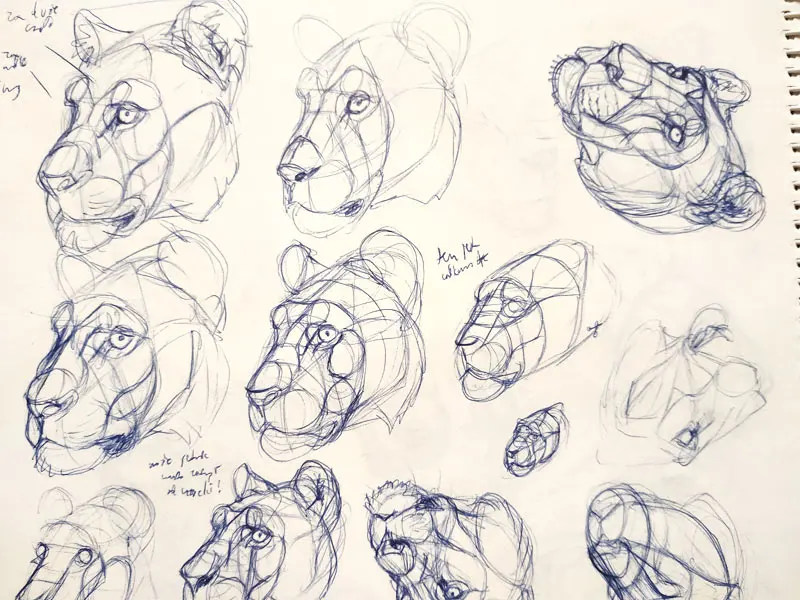
An art study is a focused practice exercise where an artist isolates a specific element—such as light, color, anatomy, or composition—to improve their technical proficiency. Unlike a finished masterpiece, a study is a temporary, educational tool used to analyze a subject deeply, often serving as preparation for a more complex final work.
On this page
What is the purpose of an art study?
The primary goal of an art study is to deconstruct a complex subject into manageable components. By focusing on a single aspect, such as the way light hits a sphere or the muscle structure of a forearm, an artist can bypass the pressure of creating a perfect image. This allows for a deeper understanding of visual mechanics that would otherwise be lost in the complexity of a full-scale painting.
Historically, masters like Leonardo da Vinci and Edgar Degas utilized studies to refine their craft. Da Vinci’s anatomical sketches were not meant for public display but were essential for his later paintings. By practicing these elements in isolation, artists build a mental library of forms, textures, and lighting scenarios. This process accelerates skill acquisition, as it forces the artist to observe reality with greater precision and translate those observations onto the canvas or paper.
How to perform an art study effectively
To conduct an effective study, you must first select a clear, singular objective. If your goal is to understand color, do not worry about perfect line work. If your goal is to understand gesture, do not worry about shading. By limiting the scope, you ensure that your brain is fully engaged in solving one specific problem at a time.
Follow these steps to complete a productive study:
- Choose a specific subject, such as a hand, a tree, or a specific lighting condition.
- Set a time limit, typically between 15 and 45 minutes, to prevent overworking the piece.
- Observe the subject closely, identifying the most important shapes or values.
- Execute the drawing or painting, focusing only on your chosen objective.
- Analyze your result against the reference to identify areas for improvement.
Best subjects for art study beginners
Beginners often struggle because they choose subjects that are too complex, such as full human portraits or intricate landscapes. Instead, start with simple, inanimate objects that allow you to focus on the fundamentals of form and light. These objects do not move, providing a stable reference that helps you practice patience and observational accuracy.
Consider these subjects for your initial practice sessions:
- A single piece of fruit, such as an apple or pear, to practice value and highlights.
- A geometric shape, like a wooden cube or sphere, to understand perspective and shadow.
- A piece of draped fabric to learn how to render complex folds and textures.
- A simple glass jar to study transparency and light refraction.
- A single leaf or flower to practice organic shapes and fine details.
Why artists use master copies as studies
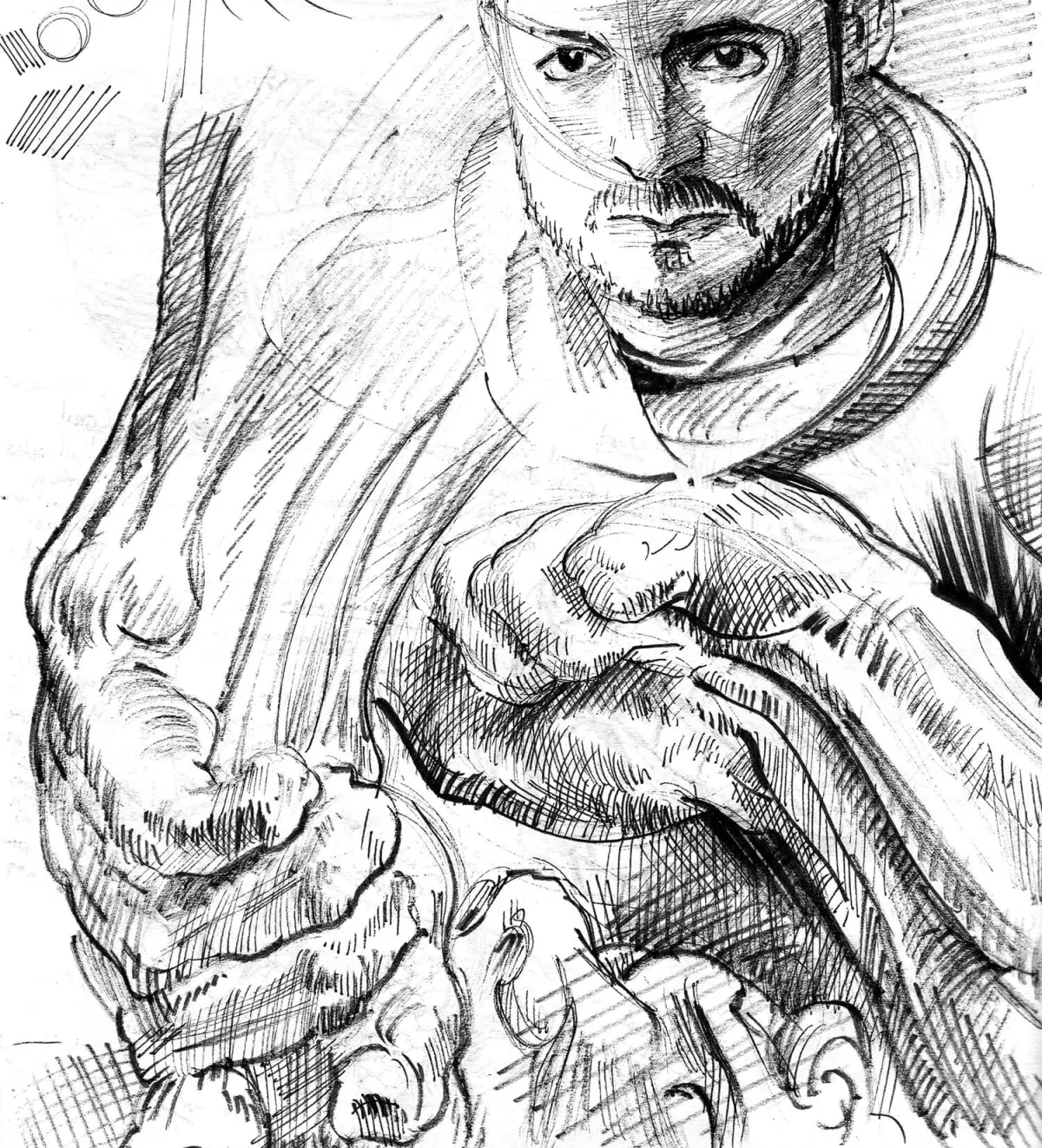
A master copy is a specific type of art study where an artist recreates an existing work by a renowned painter. This practice, often called "copying the masters," has been a cornerstone of art education for centuries. By attempting to replicate the brushwork, color palette, and composition of a historical piece, you gain insight into the decision-making process of the original artist.
When performing a master copy, you are essentially reverse-engineering the artist’s technique. You learn how they handled edges, how they layered their pigments, and how they balanced their composition. It is important to note that the goal is not to create a forgery or a perfect replica, but to understand the "how" and "why" behind the masterpiece. This process can be incredibly humbling and revealing, often highlighting gaps in your own technical knowledge that you might not have noticed otherwise.
Common mistakes when doing art studies
One frequent mistake is spending too much time on a study, turning it into a finished piece. When you spend hours on a study, you lose the benefit of the rapid-fire iteration that makes the practice effective. If you find yourself obsessing over minor details, you are likely missing the broader lesson you intended to learn. Remember that a study is meant to be a disposable exercise, not a portfolio piece.
Another common error is failing to analyze the work afterward. Simply drawing an object without comparing your output to the reference or identifying where you struggled provides little educational value. To avoid this, always take a moment to critique your work once you finish. Ask yourself what was difficult, what went well, and what you would change if you were to draw that same subject again. By consciously reflecting on your process, you turn a simple drawing session into a powerful learning experience that will significantly improve your artistic development over time.
Key facts
- An art study is a practice piece created to solve a specific problem, such as mastering light, anatomy, or color, rather than producing a finished work.
- Artists like Leonardo da Vinci and Edgar Degas frequently used studies to refine complex compositions before committing them to canvas.
- Studies are typically small in scale and prioritize speed and focus over intricate detail or archival quality.
- A "color study" focuses exclusively on the relationship between hues and values, often ignoring fine lines or textures.
- You should limit a study to 30–60 minutes to prevent overworking the piece and losing the spontaneity of the initial observation.
- Avoid the common mistake of trying to make a study look like a masterpiece; its primary value lies in the lessons learned during the process.
The bottom line
An art study is an essential tool for artistic growth, functioning as a laboratory for experimentation. By isolating specific challenges like perspective, anatomy, or color theory, you build the technical proficiency required for complex final works. Instead of seeking perfection, focus on the analytical process. Consistent practice through studies will sharpen your observation skills and provide a reliable foundation for all your future creative endeavors.
People also ask
How does a study differ from a sketch?
A sketch is usually a quick, rough capture of an idea or gesture. A study is more deliberate, focusing on technical analysis of a specific element like lighting or form.
Should I use expensive materials for my studies?
No, use affordable materials like newsprint, graphite, or inexpensive acrylics. The goal is to remove the pressure of wasting high-quality supplies so you can experiment freely.
How many studies should I do before starting a final painting?
There is no set number, but you should continue until the specific problem you are solving feels resolved. Some artists create one quick study, while others produce dozens to explore different lighting scenarios.
Can I use photographs for my art studies?
Yes, photographs are excellent references for lighting and composition. However, working from life is often preferred for studies because it helps you better understand depth and spatial relationships.
What is a master study?
A master study involves copying a work by a renowned artist to understand their technique. By recreating their brushwork or color palette, you gain insight into their creative decision-making process.
What should I do with my studies after I finish them?
Keep them in a portfolio or sketchbook for future reference. Even if they are not display-worthy, they serve as a valuable record of your technical progress and a library of solutions for future projects.
This answer was created with the help of AI research tools and reference sources. Spotted an error? Let us know — we correct mistakes quickly. See our editorial policy.