What is a memorial sculpture?
Short answer
A memorial sculpture is a permanent artistic structure designed to honor, commemorate, or preserve the memory of a specific person, group, or historical event. These works serve as public or private focal points for reflection, often utilizing durable materials like bronze or stone to ensure the subject’s legacy endures for future generations.
On this page
What is the purpose of a memorial sculpture?
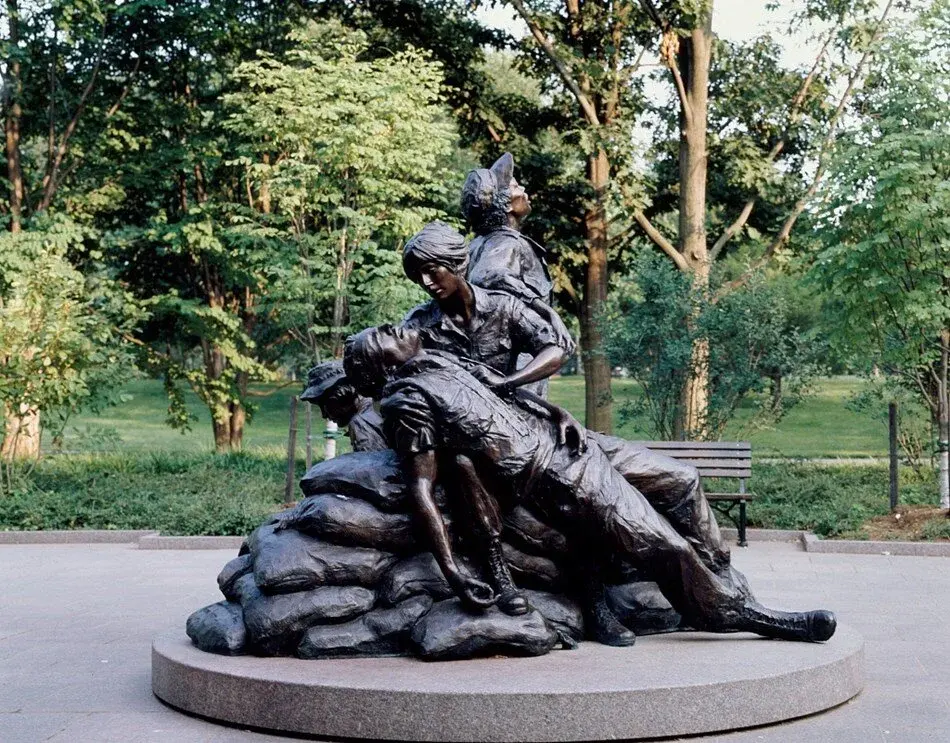
Memorial sculptures function as physical manifestations of collective memory. By transforming abstract concepts like grief, heroism, or historical significance into tangible forms, they provide a dedicated space for communal mourning or celebration. Unlike ephemeral tributes, these sculptures are intended to withstand the test of time, grounding a community's history in a specific geographic location.
Beyond mere aesthetics, these works often carry symbolic weight. A sculpture might represent a fallen soldier, a visionary leader, or victims of a tragedy, acting as a visual anchor for storytelling. They encourage observers to pause and engage with the past, effectively bridging the gap between historical events and contemporary society. By anchoring memory in public squares, parks, or cemeteries, they ensure that the subjects remain part of the ongoing cultural dialogue.
How are memorial sculptures constructed?
The creation of a memorial sculpture involves a rigorous process that balances artistic vision with structural engineering. Artists typically begin by researching the subject to ensure historical accuracy, followed by creating small-scale clay or wax models known as maquettes. Once the design is approved, the work is scaled up to its final dimensions, often requiring collaboration with foundries or stone carvers.
The choice of material is critical for longevity and meaning. Bronze is frequently selected for its ability to capture fine detail and its resistance to corrosion, while granite and marble are chosen for their permanence and classical associations. The construction process generally follows these essential steps:
- Conceptualization and historical research to define the memorial's theme.
- Creation of a maquette to refine the composition and scale.
- Casting or carving the final form using high-quality, weather-resistant materials.
- Engineering a stable foundation to support the weight and prevent settling.
- Final installation and site landscaping to create an appropriate environment for reflection.
Where are memorial sculptures typically placed?
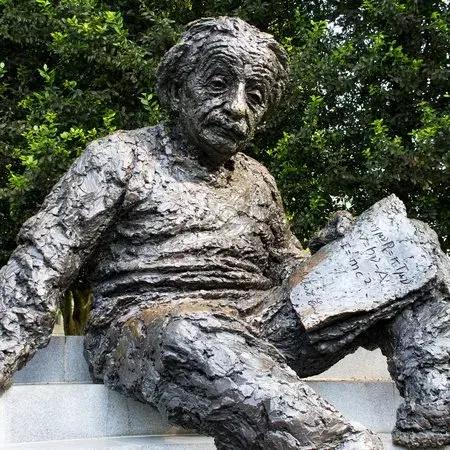
Placement is vital to the function of a memorial sculpture. Architects and planners consider the "site context," which refers to the relationship between the sculpture and its surroundings. A sculpture placed in a busy city square, such as the Lincoln Memorial in Washington, D.C., invites interaction with the public, while one placed in a quiet garden or cemetery promotes solitary contemplation.
Effective placement often involves aligning the sculpture with specific sightlines or historic landmarks. For example, the Vietnam Veterans Memorial is sunken into the earth, forcing visitors to descend into a space that feels separate from the surrounding park. This intentional design choice creates a transition from the everyday world into a place of reverence. When selecting a site, planners must consider:
- Accessibility for all visitors, including those with physical disabilities.
- Environmental factors such as drainage, wind exposure, and sunlight.
- The historical relevance of the location to the person or event being honored.
- The flow of foot traffic to ensure the area remains respectful and quiet.
What are common mistakes when commissioning a memorial?
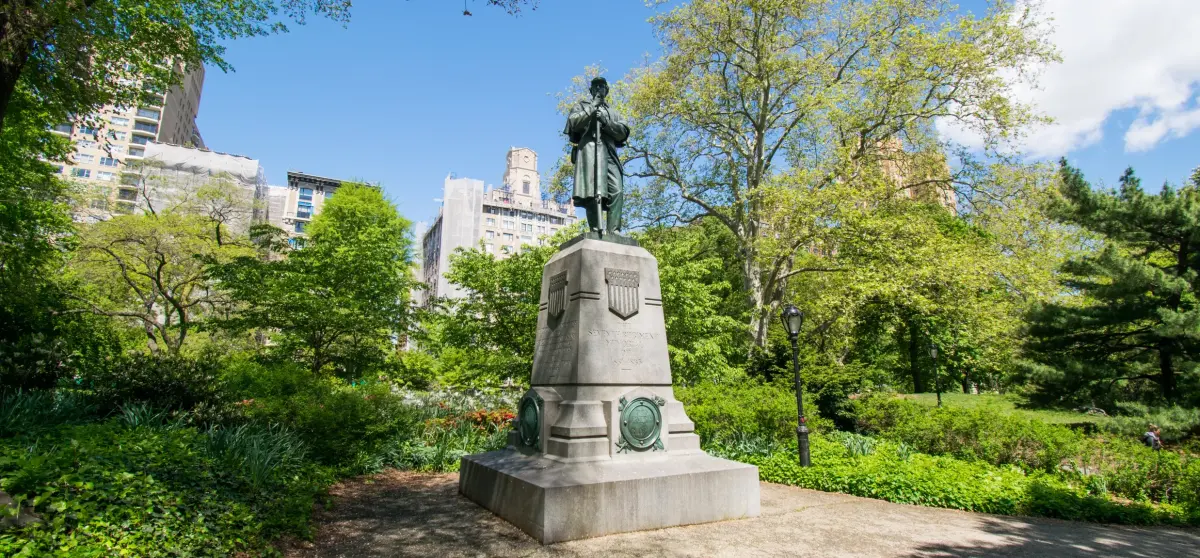
Commissioning a memorial is a complex undertaking, and several common errors can undermine the project's success. One frequent mistake is failing to engage the community early in the process. If a memorial does not resonate with the people it is meant to serve, it may be ignored or, in some cases, become a source of controversy. Transparency and public feedback are essential for ensuring the memorial is viewed as a positive contribution.
Another significant error is neglecting long-term maintenance. A beautiful sculpture can quickly become an eyesore if the metal is not cleaned or the stone is allowed to crack. Commissions often focus solely on the initial cost, forgetting to establish a maintenance fund. Additionally, choosing materials that are not suited to the local climate can lead to premature degradation. Planners must always prioritize durability over temporary artistic trends, ensuring the memorial remains a dignified tribute for decades rather than just a few years.
How to maintain a memorial sculpture?
Preserving a memorial sculpture requires a proactive maintenance schedule to combat the effects of weather, pollution, and vandalism. Bronze sculptures, for instance, require periodic waxing to protect the patina from oxidation, which can cause unsightly streaking. Stone monuments need regular cleaning to remove biological growth like moss or lichen, which can trap moisture and cause the surface to erode over time.
Professional assessment is recommended at least once a year to identify structural issues before they become severe. If a sculpture is located in a high-traffic area, it may require more frequent inspections to address graffiti or minor surface damage. By following a structured maintenance plan, caretakers ensure that the memorial continues to serve its purpose for future generations. The primary goal is to perform "preventative conservation," which is always more cost-effective than major restoration. Proper care demonstrates ongoing respect for the memory of those the sculpture honors, keeping the legacy alive and visible in the public consciousness for many years to come.
Key facts
- A memorial sculpture is a work of art designed to commemorate a person, group, or event, often serving as a focal point for public remembrance.
- These sculptures are frequently cast in bronze or carved from stone, such as granite or marble, to ensure long-term durability against environmental weathering.
- The placement of a memorial is critical; it is typically situated in a high-traffic public space, such as a park or plaza, to encourage reflection.
- Common design elements include figurative statues, abstract monoliths, or symbolic objects like eternal flames or empty chairs.
- When commissioning a sculpture, ensure the material choice matches the local climate, as salt air or extreme temperature fluctuations can degrade specific metals or porous stones.
- A common mistake is failing to secure long-term maintenance funding, which leads to the eventual deterioration of the sculpture and its surrounding site.
The bottom line
Memorial sculptures act as permanent physical links to our collective history, transforming abstract memories into tangible, public experiences. By blending artistic vision with durable materials, these works provide a dedicated space for reflection and communal mourning. Whether figurative or abstract, a successful memorial requires thoughtful site selection, professional craftsmanship, and a sustainable maintenance plan to ensure its message remains preserved for future generations to contemplate.
People also ask
What is the difference between a monument and a memorial sculpture?
A monument is generally a structure built to honor a notable person or event, while a memorial sculpture is specifically an artistic creation intended to evoke memory or emotion. All memorials act as monuments, but not all monuments are sculptures.
How long does it take to create a public memorial sculpture?
The process typically takes between 18 months and three years from the initial commission to the final installation. This timeline includes conceptual design, community approval, casting or carving, and site preparation.
Who usually pays for memorial sculptures?
Funding typically comes from a mix of private donations, government grants, or community fundraising campaigns. Large-scale national memorials are often funded through acts of legislation and public-private partnerships.
What are the most common materials used for outdoor memorials?
Bronze is the most popular choice due to its high tensile strength and ability to capture intricate detail. Granite is also frequently used for plinths and markers because it is extremely resistant to erosion and acid rain.
How do artists determine the scale of a memorial?
Artists consider the surrounding architecture and the intended emotional impact when determining scale. A monumental size may be used to convey grandeur or power, while a life-sized figure often fosters a more intimate, relatable connection with the viewer.
Can a memorial sculpture be abstract?
Yes, many modern memorials utilize abstraction to allow for personal interpretation and universal themes. Abstract shapes can represent complex emotions like grief or hope without relying on literal representations of historical figures.
This answer was created with the help of AI research tools and reference sources. Spotted an error? Let us know — we correct mistakes quickly. See our editorial policy.