What is the exposure triangle?
Short answer
The exposure triangle is a fundamental photography concept representing the three pillars that determine an image's brightness: aperture, shutter speed, and ISO. By balancing these settings, photographers control how much light reaches the sensor. Adjusting one element necessitates changing another to maintain consistent exposure, allowing for creative control over depth and motion.
On this page
What is the exposure triangle and how does it work?
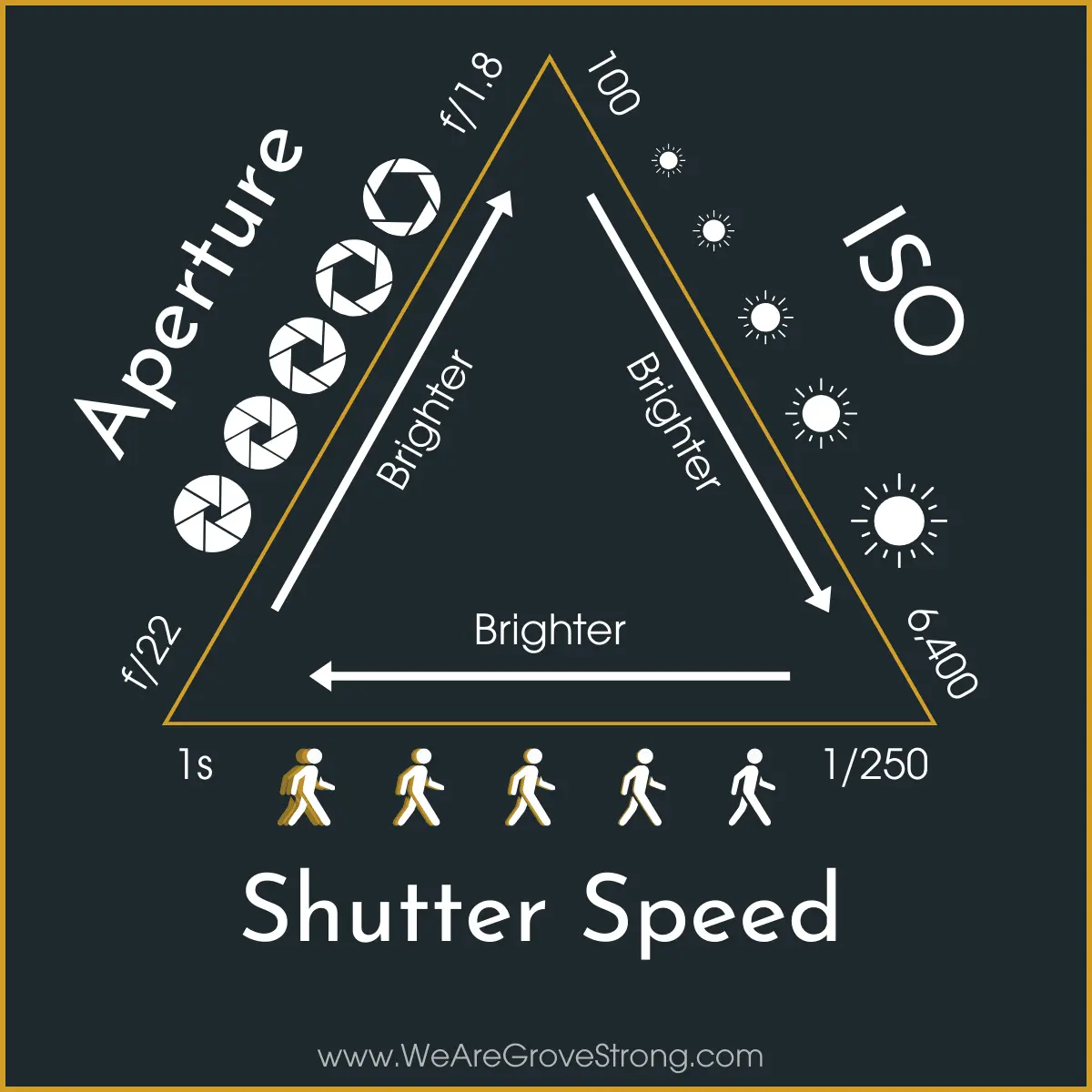
The exposure triangle is the primary framework for understanding manual photography. It describes the interdependent relationship between three settings—aperture, shutter speed, and ISO—that collectively dictate the exposure level of a photograph. When light enters the camera lens, it passes through the aperture and hits the sensor for a duration determined by the shutter speed, while the ISO determines the sensor's sensitivity to that light.
Think of the process like filling a bucket with water. The aperture is the width of the hose, the shutter speed is how long you leave the tap running, and the ISO is the size of the bucket. If you change the width of the hose, you must adjust the time the tap is open to ensure the bucket is filled correctly without overflowing. Mastering this balance allows photographers to achieve the perfect exposure regardless of environmental lighting conditions.
How to adjust aperture for depth of field
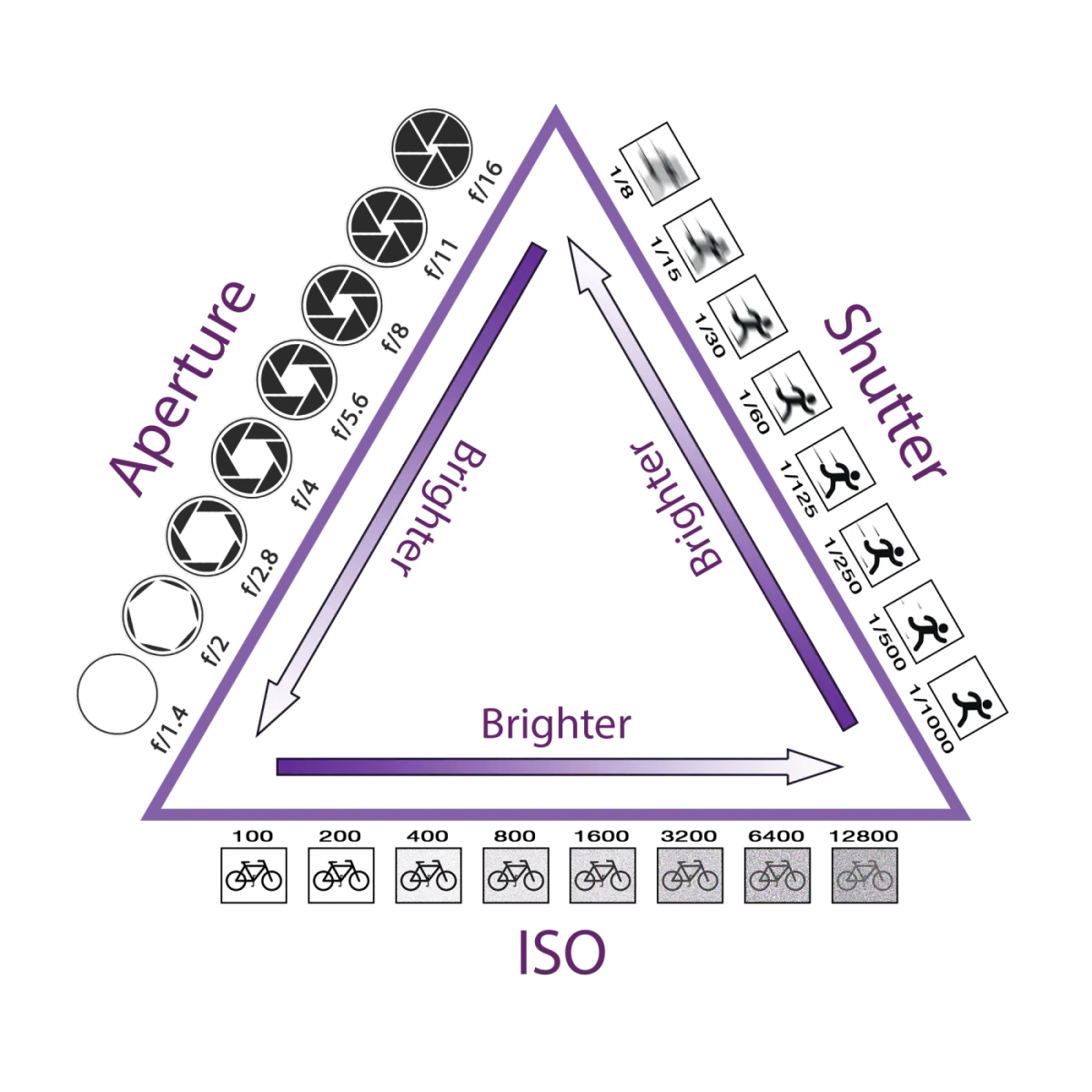
Aperture refers to the opening inside the lens that controls the amount of light entering the camera. It is measured in f-stops, such as f/2.8, f/8, or f/16. A lower f-stop number indicates a wider opening, which allows more light in and creates a shallow depth of field, blurring the background. A higher f-stop number indicates a smaller opening, which lets in less light but keeps more of the scene in sharp focus.
When adjusting your aperture, consider these practical implications for your composition:
- Wide apertures (f/1.4–f/2.8) are ideal for portraits where you want to isolate the subject from a soft, blurry background.
- Narrow apertures (f/11–f/16) are preferred for landscape photography to ensure both the foreground and distant mountains remain sharp.
- Remember that changing the aperture significantly alters the light intake, requiring you to compensate with a faster or slower shutter speed to maintain the same exposure.
Why shutter speed affects motion blur
Shutter speed measures the length of time the camera sensor is exposed to light. It is typically expressed in fractions of a second, such as 1/500 or 1/60. A fast shutter speed freezes action, while a slow shutter speed introduces motion blur, which can be used creatively to show movement in subjects like flowing water or racing cars. However, using a very slow shutter speed often requires a tripod to prevent camera shake.
To effectively manage shutter speed, follow these guidelines:
- Identify your subject: Use at least 1/500 for sports and 1/1000 or faster for high-speed action.
- Check your focal length: As a rule of thumb, your shutter speed should be at least the reciprocal of your lens focal length to avoid blur from hand-holding.
- Use a tripod: If you are shooting at speeds slower than 1/60, a tripod is essential to keep the image crisp and clear.
- Adjust for light: If you increase shutter speed to freeze motion, you must open the aperture or increase ISO to compensate for the reduced light.
Which ISO settings should you use?
ISO represents the sensor's sensitivity to light. A low ISO, such as 100 or 200, provides the highest image quality with minimal digital noise, making it perfect for bright, sunny days. As you increase the ISO—to 1600, 3200, or higher—the sensor becomes more sensitive, allowing you to shoot in dark environments. However, higher ISO settings introduce grain or "noise," which can degrade the fine details and textures of your photographs.
Modern cameras handle high ISOs much better than older models, but it remains a last resort. Always try to lower your ISO first by opening your aperture or slowing your shutter speed before pushing the sensor to its limits. If you are shooting in a dimly lit venue, prioritize a steady shutter speed and a wide aperture to keep your ISO as low as possible, thereby preserving the clarity and professional quality of your final image.
Common mistakes when balancing exposure
One frequent error is failing to account for how changing one setting forces a compromise elsewhere. For instance, beginners often increase their shutter speed to freeze action but forget to widen the aperture, resulting in an underexposed, dark image. Another common mistake is relying solely on "Auto" mode, which prevents the photographer from making intentional creative choices regarding depth of field or motion blur.
To avoid these pitfalls, practice manual mode in controlled environments. Start by setting your ISO to the lowest possible value and choosing an aperture that suits your composition. Then, adjust your shutter speed until the camera's light meter indicates a balanced exposure. If the shutter speed becomes too slow to hold steady, increase your ISO incrementally. By systematically adjusting one variable at a time, you will quickly develop an intuitive understanding of how these three settings interact to create a perfectly exposed photograph.
Key facts
- The exposure triangle consists of aperture, shutter speed, and ISO, which collectively determine the brightness of a photograph.
- Aperture controls the size of the lens opening, measured in f-stops, which dictates both light intake and depth of field.
- Shutter speed measures the duration the camera sensor is exposed to light, affecting how motion is captured or frozen.
- ISO represents the camera sensor's sensitivity to light, where higher numbers increase brightness but also introduce digital noise.
- Changing one element of the triangle requires a corresponding adjustment in another to maintain the same overall exposure level.
- A common mistake is using a high ISO in bright daylight, which can cause overexposure and degrade image quality.
The bottom line
The exposure triangle is the fundamental framework for mastering photography, balancing aperture, shutter speed, and ISO to achieve the perfect exposure. By understanding how these three variables interact, you gain full control over your camera’s creative output, from freezing fast action to creating soft, blurry backgrounds. Practice adjusting each setting independently to see how they influence light and image quality, ultimately allowing you to capture your vision accurately.
People also ask
Does a wider aperture always mean more light?
Yes, a wider aperture, represented by a smaller f-stop number like f/1.8, allows more light to reach the sensor. This setting also creates a shallow depth of field, blurring the background while keeping the subject sharp.
How do I prevent blurry photos when shooting handheld?
To avoid camera shake, ensure your shutter speed is faster than the reciprocal of your lens focal length. For a 50mm lens, a shutter speed of at least 1/60th of a second is generally recommended.
What is the benefit of a low ISO setting?
A low ISO, typically 100 or 200, produces the highest image quality with minimal digital noise or grain. It is ideal for bright, well-lit environments where you have plenty of natural light.
Can I use the exposure triangle in automatic mode?
Most cameras in automatic mode manage these settings for you, but you lose creative control over depth of field and motion blur. Using manual or semi-automatic modes allows you to manipulate these variables intentionally.
What happens if my shutter speed is too slow?
A slow shutter speed allows more light in but makes the image susceptible to motion blur from both the subject and the photographer's hands. It is best used with a tripod for long exposures.
Is there a "perfect" setting for every photo?
No, the ideal settings depend entirely on your lighting conditions and creative goals. You must balance the triangle to achieve the specific aesthetic or technical result you desire for each shot.
This answer was created with the help of AI research tools and reference sources. Spotted an error? Let us know — we correct mistakes quickly. See our editorial policy.