What is Baroque art?
Short answer
Baroque art is a highly decorative, dramatic style that emerged in Rome around 1600 and flourished across Europe until the mid-18th century. It emphasizes intense emotion, movement, and sharp contrasts between light and dark to engage the viewer. The movement was heavily supported by the Catholic Church to inspire religious fervor.
On this page
What defines the Baroque style?
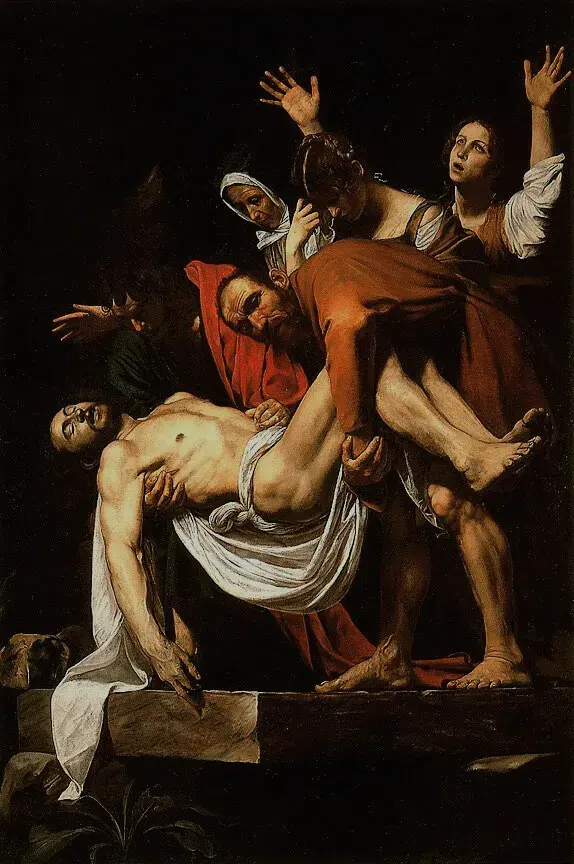
The Baroque style is defined by its sense of awe, grandeur, and theatricality. Unlike the balanced, static compositions of the Renaissance, Baroque works prioritize dynamic energy and asymmetrical arrangements. Artists aimed to capture a specific, fleeting moment in time, often focusing on the most intense point of an action. This approach was designed to provoke an immediate emotional response from the observer, making the art feel immersive rather than observational.
Key visual elements that characterize this period include:
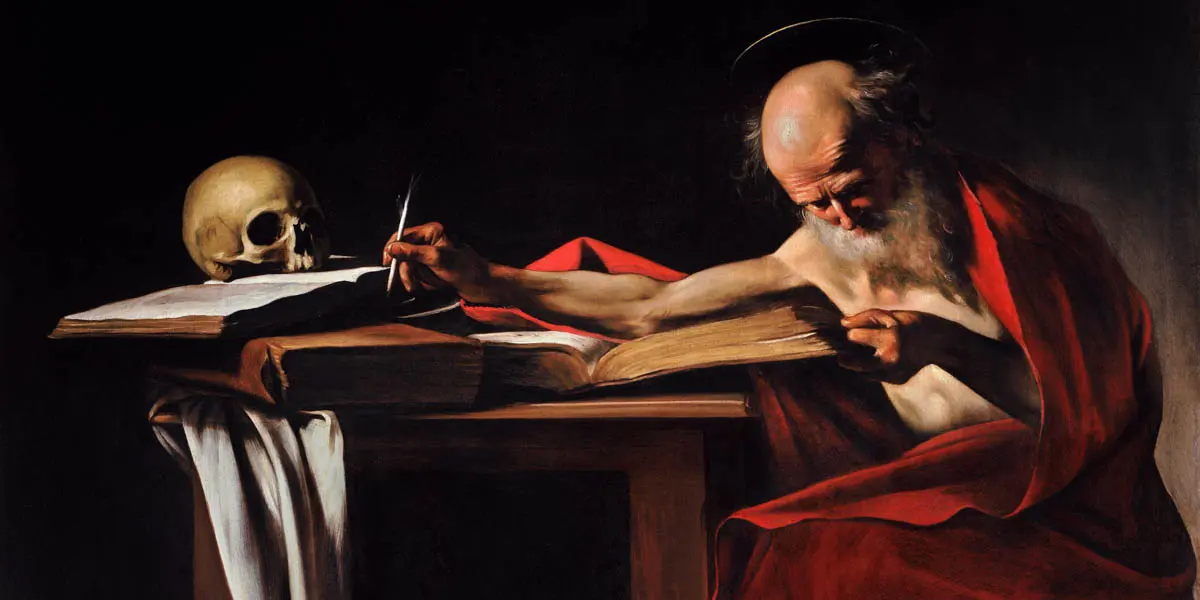
- Chiaroscuro: The bold use of strong contrasts between light and dark to create three-dimensional volume.
- Tenebrism: A heightened form of chiaroscuro where darkness becomes a dominating feature of the image.
- Grandiosity: Large-scale works that utilize rich colors, intricate ornamentation, and complex perspectives to overwhelm the senses.
- Motion: Figures are often depicted in mid-gesture or twisted poses to suggest continuous movement and psychological tension.
How did Baroque art emerge?
The origins of Baroque art are deeply tied to the Counter-Reformation, the Catholic Church's response to the Protestant Reformation. By the late 16th century, the Church sought to reclaim its influence by commissioning art that was accessible, emotionally stirring, and visually spectacular. Rome became the epicenter of this movement, drawing talented artists who were tasked with creating works that glorified faith and power. This political and religious climate provided the necessary funding and ideological framework for the style to thrive.
As the style matured, it spread from Italy to the rest of Europe, adapting to local tastes. In France, the style became more restrained and focused on the absolute power of the monarchy, exemplified by the Palace of Versailles. In the Netherlands, the focus shifted toward secular subjects like landscapes, still lifes, and portraits, reflecting the interests of a rising merchant class. This evolution demonstrates how Baroque principles were flexible enough to serve both religious institutions and private collectors across vastly different social landscapes.
Who are the most famous Baroque artists?
Several masters defined the era through their technical innovation and distinct thematic focus. Caravaggio is perhaps the most influential, known for his gritty realism and revolutionary use of light. His work often featured common people as religious figures, grounding divine stories in human reality. Meanwhile, Gian Lorenzo Bernini dominated the field of sculpture, creating marble figures that appear to breathe and move within their environments. His ability to render texture, such as soft skin or flowing fabric, remains unparalleled in art history.
Other essential figures include:
- Peter Paul Rubens: Known for his energetic, fleshy compositions and vibrant color palettes.
- Rembrandt van Rijn: A Dutch master who excelled at capturing deep psychological introspection through subtle lighting.
- Diego Velázquez: The Spanish court painter who mastered complex spatial arrangements and atmospheric perspective.
- Johannes Vermeer: Famous for his quiet, domestic interiors and masterful control of natural light.
How to identify Baroque architecture?
Baroque architecture is easily recognized by its rejection of the straight lines and simple geometric forms favored by Renaissance architects. Instead, it features curved walls, undulating facades, and complex floor plans that create a sense of rhythm and fluidity. Architects frequently used illusions, such as trompe l'oeil ceiling paintings, to make interior spaces appear infinite or open to the heavens. The goal was to create a total work of art where sculpture, painting, and architecture fused into a single, cohesive experience.
Common architectural features found in Baroque buildings include:
- Oval or elliptical floor plans that break away from traditional circular or square shapes.
- Elaborate ornamentation, including gilded moldings, marble statues, and intricate stucco work.
- Dramatic use of light, often directed through hidden windows to highlight specific altars or architectural features.
- Grand staircases and sweeping vistas designed to guide the visitor through the space with a sense of ceremony.
Common mistakes when analyzing Baroque art?
A frequent error is assuming that all Baroque art is religious in nature. While the Church was a primary patron, the period also produced vast amounts of secular art, including hunting scenes, portraits of royalty, and scientific illustrations. Another mistake is viewing Baroque art as merely "excessive" or "over-decorated." While the style is certainly ornate, the decoration is almost always purposeful, serving to lead the eye, define space, or emphasize the narrative focus of the work.
When studying these pieces, avoid these pitfalls:
- Ignoring the context: Always consider whether the work was intended for a private home or a public cathedral.
- Overlooking the light: If you ignore how light hits the subjects, you miss the primary tool the artist used to convey meaning.
- Focusing only on the subject: Pay attention to the background and the negative space, as Baroque artists used these areas to create depth and tension.
- Misinterpreting the emotion: Remember that the theatrical expressions are intentional choices meant to draw you into the drama of the scene.
Key facts
- Baroque art emerged in Italy around 1600 and dominated European culture until the mid-18th century.
- The style is defined by dramatic lighting, known as chiaroscuro, which creates intense contrast between light and dark.
- Artists used "tenebrism" to heighten emotional tension, often plunging backgrounds into deep shadow to highlight central figures.
- Baroque compositions prioritize movement and action, frequently capturing a subject at the most dynamic moment of a narrative.
- To identify a Baroque painting, look for asymmetrical compositions and a sense of instability that draws the viewer into the scene.
- Avoid confusing Baroque with the later Rococo style; while Baroque is grand and serious, Rococo is typically light, playful, and pastel-toned.
The bottom line
Baroque art represents a pivotal shift toward emotional intensity, dramatic lighting, and dynamic movement in Western culture. By breaking away from the rigid symmetry of the Renaissance, Baroque masters created immersive experiences that continue to captivate audiences today. Whether through the deep shadows of a Caravaggio painting or the grand scale of a royal palace, this style remains defined by its bold, theatrical pursuit of human passion.
People also ask
Who are the most famous Baroque painters?
Caravaggio, Rembrandt van Rijn, Peter Paul Rubens, and Diego Velázquez are the most influential figures of the period. Their works established the dramatic standards of light, shadow, and emotional realism that define the movement.
How did the Catholic Church influence Baroque art?
The Counter-Reformation used art as a tool to inspire awe and religious fervor among the faithful. By commissioning grand, emotionally charged works, the Church aimed to make spiritual experiences feel immediate and accessible to common people.
What is the difference between Renaissance and Baroque art?
Renaissance art emphasizes balance, harmony, and static, idealized beauty. Baroque art rejects this restraint in favor of intense emotion, complex movement, and theatrical lighting effects.
Was Baroque art only about painting?
No, the style permeated architecture, sculpture, music, and literature. Famous examples include the ornate facade of St. Peter’s Basilica and the complex, dramatic compositions of composer Johann Sebastian Bach.
Where can I see the best examples of Baroque architecture?
Rome is widely considered the heart of Baroque architecture, featuring iconic structures like the Church of Sant'Andrea al Quirinale. Other significant sites include the Palace of Versailles in France and the Karlskirche in Vienna.
Why is Baroque art often described as "theatrical"?
Baroque artists treated their canvases and buildings like stages, using light as a spotlight to direct the viewer's gaze. This intentional staging creates a sense of drama that engages the viewer's physical and emotional presence.
This answer was created with the help of AI research tools and reference sources. Spotted an error? Let us know — we correct mistakes quickly. See our editorial policy.