Why is the Sistine Chapel ceiling so famous?
Short answer
The Sistine Chapel ceiling is world-famous for Michelangelo’s masterful fusion of complex theology and human anatomy. Painted between 1508 and 1512, this Renaissance achievement transformed Western art through its dynamic scale, vibrant color palette, and revolutionary depiction of the human form, cementing its status as the pinnacle of High Renaissance artistic expression.
On this page
Why is the Sistine Chapel ceiling so famous?
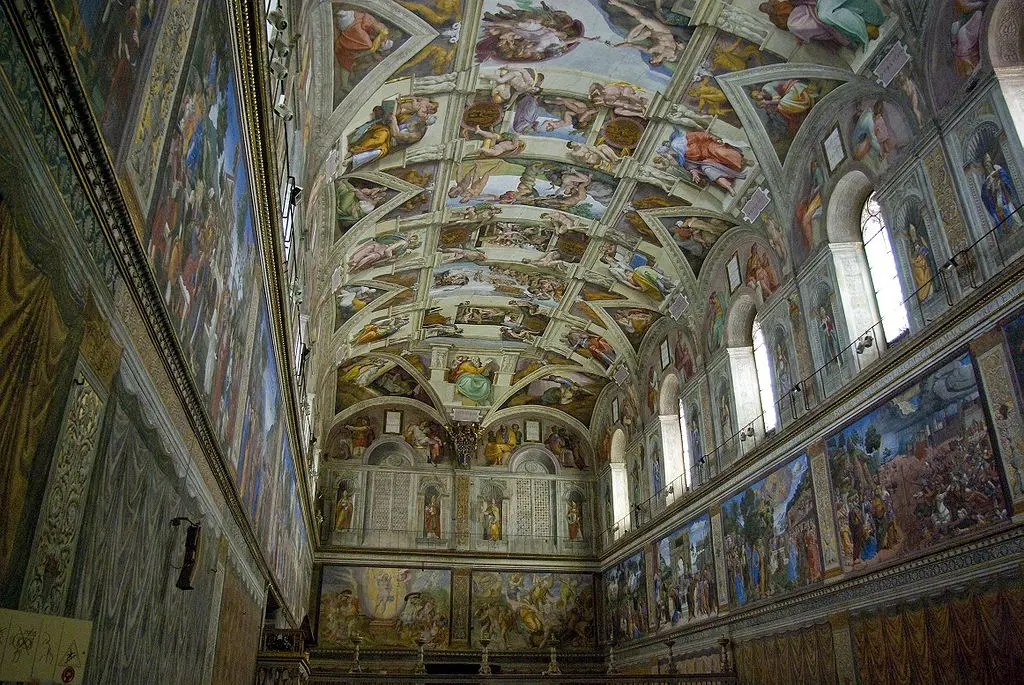
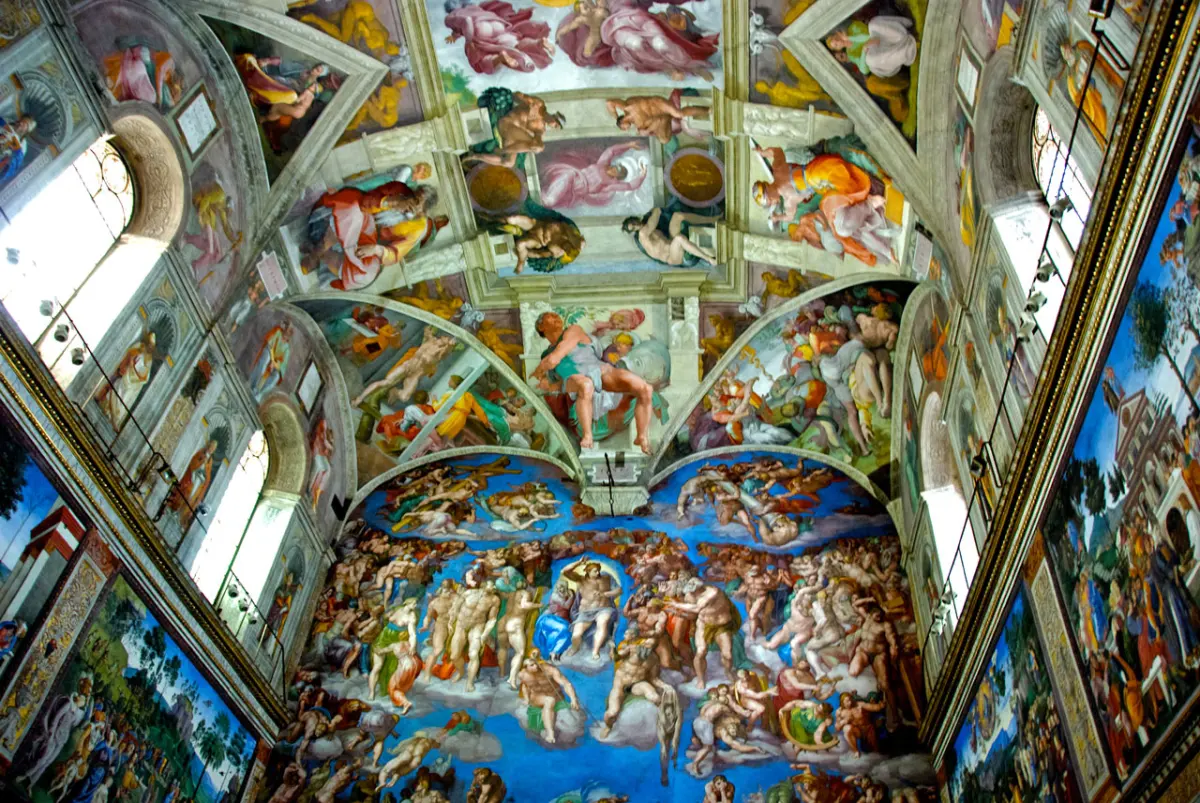
The ceiling’s fame stems from the sheer ambition of Michelangelo Buonarroti, who was primarily a sculptor rather than a painter when Pope Julius II commissioned the project. Spanning over 5,000 square feet, the ceiling features more than 300 figures that tell the story of Genesis, from the Creation of the World to the story of Noah. The work is celebrated for its technical brilliance, particularly the way Michelangelo utilized "cangiante" or color-shifting techniques to create depth and volume on a curved, inaccessible surface.
Beyond its physical scale, the ceiling represents a turning point in the history of Western art. It shifted the focus toward the "heroic" human figure, emphasizing muscular tension and emotional intensity that would influence generations of Mannerist and Baroque artists. The composition remains a primary reference for the study of anatomy, perspective, and narrative structure in painting. It is not merely a decorative element but a profound theological statement that bridges the gap between the divine and the mortal.
How to appreciate the art in person
Visiting the Sistine Chapel requires patience and preparation to truly absorb the magnitude of the work. Because the chapel is part of the Vatican Museums and remains a consecrated space, visitors must adhere to strict rules regarding behavior and dress. The ceiling is positioned roughly 60 feet above the floor, making it difficult to see fine details without assistance. Many visitors find that bringing a pair of high-quality binoculars allows them to appreciate the individual expressions and subtle brushwork that are otherwise lost to the naked eye.
To make the most of your visit, consider these strategies:
- Arrive as early as possible to avoid the peak mid-day crowds.
- Study the layout of the panels beforehand to identify key scenes like "The Creation of Adam."
- Use an official audio guide to understand the complex iconographic program Michelangelo utilized.
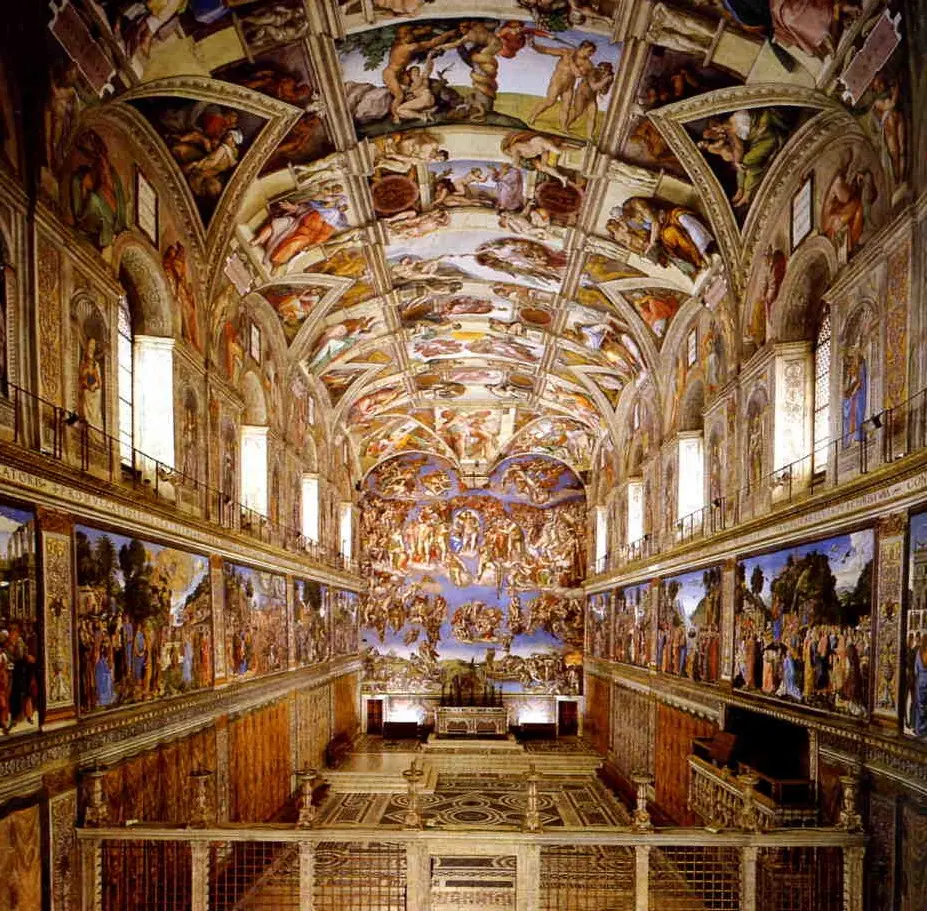
- Spend time looking at the "Last Judgment" on the altar wall, painted by Michelangelo decades later, to see his stylistic evolution.
What are the most important panels?
While the entire ceiling is a cohesive masterpiece, certain scenes are considered essential viewing due to their cultural impact and artistic significance. The central panels are divided into three groups: the Creation of the World, the Creation and Fall of Adam and Eve, and the story of Noah. These scenes are framed by figures of prophets and sibyls, who serve as witnesses to the unfolding narrative. The interplay between these diverse figures creates a rhythmic structure that guides the viewer's eye across the vast expanse.
- The Creation of Adam: Famous for the near-touching fingers of God and Adam, symbolizing the spark of life.
- The Separation of Light from Darkness: A powerful, swirling depiction of divine energy.
- The Fall and Expulsion from the Garden of Eden: A dramatic dual-scene showing the transition from innocence to shame.
- The Drunkenness of Noah: A complex composition showcasing Michelangelo’s mastery of the male nude in various poses.
Common mistakes when visiting the chapel
Many visitors inadvertently diminish their experience by failing to prepare for the specific environment of the chapel. One of the most common errors is rushing through the Vatican Museums, leaving insufficient time to actually sit or stand in the chapel itself. The chapel is often crowded and noisy, which can be overwhelming. Furthermore, many tourists mistakenly believe they can take photographs; the Vatican strictly prohibits photography and video recording to protect the frescoes from light damage and to maintain the sanctity of the space.
Another frequent mistake is ignoring the context of the surrounding architecture. The ceiling does not exist in a vacuum; it was designed to complement the side walls, which feature earlier frescoes by masters like Botticelli and Perugino. By focusing exclusively on the ceiling, visitors miss the historical dialogue between Michelangelo and his predecessors. Additionally, failing to research the theological themes often leaves viewers confused by the inclusion of pagan sibyls alongside Old Testament prophets, a choice that was highly radical for the sixteenth century.
How was the ceiling actually painted?
The creation of the ceiling was a grueling physical and technical process that lasted four years. Michelangelo worked primarily in "buon fresco," a technique where pigments are applied to wet lime plaster. This required him to work in small sections called "giornate," or "a day's work," because the plaster had to remain damp for the paint to bond permanently with the wall. He spent much of his time standing on high scaffolding, often with his head tilted back, which caused him significant physical pain and lasting health issues.
The labor involved more than just painting; it required the preparation of complex cartoons, which were full-scale drawings transferred onto the plaster. Michelangelo had to coordinate his work with the curvature of the vault, which distorted the perspective of the figures when viewed from below. To compensate, he intentionally enlarged the upper portions of the figures so they would appear proportional to the viewer on the floor. This mastery of optical correction remains one of the most studied aspects of his technical genius, ensuring the ceiling remains a timeless testament to human ingenuity.
Key facts
- Michelangelo painted the ceiling between 1508 and 1512 at the request of Pope Julius II.
- The fresco spans over 5,000 square feet and features more than 300 individual figures.
- The central panels depict nine scenes from the Book of Genesis, including the iconic "Creation of Adam."
- Michelangelo worked primarily while standing on a custom-built scaffold, despite the common myth that he painted while lying on his back.
- To view the ceiling effectively, bring binoculars or a high-quality camera lens to see details located 60 feet above the floor.
- Avoid visiting during peak morning hours; instead, aim for late afternoon or book a "Prime Experience" tour to avoid the largest crowds.
The bottom line
The Sistine Chapel ceiling remains a pinnacle of Western art because it represents an unprecedented fusion of theological complexity and technical mastery. Michelangelo’s ability to transform a vast, curved architectural space into a cohesive narrative narrative changed the course of Renaissance art. By visiting in person, you witness the sheer scale and vibrant color palette that defined the High Renaissance and continue to inspire awe today.
People also ask
How long did it take to restore the Sistine Chapel ceiling?
The most significant restoration project took place between 1980 and 1994. Conservators removed centuries of candle soot and grime to reveal the vibrant, original colors Michelangelo intended.
Are visitors allowed to take photographs inside the chapel?
Photography and video recording are strictly prohibited inside the Sistine Chapel. Security guards enforce this rule to protect the artwork and maintain a respectful, quiet atmosphere for all visitors.
Why did Michelangelo initially refuse the commission?
Michelangelo considered himself a sculptor, not a painter, and felt the project was a distraction from his work on the Pope’s tomb. He eventually accepted the challenge after pressure from the Vatican.
What is the significance of the "Creation of Adam" panel?
This panel captures the moment God gives life to the first man, Adam. It is famous for the near-touching fingers, which symbolize the spark of life and the connection between the divine and humanity.
Is the ceiling a single painting?
No, it is a massive series of frescoes painted in sections. Michelangelo used the "buon fresco" technique, applying pigment to wet plaster so that the colors became a permanent part of the wall.
What should I wear when visiting the Vatican Museums?
You must adhere to a strict dress code that requires shoulders and knees to be covered. Both men and women will be denied entry if they are wearing sleeveless tops or shorts that end above the knee.
This answer was created with the help of AI research tools and reference sources. Spotted an error? Let us know — we correct mistakes quickly. See our editorial policy.