How much should you charge for an art commission?
Short answer
Pricing art commissions requires balancing your hourly wage, material costs, and market demand. A standard formula is (Hourly Rate × Hours Worked) + Material Costs = Base Price. Research professional peers in your niche to ensure your rates remain competitive while reflecting the quality, complexity, and specific requirements of the commissioned project.

On this page
How to calculate your commission price
Determining a fair price begins with establishing a baseline hourly wage that reflects your skill level and living expenses. Do not undervalue your labor; professional artists often calculate their rate by dividing their desired annual income by the number of billable hours they can realistically work in a year. Once you have an hourly rate, track every minute spent on the project, including initial sketches, revisions, and final file preparation.
Beyond labor, you must account for overhead and material expenses. If you work traditionally, include the cost of canvases, paints, and brushes. If you work digitally, factor in software subscriptions, hardware depreciation, and electricity. Always add a markup for these expenses to ensure you are not paying to work. Use this systematic approach to maintain consistency across your portfolio:
- Determine your hourly rate based on your experience.
- Track time spent on every phase of the commission.
- Add the total cost of physical or digital materials.
- Include a 10-20% buffer for unexpected administrative time.
How to research market rates for art
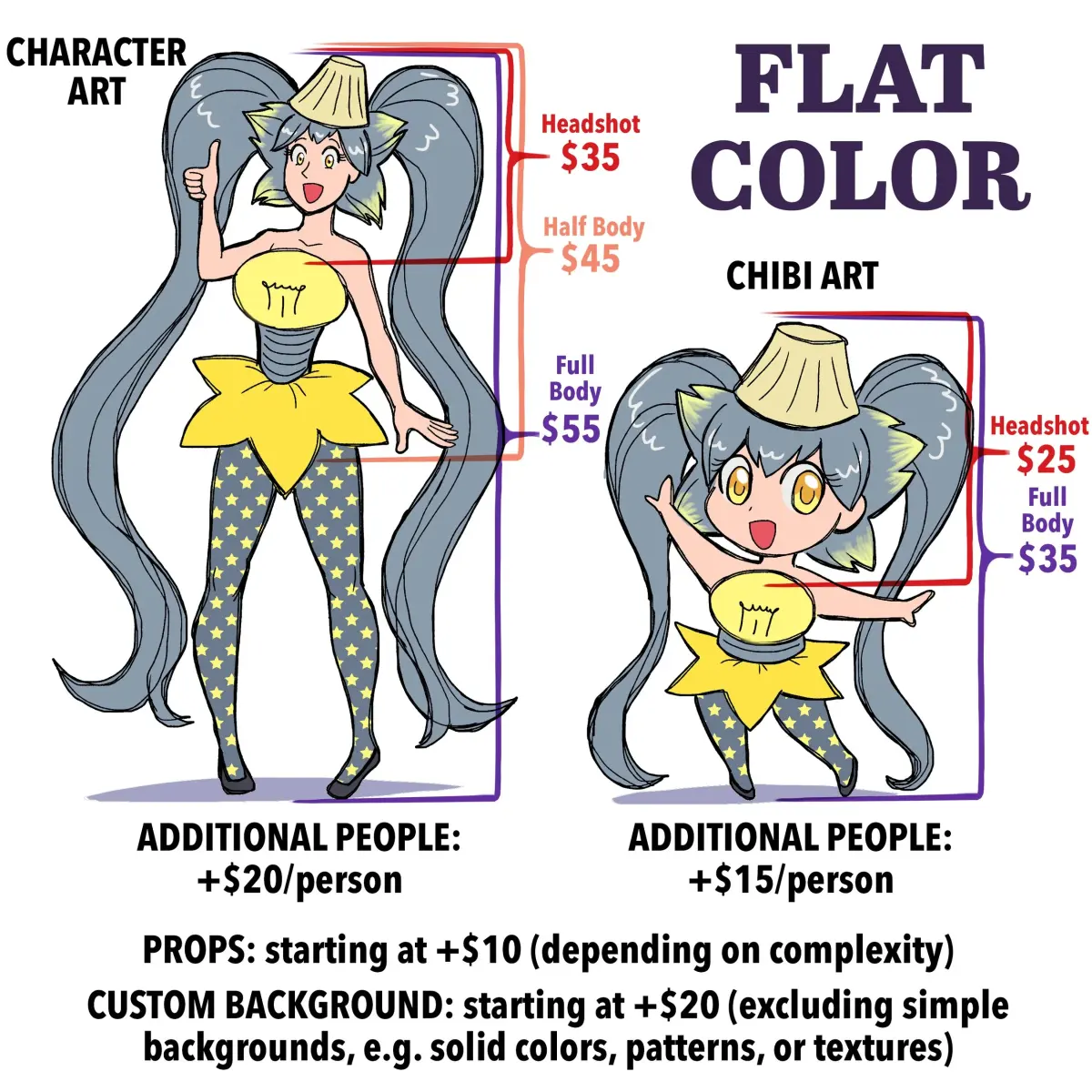
Understanding the market prevents you from pricing yourself out of a sale or significantly undercharging. Look for artists with similar experience levels, styles, and audience sizes on platforms like Behance, ArtStation, or Instagram. Observe their commission sheets, which often list starting prices for specific types of work, such as headshots, full-body illustrations, or custom oil paintings.
When comparing prices, pay attention to the level of detail offered at each tier. A simple sketch will always cost less than a fully rendered, high-resolution piece. If you find that your peers are charging significantly more, evaluate if your technical execution, branding, or client testimonials justify a price increase. Do not copy another artist's pricing blindly, as their financial needs and business models may differ from yours. Use this data to create a tiered pricing structure that offers clients clear options based on their budget and needs.
Why artists should use commission contracts
A contract is the most effective tool to protect your income and define the scope of work. Without a written agreement, clients may request endless revisions, leading to "scope creep" where you spend far more time than originally quoted. A professional contract should explicitly state the total price, the number of included revisions, and the expected delivery date.
Standardize your workflow by including these essential elements in every agreement:
- A non-refundable deposit, typically 30-50% of the total cost, to secure the slot.
- A clear definition of the project scope and the number of allowed revisions.
- Payment milestones tied to project progress, such as the sketch phase and final approval.
- A clause stating that the artist retains copyright unless a specific buyout is negotiated.
- A termination policy that outlines what happens if the client cancels mid-project.

Common mistakes when pricing commissions
One of the most frequent errors is failing to charge for revisions. Clients often underestimate the time required to change a composition or color palette, and if these changes are free, your effective hourly rate plummets. Clearly state in your pricing policy that the quote includes a specific number of revisions—usually two or three—and that any further changes will be billed at an hourly rate.
Another common mistake is neglecting to adjust prices as your skills improve. Many artists fall into the trap of keeping their rates low for years, fearing they will lose their existing client base. However, as your speed and quality increase, your prices must reflect your growth. If you are consistently booked months in advance, it is a clear signal that your demand exceeds your supply, and you should raise your rates. Never apologize for increasing your prices; it is a standard business practice that signals your professional development and commitment to your craft.
How to communicate prices to clients
Transparency is vital when discussing money with potential clients. Create a professional "Commission Sheet" or "Rate Card" that you can send as a PDF or link to on your website. This document should categorize your services by complexity, providing starting prices for each. By setting expectations early, you filter out clients who are not a match for your budget, saving time for both parties.
When a client reaches out, respond promptly and professionally, even if you are fully booked. If they ask for a custom quote, ask clarifying questions about their vision, the intended use of the image, and their deadline. Once you have enough information, provide a formal estimate that breaks down the costs. If they push back on the price, stand firm on your value, but remain polite. You may offer to scale back the complexity of the project to fit their budget, but never lower your rate for the same amount of work, as this undermines your professional reputation.
Key facts
- Calculate your hourly rate by dividing your target annual income by your total billable hours per year.
- Always require a non-refundable deposit of 30% to 50% before beginning any creative work.
- Research the market rates of artists with similar experience levels and styles to ensure your pricing is competitive.
- Factor in the cost of physical materials, such as canvases, specialized paints, or digital software subscriptions.
- Include a "kill fee" in your contract to protect your time if a client cancels the project mid-process.
- Never underprice your work to "gain exposure," as this devalues your labor and sets a difficult precedent for future clients.
The bottom line
Determining commission prices requires a professional approach that balances your financial needs with market realities. By calculating your hourly rate, securing deposits, and clearly defining project scopes in a contract, you protect your labor and maintain profitability. Avoid the trap of undervaluing your skills; instead, focus on consistent pricing that reflects your experience. Ultimately, confident communication about your rates establishes your authority as a professional artist.
People also ask
Should I charge based on the size of the artwork?
Charging by size is common for physical paintings, but it should be combined with your hourly rate. A larger canvas requires more materials and time, so ensure your price covers both the physical overhead and the labor involved.
How do I handle revisions in my pricing?
Include a specific number of revisions, such as two or three, in your initial quote. Charge an additional hourly fee for any changes requested beyond that limit to prevent scope creep.
Is it better to charge a flat fee or an hourly rate?
Flat fees provide clarity for clients and are best for projects with well-defined scopes. Hourly rates are safer for experimental or complex commissions where the time required is difficult to predict.
Should I charge extra for commercial usage rights?
Yes, you should charge a licensing fee if the client intends to use your art for products, advertisements, or branding. Transferring full copyright ownership is significantly more valuable than granting a limited license.
How do I communicate price increases to repeat clients?
Be transparent and professional by notifying them in advance of your new rate structure. Frame the increase as a reflection of your growing expertise and the current demand for your professional services.
What should I do if a client says my price is too high?
Politely explain the value of your work and the time required to complete it. If they still cannot afford your rate, it is perfectly acceptable to decline the commission or offer a smaller, less expensive alternative.
This answer was created with the help of AI research tools and reference sources. Spotted an error? Let us know — we correct mistakes quickly. See our editorial policy.
