What is kraft paper used for?
Short answer
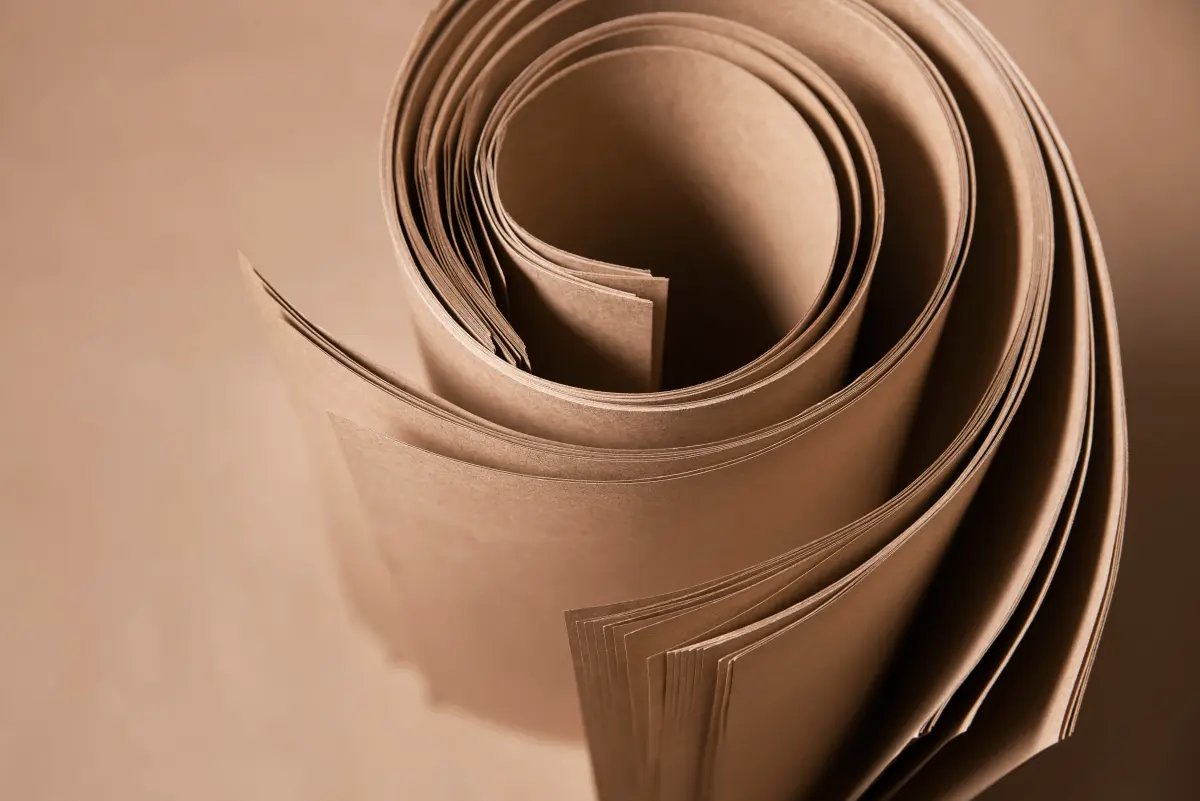
Kraft paper is a durable, high-strength paper produced through the chemical pulping process known as the kraft process. It is primarily used for heavy-duty packaging, such as shipping sacks, grocery bags, and corrugated cardboard boxes. Its high tear resistance and versatility also make it popular for industrial wrapping, protective cushioning, and various crafting applications.
On this page
What is kraft paper made of?
Kraft paper is manufactured from wood pulp, typically derived from softwood trees like pine, spruce, or fir. The term "kraft" comes from the German word for strength, reflecting the chemical process developed by Carl F. Dahl in 1879. This method involves cooking wood chips in a mixture of sodium hydroxide and sodium sulfide, which removes lignin—a natural glue that holds wood fibers together. By stripping away the lignin, the resulting paper retains longer, stronger fibers compared to traditional paper-making methods.
Because the process is highly efficient, manufacturers can recover and reuse the cooking chemicals, making it a relatively sustainable industrial practice. The paper is usually left in its natural brown state, which requires less bleaching and fewer chemicals. However, it can be bleached to create white kraft paper for aesthetic purposes or specific printing requirements. The final product is characterized by its coarse texture, high elasticity, and superior tear resistance, making it an ideal material for protecting goods during transit.
How is kraft paper used in shipping?
The logistics and shipping industry relies heavily on kraft paper due to its protective qualities and cost-effectiveness. It is the primary material used for the outer layers of corrugated cardboard boxes, providing the structural integrity needed to stack heavy items. Beyond boxes, it serves as a critical protective layer for shipping individual products, preventing surface scratches and moisture damage during long-distance transport.
- Wrapping items: Use heavy-weight kraft paper to wrap furniture or large appliances to prevent scuffs.
- Void filling: Crumple sheets of kraft paper to fill empty spaces in shipping boxes, preventing items from shifting.
- Pallet protection: Use large rolls of kraft paper as a top sheet or wrap for pallets to keep dust and debris away from goods.
- Surface protection: Lay down sheets on floors or workbenches during renovations to prevent paint spills or tool marks.
When using kraft paper for shipping, ensure you select the appropriate weight. Thin, lightweight paper is suitable for wrapping small retail items, while heavy-duty, reinforced kraft paper—often containing fiberglass strands—is necessary for securing industrial machinery or heavy crates.
Best kraft paper projects for beginners
Kraft paper is a staple in the crafting world because it is affordable, eco-friendly, and easy to manipulate. Its neutral brown tone serves as a perfect canvas for markers, paints, and stamps, making it popular for personalized gift wrapping. Beginners often appreciate how easy it is to fold, cut, and glue without the paper tearing or becoming soggy, unlike thinner craft papers.
- Gift wrapping: Use twine and dried flowers for a rustic, minimalist aesthetic.
- Scrapbooking: Use it as a sturdy background for photos and vintage-style journaling.
- Envelope making: Fold custom-sized envelopes for invitations or handmade cards.
- Pattern drafting: Use large rolls to sketch sewing patterns, as the paper is durable enough to withstand repeated pinning.
When starting a project, always test your adhesive on a small scrap piece first. While standard glue sticks work well, heavier applications might require double-sided tape or hot glue to ensure a secure bond. Avoid using excessive water-based paints, as they can cause the paper to warp if applied too heavily in one spot.
Why is kraft paper eco-friendly?
Kraft paper is widely regarded as one of the most environmentally responsible packaging materials available today. Because the manufacturing process is designed to recover and recycle the chemicals used to break down the wood fibers, it produces very little waste compared to other pulp processes. Furthermore, the paper is fully biodegradable and compostable, provided it has not been coated with synthetic plastics or heavy inks.
Many consumers choose kraft paper over plastic alternatives because it is easily recyclable in standard curbside programs. Unlike plastic films that can take centuries to break down, kraft paper typically decomposes within a few weeks in a healthy composting environment. Its production also supports responsible forestry practices, as many manufacturers source their wood pulp from certified sustainable forests. By choosing unbleached, natural kraft paper, you further reduce your environmental footprint by avoiding the chlorine-based bleaching agents that can be harmful to aquatic ecosystems.
Common mistakes when using kraft paper
Even though kraft paper is robust, users often make errors that compromise its effectiveness or aesthetic appeal. One of the most frequent mistakes is using the wrong weight for the intended task. For instance, using lightweight wrapping paper to secure heavy, sharp-edged items will inevitably lead to tears. Always check the basis weight of the paper; a higher weight indicates a thicker, more durable sheet capable of handling stress.
Another common oversight is failing to account for humidity. Kraft paper is porous and can absorb moisture from the air, which may cause it to soften or lose its structural rigidity in damp environments. To avoid this, store your rolls or sheets in a cool, dry place away from direct sunlight. Finally, avoid using low-quality tape on heavy-duty kraft packaging. Because the surface of the paper is slightly textured, cheap adhesive tapes may peel off over time. Use pressure-sensitive packing tape or water-activated paper tape to ensure the seal remains intact during the entire shipping process.
Key facts
- Kraft paper is named after the German word for "strength," reflecting the chemical pulping process that preserves fiber integrity.
- It is significantly more durable than standard paper because it contains a low lignin content and high sulfur ratio.
- The material is commonly used in industrial packaging, such as multi-wall shipping sacks for cement, flour, and animal feed.
- It is naturally biodegradable and recyclable, making it a preferred choice for eco-friendly e-commerce shipping materials.
- When using kraft paper for wrapping gifts, avoid using excessive plastic tape, as this prevents the paper from being recycled.
- To prevent tearing when wrapping heavy items, always orient the paper so the grain runs parallel to the longest edge of the object.
The bottom line
Kraft paper is a versatile, high-strength material essential for modern packaging, shipping, and crafting. Its unique chemical production process ensures durability, while its natural composition supports global sustainability efforts. Whether you are securing heavy industrial goods or wrapping a simple gift, understanding the paper's weight and grain direction allows for optimal performance. It remains a reliable, cost-effective, and environmentally responsible solution for a wide range of practical applications.
People also ask
Is kraft paper the same as butcher paper?
While similar, they are distinct; kraft paper is chemically processed for maximum strength, whereas butcher paper is often treated to resist moisture and blood. Butcher paper is specifically designed for food safety and wrapping meat.
Can kraft paper be used in the oven?
Standard kraft paper is not heat-resistant and should never be placed in an oven. Use parchment paper instead, as it is coated with silicone to withstand high temperatures without catching fire.
How do I choose the right weight of kraft paper?
Choose lighter weights, around 30-40 lbs, for wrapping gifts or void-fill in shipping boxes. Use heavier weights, 60 lbs or higher, for heavy-duty construction projects or creating durable templates.
Does kraft paper protect items from moisture?
Standard kraft paper is porous and offers no protection against water or humidity. If you need moisture protection, look for poly-coated or wax-treated kraft paper variants.
Can I print on kraft paper?
Yes, you can print on it using most inkjet or laser printers, provided the paper is not too thick for your machine's feed path. Always check your printer's manual for the maximum paper weight allowed.
How should I store kraft paper rolls?
Store rolls vertically or horizontally in a cool, dry place away from direct sunlight. Exposure to sunlight can cause the paper to become brittle and fade over time.
This answer was created with the help of AI research tools and reference sources. Spotted an error? Let us know — we correct mistakes quickly. See our editorial policy.