How do you make a paper chain?
Short answer
A paper chain is a decorative string of interlocking paper loops created by fastening the ends of paper strips together. To make one, cut paper into uniform strips, form a circle with the first strip, secure it with adhesive, and thread subsequent strips through the previous loop before sealing them closed.
On this page
How to make a paper chain step by step
Creating a paper chain is a straightforward craft project that requires minimal tools and materials. You primarily need construction paper, scissors, and a reliable adhesive such as a glue stick or clear tape. Begin by cutting your paper into strips that are approximately one inch wide and six to eight inches long. Using a paper cutter or a ruler ensures that your strips remain uniform, which creates a more aesthetically pleasing and balanced final product.
Once your strips are prepared, follow these steps to assemble the chain:
- Take one strip and bring the two ends together to form a circle, overlapping the ends by about half an inch.
- Apply glue or a piece of tape to the overlap to secure the loop.
- Slide a second strip of paper through the center of the first loop before fastening its ends together.
- Continue this process, threading each new strip through the previous link, until you reach your desired length.
Best paper types for beginners
For those new to paper crafts, standard construction paper is the ideal choice. It is affordable, comes in a wide variety of vibrant colors, and has enough thickness to hold its shape without tearing easily. The matte texture of construction paper also allows glue sticks to bond effectively, preventing the links from popping open during the construction process. If you are working with children, construction paper is safer and easier to handle than glossy or heavy cardstock.
If you want to experiment with different aesthetics, consider using patterned scrapbook paper or recycled magazines. Scrapbook paper often features intricate designs that add visual interest to the chain, while magazines provide a glossy finish and a unique, eclectic look. However, be aware that very thin magazine paper may require more adhesive or double-sided tape to ensure the links remain intact. Avoid using heavy-duty poster board, as it is too stiff to bend into small circles without creasing or cracking.

How long does it take to make a paper chain
The time required to complete a paper chain depends entirely on the intended length and the number of people participating. A simple, short chain for a small room decoration might take an individual about 20 to 30 minutes to cut and assemble. If you are planning a large-scale project, such as decorating an entire classroom or hallway, expect the process to take several hours. Many people choose to turn this into a social activity, as working in a group significantly reduces the time spent on repetitive tasks.
To increase efficiency, try a "batching" method. Spend the first portion of your time cutting all the necessary strips at once rather than cutting and gluing one by one. By creating a large pile of uniform strips, you can focus entirely on the assembly phase, which creates a rhythmic workflow. If you are working with a group, assign one person to cut the strips while others focus on forming and securing the links to maximize your total output.
Common mistakes when making paper chains
One of the most frequent errors is failing to secure the links tightly enough. If you use too little glue or a low-quality tape, the weight of the chain can cause the links to pull apart over time. Always ensure that the adhesive covers the full surface area of the overlap. Another common issue is inconsistent strip sizing, which leads to a lopsided or uneven chain. If one strip is significantly wider or longer than the others, the chain will look unbalanced and may hang awkwardly.
- Avoid using liquid school glue, as it often makes the paper soggy and takes too long to dry.
- Do not pull on the chain with excessive force while it is still damp, as this can weaken the adhesive bond.
- Ensure your scissors are sharp; dull blades can cause the edges of the paper to fray, which makes the chain look messy.
- Avoid using tape that is too thick, as it can create bulky, unattractive seams on the outside of your loops.
Why paper chains are used for decorations
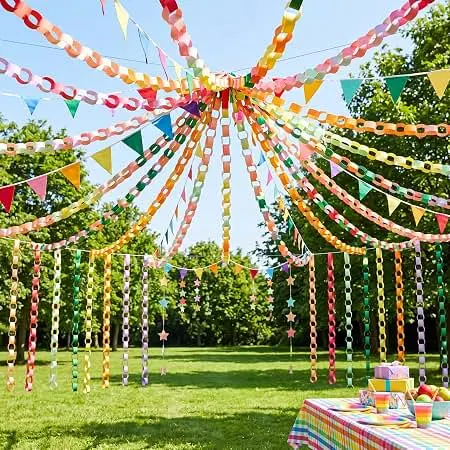
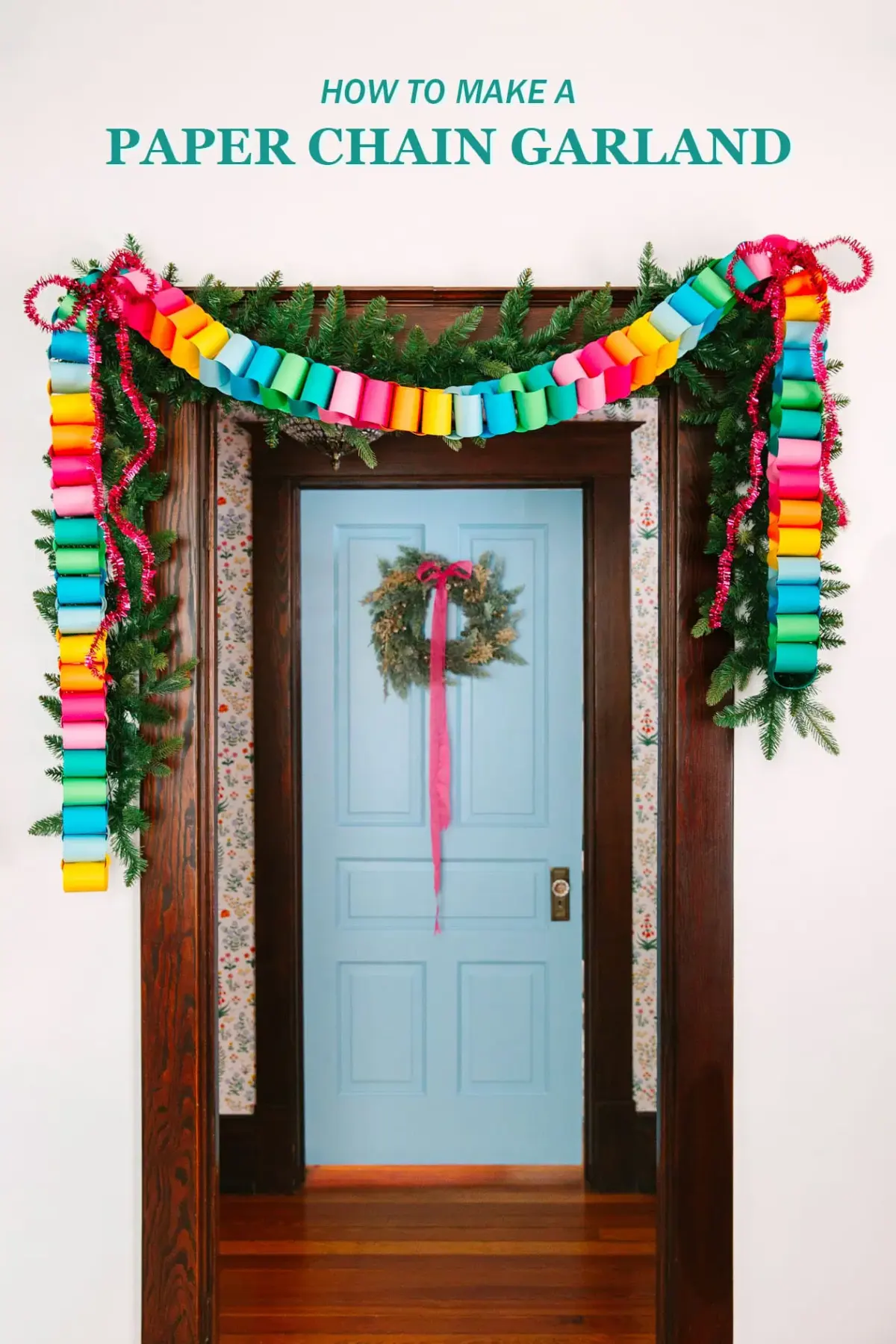
Paper chains have been a staple of holiday and event decorating for generations due to their simplicity and versatility. They are frequently used as countdown calendars, particularly during the month of December, where one link is removed each day to track the approach of a holiday. This visual representation of time passing makes them an excellent educational tool for children to learn about sequencing and patience. Because they are lightweight, they can be easily draped across ceilings, wrapped around banisters, or hung from doorways without damaging surfaces.
Beyond their functional use as countdowns, paper chains are a cost-effective way to fill large spaces with color. They are particularly popular for parties, school events, and community festivals because they can be customized to match specific color themes or school spirit colors. By alternating colors in a pattern, you can create a professional-looking display that appears much more complex than the simple materials used to construct it. When the event concludes, the chains are easily recyclable, making them an environmentally friendly choice for temporary party decor.
Key facts
- A standard paper chain link is typically created from a strip of paper measuring 1 inch by 8 inches.
- Use a glue stick or a small piece of transparent tape to secure the overlapping ends of each paper loop.
- Construction paper is the most durable choice, though printer paper or recycled magazines also work well.
- To create a multicolored chain, alternate the colors of your paper strips in a specific repeating pattern.
- Always overlap the ends of the paper by at least half an inch to ensure the bond is strong enough to hold.
- A chain of 50 links will typically span approximately 10 to 12 feet depending on the diameter of the loops.
The bottom line
Creating a paper chain is a simple, cost-effective craft that requires only paper, scissors, and adhesive. By cutting uniform strips and securing them into interlocking loops, you can produce a versatile decoration for any occasion. Whether you are creating a countdown calendar or festive holiday garland, consistent measurements and strong adhesive bonds remain the keys to building a durable, visually appealing chain that lasts throughout your event.
People also ask
How do I make the chain longer without it breaking?
Use a high-quality adhesive like a glue stick or double-sided tape rather than liquid glue, which can warp the paper. Ensure each link is fully dry or set before adding the next one to maintain structural integrity.
Can I use different types of paper for my chain?
Yes, you can use construction paper, cardstock, or even old newspapers. Keep in mind that heavy cardstock is harder to bend into a circle, while thin tissue paper may tear easily under its own weight.
What is the best way to hang a paper chain?
You can use small adhesive hooks, thumbtacks, or clear tape to secure the ends to a wall or ceiling. For longer chains, place a support in the middle to prevent the weight from pulling the ends down.
How can I make the links look more uniform?
Use a paper cutter or a ruler and pencil to mark your strips before cutting them with scissors. Consistent measurements ensure that every link has the same diameter and the chain hangs symmetrically.
Is there a way to make the chain more decorative?
You can decorate the paper strips with markers, glitter, or stickers before forming them into loops. You can also cut the edges of the strips with decorative craft scissors to create scalloped or zigzag patterns.
How do I store a paper chain for later use?
Gently collapse the chain by folding the links flat against each other in a stack. Store the folded chain in a cool, dry place to prevent the paper from becoming brittle or the adhesive from losing its grip.
This answer was created with the help of AI research tools and reference sources. Spotted an error? Let us know — we correct mistakes quickly. See our editorial policy.