How do you use a lightfast marker?
Short answer
Using a lightfast marker requires selecting high-quality, pigment-based inks designed to resist fading from ultraviolet exposure. Apply these markers to acid-free, archival-quality paper to ensure longevity. Store your finished artwork away from direct sunlight and use protective sprays or UV-filtering glass to maintain the vibrancy of your colors for decades.
On this page
How to choose the right lightfast markers
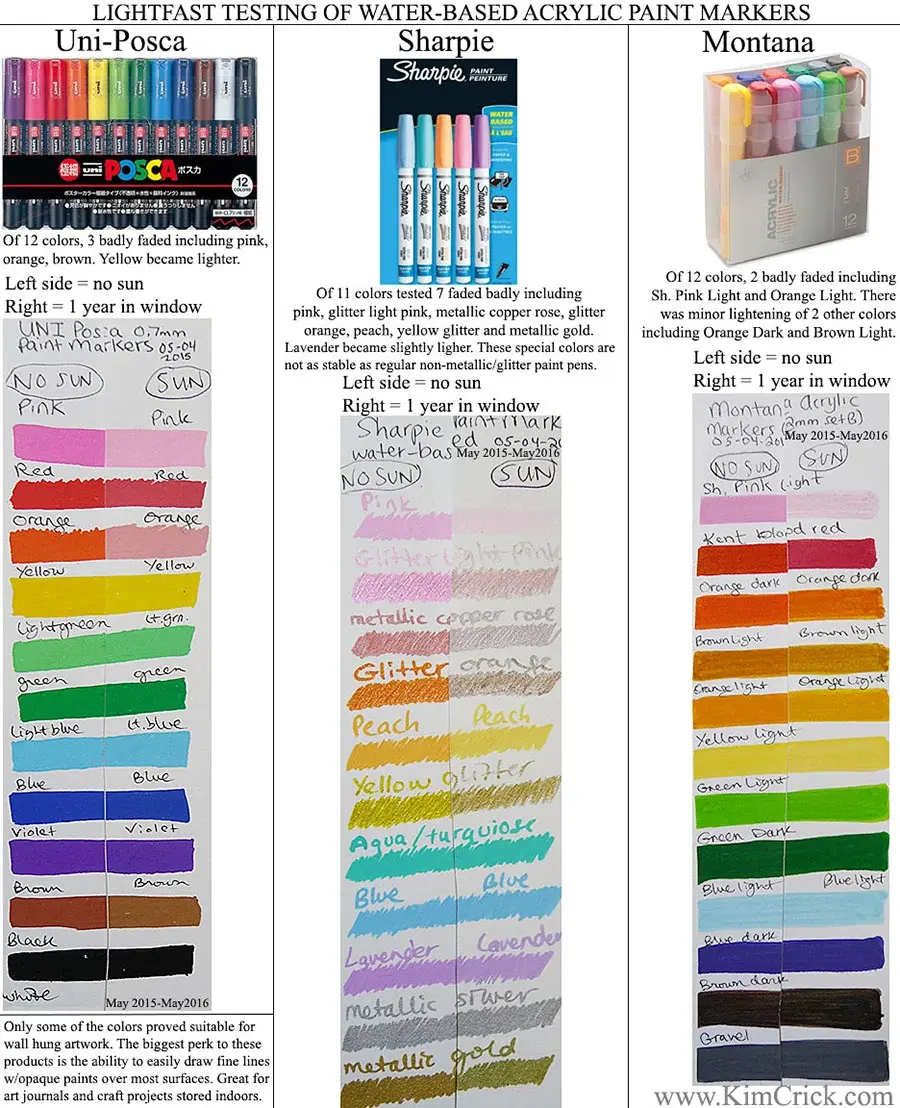
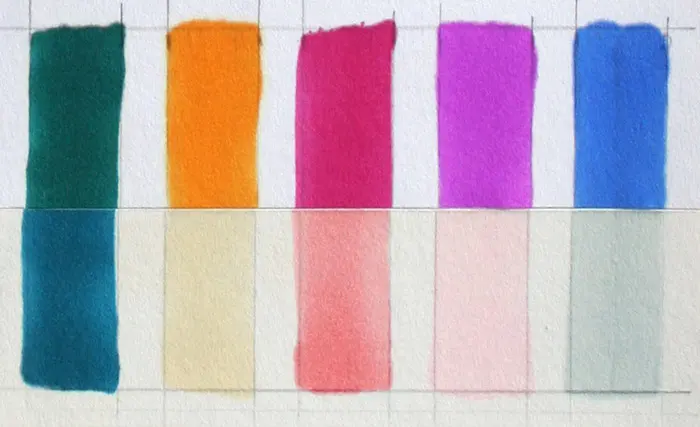
Lightfastness refers to a pigment's ability to resist fading when exposed to light over time. When selecting markers, look for the Blue Wool Scale or ASTM D4303 ratings on the packaging. A rating of I or II indicates excellent to very good lightfastness, meaning the colors will remain stable for 50 to 100 years. Avoid markers labeled as "dye-based," as these are typically fugitive and will fade rapidly when exposed to ambient room light or direct sun.
Professional artists often prefer pigment-based markers because they contain solid particles that sit on the surface of the paper rather than soaking into the fibers. Brands such as Copic, Winsor & Newton, and Molotow offer specific lines that prioritize archival stability. Before purchasing, verify the specific color chart provided by the manufacturer, as individual colors within a single brand may have different lightfastness ratings depending on the pigments used.
How to prepare your surface for markers
The substrate you choose is just as important as the marker itself. Standard printer paper or low-quality sketchbooks contain acids that can degrade ink pigments over time, causing yellowing or brittleness. Always opt for heavy-weight, acid-free, or archival-grade paper. Bristol board, hot-press watercolor paper, and specialized marker pads are excellent choices because they provide a smooth surface that prevents the ink from bleeding or feathering.
Follow these steps to ensure your surface is ready for application:
- Check the packaging to confirm the paper is acid-free and pH-neutral.
- Use a soft eraser to remove any graphite guidelines, as residual lead can smear under marker ink.
- Place a scrap sheet of paper underneath your working area to prevent ink from bleeding through to your desk or the next page.
- Ensure the surface is free of dust and oils, which can repel the ink and create uneven coverage.
How to apply ink for maximum longevity
When working with lightfast markers, your technique directly influences how well the pigment adheres to the page. Apply the ink in smooth, consistent strokes to ensure an even distribution of pigment particles. Avoid over-saturating the paper, as excessive ink can cause the fibers to break down and may lead to uneven fading patterns later. If you need to blend colors, do so while the ink is still wet to ensure the pigments integrate properly.
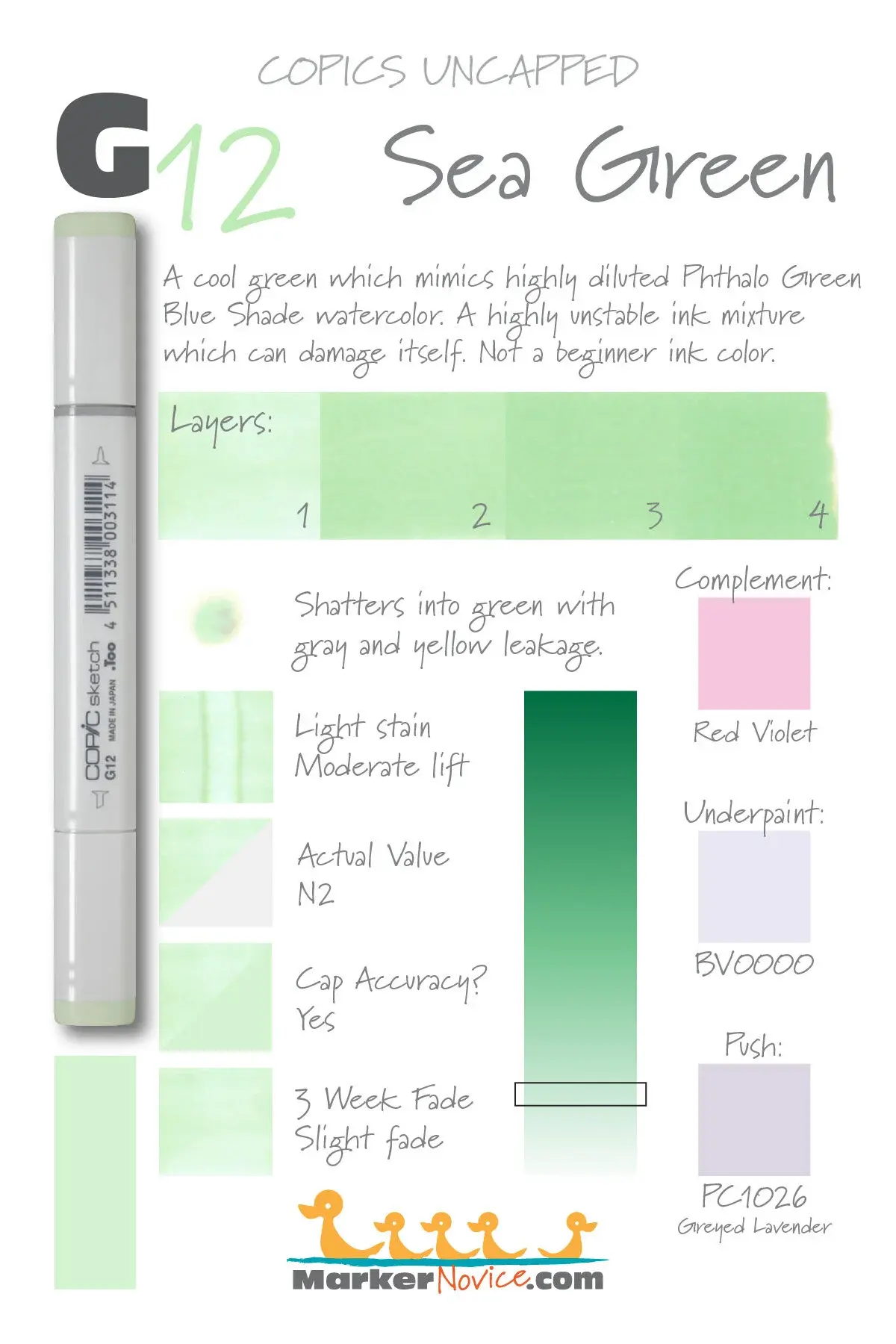
Layering is a common technique, but be mindful of the drying time between applications. If you apply a second layer too quickly, you risk lifting the first layer, which creates a patchy appearance. Once your artwork is complete, allow it to dry in a dust-free environment for at least 24 hours. This curing time allows the binding agents in the ink to fully set, which helps the pigment resist environmental stressors like humidity and temperature fluctuations.
Common mistakes when using markers
Many beginners make the mistake of leaving their markers uncapped or storing them in direct sunlight. Exposure to heat and UV radiation can alter the chemical composition of the ink, even before it reaches the paper. Always store your markers horizontally to ensure the ink stays evenly distributed across the nib, preventing one end from drying out. Furthermore, never leave your finished artwork in a sunny window or under harsh fluorescent lights without protection.
Avoid these frequent errors to preserve your work:
- Using cheap, non-archival paper that causes the ink to fade prematurely.
- Mixing dye-based markers with pigment-based markers, which can lead to unpredictable chemical reactions.
- Applying ink too heavily, which results in "bleeding" and weakens the structural integrity of the paper.
- Failing to use a fixative spray, which provides an extra layer of defense against atmospheric pollutants.
How to protect finished marker art
Preservation is the final step in the artistic process. Once your piece is dry, consider applying a UV-resistant fixative spray. These sprays contain chemical stabilizers that act as a barrier against light damage and moisture. When applying fixative, work in a well-ventilated area and hold the can at least 12 inches away from the artwork to ensure a fine, even mist. Do not soak the paper, as this can cause the ink to run or bleed.
For long-term display, framing is the most effective solution. Use archival-quality matting to keep the artwork from touching the glass directly, which prevents moisture buildup and sticking. Most importantly, choose UV-filtering glass or acrylic, often sold as "museum glass." This specialized material blocks up to 99 percent of harmful UV rays, effectively stopping the fading process. By combining high-quality lightfast markers with proper paper and protective framing, you ensure your creative efforts remain vibrant for future generations to enjoy.
Key facts
- Lightfastness refers to a pigment's ability to resist fading when exposed to ultraviolet light over time.
- Always check the label for an ASTM (American Society for Testing and Materials) rating of I or II for maximum longevity.
- Store your markers horizontally to ensure the ink remains evenly distributed and the nibs do not dry out.
- Use acid-free, archival-quality paper to prevent the substrate from yellowing and degrading your artwork.
- Keep finished drawings away from direct sunlight and consider framing them behind UV-protective glass.
- Test your markers on a scrap piece of the same paper you intend to use to check for bleed-through and color accuracy.
The bottom line
Using lightfast markers effectively requires choosing high-quality, pigment-based tools rated ASTM I or II and pairing them with archival surfaces. By storing your markers horizontally and protecting finished pieces from direct sunlight and UV exposure, you ensure your artwork remains vibrant for years. Consistent practice with these professional-grade supplies prevents the common disappointment of seeing your creative efforts disappear due to environmental degradation over time.
People also ask
How can I tell if a marker is lightfast?
Look for a rating on the barrel or packaging, typically labeled as "Lightfastness" or "ASTM D4302." Ratings range from I (excellent) to V (very poor), with I and II being the industry standards for professional-grade art supplies.
Do lightfast markers work on all surfaces?
While they can mark many materials, they perform best on paper specifically designed for markers or ink. Porous surfaces like raw wood or cheap construction paper may cause the ink to feather or fade prematurely regardless of the pigment's quality.
Can I mix lightfast markers with non-lightfast ones?
You can combine them, but the non-lightfast colors will fade or shift in hue while the lightfast ones remain stable. This creates an uneven, unbalanced appearance in your artwork as it ages.
Does the color of the ink affect its lightfastness?
Yes, certain pigments are inherently more stable than others. For example, earth tones like ochre and iron oxides are often more lightfast than bright, synthetic fluorescent or neon pigments.
Should I seal my marker drawings with a spray fixative?
A UV-resistant archival spray can provide an extra layer of protection against light and environmental pollutants. Ensure the spray is compatible with marker ink to prevent smearing or chemical reactions that could damage the paper.
Why do my markers seem to fade even when kept in a portfolio?
Fading can be caused by chemical reactions with acidic paper or high humidity levels. Always use archival-grade materials and keep your portfolio in a cool, dry, and dark environment to maintain the integrity of your work.
This answer was created with the help of AI research tools and reference sources. Spotted an error? Let us know — we correct mistakes quickly. See our editorial policy.