How do you protect a watercolor painting?
Short answer
Protecting a watercolor painting requires shielding it from moisture, ultraviolet light, and physical abrasion. Because watercolor paper is porous and the pigment lacks a binding agent, you must frame the work behind glass using an acid-free mat. This creates a protective barrier that prevents the artwork from touching the glass surface.
On this page
How to frame watercolor paintings properly
Framing is the most effective way to preserve watercolor art because it creates a sealed environment. You should always use a mat, which is a thick piece of archival-quality board that separates the painting from the glass. Without a mat, the painting can stick to the glass due to humidity, leading to mold growth or permanent damage to the paper fibers. Ensure the frame itself is sturdy and the backing board is acid-free to prevent yellowing over time.
When selecting materials, prioritize archival-grade supplies to ensure longevity. Avoid standard cardboard backings, as these contain acids that will migrate into the paper and cause "foxing," which appears as brown spots. Use the following checklist for professional-grade framing:
- Acid-free, lignin-free mat board.
- UV-protective glass or acrylic glazing.
- Archival-quality mounting tape or hinges.
- A dust cover sealed on the back of the frame.
How to choose the right glazing for watercolors
Glazing is the transparent layer that covers the painting within the frame. Standard glass is acceptable, but it offers no protection against ultraviolet rays, which cause pigments to fade significantly over years of exposure. If you intend to display the painting in a bright room, invest in museum-grade glass or UV-filtering acrylic. These materials block up to 99 percent of harmful light, keeping the colors vibrant for decades.
Acrylic is often preferred for larger pieces because it is lighter and shatter-resistant compared to traditional glass. However, acrylic can build up a static charge, which might attract loose particles from the paper. When using acrylic, ensure it is specifically designed for art conservation to avoid chemical off-gassing that could damage the paint. Always clean the glazing with a soft, microfiber cloth and avoid harsh household ammonia-based cleaners, which can seep into the frame and ruin the artwork.
How to store watercolor paintings safely
If you are not framing your work immediately, proper storage is essential to prevent environmental damage. Keep your paintings in a flat, horizontal position within an acid-free portfolio or a solander box. Stacking paintings directly on top of one another can cause pigments to transfer or paper surfaces to abrade. Place a sheet of glassine paper between each painting to act as a non-stick, archival buffer that protects the delicate surface texture.
Maintain a stable environment for your stored artwork to prevent the paper from warping or becoming brittle. Follow these guidelines for optimal storage conditions:
- Keep the storage area in a climate-controlled room with a humidity level between 40 and 50 percent.
- Avoid basements or attics, where extreme temperature fluctuations and moisture are common.
- Keep the portfolio away from direct sunlight, heating vents, and damp walls.
- Inspect the contents annually to ensure no silverfish or other pests have compromised the materials.
Common mistakes when protecting watercolors
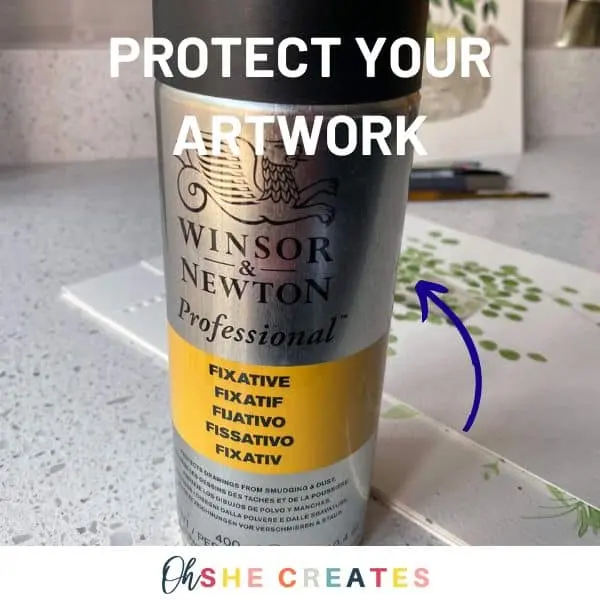
One of the most frequent errors is applying a spray fixative directly to the painting. Unlike oil or acrylic paints, watercolors are water-soluble; spraying them can cause the pigments to bleed or shift, ruining the intended composition. Furthermore, most fixatives alter the matte finish of the paper, creating an uneven sheen that looks unnatural. Professional conservators generally advise against using any liquid coating or spray on a finished watercolor painting.
Another mistake is using pressure-sensitive adhesive tape to mount the painting to the backing board. Many standard tapes contain rubber-based adhesives that turn yellow and brittle within a few years, leaving permanent stains on the paper. Only use water-activated linen hinges or Japanese paper hinges with wheat starch paste. These materials are reversible, meaning a conservator can safely remove them in the future without damaging the original paper fibers or the integrity of the artwork.
Why humidity damages watercolor art
Watercolor paper is highly hygroscopic, meaning it absorbs and releases moisture from the surrounding air. High humidity levels encourage the growth of mold and mildew, which can destroy the paper structure and create irreversible staining. Conversely, extremely dry air causes the paper to become brittle and prone to cracking. A consistent environment is the best defense against these physical changes, which can warp the paper and cause the pigments to flake off.
To monitor your environment, consider placing a small digital hygrometer near the displayed artwork. If you live in a particularly humid climate, use a dehumidifier in the room where the art is displayed. If the painting does show signs of rippling, do not attempt to flatten it yourself by ironing or wetting the back. Professional paper conservators have specialized equipment to humidify and flatten artwork safely without compromising the delicate paint layers or the structural integrity of the paper fibers.
Key facts
- Watercolor paintings are highly sensitive to moisture and must never be stored in damp environments like basements or bathrooms.
- Use only acid-free, archival-quality mat boards and backing boards to prevent the paper from yellowing or deteriorating over time.
- Always frame watercolor paintings behind UV-protective glass or acrylic to prevent pigments from fading due to sunlight exposure.
- Keep a small spacer between the painting and the glass to prevent the artwork from sticking to the surface due to humidity.
- Avoid using spray fixatives on watercolors, as they can alter the texture of the paper and permanently change the appearance of the pigments.
- Hang finished works away from direct sunlight and heat sources like radiators, which can make the paper brittle and cause colors to shift.
The bottom line
Protecting a watercolor painting requires a focus on archival preservation and environmental control. By utilizing acid-free materials, ensuring proper ventilation through spacers, and shielding the work from direct UV light, you can maintain the vibrancy of the pigments for decades. Avoid chemical sprays and humid environments, as these are the primary threats to the structural integrity and aesthetic beauty of your completed watercolor artwork.
People also ask
Can I use glass directly against the watercolor paper?
No, you should never place glass directly against the painting. Moisture can cause the paper to adhere to the glass, leading to permanent damage or mold growth, so always use a mat or spacer.
How do I clean the glass of a framed watercolor?
Use a soft, lint-free cloth lightly dampened with a glass cleaner. Spray the cleaner onto the cloth rather than the glass to ensure no liquid seeps into the frame and damages the artwork.
Is it necessary to frame watercolors under museum glass?
While not strictly mandatory, museum-grade glass is highly recommended. It offers superior UV protection and anti-reflective properties that significantly extend the lifespan and clarity of your painting.
Should I seal my watercolor painting with a varnish?
Traditional watercolors should generally not be varnished. Varnishes are designed for oil or acrylic paintings and can permanently ruin the delicate, matte finish and water-solubility of watercolor pigments.
How do I store unframed watercolor paintings?
Store them flat in acid-free archival folders or boxes. Keep these containers in a cool, dry, and dark place to prevent light damage and paper degradation.
Can I display my watercolor in a kitchen?
It is not recommended. Kitchens have high levels of humidity, grease, and temperature fluctuations, all of which can cause the paper to warp, the pigments to fade, or mold to develop.
This answer was created with the help of AI research tools and reference sources. Spotted an error? Let us know — we correct mistakes quickly. See our editorial policy.