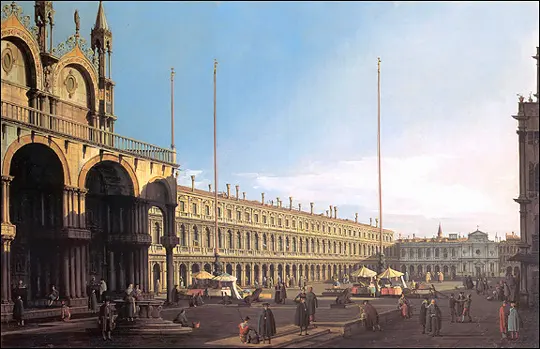
What is the Venice Biennale?
Short answer
The Venice Biennale is one of the world’s most prestigious international art exhibitions, held biennially in Venice, Italy. Founded in 1895, it serves as a global platform for contemporary art, architecture, and performance. The event is organized into national pavilions and a central curated exhibition, attracting hundreds of thousands of visitors annually.
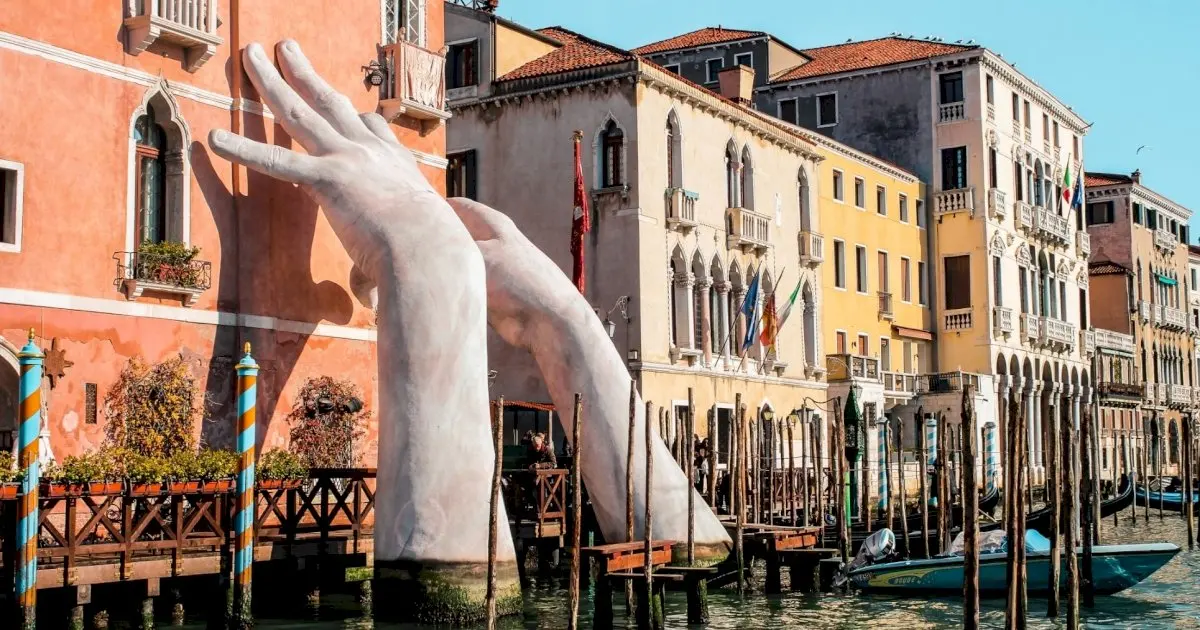
On this page
What is the history of the Venice Biennale?
The Venice Biennale, or La Biennale di Venezia, originated in 1895 as an exhibition of Italian art intended to boost the city's tourism and cultural profile. It was established by the Venice City Council and quickly expanded into an international affair, with the first foreign pavilion—Belgium—opening in 1907. Over the decades, it has grown into a massive multi-disciplinary event that dictates the pulse of the global art market.
Today, the Biennale is structured around two primary sites: the Giardini, a large park containing permanent national pavilions, and the Arsenale, a historic shipyard complex. While the main art exhibition alternates with the Architecture Biennale, the organization also oversees festivals dedicated to cinema, dance, music, and theater. It remains the oldest and most influential event of its kind, often referred to as the "Olympics of the Art World."
How to visit the Venice Biennale
Visiting the Biennale requires significant planning because the venues are spread across different parts of Venice. The exhibition is generally open from late April through November, with the most comfortable weather occurring in May or October. You should purchase a multi-day pass, as seeing both the Giardini and the Arsenale in a single day is physically exhausting and rarely allows for a meaningful viewing experience.
To make the most of your trip, follow these logistical steps:
- Purchase your tickets online in advance to avoid long queues at the entrances.
- Wear comfortable walking shoes, as you will likely cover several miles on foot each day.
- Utilize the public water bus (vaporetto) system to travel between the main sites and the various collateral events scattered throughout the city.
- Bring a portable charger for your phone, as you will need it for digital maps and information guides.
Why the national pavilions matter
The national pavilions are the defining feature of the Venice Biennale. Each participating country is invited to curate an exhibition that represents its contemporary art scene, often reflecting political, social, or historical themes. These pavilions are housed in permanent structures within the Giardini or in rented palazzos throughout the historic center of Venice, creating a unique diplomatic and cultural atmosphere.
The selection process for these exhibitions is rigorous and often highly competitive. Countries choose artists based on their ability to engage with current global discourse, ranging from environmental crises to identity politics. Winning the Golden Lion, the Biennale's top prize, can elevate an artist's career to international stardom overnight. This structure turns the event into a microcosm of global relations, where art serves as a primary tool for soft power and cultural diplomacy.
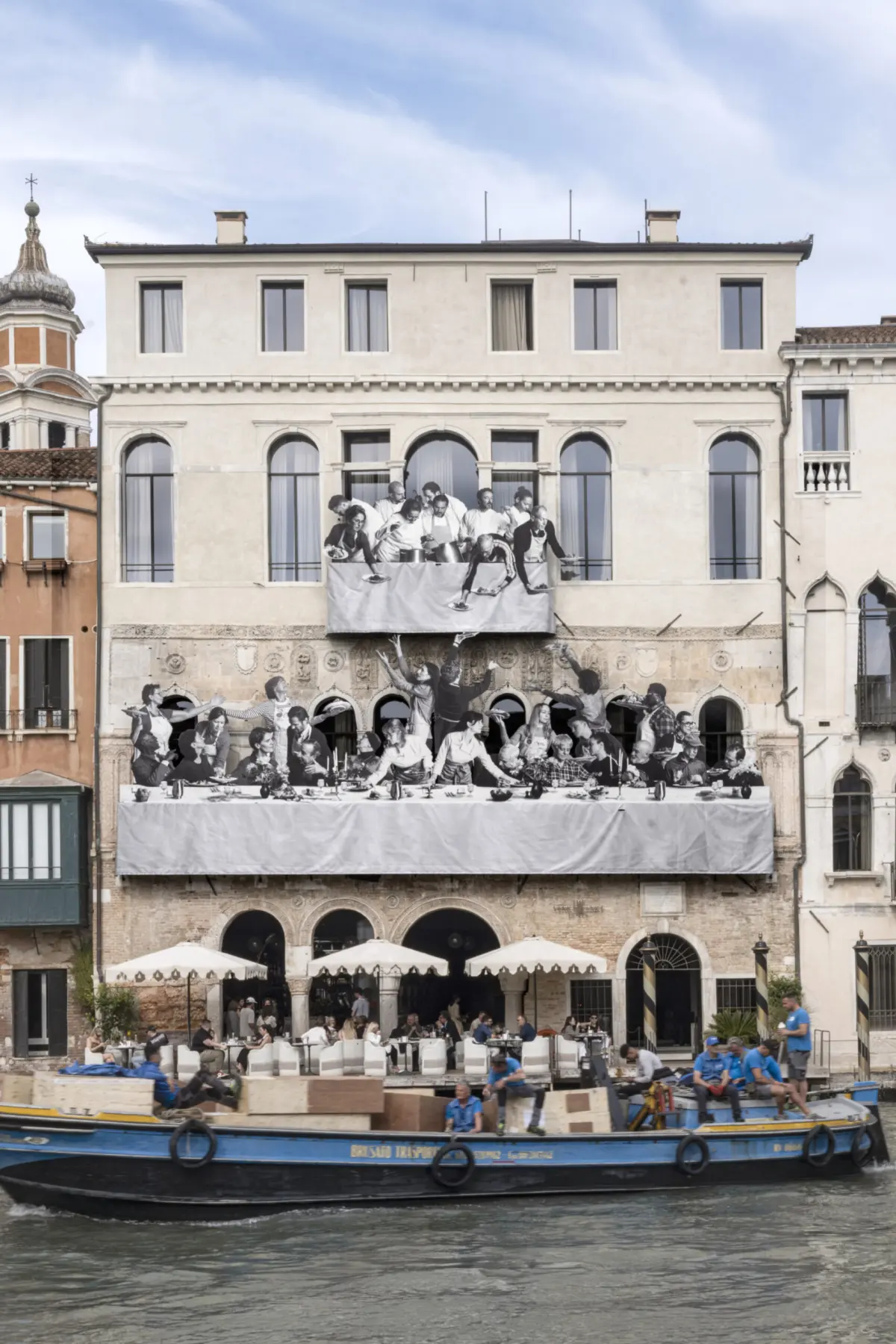
Common mistakes when visiting the Biennale
Many visitors underestimate the sheer scale of the exhibition and end up feeling overwhelmed. A common mistake is trying to see every single pavilion and collateral event in a short timeframe. Because the Biennale features hundreds of artists and dozens of national entries, attempting to rush through the galleries usually results in "museum fatigue," where the quality of the art becomes a blur.
Avoid these common pitfalls to ensure a better experience:
- Skipping the collateral events: Many of the most innovative exhibitions are hosted in churches or private palaces outside the main ticketed areas.
- Ignoring the opening hours: The Giardini and Arsenale are closed on Mondays, which catches many tourists off guard.
- Overlooking the weather: Venice can be extremely humid in the summer; plan your indoor and outdoor viewing accordingly to stay cool.
- Neglecting to book accommodation early: Venice prices skyrocket during the opening weeks and major symposiums, so secure your stay months in advance.
Best tips for art lovers and beginners
If you are new to contemporary art, the Venice Biennale can seem intimidating or overly academic. The best approach is to focus on a few pavilions that genuinely interest you rather than trying to see everything. Read the provided exhibition brochures or download the official app to understand the context behind the installations, as contemporary art often relies on specific cultural or historical narratives that might not be immediately obvious to the casual observer.
Engage with the environment by taking breaks at the local cafes located within the Giardini. These spaces are ideal for reflecting on what you have seen and discussing the works with other visitors. Remember that the Biennale is not just about the art on the walls; it is about the experience of navigating one of the most unique cities in the world. By pacing yourself and staying curious, you will find that the Biennale offers a profound look at the state of our modern world through the eyes of its most creative minds.
Key facts
- The Venice Biennale is one of the world's oldest and most prestigious international art exhibitions, founded in 1895.
- It takes place biennially, meaning every two years, typically running from late spring through late autumn.
- The event is split between two main locations: the Giardini, which houses permanent national pavilions, and the Arsenale, a historic shipyard.
- Over 80 countries participate, each curating their own national pavilion to showcase contemporary artists.
- Visitors should purchase tickets online in advance to avoid long queues and consider buying a multi-day pass to cover the vast exhibition grounds.
- Wear comfortable walking shoes, as the event spans several miles and requires significant physical activity to see the major installations.
The bottom line
The Venice Biennale serves as the premier global stage for contemporary art, blending historic architecture with cutting-edge creative expression. By visiting both the permanent national pavilions in the Giardini and the expansive industrial halls of the Arsenale, attendees gain a comprehensive view of the current international art landscape. Proper planning regarding footwear, multi-day scheduling, and advance ticket procurement is essential for a successful and enjoyable experience.
People also ask
How do I get to the Venice Biennale venues?
The main venues are accessible via the Vaporetto water bus system, specifically lines 1, 4.1, 4.2, 5.1, and 5.2. Get off at the "Giardini" or "Arsenale" stops, which are clearly marked and well-connected from the main train station.
Is there a dress code for the exhibition?
There is no official dress code, but the environment is professional and arts-focused. Most visitors opt for casual, comfortable clothing suitable for walking outdoors and standing in galleries for extended periods.
Can I visit the entire Biennale in one day?
While it is technically possible to rush through, it is highly discouraged. The exhibition is massive, and most experts recommend at least two full days to properly experience the national pavilions and the main curated show.
Are the exhibitions free to the public?
No, the Venice Biennale is a ticketed event. You must purchase a standard entry ticket, which provides access to both the Giardini and the Arsenale, though some independent collateral events held elsewhere in the city may be free.
What is the difference between the Giardini and the Arsenale?
The Giardini is a park containing permanent, architecturally distinct pavilions owned by individual nations. The Arsenale is a vast, industrial space used for the central international exhibition curated by the Biennale’s artistic director.
What is the best time of year to attend?
The Biennale runs from May to November. Early months like June are popular for the opening festivities, while late September or October often offer more temperate weather and fewer crowds than the peak summer months.
This answer was created with the help of AI research tools and reference sources. Spotted an error? Let us know — we correct mistakes quickly. See our editorial policy.