What is a biennale?
Short answer
A biennale is a large-scale international art exhibition held every two years. Derived from the Italian word for "biennial," these events showcase contemporary works across various media, often spread throughout a host city. They serve as major platforms for cultural exchange, artistic innovation, and global networking within the professional art world.
On this page
What is the history of the biennale?
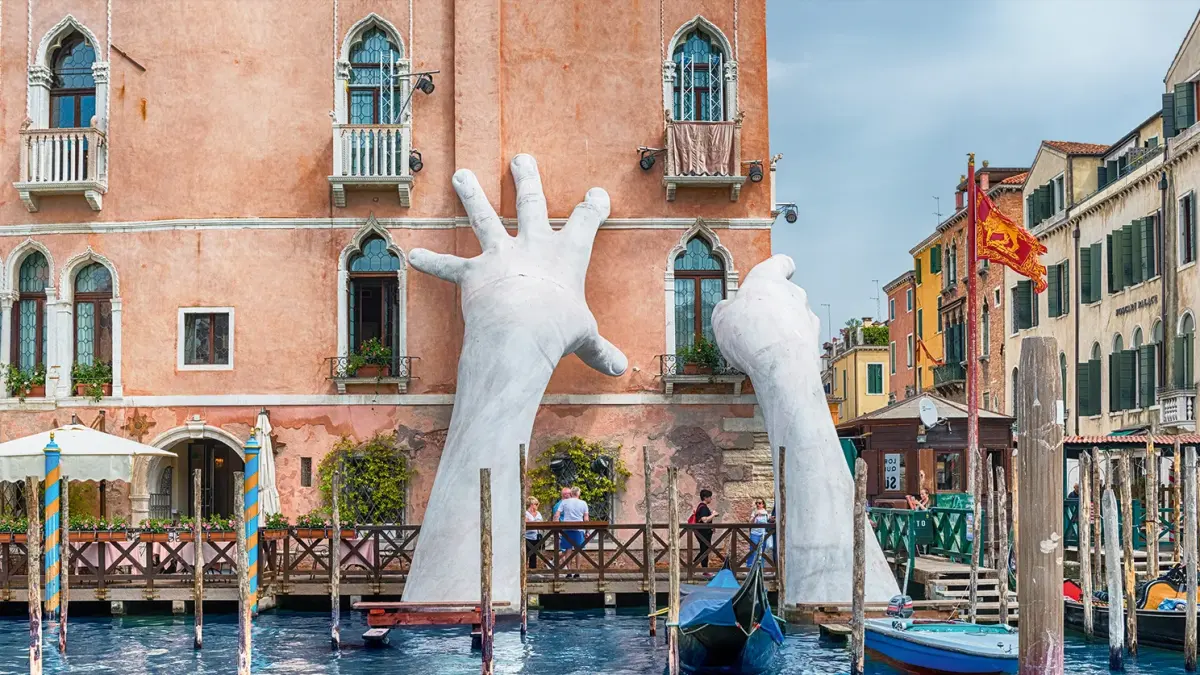
The concept of the biennale originated in 1895 with the founding of the Venice Biennale. Initially designed to boost the local economy and promote tourism through an international art display, it established the model of national pavilions. Countries were invited to curate their own spaces, creating a competitive yet collaborative atmosphere that defined the "Olympic" style of art exhibition.
Over the last century, the format expanded globally as cities sought to establish themselves as cultural hubs. Today, there are hundreds of biennales worldwide, ranging from major events like the Whitney Biennial in New York to regional showcases in cities like Gwangju, Istanbul, and São Paulo. These events have evolved from traditional gallery-style displays into complex, city-wide interventions that often incorporate performance art, digital installations, and public workshops.
How does a biennale work?
Most biennales operate under the guidance of an artistic director or a team of curators who choose a specific theme for each edition. This theme provides a conceptual framework for the selected artists to explore, ensuring the exhibition feels cohesive despite the diverse range of works on display. The process involves extensive research, studio visits, and coordination with local governments and private sponsors.
The logistical structure typically follows a set sequence of planning and execution:
- The appointment of a curator or artistic director 18 to 24 months in advance.
- The selection of participating artists and site-specific commission projects.
- The transformation of public spaces, warehouses, or historic buildings into galleries.
- A multi-day "preview" period for media, collectors, and art professionals.
- A public opening that lasts for several months, often including lectures and tours.
Best way to experience a biennale
For a visitor, a biennale can be overwhelming due to the sheer volume of work. To maximize your experience, focus on quality rather than quantity. It is rarely possible to see every single installation in a large-scale event, so prioritize the venues or themes that align most closely with your personal interests. Checking the official website for a map and a list of "must-see" highlights before you arrive is an essential strategy.
To make the most of your visit, follow these steps:
- Download the official app or digital guide to track exhibition hours and locations.
- Wear comfortable walking shoes, as many biennales are spread across different districts.
- Book tickets in advance to avoid long queues, especially during the opening week.
- Allow for "slow looking" time at each site to engage with the art rather than rushing.
- Check the calendar for special events, such as artist talks or live performances.
Why do cities host biennales?
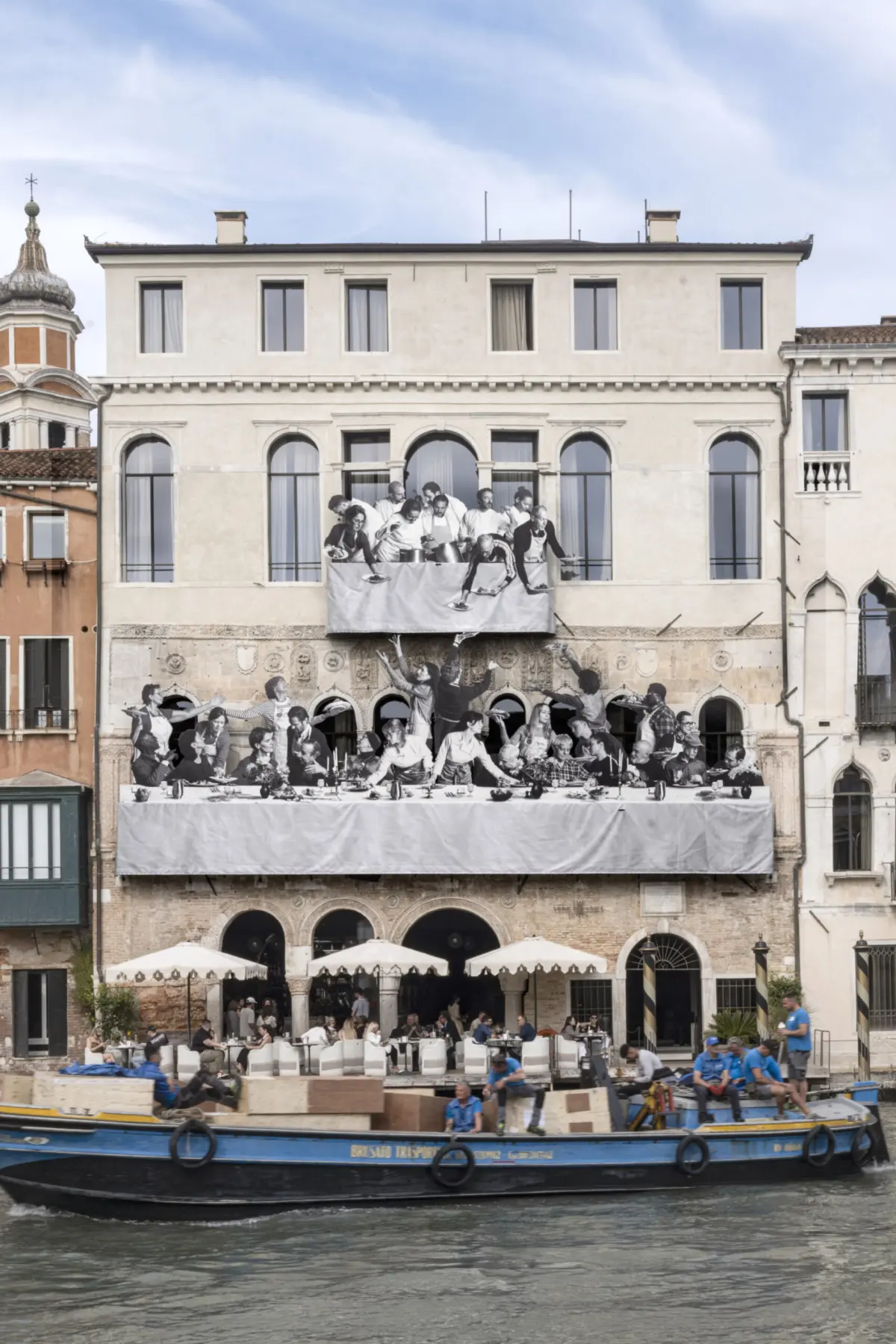
Cities host biennales primarily for "cultural branding." By inviting international artists and critics, a city signals its commitment to contemporary discourse and global connectivity. This often leads to increased tourism and urban revitalization, as event organizers frequently choose underutilized industrial areas for exhibitions, effectively sparking new interest in neglected neighborhoods.
Beyond economics, these events foster local artistic development. Local artists often gain exposure by participating in collateral events or working alongside international peers. The presence of a major biennale can also lead to the establishment of permanent museums or galleries, leaving a lasting impact on the city’s educational and cultural infrastructure long after the exhibition closes.
Common mistakes when visiting a biennale
One of the most frequent errors is attempting to see the entire exhibition in a single day. Because biennales often span multiple kilometers and involve complex, time-based media like video installations, trying to rush will lead to fatigue and a lack of meaningful engagement. It is far better to dedicate two or three days to a large biennale to allow for breaks and reflection.
Another common mistake is ignoring the context of the works. Many biennale pieces are site-specific, meaning they were created for a particular room or outdoor space. If you skip the provided wall texts or audio guides, you may miss the significance of why a piece is located where it is. Finally, avoid visiting only the main venues; the most exciting and experimental work is often found in the smaller, independent "off-site" projects that occur simultaneously throughout the city. By planning your route carefully and remaining open to spontaneous discoveries, you will ensure a rewarding experience.
Key facts
- A biennale is an international art exhibition held every two years, derived from the Italian word for "biennial."
- The Venice Biennale, founded in 1895, is the oldest and most prestigious event of its kind in the world.
- Most biennales feature national pavilions where individual countries curate their own exhibitions to represent their contemporary art scenes.
- These events typically last for several months, often running from spring through late autumn to accommodate high tourist volume.
- Beyond visual art, many cities now host biennales dedicated to specific fields like architecture, film, photography, or urban design.
- When attending, prioritize comfortable footwear and plan your route in advance, as major exhibitions often span multiple venues across a city.
The bottom line
A biennale is a major international exhibition occurring every two years, serving as a vital platform for contemporary art and cultural dialogue. By gathering diverse works from around the globe, these events allow artists to address pressing global issues through creative expression. Whether you are a professional or an enthusiast, attending a biennale offers an unparalleled window into the current state of the global art world.
People also ask
How does a biennale differ from an art fair?
An art fair is primarily a commercial marketplace where galleries sell works to collectors. In contrast, a biennale is a non-commercial, curated exhibition focused on showcasing contemporary themes and artistic research.
Who is responsible for selecting the art in a biennale?
A central artistic director or a team of curators is appointed to establish a theme for the exhibition. They then select the participating artists and projects that best align with their conceptual vision.
Are biennales only for professional artists and critics?
While they serve as professional hubs for the art world, most biennales are open to the general public. They provide a unique opportunity for casual visitors to experience global contemporary art in one location.
Do I need to buy tickets in advance?
It is highly recommended to purchase tickets online before you arrive. Popular biennales can sell out during peak weekends, and advance tickets often offer discounts or faster entry.
What is a common mistake when visiting a biennale?
A major mistake is trying to see everything in a single day. These events are often geographically spread out, so it is better to focus on a few key venues to avoid exhaustion.
Are all biennales held in Italy?
No, while the Venice Biennale is the most famous, the format has been adopted globally. Major cities like São Paulo, Sydney, Istanbul, and Whitney in New York host their own distinct biennales.
This answer was created with the help of AI research tools and reference sources. Spotted an error? Let us know — we correct mistakes quickly. See our editorial policy.