How do you make watercolor gradients?
Short answer
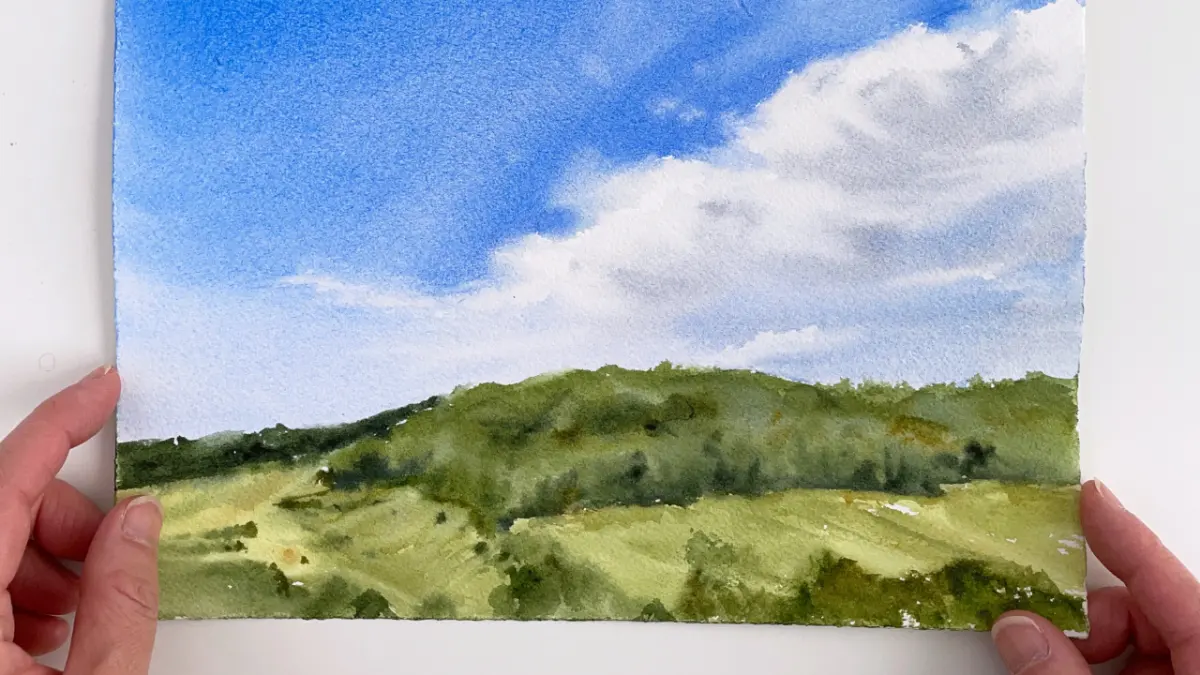
Watercolor gradients are created by transitioning from a concentrated pigment to a lighter wash or a different color. This is achieved through the "wet-on-wet" technique, where you apply paint to a dampened surface, or the "graded wash" method, which involves diluting the paint mixture with clean water as you progress across the paper.
On this page
How to create a smooth watercolor gradient
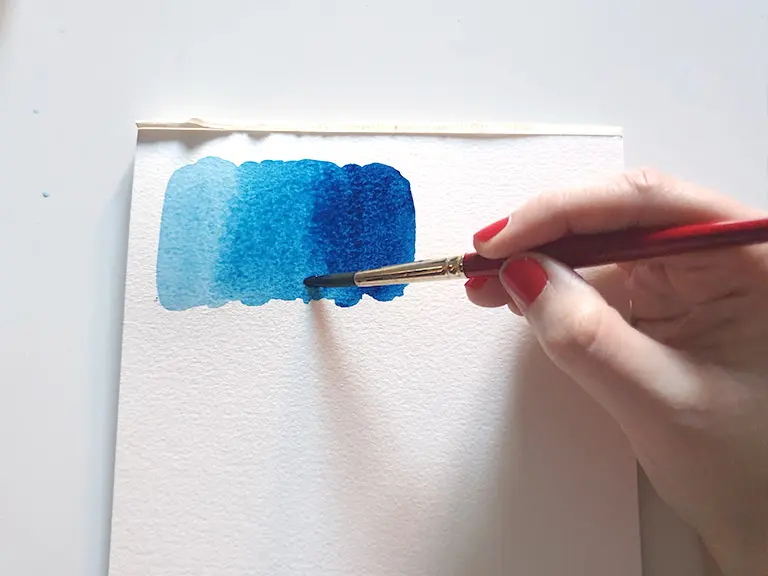
A smooth gradient requires a consistent flow of pigment across the paper surface. To begin, mix a generous amount of your chosen paint on your palette, ensuring you have enough to cover the entire intended area. Tilt your drawing board slightly to encourage the paint to pool at the bottom edge of your brushstroke, which helps maintain a uniform bead of moisture.
- Load your brush with a saturated pigment mixture and apply a horizontal stroke across the top of your paper.
- Dip your brush into clean water to slightly dilute the remaining pigment on the brush.
- Apply the next stroke just below the first, allowing the two bands of color to bleed into one another.
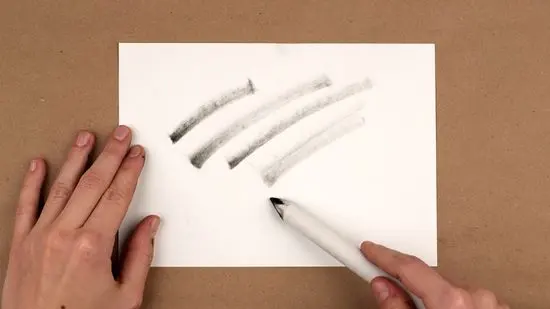
- Repeat this process, adding more water to your brush with each subsequent stroke until the color fades into a transparent wash.
This technique, often called a graded wash, relies on the gravity-fed movement of water to blend the edges seamlessly. By keeping the paper at a slight angle, you ensure that the "bead" of paint remains active, preventing harsh lines from drying prematurely.
Best watercolor paper for gradients
The quality of your paper significantly impacts how gradients behave during the drying process. For optimal results, use 100% cotton cold-press or hot-press watercolor paper with a weight of at least 140lb (300gsm). Cotton fibers absorb water more evenly than wood-pulp alternatives, allowing the pigment to settle into the paper grain without creating blotchy, uneven patches.
- Cold-press paper: Features a slight texture that helps hold water and pigment, making it ideal for beginners.
- Hot-press paper: Offers a smooth surface that allows for very fine, controlled gradients and intricate detail work.
- Heavyweight paper: Prevents the buckling and warping that often occurs when applying large amounts of water to the surface.
If the paper is too thin, it will ripple under the moisture, causing the paint to collect in the valleys of the paper rather than spreading smoothly. Always stretch your paper if you plan to use large, wet washes to ensure the surface remains flat throughout the painting process.
Why watercolor gradients dry unevenly
Uneven drying, often referred to as "backruns" or "cauliflowers," happens when new water is introduced to an area that has already begun to set. If you touch a partially dry section with a wet brush, the water will push the existing pigment outward, creating jagged, unsightly edges. This occurs because the paper’s moisture content is no longer uniform, causing the paint to migrate toward the wetter areas.
To avoid this, you must work quickly and maintain a consistent "wet edge" across the entire shape. If you notice a section drying too fast, avoid the temptation to dab at it with a brush. Instead, work in a climate-controlled environment away from direct fans or heaters, which can accelerate drying times inconsistently. If you are working on a very large area, consider using a high-quality synthetic or natural hair mop brush, which holds a larger volume of water and allows for faster, more continuous strokes.
Common mistakes when blending colors
One frequent error is failing to mix enough paint before starting the gradient. Many beginners run out of pigment halfway through the process, forcing them to stop and mix more, which almost always results in a visible line where the new paint meets the old. Always mix more paint than you think you will need for the entire surface area.
- Using a brush that is too small for the paper size, making it impossible to maintain a continuous wet edge.
- Overworking the paint by brushing back and forth, which can damage the paper surface and create muddy, dull colors.
- Using water that is already tinted with previous colors, which will contaminate your gradient and reduce the vibrancy of your chosen hue.
- Ignoring the drying time, which leads to hard edges that cannot be softened once the paper has lost its initial sheen.
By preparing your materials thoroughly and focusing on the rhythm of your brushstrokes, you can avoid these common pitfalls and achieve professional-grade results.
How to fix mistakes in a gradient
If you find that your gradient has dried with harsh lines or uneven spots, you can often "lift" the excess pigment while the paper is still damp. Gently dab the area with a clean, slightly damp brush or a paper towel to absorb the extra moisture and color. If the paint has already dried completely, you may be able to soften the edges by lightly brushing clean water over the line and gently blotting it away, though this is rarely as effective as getting the gradient right on the first attempt.
For more advanced corrections, some artists use a technique called "glazing," where they apply a very thin, transparent layer of paint over the dried gradient to unify the colors. This adds depth and can help mask minor inconsistencies in the initial wash. However, remember that watercolor is transparent; you cannot easily lighten a dark mistake once it has dried. Practice is essential, as mastering the timing of the paper's absorption rate is the true secret to creating beautiful, professional watercolor gradients that flow effortlessly from one tone to the next.
Key facts
- A wash is a layer of thinned paint applied to paper to create a smooth, transparent field of color.
- Gravity is your primary tool; tilting your paper allows the pigment to flow downward and blend naturally.
- Always keep a "bead" of wet paint at the bottom edge of your stroke to ensure a seamless transition into the next layer.
- Use high-quality, cold-press watercolor paper, as its textured surface helps trap pigments and prevents unwanted pooling.
- Synthetic or natural hair round brushes with a sharp point are best for controlling the amount of water released onto the page.
- Work quickly while the paper is still damp to prevent "hard edges" or streaks from forming as the paint dries.
The bottom line
Creating successful watercolor gradients requires mastering the balance between pigment concentration and paper moisture. By maintaining a consistent wet edge and utilizing gravity to guide your paint, you can achieve smooth, professional transitions. Practice patience, work with high-quality materials, and learn to anticipate how water behaves on the surface. With consistent application, you will develop the control necessary to produce beautiful, luminous washes in your artwork.
People also ask
What is a variegated wash?
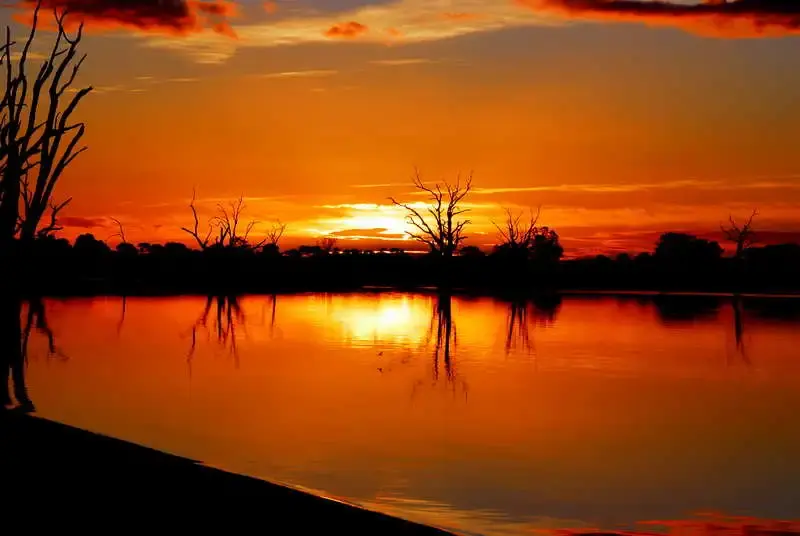
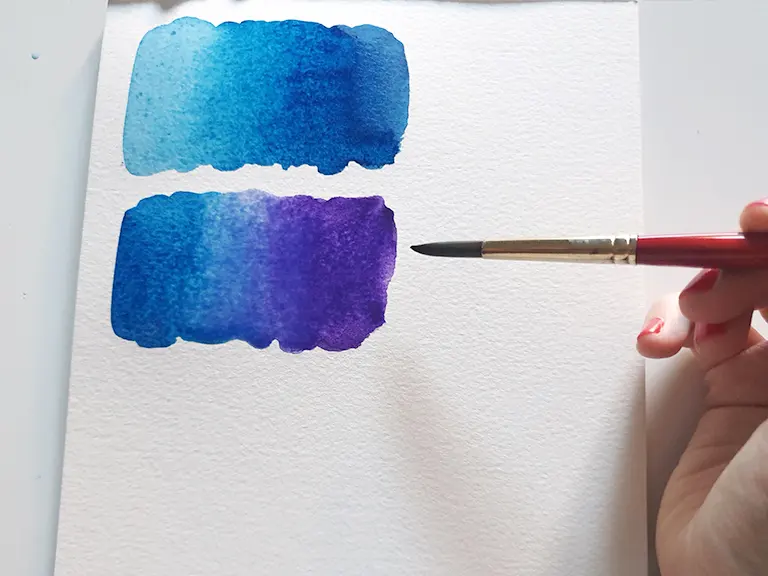
A variegated wash involves transitioning between two or more different colors on the paper. You apply the first color, then introduce a second color while the first is still wet, allowing them to mingle and create a third hue.
How do I prevent blooms or cauliflowers?
Blooms occur when you add water to a section of paint that has already begun to dry. To avoid them, ensure your paper remains evenly damp throughout the process and avoid touching partially dried areas.
Can I fix a gradient that has dried with streaks?
Once a watercolor gradient is fully dry, it is difficult to smooth out without damaging the paper. You can sometimes lift minor streaks with a clean, damp brush, but it is usually best to embrace the texture or start over.
Should I use distilled water for gradients?
Using distilled water can prevent mineral deposits from tap water from affecting the transparency of your pigments. While not strictly necessary for beginners, it ensures the cleanest possible color application.
What is the difference between wet-on-wet and wet-on-dry?
Wet-on-wet involves applying paint to pre-wetted paper, which creates soft, fuzzy edges and fluid gradients. Wet-on-dry involves applying paint to dry paper, which results in crisp, defined edges and more controlled transitions.
How much water should I use in my paint mixture?
The ratio depends on your desired intensity, but a good rule of thumb is to have several puddles of paint mixed on your palette before you start. Use more water for lighter, transparent gradients and less for deep, saturated tones.
This answer was created with the help of AI research tools and reference sources. Spotted an error? Let us know — we correct mistakes quickly. See our editorial policy.