Where is The Last Supper displayed?
Short answer
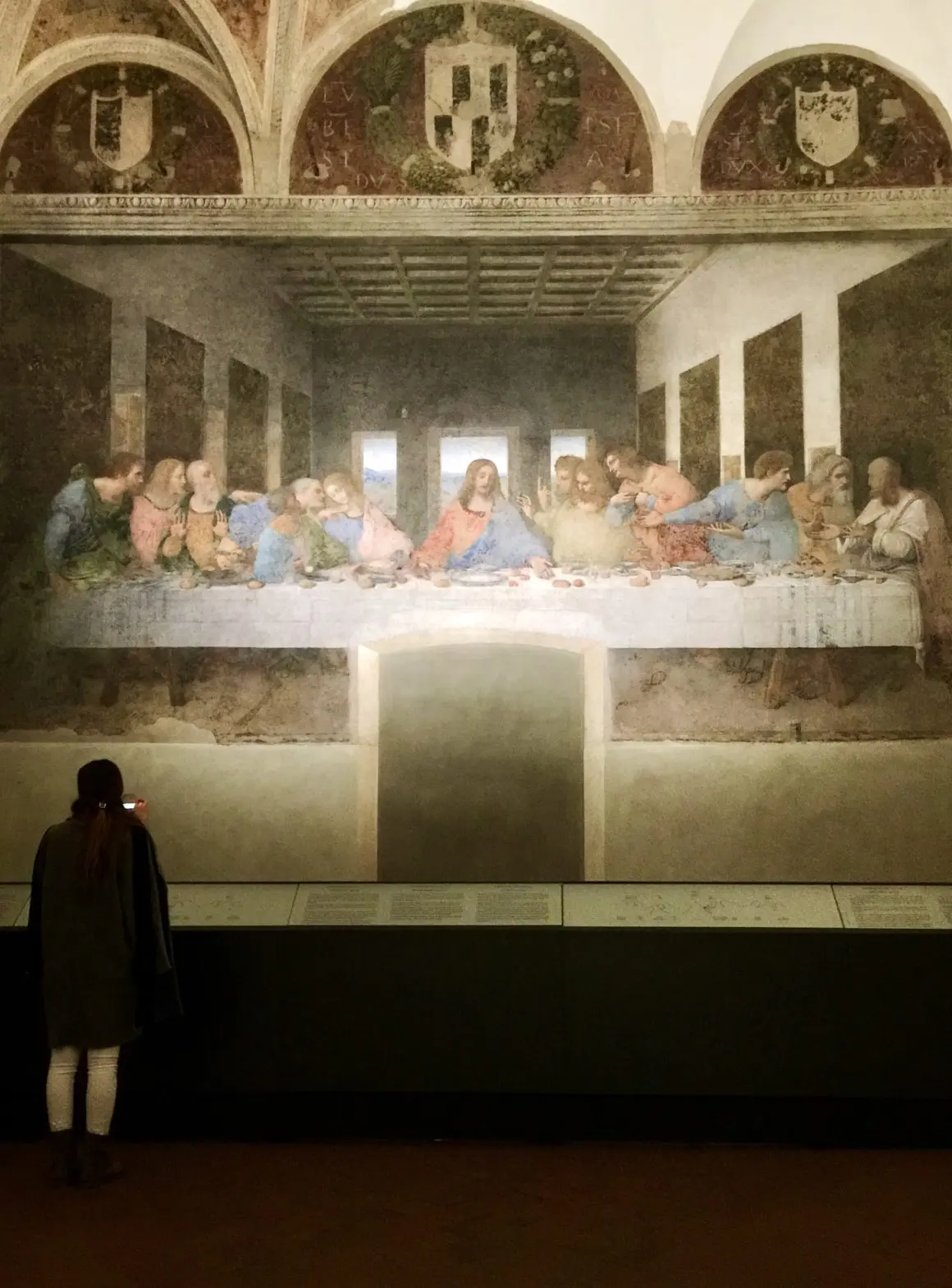
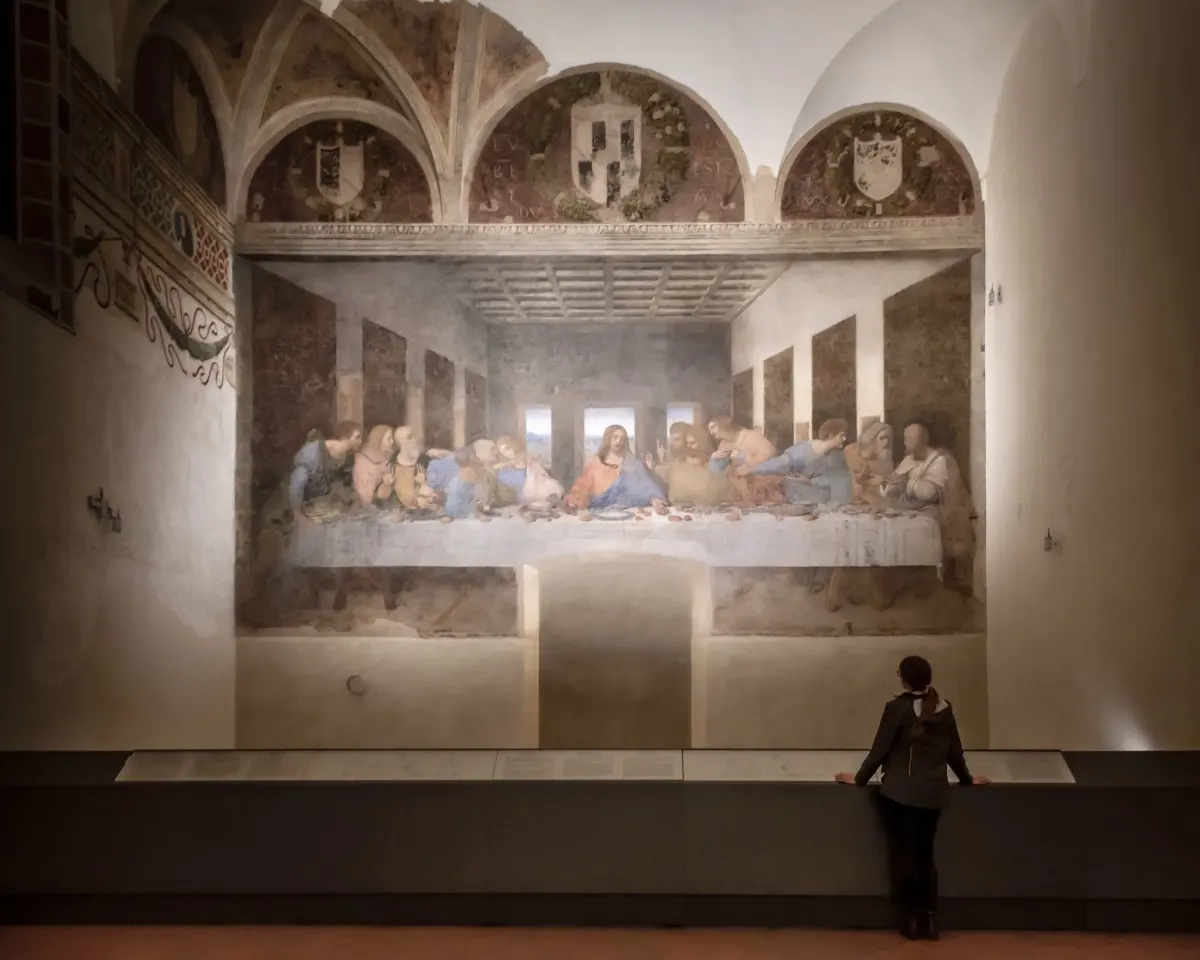
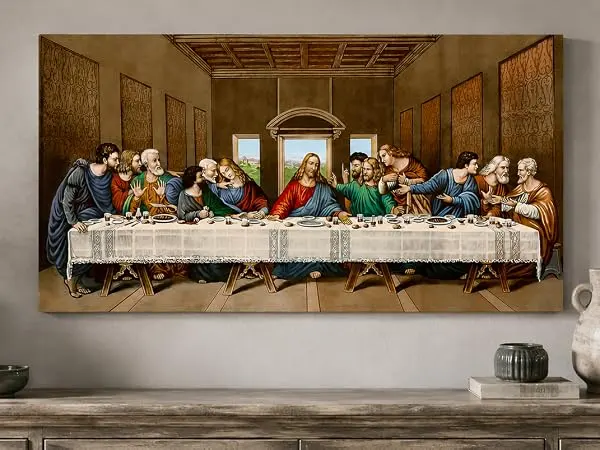
Leonardo da Vinci’s The Last Supper is permanently displayed on the north wall of the refectory in the Convent of Santa Maria delle Grazie in Milan, Italy. It is not a canvas painting but a mural executed directly onto the wall of the dining hall where monks once took their meals.
On this page
Where is The Last Supper located?
The masterpiece is housed within the refectory of the Convent of Santa Maria delle Grazie, a UNESCO World Heritage site located in central Milan. The painting occupies the entire back wall of the former dining room. Because the work is a mural rather than a portable painting, it has remained in this specific location since Leonardo completed it in the late 15th century.
Visitors should note that the convent is an active religious site, though the refectory functions primarily as a museum space. The building is situated on the Piazza di Santa Maria delle Grazie, easily accessible from the city center. While the church itself is open to the public, the mural requires a separate, strictly controlled entry process due to its fragile state and the high volume of interest from tourists worldwide.
How to visit The Last Supper in Milan
Accessing the mural requires significant advance planning because of strict conservation requirements. The Italian government limits the number of visitors allowed inside the refectory at any one time to ensure the environment remains stable for the delicate tempera and oil paint. You must secure a reservation well in advance to guarantee entry.
- Check the official website for ticket availability several months before your trip.
- Select a specific time slot, as entry is strictly timed for 15-minute intervals.
- Arrive at the convent at least 20 minutes before your scheduled appointment.
- Present your booking confirmation at the ticket office to collect your entry pass.
- Pass through the environmental control chambers before entering the main refectory.
Why is The Last Supper so fragile?
The poor condition of the mural is largely due to Leonardo’s experimental technique. Instead of using traditional fresco methods, which require painting onto wet plaster, he chose to apply tempera and oil directly onto a dry wall. This allowed him to achieve greater detail and subtle lighting effects, but it also made the paint prone to flaking and humidity damage.
The painting has survived centuries of environmental degradation, war, and amateur restoration attempts. During World War II, a bomb hit the convent, destroying the roof of the refectory and leaving the mural exposed to the elements for several months. Extensive modern restoration, completed in 1999, used scientific imaging to remove centuries of grime and overpainting, revealing as much of Leonardo’s original hand as possible.
Common mistakes when visiting The Last Supper
Many travelers assume they can simply walk up to the convent and purchase a ticket at the door. Because the site is one of the most popular tourist attractions in Italy, tickets often sell out weeks or even months in advance. Attempting to visit without a pre-booked reservation almost always results in disappointment.
- Relying on third-party resellers that charge exorbitant fees without guaranteeing a valid ticket.
- Forgetting to bring a valid photo ID, which is often required to match the name on the reservation.
- Arriving late for the assigned time slot, which results in the automatic forfeiture of the ticket.
- Expecting to spend hours in the room; the 15-minute limit is strictly enforced by security staff to manage crowd flow.
- Failing to account for the mandatory security check, which can add time to your arrival process.
Best tips for viewing the mural
To get the most out of your visit, consider booking a guided tour that includes historical context. Understanding the perspective techniques Leonardo used to create the illusion of depth will make the experience much more meaningful. Even with only 15 minutes, you can appreciate the emotional intensity of the disciples' reactions to Jesus’s announcement.
- Use the provided audio guides if you prefer to explore the history at your own pace.
- Bring a pair of binoculars if you have trouble seeing fine details from the designated viewing area.
- Visit during the cooler months if you are sensitive to the climate-controlled environment of the refectory.
- Take time to walk through the adjacent church after viewing the mural to appreciate the architecture.
- Remember that photography is permitted without flash, but be respectful of the silent atmosphere maintained in the room.
By following these practical steps and respecting the conservation rules, you ensure that this iconic work remains protected for future generations to study and admire. The experience of standing before such a monumental piece of art is a highlight of any visit to Milan, provided you plan your logistics with care and attention to the strict scheduling requirements.
Key facts
- Leonardo da Vinci painted The Last Supper between 1495 and 1498.
- The mural is located in the refectory of the Convent of Santa Maria delle Grazie in Milan, Italy.
- It is not a traditional fresco; Leonardo used experimental tempera and oil on a dry wall.
- Visitors must book tickets months in advance because access is strictly limited to small groups.
- Each group is allowed only 15 minutes inside the climate-controlled viewing room to preserve the artwork.
- Photography is permitted, but the use of flash is strictly prohibited to prevent further pigment degradation.
The bottom line
The Last Supper remains one of the world’s most significant artistic achievements, housed permanently in Milan’s Santa Maria delle Grazie. Because of its extreme fragility, viewing the mural requires careful planning and advance booking. By securing your tickets months ahead and arriving punctually for your allotted 15-minute window, you can witness this masterpiece of the Italian Renaissance in its original, historic setting.
People also ask
Why is it so difficult to get tickets to see the mural?
Only a limited number of people are allowed in the room at once to maintain stable humidity and temperature levels. High demand from tourists worldwide means tickets often sell out three to four months in advance.
Can I buy tickets at the door on the day of my visit?
No, walk-in tickets are almost never available. You must purchase your entry through the official website or an authorized agency well before your trip to Milan.
Is the painting in good condition today?
The painting is in a fragile state due to Leonardo’s experimental technique and environmental damage over centuries. Extensive restorations have been performed to stabilize the remaining original paint layers.
How do I get to the Convent of Santa Maria delle Grazie?
The convent is located in central Milan and is easily accessible via the city's tram or metro systems. The closest metro stop is Conciliazione on the M1 red line.
Are there guided tours available for the painting?
Yes, many authorized tour operators offer guided visits that include historical context about the refectory and the painting. These tours often bundle tickets with other local attractions to simplify the booking process.
What should I avoid when visiting the site?
Avoid arriving late for your scheduled time slot, as latecomers are typically denied entry without a refund. Additionally, do not attempt to touch the walls or bring large bags, as these are prohibited to protect the artwork.
This answer was created with the help of AI research tools and reference sources. Spotted an error? Let us know — we correct mistakes quickly. See our editorial policy.