Who painted The Last Supper?
Short answer
Leonardo da Vinci painted The Last Supper. He created this masterpiece between 1495 and 1498 in Milan, Italy. Commissioned by Duke Ludovico Sforza, the mural adorns the wall of the refectory in the Convent of Santa Maria delle Grazie. It remains one of the most famous and studied works of Western art history.
On this page
Who was Leonardo da Vinci?
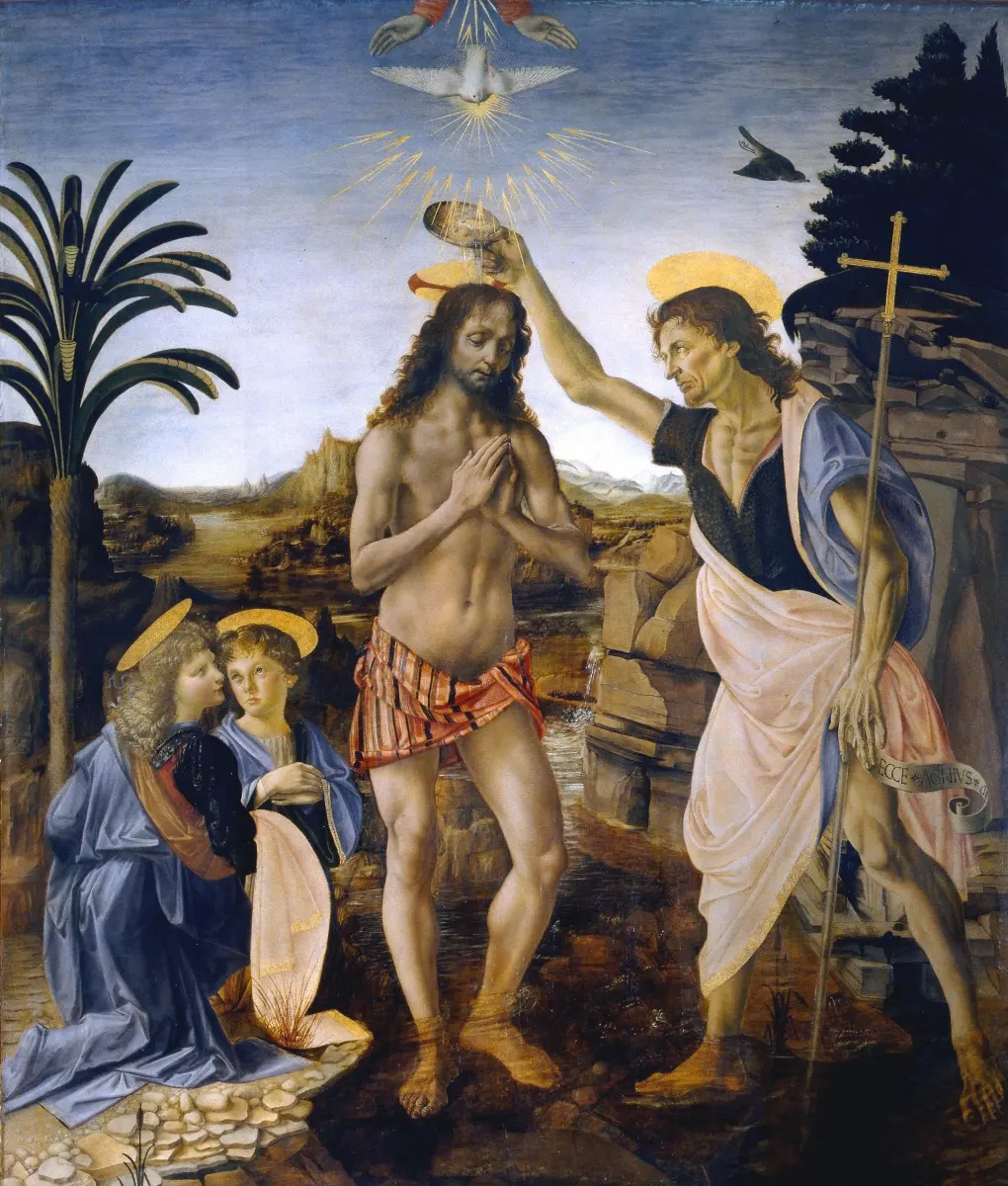
Leonardo da Vinci was a quintessential Renaissance polymath whose expertise spanned painting, anatomy, engineering, and mathematics. Born in 1452 in the town of Vinci, Italy, he apprenticed under the artist Andrea del Verrocchio in Florence. His early training refined his ability to capture light, shadow, and human emotion with unprecedented realism.
Beyond his artistic output, Leonardo maintained extensive notebooks filled with scientific observations and inventions. He approached painting as a scientific endeavor, obsessing over the physics of light and the mechanics of human movement. This analytical mindset allowed him to imbue his subjects with a psychological depth that was revolutionary for the late 15th century. His legacy remains defined by his pursuit of perfection and his ability to fuse technical precision with profound artistic vision.
Why is The Last Supper so famous?
The fame of The Last Supper stems from Leonardo’s mastery of perspective and his dramatic depiction of a pivotal narrative moment. Rather than showing the institution of the Eucharist, he chose to capture the immediate reaction of the apostles after Jesus announced that one of them would betray him. This choice allowed him to explore a wide range of human emotions, from shock and anger to sorrow and confusion.
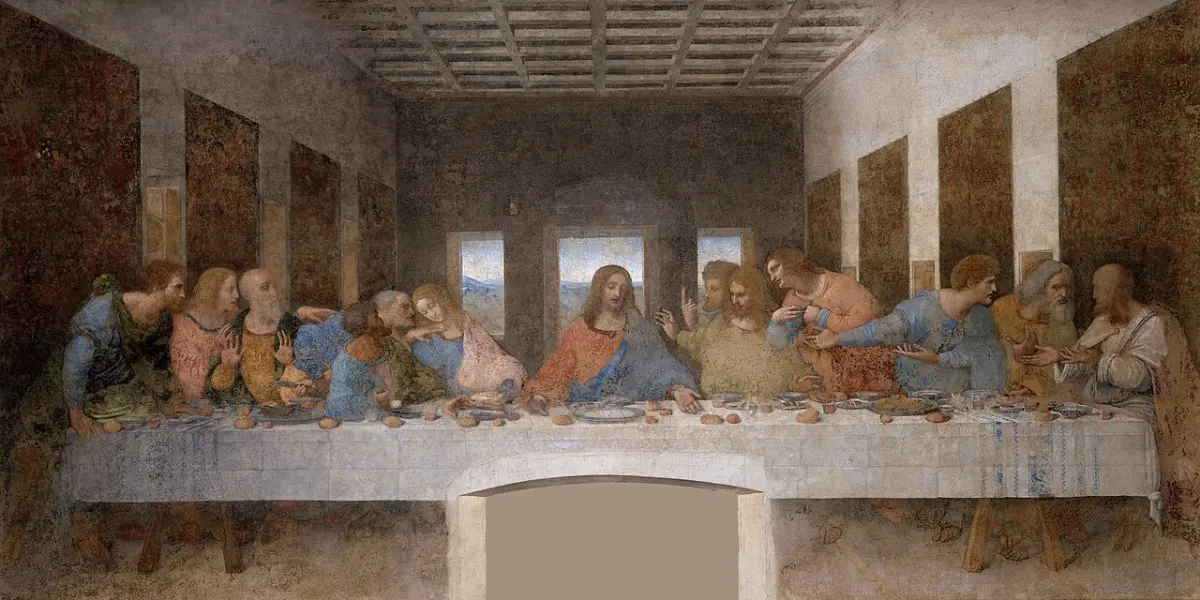
- The composition is anchored by Jesus at the center, with the architecture creating a vanishing point behind his head.
- The twelve apostles are grouped in threes, creating a rhythmic, balanced flow across the long table.
- Leonardo utilized a technique called sfumato, which involves subtle gradations of light and shadow to create soft, realistic transitions.
- The mural’s scale—measuring approximately 15 by 29 feet—imposes a sense of grandeur that draws the viewer directly into the emotional scene.
How to visit The Last Supper today
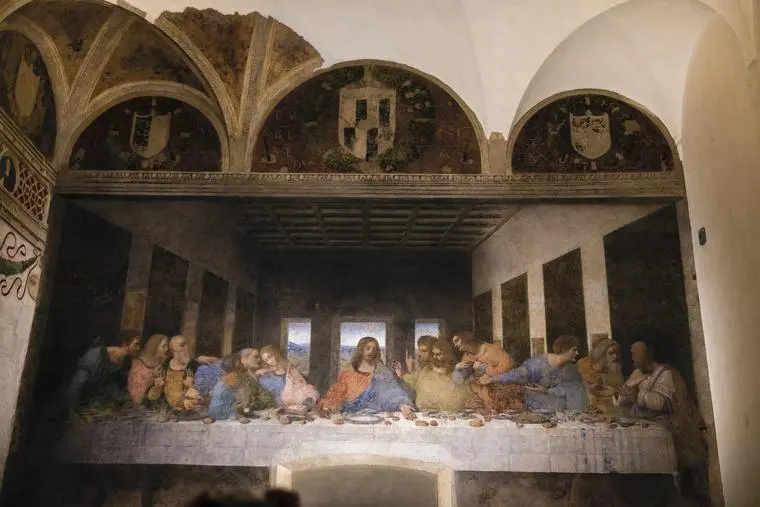
Visiting the mural in Milan requires careful planning because the artwork is extremely fragile and protected by strict conservation measures. Because the painting is located in the refectory of Santa Maria delle Grazie, the environment must be climate-controlled to prevent further decay. You cannot simply walk in; you must secure tickets well in advance.
- Book your tickets online at least two to three months before your planned visit.
- Arrive at the convent at least 20 minutes before your scheduled time slot.
- Expect a strict 15-minute time limit inside the refectory to ensure the air quality remains stable.
- Avoid bringing large bags or photography equipment, as these are prohibited inside the viewing area.
- Consider booking a guided tour if you want to understand the intricate details of the restoration process and the historical context of the convent.
Why the painting is in poor condition
The current state of The Last Supper is a result of Leonardo’s experimental technique. Instead of using the traditional buon fresco method, which requires painting quickly onto wet plaster, he chose to use a mix of tempera and oil on a dry wall. He wanted the freedom to make changes and achieve deeper colors, but the paint failed to adhere properly to the stone surface.
Within a few decades of its completion, the paint began to flake and peel away from the wall. Over the centuries, the work suffered further degradation from humidity, war, and amateur restoration attempts that often caused more harm than good. A massive, multi-year restoration project concluded in 1999, which successfully removed centuries of grime and overpainting to reveal as much of Leonardo’s original hand as possible. Today, the work is a delicate shadow of its former brilliance, yet it retains its immense historical power.
Common mistakes when studying the painting
A common error is assuming that the mural is a traditional fresco. Because it is often referred to as a fresco in casual conversation, many viewers do not realize that the medium Leonardo used was fundamentally different and inherently unstable. Understanding this technical distinction is essential for appreciating why the image looks faded and why conservation is such a difficult, ongoing challenge for modern experts.
Another mistake is ignoring the symbolic details embedded within the composition. Viewers often focus solely on the central figures but overlook the specific gestures and objects that define the narrative:
- Judas is depicted clutching a small money bag, symbolizing his role in the betrayal.
- Salt is spilled near Judas, which was a traditional omen of bad luck or broken trust.
- The lack of halos on the figures represents a shift toward humanizing the divine, a hallmark of Renaissance humanism.
- The windows behind Jesus act as a natural halo, using light to emphasize his importance without relying on traditional religious iconography.
Key facts
- Leonardo da Vinci painted The Last Supper between 1495 and 1498.
- The mural is located in the refectory of the Convent of Santa Maria delle Grazie in Milan, Italy.
- Leonardo used experimental oil and tempera on dry plaster rather than traditional wet fresco, causing the paint to deteriorate quickly.
- The painting depicts the moment Jesus announces that one of his disciples will betray him.
- It measures approximately 15 feet by 29 feet, covering an entire wall of the dining hall.
- To view the painting in person, visitors must book tickets weeks or months in advance due to strict conservation limits.
The bottom line
Leonardo da Vinci’s The Last Supper remains a masterpiece of Renaissance art, celebrated for its dramatic composition and psychological depth. Despite its fragile state due to experimental techniques, the mural continues to draw millions of visitors to Milan. Understanding its history and the challenges of its preservation highlights the delicate balance between artistic innovation and the physical limitations of the materials used by historical masters.
People also ask
Why is the painting in such poor condition?
Leonardo experimented with a dry wall technique that did not bond properly with the plaster. Humidity and environmental factors began causing the paint to flake off within just a few years of completion.
How many times has the painting been restored?
There have been numerous restoration attempts over the centuries, most notably a major project completed in 1999. These efforts have focused on stabilizing the remaining original pigments and removing layers of grime and previous overpainting.
Is the painting a true fresco?
No, it is not a true fresco, which involves painting on wet lime plaster. Leonardo chose a mixed-media approach to allow for more detail and slower working times, which ultimately compromised the work's longevity.
What do the gestures of the disciples represent?
Each disciple reacts with different emotions, such as anger, shock, or grief, upon hearing the news of the betrayal. Leonardo carefully arranged these figures to create a narrative flow that draws the viewer's eye toward the central figure of Jesus.
Can I take photographs of the painting?
Photography is permitted in the viewing room, but the use of flash is strictly prohibited. The environment is climate-controlled to prevent further damage, and visitors are limited to 15-minute viewing windows.
Where is the original sketch or study for the painting?
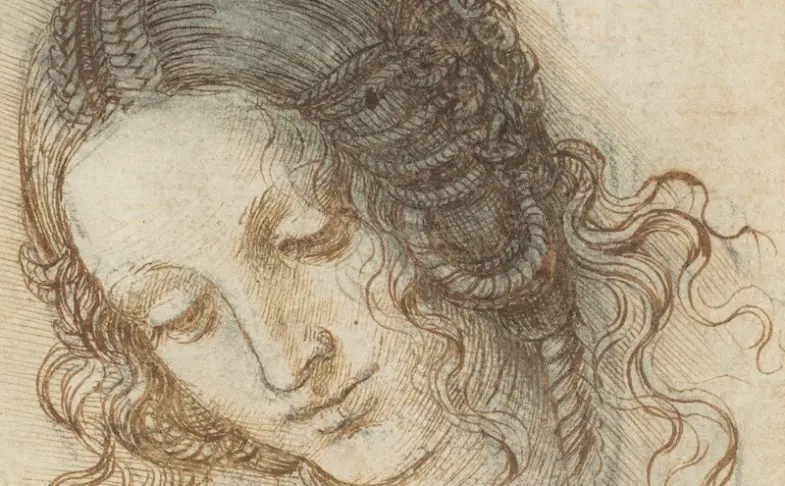
Several preparatory sketches exist, including drawings of individual heads and hands held in collections like the Royal Library at Windsor Castle. These studies show Leonardo’s meticulous planning for the expressions and postures of the figures.
This answer was created with the help of AI research tools and reference sources. Spotted an error? Let us know — we correct mistakes quickly. See our editorial policy.