Why is Salvator Mundi so famous?
Short answer
The Salvator Mundi is famous primarily because it holds the record as the most expensive painting ever sold, fetching $450.3 million in 2017. Its global notoriety stems from the dramatic debate over whether it was painted by Leonardo da Vinci himself or by his workshop, combined with its mysterious disappearance from public view.
On this page
Why is the Salvator Mundi so expensive?
The painting’s astronomical price tag is the primary driver of its fame. When it sold at Christie’s in New York in November 2017, the final price of $450.3 million shattered all previous records for an artwork sold at auction. This figure included the buyer's premium and far exceeded the pre-sale estimate of $100 million. The sale transformed a relatively obscure historical artifact into a global cultural phenomenon almost overnight.
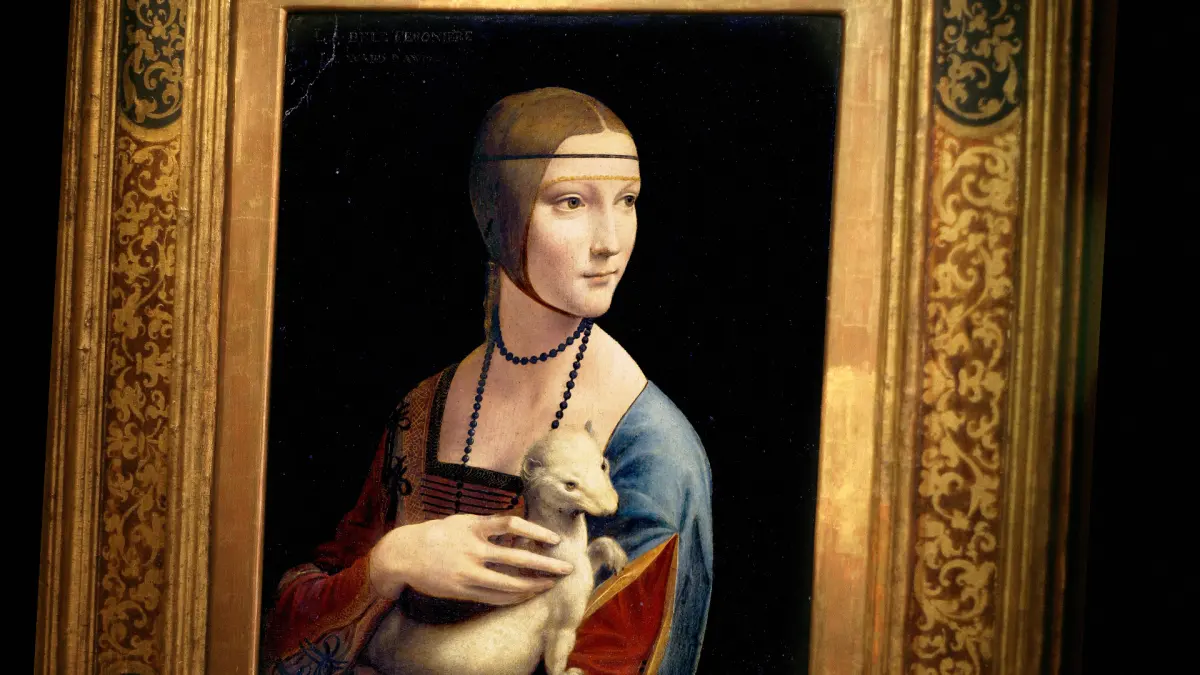
Several factors contributed to this valuation, including the extreme rarity of Leonardo da Vinci’s works. There are fewer than 20 known paintings widely accepted as being entirely by his hand. The Salvator Mundi, which depicts Christ as the "Savior of the World," was marketed as the "last Leonardo" in private hands. This scarcity created a frenzy among ultra-wealthy collectors, turning the auction into a high-stakes competition between international bidders.
How do experts debate the painting's authenticity?
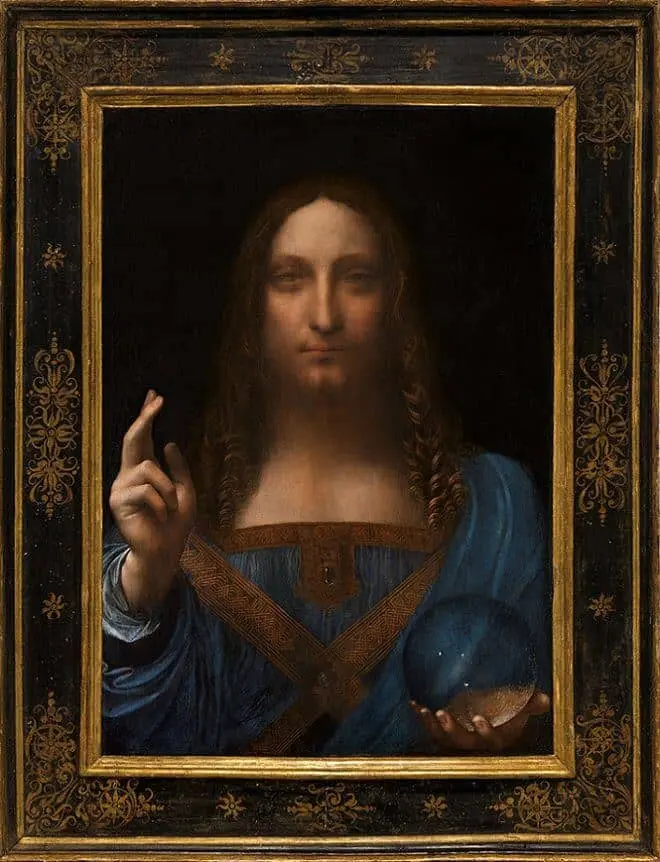
The attribution of the Salvator Mundi to Leonardo da Vinci remains one of the most contentious topics in art history. While some scholars point to the masterful rendering of the subject’s hair and the sfumato technique around the eyes as evidence of Leonardo’s genius, others remain skeptical. Critics argue that certain elements, such as the unnatural depiction of the crystal orb held by Christ, lack the scientific precision expected from the Renaissance master.
The debate often centers on the following points of contention:
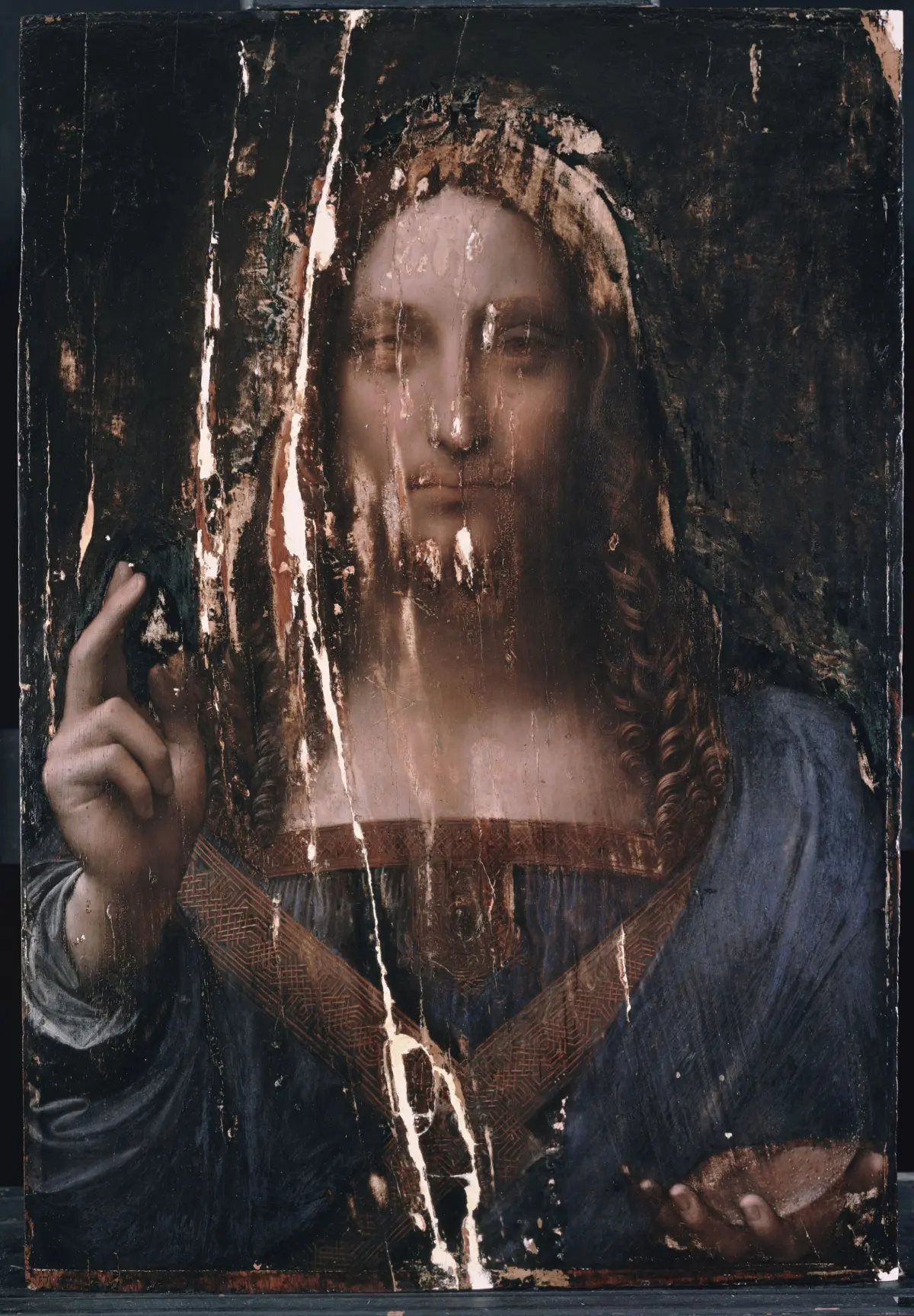
- The condition of the painting, which underwent extensive restoration to remove layers of overpaint.
- The lack of contemporary documentation or sketches that definitively link the work to Leonardo’s studio during his lifetime.
- The presence of pentimenti, or changes made by the artist during the painting process, which some experts claim are insufficient to prove authorship.
- The possibility that the work was a collaborative effort, with Leonardo painting the face and hands while assistants completed the drapery and background.
What is the history of the painting?
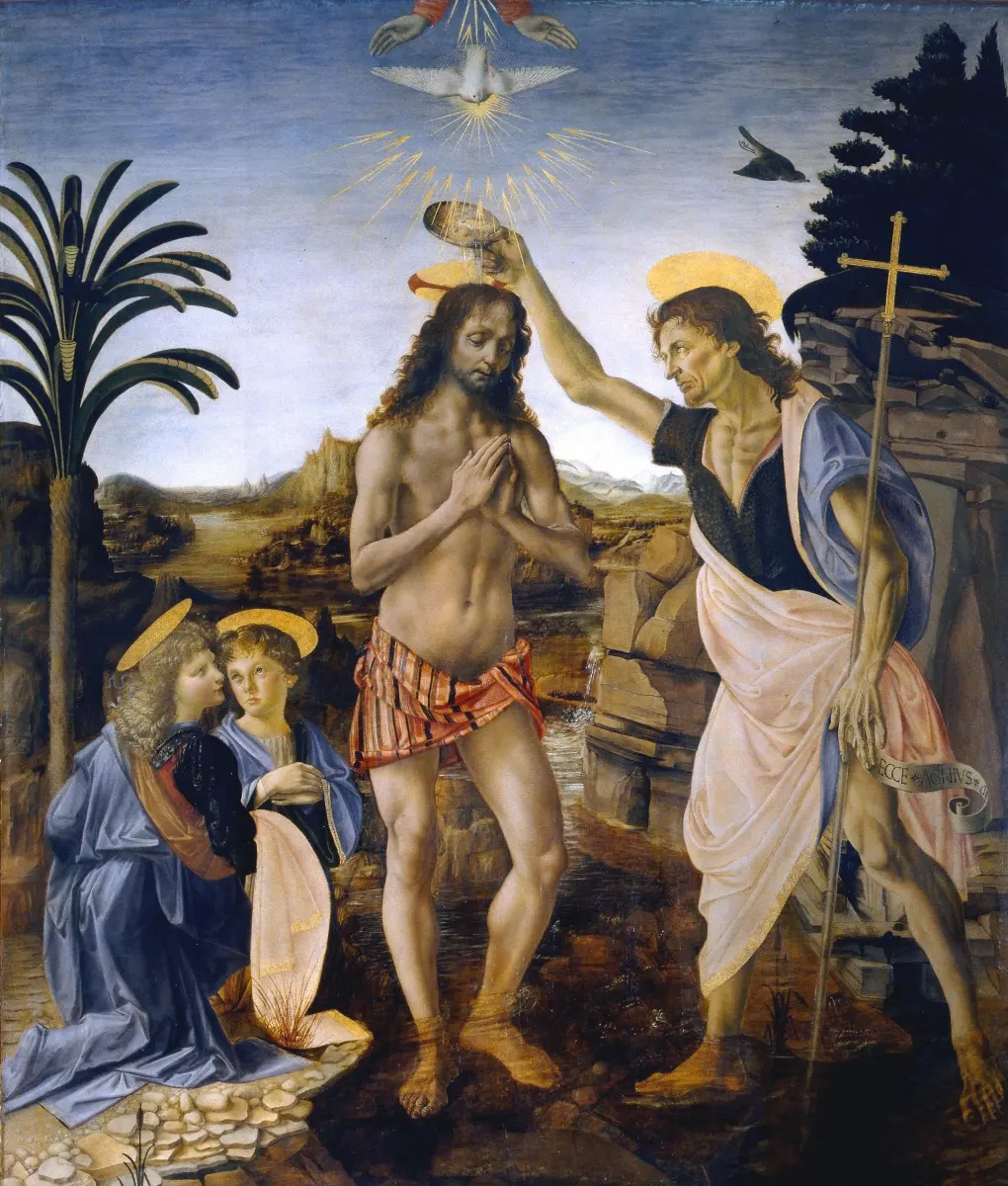
The provenance of the Salvator Mundi is as murky as its attribution. It is believed to have been commissioned by King Louis XII of France around 1500, but it effectively vanished from the historical record for centuries. It resurfaced in the early 20th century in the collection of Sir Charles Robinson, who purchased it as a work by a follower of Leonardo. At that time, it was heavily repainted and its true potential was unrecognized.
The painting’s modern journey began in 2005 when it was purchased at a small regional auction in the United States for less than $10,000. After the acquisition, a team of experts began a meticulous restoration process to reveal the original paint layers. This restoration was crucial in convincing several prominent Leonardo scholars that the work was indeed a lost masterpiece. Following its inclusion in a major 2011 exhibition at the National Gallery in London, the painting’s status was elevated, setting the stage for its eventual record-breaking sale.
How to research art provenance effectively
If you are interested in investigating the history of an artwork, you must follow a methodical approach to verify its past ownership. Provenance research is the study of the chronological ownership of a work of art, which helps establish its authenticity and legal status. Common mistakes include relying solely on oral histories or failing to cross-reference auction catalogs with historical archives.
To conduct professional-level research, follow these steps:
- Identify the work’s title, artist, and physical dimensions to ensure accurate searching.
- Search the Art Loss Register and other databases to ensure the work is not reported as stolen or looted.
- Consult exhibition catalogs and scholarly monographs to track the painting's movement through major galleries and estates.
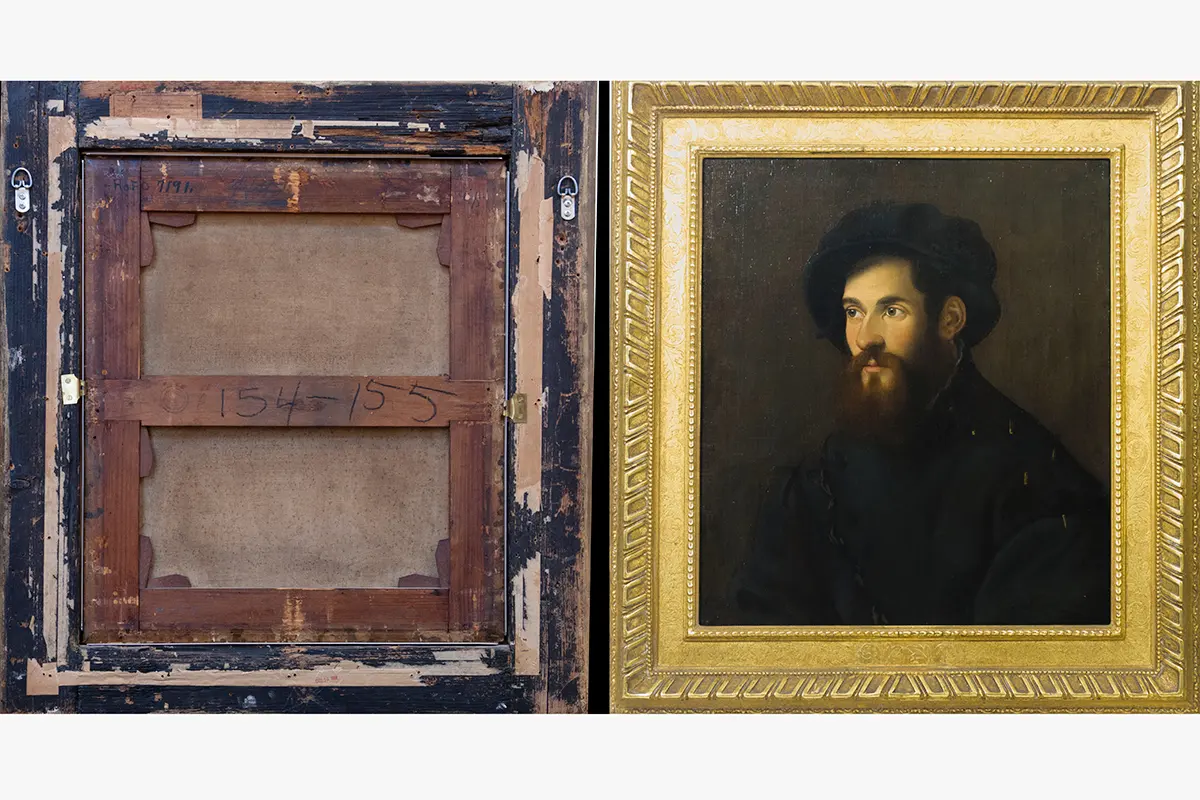
- Examine the back of the frame or the canvas for labels, stamps, or inscriptions that provide clues about previous owners or shipping history.
- Utilize digital archives of auction houses, which often contain decades of sales records that can fill gaps in a work’s timeline.
Where is the Salvator Mundi now?
Since the 2017 auction, the Salvator Mundi has remained largely hidden from the public eye. Although it was widely reported that the painting was purchased by a Saudi Arabian prince acting on behalf of the Department of Culture and Tourism in Abu Dhabi, it has never been displayed in a museum. This prolonged absence has only fueled further speculation and intrigue regarding its physical condition and current location.
The mystery surrounding its whereabouts has led to various theories, ranging from it being held in a secure storage facility in Switzerland to it being part of a private collection on a luxury yacht. This lack of access prevents further scholarly study, which keeps the debate over its authenticity alive. For the art world, the Salvator Mundi serves as a cautionary tale about the intersection of high finance, celebrity culture, and the subjective nature of artistic value in the modern era.
Key facts
- The painting depicts Jesus Christ in Renaissance dress, making a sign of the cross with his right hand while holding a crystal orb in his left.
- It was sold at a Christie’s auction in 2017 for $450.3 million, making it the most expensive painting ever sold at public auction.
- The work was rediscovered in 2005 after being missing for centuries and was heavily restored due to significant paint loss.
- Attributed to Leonardo da Vinci, the painting remains a subject of intense debate among scholars regarding how much of the work was executed by the master himself versus his studio assistants.
- The crystal orb in the painting does not refract light correctly, a detail that has fueled both skepticism about its authorship and theories about Leonardo’s scientific intent.
- When evaluating high-value art, always verify provenance records and expert consensus reports, as historical attribution can shift significantly based on new technical analysis.
The bottom line
The fame of Salvator Mundi stems from the convergence of a legendary artist, a dramatic rediscovery, and a record-shattering price tag. While its status as a definitive Leonardo da Vinci remains a point of scholarly friction, its history reflects the volatile nature of the high-end art market. Ultimately, it serves as a modern cautionary tale about how celebrity, mystery, and wealth shape the perceived value of art.
People also ask
Is the Salvator Mundi currently on public display?
The painting’s current location is not officially disclosed, though it is widely believed to be held in storage by the Saudi Arabian government. It has not been exhibited publicly since its record-breaking sale.
Why do some experts doubt it is a genuine Leonardo?
Skeptics point to the poor condition of the original wood panel and the awkward rendering of the orb, which lacks the optical accuracy expected of Leonardo. They suggest it may be a collaborative work produced by his workshop.
What does "Salvator Mundi" mean?
The title is Latin for "Savior of the World." It is a common subject in Christian iconography, depicting Jesus as the redeemer of humanity.
How was the painting authenticated?
It was authenticated by a group of international experts after a long restoration process in the early 2000s. They compared the brushwork and pigments to other known works by Leonardo to confirm its origins.
What is the biggest risk when investing in "lost" masterpieces?
The primary risk is the potential for future scholarship to downgrade the attribution, which can cause the market value to plummet. Always consult multiple independent experts before considering such high-stakes acquisitions.
How does the painting’s condition affect its value?
Extensive overpainting and damage can lower a work's historical integrity. In the case of this painting, the heavy restoration was a point of contention during the authentication process.
This answer was created with the help of AI research tools and reference sources. Spotted an error? Let us know — we correct mistakes quickly. See our editorial policy.