What is provenance in art?
Short answer
Provenance is the documented history of an artwork’s ownership, from its creation by the artist to its current location. It acts as a chronological biography, establishing authenticity, legal title, and historical context. A complete provenance chain is essential for determining an object's market value and ensuring it was not stolen or looted.
On this page
Why is provenance important for art?
Provenance serves as the primary tool for verifying that an artwork is not a forgery. By tracing the object back to the artist’s studio or a reputable gallery, collectors can confirm the work is genuine. This historical record provides a "paper trail" that validates the identity of the creator and the circumstances surrounding the work's origin. Without this documentation, even a masterwork may be dismissed as a reproduction or a sophisticated fake, significantly diminishing its cultural and financial worth.
Beyond authentication, provenance is critical for establishing legal ownership. It proves that the work was acquired through legitimate channels, protecting the buyer from claims of theft or illicit trade. This is particularly vital for antiquities and works sold during periods of conflict, such as the Nazi-era looting of European collections between 1933 and 1945. A clear history ensures that the current possessor holds a clean title, which is a prerequisite for insurance, public exhibition, and future resale in the global art market.
How to research the provenance of a painting
Researching an artwork requires a systematic approach to verifying its past. You should begin by gathering every document associated with the piece, including invoices, exhibition catalogs, and appraisal reports. These materials often contain clues about previous owners or gallery representations that were active during specific decades. If the work is signed or marked, cross-reference these details with known catalogues raisonnés, which are comprehensive lists of an artist’s known output.
- Locate the object’s unique identification number or title.
- Search international databases like the Art Loss Register for theft reports.
- Review exhibition histories in museum archives or library collections.
- Contact the artist’s estate or foundation for official verification records.
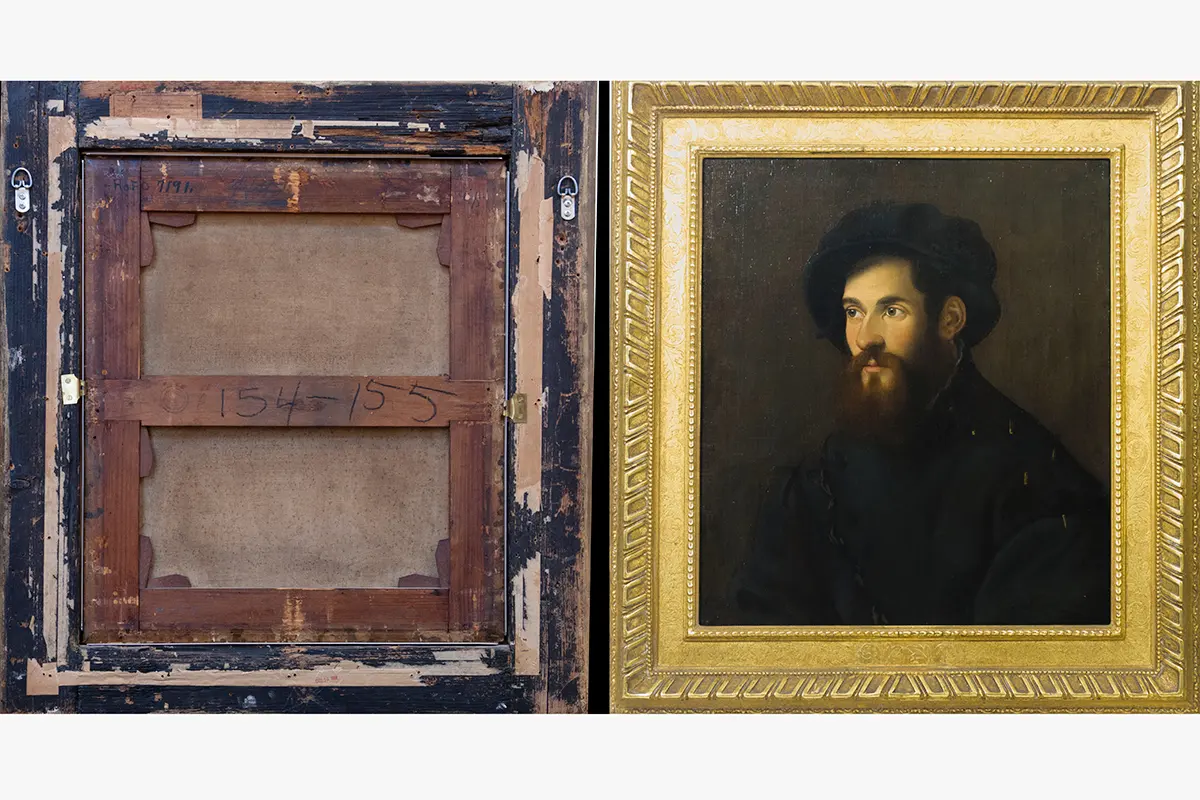
- Examine the physical object for gallery stickers, stamps, or inscriptions on the back of the frame or canvas.
What documents prove art provenance?
A robust provenance file relies on primary source documentation that links the artwork to specific individuals or institutions over time. These records provide the evidentiary support necessary to satisfy auction houses and private collectors. The most reliable documents are those generated contemporaneously with the transfer of the object, as they are less susceptible to later fabrication or memory errors.
- Original sales receipts or invoices from the artist or authorized dealers.
- Bills of sale showing the transfer of ownership between private collectors.
- Exhibition labels or loan agreements from reputable museums and galleries.
- Estate inventories or probate records documenting the distribution of personal property.
- Photographs showing the artwork in situ within a previous owner’s collection.
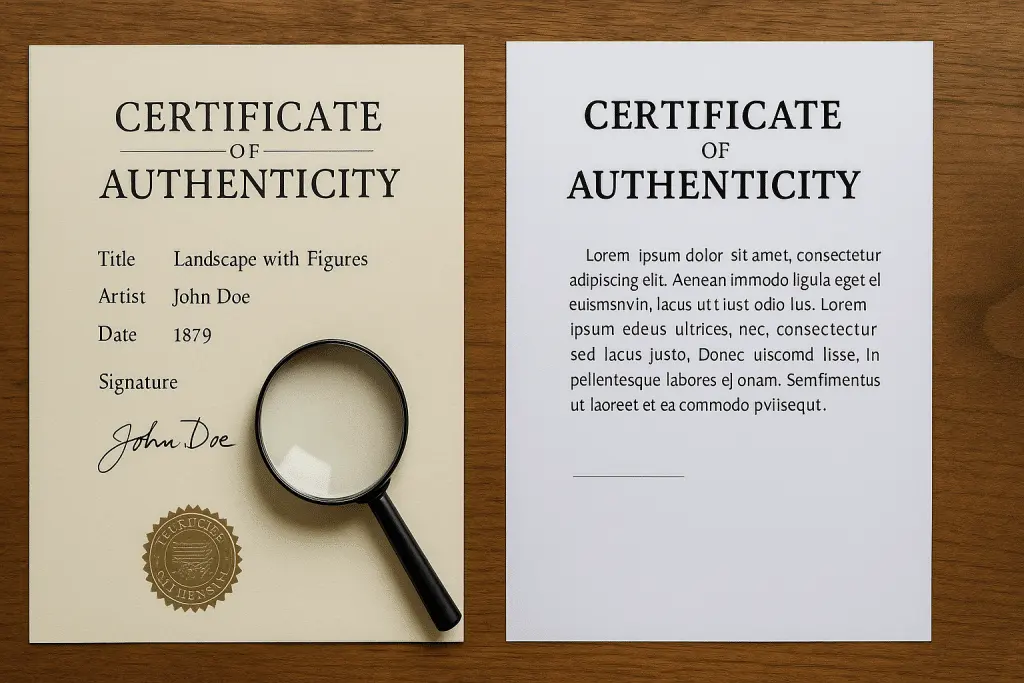
- Correspondence or letters of authentication from recognized experts or the artist themselves.
Reliance on oral history or anecdotal evidence is generally insufficient for high-value transactions. While family lore can provide a starting point for research, it does not substitute for the verifiable paper trail required by professional institutions.
Common mistakes when verifying art history
One of the most frequent errors is assuming that an artwork’s inclusion in a famous collection automatically guarantees its authenticity. Even prestigious institutions have occasionally held misattributed works, and provenance records can sometimes contain gaps or inaccuracies. Collectors often fail to verify the gaps in the timeline, assuming that a missing decade is inconsequential. However, a break in the record—especially during times of war or political upheaval—is a major red flag that requires intensive investigation.
Another mistake is ignoring the physical condition of the provenance documents themselves. Forged documents are a common tactic used by criminals to create a false sense of legitimacy. If a document looks too pristine, uses modern paper or ink for a historical record, or contains inconsistent terminology, it should be treated with extreme skepticism. Always seek a second opinion from a professional provenance researcher or an independent forensic expert if the documentation appears questionable or if the history of the piece seems overly convenient.
How to maintain provenance for your collection
Maintaining the provenance of your own collection is a responsibility that ensures the long-term value and legacy of your assets. As a collector, you act as a temporary steward of the object, and your duty is to preserve the history that you inherited. Every time you acquire a new piece, you should immediately create a digital and physical folder that contains all relevant purchase information, insurance appraisals, and condition reports.
- Keep a digital backup of all acquisition documents in a secure, cloud-based storage system.
- Store physical originals in an acid-free, fireproof environment to prevent degradation.
- Document any conservation or restoration work performed on the piece, as this becomes part of the object’s history.
- Update the provenance record whenever the work is loaned to an exhibition or featured in a publication.
- Provide a comprehensive dossier to future heirs or buyers to ensure the continuity of the record.
By proactively managing these records, you protect your investment and contribute to the broader historical understanding of the artwork for future generations.
Key facts
- Provenance is the documented history of an artwork’s ownership, from the moment of creation to the present day.
- A complete provenance record includes names of previous owners, dates of ownership, and locations where the piece was housed.
- Documentation often consists of bills of sale, auction catalogs, exhibition records, and correspondence between dealers and collectors.
- The primary purpose of provenance is to establish legal title and confirm the authenticity of an object.
- Gaps in ownership history, known as "provenance voids," can significantly lower an artwork's market value or raise suspicions of theft.
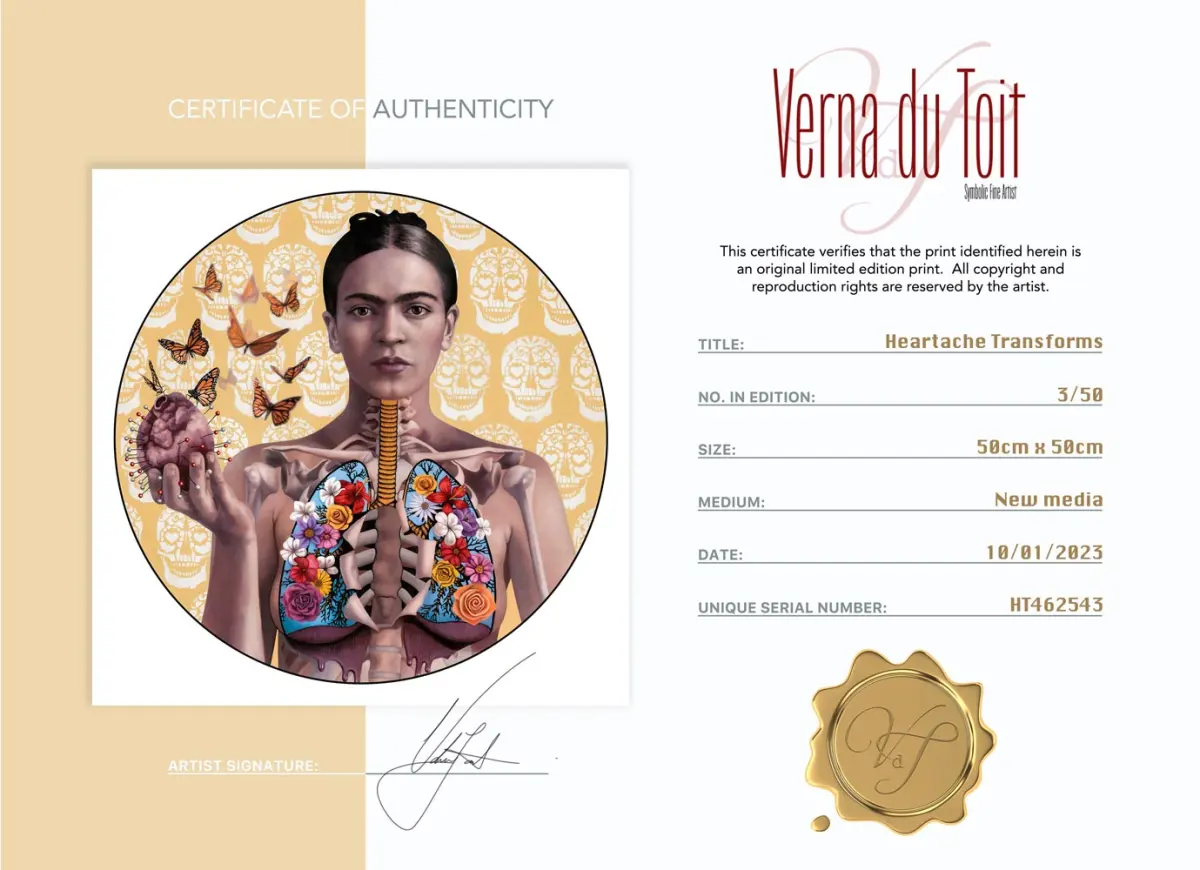
- Buyers should always request a certificate of authenticity and original receipts to ensure the chain of custody remains unbroken.
The bottom line
Provenance acts as the biography of an artwork, providing the essential evidence needed to verify its legitimacy and legal status. By meticulously tracking every transfer of ownership, collectors protect their investments against fraud and illicit trade. Whether you are buying a masterpiece or a modest sketch, verifying this chain of custody is the most critical step in ensuring the work is authentic and legally yours.
People also ask
How do I research the provenance of a painting I own?
Start by examining the back of the frame for gallery labels, stamps, or inventory numbers. Search public databases like the Art Loss Register or the Getty Provenance Index to see if the work appears in historical records.
What is a "red flag" in a provenance document?
A major red flag is a missing period of ownership, especially between 1933 and 1945, which may suggest the work was looted by the Nazis. Handwritten receipts that lack verifiable letterheads or inconsistent dates also indicate potential forgery.
Can an artwork be sold without a full provenance?
Yes, it is legally possible, but it is risky and often results in a lower sale price. Without clear documentation, reputable auction houses may refuse to accept the piece for consignment.
Does provenance guarantee that a piece is not a fake?
No, provenance is only one piece of the puzzle. An expert must also conduct a physical examination, known as a connoisseurship, and potentially use scientific testing to confirm the materials match the period of creation.
Why are exhibition labels on the back of a frame important?
These labels prove that the work was recognized and displayed by reputable institutions in the past. They serve as physical evidence that links the object to specific historical events or collections.
What should I do if I discover a gap in my artwork's history?
You should consult with an art historian or a professional provenance researcher. They can search archives and private records that are not available to the general public to help fill in the missing timeline.
This answer was created with the help of AI research tools and reference sources. Spotted an error? Let us know — we correct mistakes quickly. See our editorial policy.