What makes art valuable?
Short answer
Artistic value is determined by a complex interplay of historical significance, cultural demand, provenance, and scarcity. While aesthetic appeal draws initial interest, market value is primarily driven by an artist’s reputation, the condition of the work, and the willingness of collectors to pay prices established through auction houses and private gallery sales.
On this page
What determines the financial value of art
The financial worth of a piece of art is rarely tied to the cost of materials. Instead, it is a social construct influenced by the "art world ecosystem," which includes critics, museum curators, and major auction houses like Sotheby’s or Christie’s. When a prominent institution acquires an artist's work, it signals legitimacy, which often causes the artist’s secondary market prices to rise significantly.
Scarcity also plays a critical role in valuation. If an artist has a limited body of work or has passed away, the supply becomes fixed, making existing pieces more desirable. Collectors look for "blue-chip" art, which refers to works by established masters whose value has remained stable or appreciated over decades. Factors influencing this valuation include:
- Historical importance within a specific movement, such as Impressionism or Pop Art.
- The physical condition of the work, known as its "state of preservation."
- Provenance, or the documented history of ownership, which proves authenticity and prestige.
How to assess the quality of an artwork
Assessing quality requires distinguishing between personal taste and objective mastery. Experts often look for technical proficiency, such as the artist’s command of light, shadow, and composition. For contemporary works, they evaluate the conceptual depth and whether the piece challenges existing artistic norms or offers a unique perspective on the human condition.
To evaluate a piece for yourself, consider these practical steps:
- Research the artist’s exhibition history to see if they have been featured in reputable galleries or museums.
- Examine the medium and technique; a hand-painted canvas usually holds more value than a mass-produced print.
- Compare the asking price with recent auction results for similar works by the same artist using public databases.
- Check for a signature or certificate of authenticity, which are essential for verifying the work’s origin.
Why provenance and authenticity matter
Provenance is the chronological documentation of an artwork’s ownership. A clear, unbroken chain of custody from the artist’s studio to the current owner provides the necessary assurance that the work is not a forgery or stolen property. A work with a "distinguished provenance"—such as having been owned by a famous collector or displayed in a royal collection—can command a premium price at auction.
Authenticity is the bedrock of the art market. Without verification from a recognized foundation or expert, an artwork is often considered "attributed to" rather than a confirmed original, which drastically lowers its value. Forgeries can be incredibly sophisticated, sometimes fooling even seasoned experts for years. Before purchasing, buyers should always demand a catalogue raisonné entry, which is a comprehensive, annotated listing of all known works by a specific artist.
Common mistakes when buying art
New collectors often make the mistake of buying art solely as a financial investment. The art market is notoriously illiquid, meaning it can take months or years to sell a piece, and transaction fees at auction houses can reach 20% or more. Treating art like a stock portfolio often leads to disappointment, as trends in the art world can shift rapidly, making once-popular artists suddenly unfashionable.
Another frequent error is ignoring the long-term costs of ownership. High-value art requires specialized climate control, insurance, and professional restoration to maintain its condition. Failing to protect a painting from humidity or direct sunlight can lead to irreversible damage, effectively destroying the work's market value. Avoid these pitfalls by:
- Avoiding "impulse buys" at art fairs without conducting prior research.
- Neglecting to get a professional appraisal before making a significant purchase.
- Buying works that have been heavily restored, as this often reduces their historical integrity.
How the art market changes over time
The value of art is subject to the cyclical nature of cultural trends. What is considered "valuable" today may be ignored tomorrow, and vice versa. For example, the works of many 19th-century academic painters were once worth more than those of the Impressionists, but the market eventually shifted as public and critical tastes evolved. This volatility is why diversification is as important in an art collection as it is in finance.
Economic conditions also dictate market health. During periods of high inflation or economic uncertainty, collectors often flock to "safe haven" assets, such as works by established masters like Pablo Picasso or Claude Monet. Conversely, the market for emerging artists can be highly speculative and prone to sudden crashes. Understanding that art value is a reflection of human consensus ensures that collectors approach the market with a realistic expectation of both the risks and the aesthetic rewards involved in building a collection.
Key facts
- Provenance, or the documented history of an artwork's ownership, significantly increases its market value by confirming authenticity.
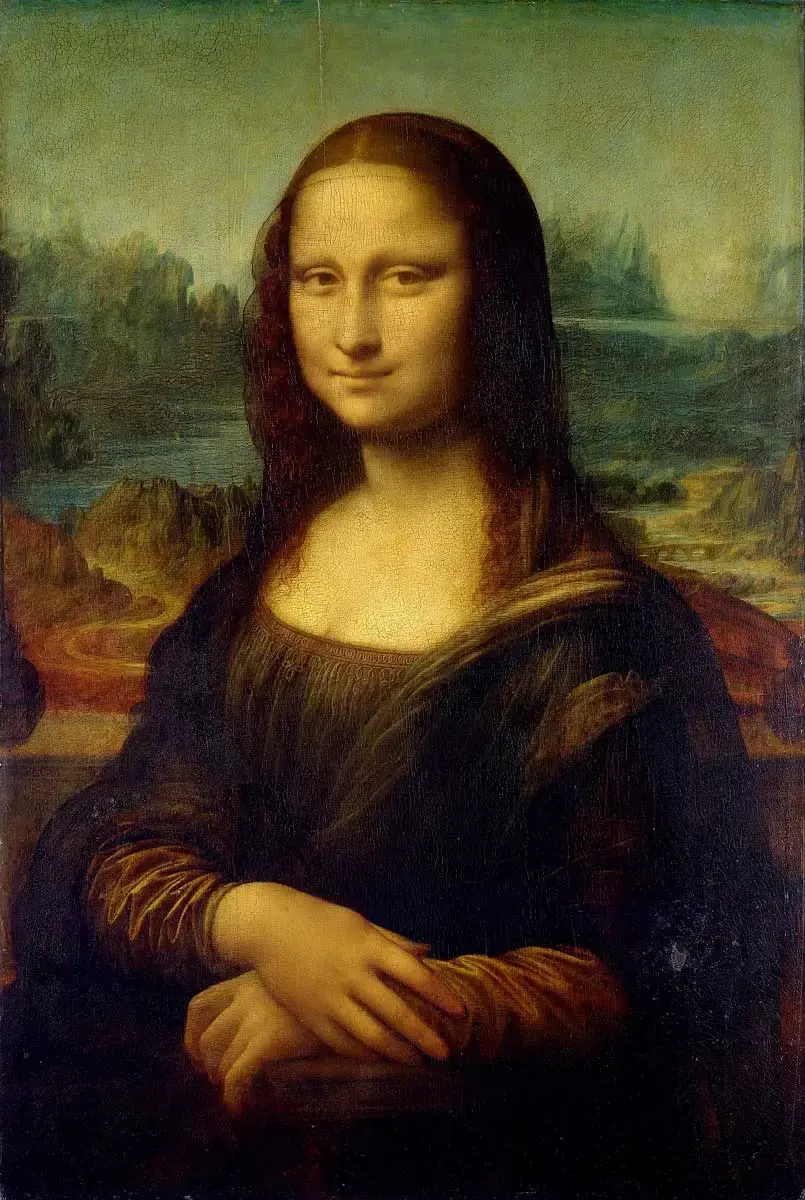
- Scarcity is a primary driver; works by deceased masters like Leonardo da Vinci command higher prices because their total output is finite.
- Condition reports are essential, as physical damage or poor restoration can reduce an item's value by 50% or more.
- Institutional validation, such as inclusion in major museum exhibitions or scholarly catalogs, acts as a stamp of approval that boosts market confidence.
- Trends in the art market fluctuate; for example, the 2021 surge in interest for digital-linked assets changed how collectors define value.
- When buying, always request a certificate of authenticity signed by the artist or a recognized estate authority to avoid purchasing forgeries.
The bottom line
The value of art is a complex intersection of objective history and subjective desire. While scarcity, provenance, and institutional recognition provide a framework for financial worth, the true value often lies in the work’s cultural impact and the collector's personal connection. By prioritizing authenticity and historical significance over fleeting trends, collectors can navigate the art market with greater confidence and make more informed, lasting acquisitions.
People also ask
Does a signature always guarantee an artwork is valuable?
No, a signature is easily forged and does not serve as proof of authenticity. Value is determined by the artist's historical significance, the quality of the work, and verifiable documentation.
Why do some artworks sell for millions while others sell for very little?
Prices are set by a combination of historical importance, the artist's reputation, and the intensity of competition at auction. Works that define a specific movement or era attract higher bids from global collectors.
Is art a reliable financial investment?
Art is considered a high-risk, illiquid asset class that requires deep market knowledge. While some pieces appreciate significantly, many works do not increase in value and may be difficult to resell quickly.
What role do galleries play in setting prices?
Galleries act as gatekeepers that establish an artist's "primary market" price based on exhibition history and demand. These prices provide a baseline for the secondary market, where works are resold at auction.
How can I tell if a piece of art is "good"?
Quality is subjective, but experts often evaluate technical execution, originality, and emotional resonance. A "good" work often challenges conventions or expresses a unique perspective that influences subsequent generations of artists.
Should I buy art based on current trends?
Buying based on trends is risky, as market tastes change rapidly and speculative bubbles can burst. It is generally safer to purchase works that you personally enjoy, as the long-term emotional value remains constant.
This answer was created with the help of AI research tools and reference sources. Spotted an error? Let us know — we correct mistakes quickly. See our editorial policy.