What is art criticism?
Short answer
Art criticism is the analytical practice of evaluating, interpreting, and judging works of visual art. It involves examining an object's formal qualities, historical context, and cultural significance to determine its meaning or value. Critics bridge the gap between the artist's intent and the viewer's experience, fostering deeper engagement with creative works.

On this page
What is the purpose of art criticism?
Art criticism serves as a vital link between the creative output of an artist and the public understanding of that work. Its primary goal is not merely to label a piece as "good" or "bad," but to articulate why a work matters within its broader context. By analyzing technique, composition, and thematic depth, critics help audiences navigate complex visual languages that might otherwise remain opaque.
Beyond simple observation, criticism provides a historical record of how art evolves alongside society. When a critic writes about a painting or sculpture, they document the cultural anxieties, political movements, and aesthetic shifts of the era. This feedback loop informs future artists and historians, creating a continuous dialogue about the role of creativity in human life. Ultimately, the practice encourages viewers to look more closely and think more critically about the world around them.
How to write an art critique
Writing a critique requires a disciplined approach that balances subjective response with objective observation. A structured method ensures that your analysis remains grounded in the physical reality of the artwork rather than just personal opinion. Follow these steps to develop a professional critique:
- Description: List the factual elements present, such as medium, size, subject matter, and color palette.
- Analysis: Examine how the elements of art—line, shape, texture, and space—are organized to create a specific effect.
- Interpretation: Explain what you believe the artist is trying to communicate through these choices.
- Judgment: Provide a final assessment based on the success of the work in achieving its stated or implied goals.
By moving through these stages, you avoid the common pitfall of jumping straight to a emotional reaction. This logical progression builds a persuasive argument that can stand up to scrutiny from other viewers.

What are the main methods of art criticism?
Critics often employ different theoretical frameworks to interpret art, depending on their specific focus. These methodologies act as lenses, highlighting different aspects of a work. Formalism, for instance, focuses exclusively on the visual elements—color, line, and composition—while ignoring the artist's biography or the political climate. This approach treats the artwork as a self-contained object.
Other common methods include:
- Contextualism: Examines the work through the lens of history, economics, and social politics.
- Psychoanalytic criticism: Explores the artist's subconscious desires and psychological state.
- Feminist criticism: Analyzes how gender roles and power dynamics influence the creation and reception of art.
- Semiotics: Treats the artwork as a system of signs and symbols that communicate meaning to the viewer.
Using these frameworks allows a critic to uncover layers of meaning that are not immediately apparent to the casual observer. Each method offers a unique perspective that enriches the overall understanding of the piece.
Why do people disagree about art?
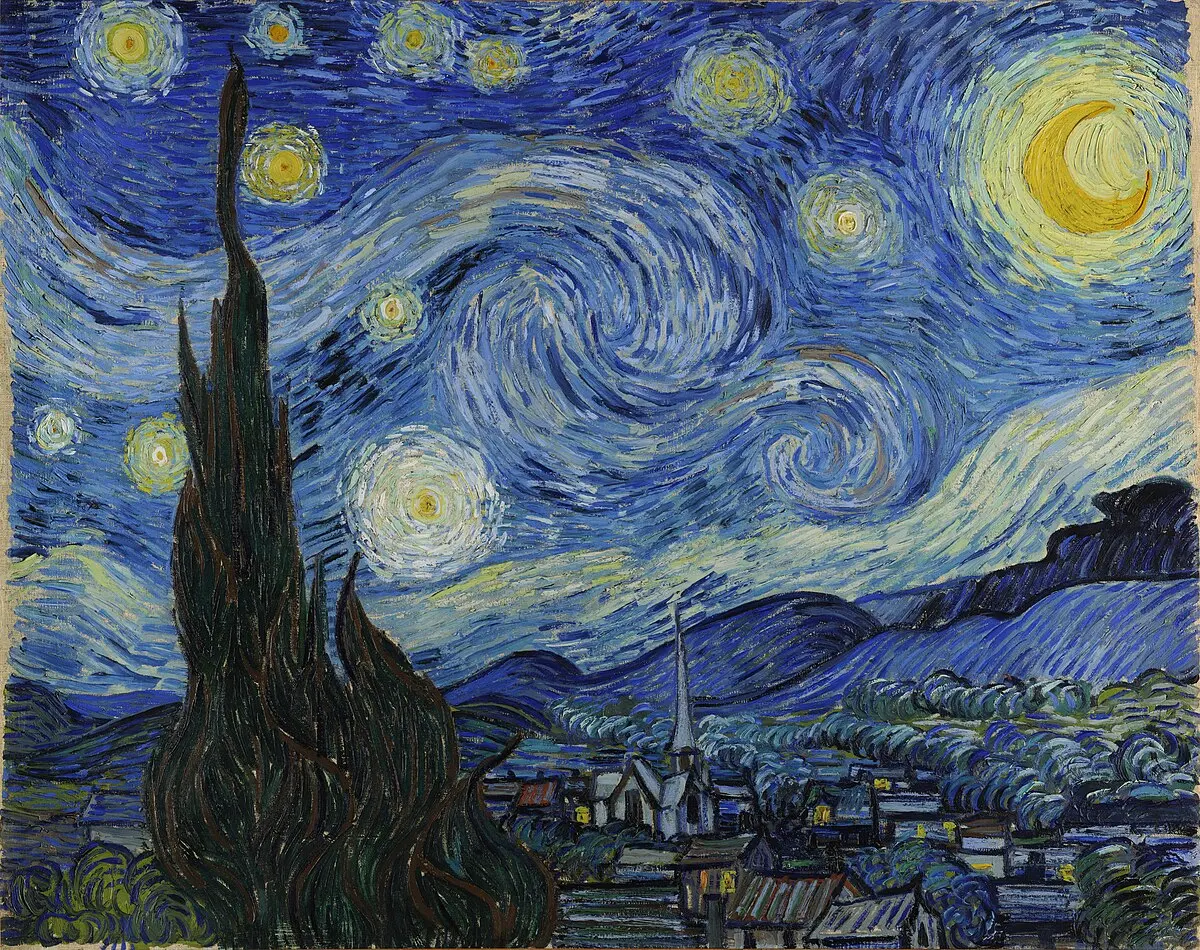
Disagreement is a fundamental component of art criticism because art is inherently subjective. Unlike mathematics, where there is often a single correct answer, art relies on the intersection of the object and the viewer's personal history. A critic’s background, education, and cultural identity inevitably color their perception of a work. What one person finds profound, another may find pretentious or confusing.
Furthermore, the standards for "quality" in art are not static; they shift over time. For example, the Impressionists were mocked by 19th-century critics for their "unfinished" brushwork, yet today they are celebrated as masters. This historical shift demonstrates that critical consensus is often a product of its time. When critics disagree, it is rarely a sign of failure; rather, it highlights the multifaceted nature of art and its ability to provoke diverse, equally valid responses from different audiences.
Common mistakes when critiquing art
The most frequent error in art criticism is relying on personal preference as a substitute for analysis. Saying "I don't like this" is a statement of taste, not a critique. A professional critic must set aside personal bias to evaluate the work on its own terms. Another common mistake is ignoring the artist’s intent or the historical context in which the piece was created. Without this background, an analysis often misses the core message or the technical constraints the artist faced.
To improve your critical writing, avoid these pitfalls:
- Over-reliance on jargon that obscures meaning rather than clarifying it.
- Failing to look at the work in person, which misses the scale and texture of the original.
- Ignoring the "why" behind the "what," focusing only on description without reaching a conclusion.
- Assuming there is only one correct way to interpret a complex piece of visual art.
By avoiding these errors, you ensure that your critique provides genuine value to the reader. Focus on clarity, evidence, and a balanced perspective to create a compelling and thoughtful evaluation of any artistic work.
Key facts
- Art criticism is the informed discussion and evaluation of visual art, balancing description, analysis, interpretation, and judgment.
- The practice gained prominence in the 18th century with Denis Diderot, who wrote reviews of the Paris Salon exhibitions starting in 1759.
- A critic’s primary goal is not to declare a work "good" or "bad," but to provide context that helps the viewer understand the artist's intent.
- Effective criticism often employs the "four-step method": describe what you see, analyze the composition, interpret the meaning, and evaluate the success of the work.
- Avoid the common mistake of relying solely on personal taste; instead, support your claims with evidence from the artwork's formal elements like color, line, and texture.
- Contextual knowledge, such as the historical period, the artist's biography, and the cultural climate, is essential for a nuanced critique.
The bottom line
Art criticism serves as a bridge between the artist’s vision and the viewer’s experience. By moving beyond subjective opinion toward structured analysis, critics provide the historical and formal context necessary to decode complex visual language. Whether you are writing a critique or simply observing a gallery piece, focusing on evidence-based observation will deepen your appreciation and understanding of how art functions within our broader culture.
People also ask
Does art criticism require an academic degree?
No, formal credentials are not required to practice art criticism. However, deep familiarity with art history, aesthetic theory, and contemporary trends is necessary to produce insightful and credible commentary.
How do I start writing a critique of a painting?
Begin by listing the factual elements, such as the medium, size, and subject matter. Once you have documented the physical reality of the piece, move on to how the artist used light and space to create a specific mood.
Is criticism the same thing as a review?
While often used interchangeably, a review is typically a short consumer guide intended to help readers decide whether to visit an exhibition. Criticism is a more rigorous, scholarly exploration of the work's deeper significance and place in art history.
What is the biggest mistake beginners make when critiquing art?
The most common error is equating "I like it" with "it is good." Professional criticism ignores personal preference to focus on how effectively the artist communicated their vision through technical and conceptual choices.
Can art criticism change the value of a work?
Yes, influential critics have historically shaped the art market and institutional recognition. When a respected critic champions an artist, it can lead to increased interest from museums, galleries, and private collectors.
Why do some people find art criticism elitist?
Critics are sometimes accused of using overly complex jargon that alienates the general public. Modern criticism strives to be more accessible, though it remains a specialized field that values precise, technical vocabulary to describe visual experiences.
This answer was created with the help of AI research tools and reference sources. Spotted an error? Let us know — we correct mistakes quickly. See our editorial policy.