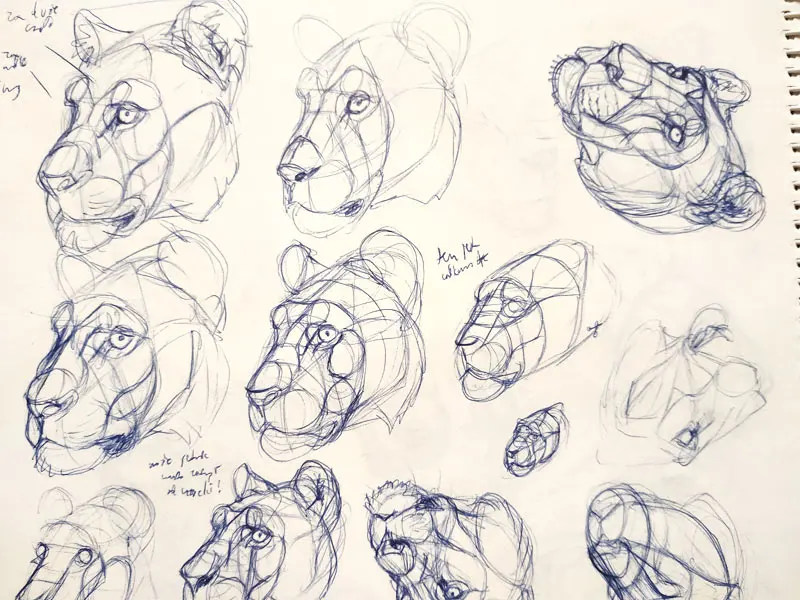
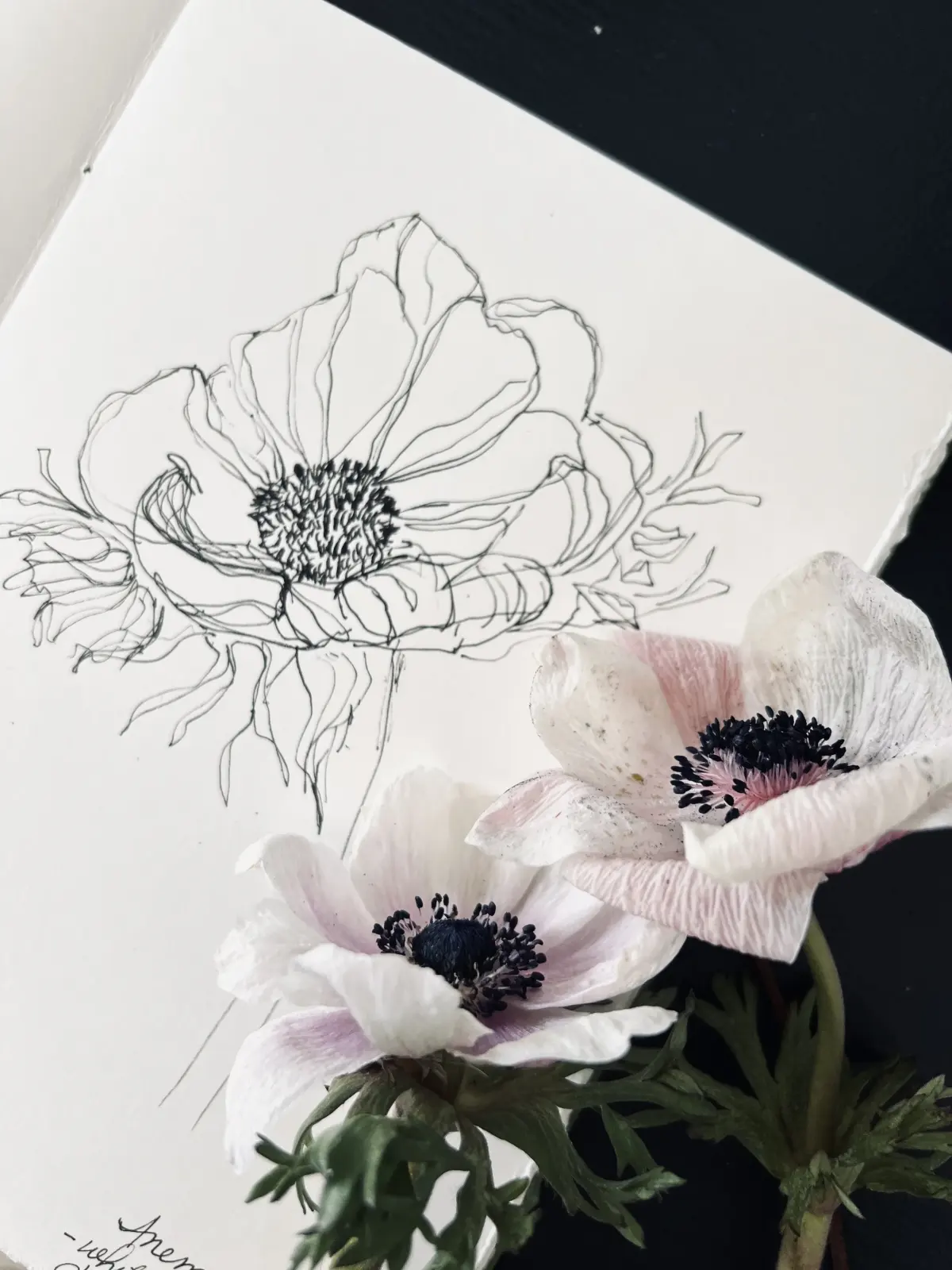
What is an artist statement?
Short answer
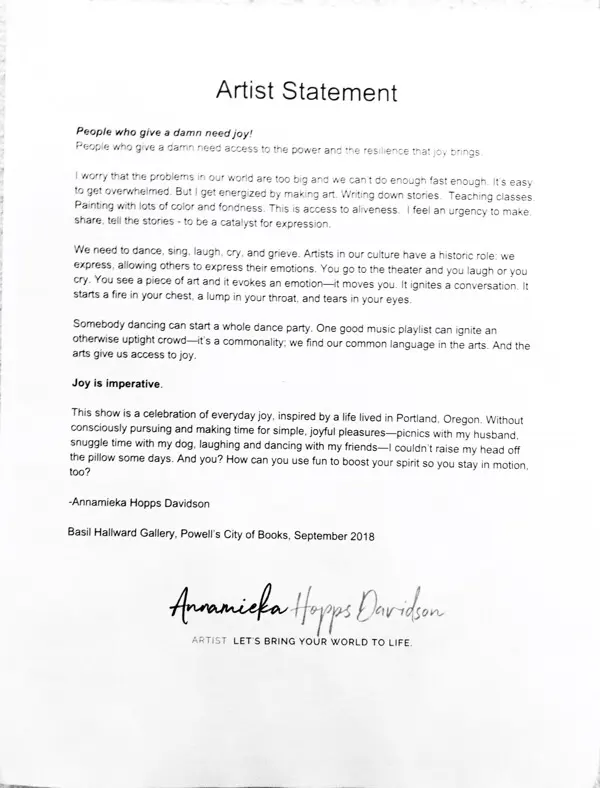
An artist statement is a brief, written introduction to an artist’s body of work. It explains the core themes, motivations, and techniques behind the creations. Typically ranging from 100 to 300 words, it serves as a bridge between the visual experience of the art and the viewer’s intellectual understanding of its purpose.
On this page
What is the purpose of an artist statement?
The primary goal of an artist statement is to provide context for your creative output. While art is often subjective, a statement acts as a guide, ensuring that the viewer understands the "why" behind your aesthetic choices. It is not meant to replace the artwork but to enrich the experience by highlighting your conceptual framework and artistic intent.
Galleries, grant committees, and collectors frequently request these documents to assess your professional maturity. A well-crafted statement demonstrates that you have a clear vision and can articulate your ideas with clarity. By defining your practice, you establish a professional identity that distinguishes your work from others in a competitive market. It transforms your art from a collection of objects into a cohesive body of research and expression.
How to write an artist statement for beginners
Writing your first statement can be daunting, but the process is manageable if you break it down into logical steps. Start by reflecting on the recurring themes in your work and the specific materials you choose to use. Focus on the connection between your personal history and the physical outcome of your creative process.
- Brainstorm a list of keywords that describe your style, such as "minimalist," "political," or "tactile."
- Draft a paragraph explaining why you make art, focusing on the problems or questions you are trying to solve.
- Describe your technical process, noting any unique methods or materials that define your signature look.
- Edit your draft to remove jargon and overly academic language, ensuring the text remains accessible to a general audience.
- Read the final version aloud to check for flow and tone, making sure it sounds like a natural extension of your personality.
How long should an artist statement be?
Brevity is essential in the art world, where curators and collectors often scan dozens of applications in a single sitting. A standard artist statement should be between 150 and 250 words. This length is sufficient to convey your conceptual depth without overwhelming the reader with unnecessary details or overly complex philosophical tangents.
If you are preparing a statement for a specific exhibition or a portfolio submission, you may need to adjust the length accordingly. Some venues prefer a "short statement" of about 50 words for wall labels, while others require a "long statement" of up to 500 words for formal catalogs. Regardless of the length, prioritize clarity and impact. Every sentence must serve a purpose; if a paragraph does not add value to the reader's understanding of your work, it should be removed.
Why do artists need an artist statement?
In the contemporary art market, your work rarely speaks entirely for itself. An artist statement provides the necessary narrative that allows viewers to connect with your work on an emotional or intellectual level. It serves as a permanent record of your evolution as an artist, documenting how your interests and techniques shift over time.
Beyond the gallery, this document is vital for professional opportunities. When applying for residencies, grants, or academic positions, your statement is often the first document reviewed by a selection panel. It serves as a litmus test for your ability to communicate your value proposition. Without a coherent statement, you risk being misunderstood, which can lead to missed opportunities for sales, exposure, or critical engagement. It is a fundamental tool for building a sustainable professional career.
Common mistakes when writing an artist statement
Many artists fall into the trap of using "art-speak," which involves using overly dense, academic, or pretentious language to sound more sophisticated. This often has the opposite effect, alienating the reader and obscuring the actual content of the work. Avoid using buzzwords or complex sentence structures that do not reflect how you actually speak about your art.
- Avoid writing in the third person; use "I" to make the statement feel personal and authentic.
- Do not apologize for your work or use self-deprecating language that undermines your authority.
- Avoid listing your entire biography or exhibition history, as this information belongs in your curriculum vitae.
- Do not make broad, unsupported claims about the history of art or the nature of humanity.
- Avoid using flowery, poetic descriptions that fail to explain what you actually do or why you do it.
By focusing on direct, honest communication, you ensure that your statement remains a useful tool for your audience. Keep your tone professional yet accessible, and always prioritize the specific themes that make your work unique. A clear, concise, and honest statement will always be more effective than one that tries too hard to sound impressive.
Key facts
- An artist statement is a brief, first-person text that explains the "why" and "how" behind your creative work.
- Keep the length between 100 and 200 words to ensure it remains accessible for gallery curators and casual viewers.
- Use clear, plain language rather than dense academic jargon or overly flowery descriptions.
- Focus on the themes, materials, and personal motivations that define your current body of work.
- Update your statement regularly to reflect shifts in your artistic practice, techniques, or conceptual focus.
- Avoid listing your resume or biography, as these belong in separate documents like your CV.
The bottom line
An effective artist statement serves as a bridge between your creative output and your audience. By focusing on your core motivations and technical approach in clear, concise language, you provide viewers with the necessary context to engage with your work. Keep it brief, authentic, and updated, ensuring that your words enhance the visual experience rather than overshadowing the art itself through unnecessary complexity or professional fluff.
People also ask
How long should an artist statement be?
A standard artist statement is typically between 100 and 200 words. This length is concise enough to be read quickly in a gallery setting while providing enough depth to explain your artistic intent.
Should I write in the first or third person?
Always write in the first person using "I" or "my." This establishes a direct, personal connection between you and the reader, making your perspective feel authentic and immediate.
Can I use the same statement for every project?
While you can keep core themes consistent, you should tailor your statement to the specific body of work on display. A statement for a sculpture exhibition should highlight different technical and conceptual elements than one for a digital photography series.
What is the difference between an artist statement and an artist bio?
An artist statement focuses on your creative process, themes, and the meaning behind your work. An artist bio is a factual summary of your professional history, including education, exhibitions, awards, and career milestones.
Is it okay to use complex art theory language?
It is best to avoid dense academic jargon or "art-speak." Your goal is to communicate your vision clearly to a broad audience, so prioritize readability and straightforward explanations of your concepts.
What are common mistakes to avoid when writing one?
Avoid over-explaining your work to the point of limiting the viewer's interpretation. Also, steer clear of spelling errors, overly poetic metaphors, and vague claims about your artistic genius that lack supporting context.
This answer was created with the help of AI research tools and reference sources. Spotted an error? Let us know — we correct mistakes quickly. See our editorial policy.