What is outsider art?
Short answer
Outsider art refers to creative works produced by self-taught individuals who operate outside the established norms of the professional art world. These artists often lack formal training, work in isolation, and create pieces motivated by personal necessity or private vision rather than for commercial success, public recognition, or inclusion in institutional galleries.
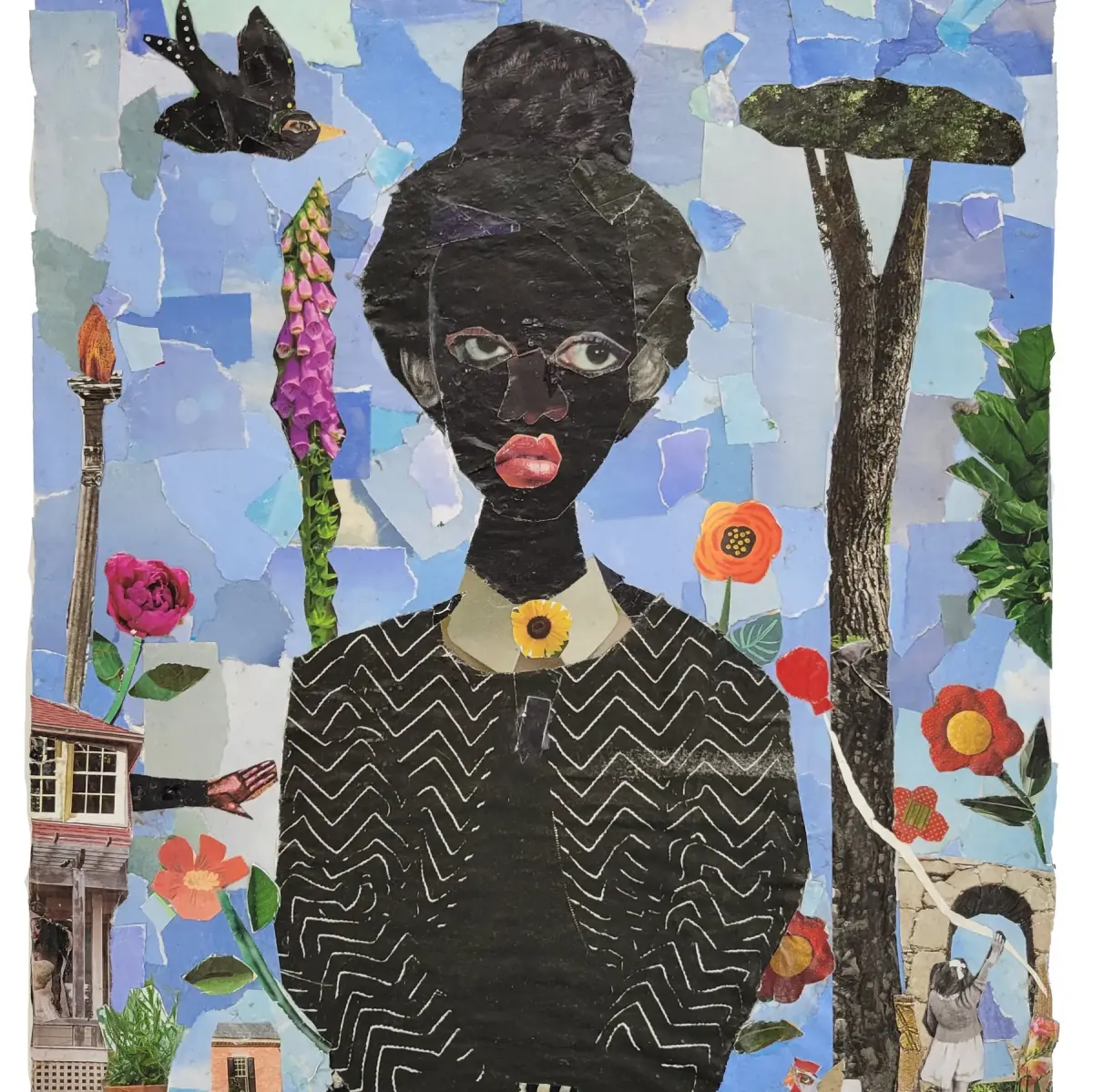
On this page
What defines outsider art?
The term "outsider art" was coined in 1972 by art historian Roger Cardinal as an English equivalent for the French concept art brut, or "raw art." This movement was pioneered by French artist Jean Dubuffet, who began collecting works by psychiatric patients and social outcasts in the 1940s. He believed these creators were untainted by the cultural conditioning and academic constraints that he felt stifled traditional artists.
To qualify as outsider art, a work must generally meet several criteria:
- The creator is entirely self-taught, having never attended art school or engaged in formal artistic training.
- The work is produced without regard for contemporary artistic trends, market demands, or the expectations of the art establishment.
- The creator often experiences a sense of social or psychological isolation, leading to a highly idiosyncratic, intensely personal visual language.
- The motivation is internal, often driven by a need to express complex inner realities, spiritual visions, or obsessive compulsions.
Why do artists create outsider art?
For many outsider artists, the act of creation is a survival mechanism or a way to organize a chaotic internal world. Unlike professional artists who may focus on aesthetics or social commentary, outsider artists frequently work in a state of "compulsive creation." This process can be therapeutic, providing a sense of order and agency to individuals who may feel marginalized by mainstream society.
Some artists are driven by specific, often unconventional, inspirations:
- Religious or apocalyptic visions that demand to be documented through sculpture or painting.
- The desire to construct elaborate, private environments, such as the famous Watts Towers in Los Angeles built by Simon Rodia.
- A need to catalog or map the world in ways that deviate from standard scientific or logical categorization.
- The urge to transform everyday, discarded materials—such as bottle caps, scrap metal, or driftwood—into elaborate, symbolic structures.
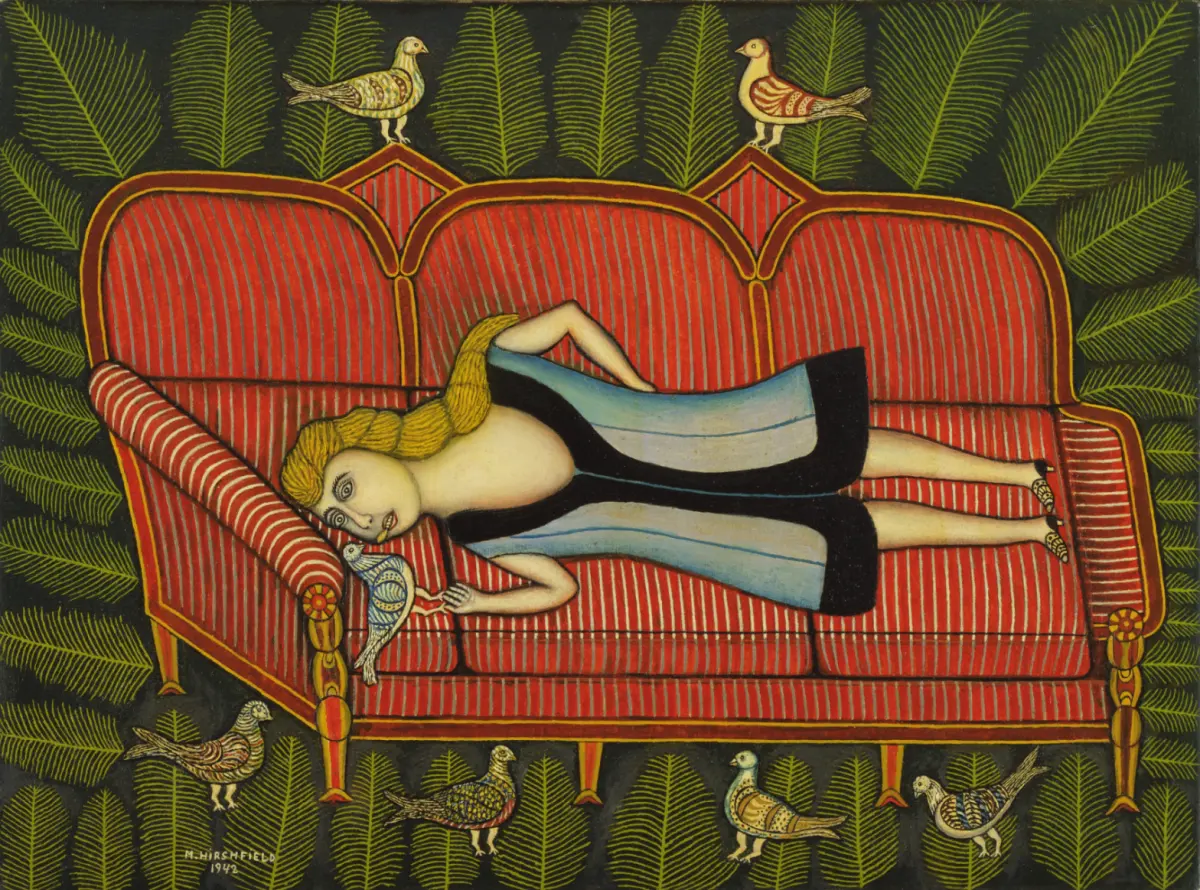
How to identify authentic outsider art
Identifying outsider art requires looking past technical skill and focusing on the artist’s intent and background. Because the genre is defined by its lack of institutional connection, it is often discovered posthumously or through the efforts of dedicated collectors. Authentic works often display a disregard for traditional perspective, color theory, or composition, favoring instead a raw, unfiltered expression that feels entirely unique to the creator.
When evaluating a piece, consider these factors:
- Does the artist have any formal training, or did they intentionally reject it?
- Is the work part of a larger, obsessive body of work that was never intended for public sale?
- Does the artist use non-traditional materials that reflect their immediate environment rather than professional art supplies?
- Is there a lack of awareness regarding the "art world" and its hierarchies?
If the artist is creating with the intent of gallery representation or professional acclaim, the work is generally classified as "folk art" or "self-taught art" rather than true outsider art.
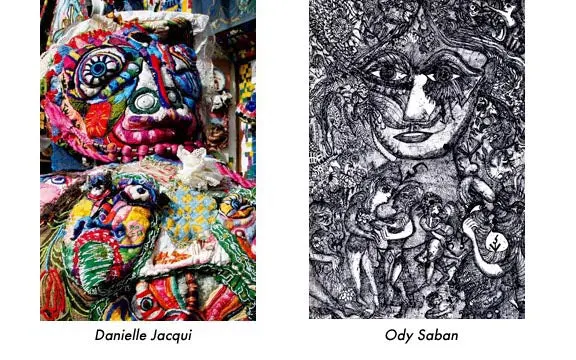
Common mistakes when studying outsider art
A frequent error is conflating outsider art with "folk art." While both are often self-taught, folk art is typically rooted in community traditions, cultural heritage, and shared aesthetic values. Outsider art, by contrast, is deeply individualistic and often defies the cultural norms of the artist's own community. Another mistake is assuming that all outsider artists suffer from mental illness. While some creators in the history of the movement were institutionalized, many others were simply eccentric, isolated, or socially detached individuals who found personal meaning in their creative work.
Avoid these common pitfalls when researching the field:
- Assuming that "raw" or "naive" technique implies a lack of intelligence or sophistication.
- Romanticizing the struggles of the artist to justify the commercial value of their work.
- Ignoring the specific environmental context, such as the artist's living conditions or the materials available to them.
- Overlooking the role of "discoverers"—the collectors and curators who bring these works to light—and how their framing influences our perception of the art.
How to explore outsider art collections
If you are interested in viewing outsider art, you should look for museums dedicated to the preservation of these unique works. Institutions such as the American Visionary Art Museum in Baltimore or the Collection de l’Art Brut in Lausanne, Switzerland, provide excellent context for understanding the movement. Because many outsider environments are site-specific, such as massive outdoor sculptures or home installations, visiting these locations in person is often the best way to appreciate the scope of the artist's vision.
To get started with your exploration:
- Research the history of Jean Dubuffet and the founding of the Compagnie de l'Art Brut.
- Visit websites of museums that specialize in self-taught and visionary art to view digital archives.
- Look for documentaries that profile specific artists, as these often provide the necessary backstory to understand the "why" behind the work.
- Attend exhibitions that focus on "outsider" or "visionary" art to see how curators attempt to bridge the gap between these private worlds and the public eye.
Key facts
- Outsider art refers to creative work produced by individuals who exist outside the established boundaries of the professional art world.
- The term was coined in 1972 by art historian Roger Cardinal as an English equivalent for the French concept art brut.
- Many creators of outsider art are self-taught and often possess no formal training or connection to galleries and museums.
- Common themes in this genre include intense personal visions, complex patterns, obsessive repetition, and spiritual or psychological exploration.
- Materials used are frequently unconventional, ranging from recycled trash and found objects to common household items like ballpoint pens or scrap wood.
- To identify authentic outsider art, look for a lack of awareness regarding contemporary art trends and a primary focus on internal necessity rather than external audience reception.
The bottom line
Outsider art represents the raw, unmediated expression of individuals working beyond the influence of the traditional art world. By prioritizing personal necessity over academic training or market trends, these creators produce highly original, often intense works using everyday materials. Understanding this genre requires looking past the artist's biography to appreciate the unique, idiosyncratic vision that defines this compelling and deeply human form of creative output.
People also ask
How does outsider art differ from folk art?
Folk art typically reflects the traditions, crafts, and cultural heritage of a specific community or region. Outsider art is defined by the individual, idiosyncratic vision of the creator rather than shared cultural customs.
Is outsider art the same as visionary art?
While they overlap, visionary art specifically refers to work inspired by spiritual or mystical experiences. Outsider art is a broader category that includes visionary work but also encompasses art created for purely personal or psychological reasons.
Can an artist be considered an outsider if they become famous?
Yes, the label refers to the artist's background and motivation rather than their market success. Once a self-taught artist gains recognition, they may be described as a "formerly" outsider artist, though their original work remains categorized as such.
What are the most common mistakes when collecting outsider art?
A major mistake is assuming that all outsider art is created by people with mental illnesses. Another error is focusing on the artist’s biography rather than the aesthetic quality and technical execution of the physical work itself.
Where can one view major collections of outsider art?
Significant institutions include the Collection de l'Art Brut in Lausanne, Switzerland, and the American Visionary Art Museum in Baltimore, Maryland. These museums specialize in preserving and exhibiting works by self-taught creators.
Is outsider art considered a formal art movement?
No, it is not a movement because it lacks a unified manifesto, shared style, or organized group of participants. It is better described as a broad category or a classification for art created in isolation from the mainstream art establishment.
This answer was created with the help of AI research tools and reference sources. Spotted an error? Let us know — we correct mistakes quickly. See our editorial policy.