What is performance art?
Short answer
Performance art is an interdisciplinary medium where artists use their own bodies and actions as the primary material. Unlike traditional theater, it often emphasizes the process and the physical presence of the performer over a scripted narrative. These works occur in real-time, frequently challenging boundaries between the artist and the audience.
On this page
What is the history of performance art?
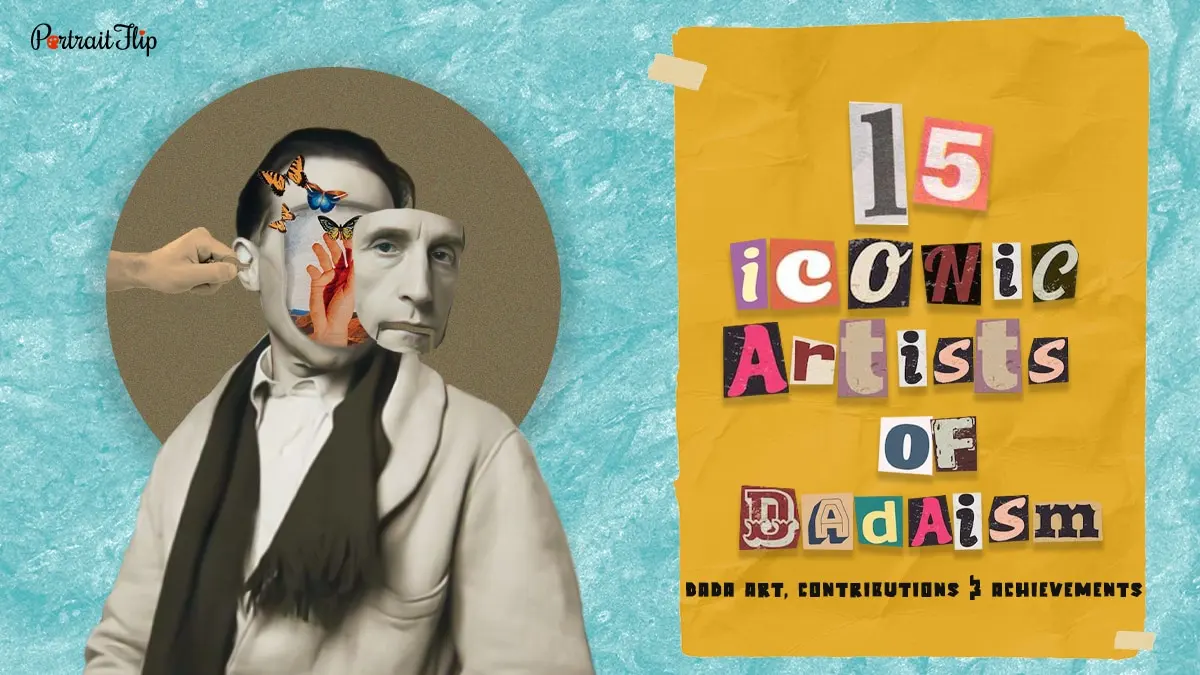
The roots of performance art trace back to the early 20th century, emerging from avant-garde movements like Futurism and Dada. These artists sought to break away from the static nature of painting and sculpture by incorporating live, often chaotic, demonstrations. By the 1960s and 1970s, the medium solidified as a distinct practice, heavily influenced by the Fluxus movement and the desire to demystify the art object. Figures like Yoko Ono and Allan Kaprow began staging "Happenings," which were spontaneous, participatory events that prioritized immediate experience over commercial value.
The medium gained significant cultural prominence as artists explored themes of endurance, identity, and political protest. Iconic works from this era include Marina Abramović’s Rhythm 0 (1974), where she invited the public to interact with her body using various objects. This shift marked a departure from the gallery as a space for observation toward the gallery as a space for visceral, often uncomfortable, human exchange. Today, performance art remains a vital tool for examining social structures and the limitations of the human form.
How do you create a performance art piece?
Creating a performance art piece requires a clear conceptual framework rather than a traditional script. You must decide whether the work will be durational, site-specific, or interactive. Once the concept is established, you should focus on the physical requirements of the performance and the materials needed to facilitate the action.
- Define your core concept: What specific emotion or social commentary are you attempting to convey?
- Choose your environment: Determine if the performance requires a controlled gallery setting or an uncontrolled public space.
- Establish boundaries: Decide how much interaction you want from the audience and what safety protocols are necessary.
- Rehearse the physical actions: Practice the movements to ensure they align with your conceptual goals and physical limits.
- Document the performance: Arrange for photography or video recording, as the live act is ephemeral and will not exist once finished.
Why do performance artists use their bodies?
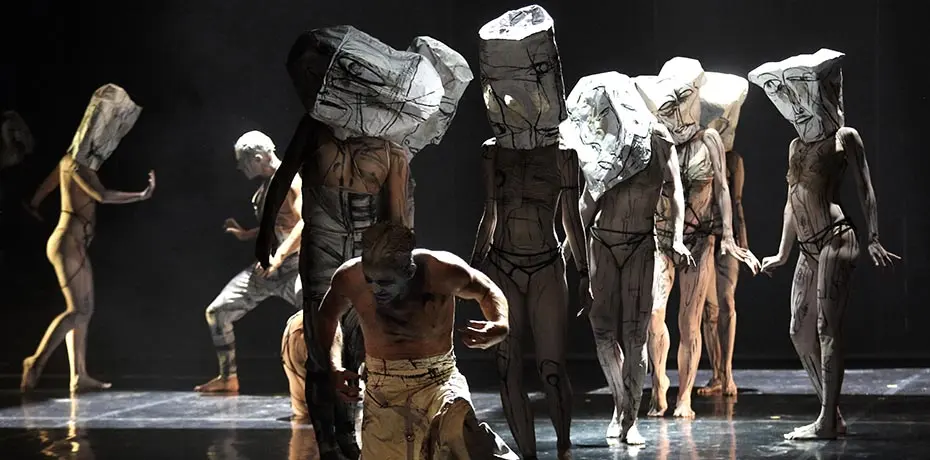
Performance artists utilize their own bodies because they serve as the most direct medium for communication. By placing themselves in the center of the work, the artist removes the distance between the creator and the creation. This creates a raw, authentic connection that static media cannot replicate. The body acts as a canvas, a tool, and a subject, allowing the artist to explore vulnerability, endurance, and physical pain in a way that is immediately legible to the viewer.
Furthermore, the physicality of the performer forces the audience to confront the reality of the human experience. When an artist performs a repetitive or taxing action for several hours, the viewer is invited to witness the physiological changes in real-time. This shared temporal experience fosters empathy and forces a heightened state of awareness. It shifts the focus from "looking at" an object to "being with" a person, effectively turning the act of watching into a form of active participation.
Best tips for performance art beginners
For those new to the medium, the most effective approach is to start with simple, repetitive actions that highlight a specific concept. Do not feel pressured to perform extreme feats of endurance or elaborate stunts. Instead, focus on the clarity of your intention and the consistency of your presence. Authenticity is far more impactful than theatricality; the audience will respond best to sincerity.
- Keep your actions focused and singular to avoid diluting the message.
- Consider the duration carefully; even a simple action becomes intense when sustained for an hour or more.
- Practice in private to understand your physical stamina and emotional triggers before performing in front of an audience.
- Research the history of the medium to understand how others have navigated the relationship between performer and spectator.
- Always prioritize your physical safety, especially when incorporating external objects or environmental elements into your work.
Common mistakes when performing art
One of the most frequent mistakes beginners make is failing to define the boundaries of audience engagement. Without clear parameters, the interaction can become chaotic or distracting, pulling focus away from the intended meaning of the work. It is essential to communicate your needs and the rules of the performance clearly, whether through signage, a curator, or the way you position your body within the space.
Another common error is neglecting the importance of post-performance reflection. Many artists treat the performance as the end of the process, but analyzing the audience's reaction and your own internal state is crucial for growth. Avoid becoming overly attached to the "success" of the performance in terms of applause; instead, evaluate how effectively you communicated your concept. Ensure you have a plan for physical and emotional recovery, particularly if the performance involved high levels of exertion or vulnerability, as the transition back to daily life can be jarring.
Key facts
- Performance art is an interdisciplinary medium where the artist’s own body and actions serve as the primary material.
- Unlike traditional painting or sculpture, performance art is ephemeral and exists only for the duration of the event.
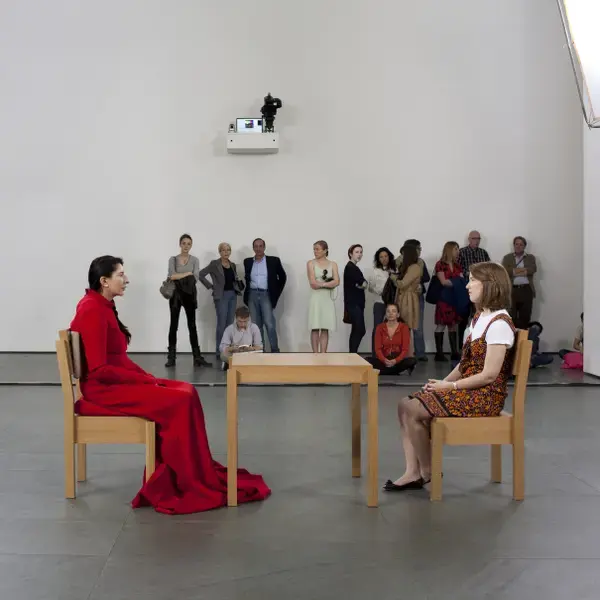
- Marina Abramović is widely considered a pioneer, famously sitting motionless for 736 hours in her 2010 piece The Artist Is Present.
- A core element of the medium is the direct, unmediated relationship between the performer and the audience.
- To create a piece, define a clear set of rules or a duration, then execute the action with total commitment.
- Common mistakes include over-rehearsing to the point of losing spontaneity or failing to consider the physical safety of the performer.
The bottom line
Performance art is a powerful medium that prioritizes the artist’s presence and immediate action over the creation of a physical object. By utilizing the body as a canvas, artists challenge conventional boundaries between art and life. Whether through endurance, ritual, or social interaction, performance art forces viewers to engage with the present moment, transforming temporary actions into profound, lasting experiences that reshape our understanding of creative expression.
People also ask
Is performance art the same as theater?
While both involve live performers, theater typically relies on a script, characters, and a fictional narrative. Performance art often rejects these conventions, focusing instead on real-time experience, physical endurance, or conceptual exploration.
Do performance artists always interact with the audience?
Not necessarily; some performances are solitary acts where the artist ignores the audience entirely. Others, like Yoko Ono’s Cut Piece (1964), require direct physical participation from spectators to complete the work.
How is performance art documented if it is temporary?
Artists use photography, video recordings, and written scores to preserve the memory of an event. These documents often become the only way future generations can study or exhibit the work.
Can anyone be a performance artist?
Yes, the medium is highly accessible because it requires no specialized equipment beyond the artist's own body. However, successful performance art requires a strong conceptual framework to distinguish it from everyday behavior.
What is the role of the "score" in performance art?
A score is a set of written instructions that outlines the parameters of the performance. It allows an artist to repeat a piece or enables others to perform the work in the artist's absence.
Why do some performance artists utilize pain or danger?
Artists often use extreme physical states to test the limits of human endurance and provoke an emotional response. This creates a visceral connection with the audience, highlighting the vulnerability of the human condition.
This answer was created with the help of AI research tools and reference sources. Spotted an error? Let us know — we correct mistakes quickly. See our editorial policy.