What is contemporary art?
Short answer
Contemporary art encompasses works produced from the late 1960s to the present day. It prioritizes concepts, social commentary, and diverse media over traditional aesthetic standards. Artists today often challenge boundaries, utilizing installations, performance, and digital technologies to reflect the complexities of global culture, identity, and the rapidly evolving modern human experience.
On this page
What defines contemporary art?
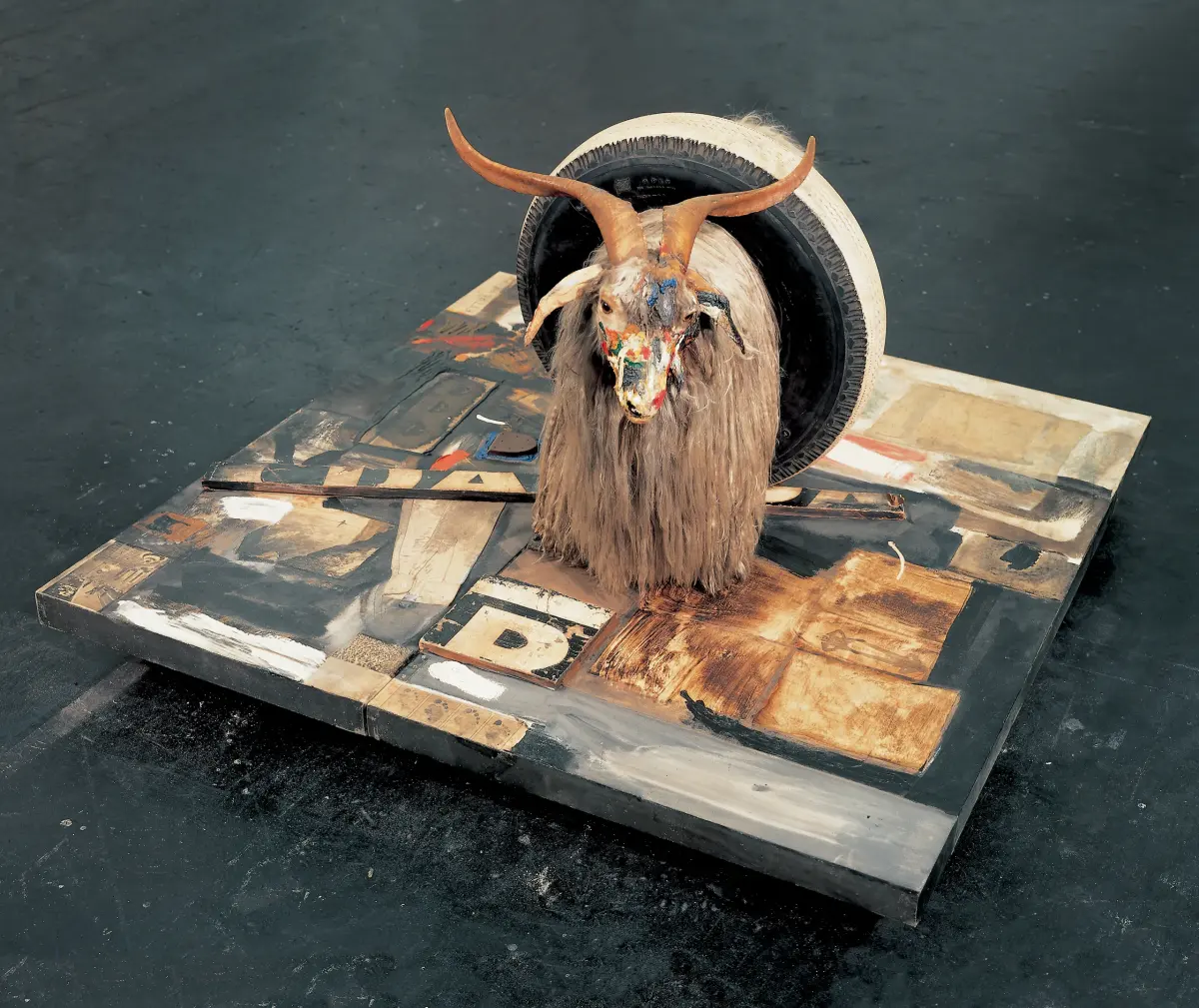
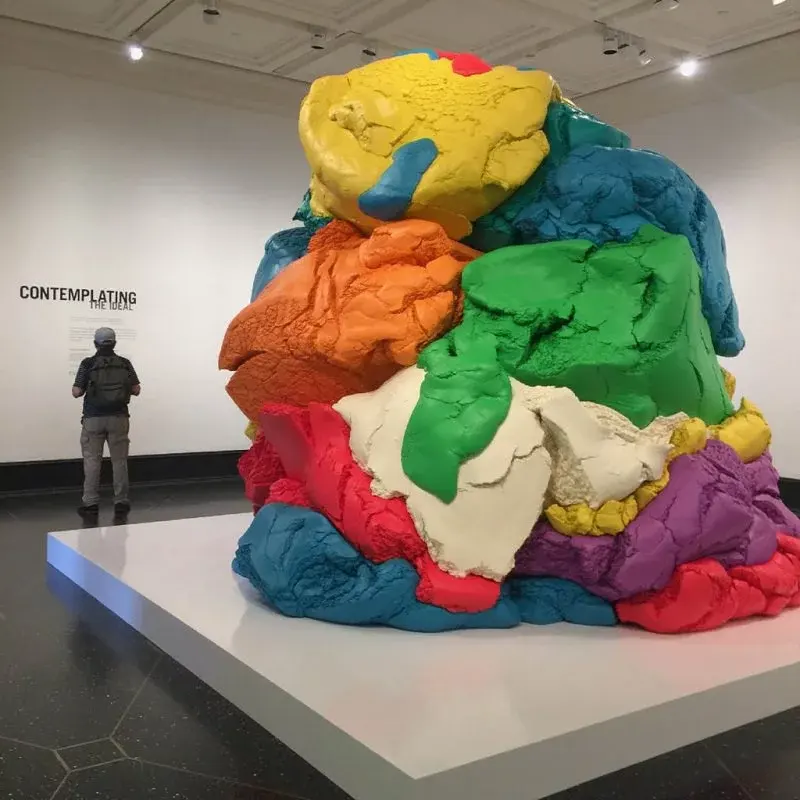
Contemporary art is broadly defined as art created within the artist's own lifetime, specifically following the decline of Modernism in the late 1960s. Unlike earlier periods that focused on rigid techniques like oil painting or classical sculpture, contemporary art is characterized by a "post-medium" condition. This means artists are free to choose any material or method that best communicates their specific message, whether that involves industrial waste, light projections, or their own bodies.
The movement is deeply rooted in the shift from the object to the idea. Conceptual art, which emerged in the 1960s, argued that the intellectual premise of a work is more significant than the physical result. Consequently, contemporary art often addresses pressing social, political, and cultural issues. Artists like Ai Weiwei, Kara Walker, and Damien Hirst use their platforms to critique systems of power, historical trauma, and the commodification of the art world itself.
How to understand contemporary art
Engaging with contemporary art requires a shift in perspective. Instead of asking if a piece is "beautiful" or "well-made," viewers should ask what the artist is trying to communicate. Many works are intentionally provocative or confusing, designed to spark dialogue rather than provide simple visual pleasure. Understanding this art often requires reading the provided wall text or gallery guide, which offers the necessary context for the artist's intent.
To better navigate an exhibition, consider these steps:
- Observe your initial emotional reaction to the work.
- Read the title and the artist’s statement to identify the core theme.
- Look for clues in the choice of materials, such as why an artist might use trash to represent consumerism.
- Consider the historical or social context in which the piece was created.
- Reflect on how the work challenges your personal assumptions or values.
Where to see contemporary art
Accessing contemporary art is easier than ever, as it is displayed in specialized museums, commercial galleries, and public spaces worldwide. Major institutions like the Museum of Modern Art (MoMA) in New York, the Tate Modern in London, and the Centre Pompidou in Paris house extensive collections. However, contemporary art is also frequently found in non-traditional settings, such as city plazas, abandoned warehouses, or digital platforms, reflecting its desire to move beyond the "white cube" of the gallery.
Beyond permanent museums, large-scale international exhibitions offer a comprehensive view of current trends. These events, often called biennials or triennials, occur every two or three years and feature artists from around the globe. Notable examples include:
- The Venice Biennale, which is considered the most prestigious international art exhibition.
- Documenta, held in Kassel, Germany, known for its intellectual and experimental focus.
- Art Basel, which functions primarily as a massive commercial fair but hosts significant public installations.
- The Whitney Biennial, which highlights the state of contemporary art specifically in the United States.

Why contemporary art is controversial
Controversy is a hallmark of contemporary art, as it frequently pushes the boundaries of public taste and moral conventions. Because the field prioritizes challenging the status quo, artists often address taboo subjects like religion, sexuality, and government corruption. This can lead to public outcry or censorship, especially when art is funded by taxpayers or displayed in sensitive community spaces. The controversy itself is often part of the work's success, as it forces society to confront uncomfortable truths.
Another point of contention is the perceived lack of technical skill. Critics often argue that if a work can be easily replicated or consists of everyday objects, it lacks artistic merit. However, proponents argue that the skill lies in the artist's ability to synthesize complex ideas into a visual form. The value of such work is often determined by its cultural impact and its ability to influence subsequent generations of creators, rather than the manual labor involved in its fabrication.
Common mistakes when viewing art
A frequent mistake is the assumption that you must "get" the art immediately. Many visitors feel inadequate if they do not understand a piece instantly, leading to frustration or dismissal. It is perfectly acceptable to dislike a work or find it confusing; the goal is to engage with the experience rather than achieve a perfect interpretation. Avoiding the pressure to find a "correct" meaning allows for a more authentic and personal connection with the art.
Another error is ignoring the context of the work. If you view a piece in isolation without knowing when or why it was made, you are likely missing the most important elements of the narrative. To avoid this, always take a moment to research the artist's background and the specific movement they represent. By approaching contemporary art with curiosity, patience, and an open mind, you can transform a confusing experience into a meaningful exploration of the world around you.
Key facts
- Contemporary art generally refers to work produced from the late 1960s to the present day.
- Unlike modern art, which focused on formal experimentation, contemporary art often prioritizes conceptual ideas over technical skill.
- Globalization has expanded the field, incorporating diverse perspectives from artists in Africa, Asia, and Latin America.
- Common mediums include installation, performance, video, and digital media alongside traditional painting and sculpture.
- To understand a piece, research the "artist statement" to learn the specific social or political context behind the work.
- Avoid the mistake of assuming art must be visually "beautiful" to be valuable; focus instead on the questions the work raises.
The bottom line
Contemporary art is a vibrant, evolving field that reflects the complexities of our globalized world. By prioritizing ideas and social commentary over traditional aesthetics, it challenges viewers to rethink their perceptions of reality. Whether you are a casual observer or a budding collector, the key is to remain curious, embrace ambiguity, and consider the context behind the work rather than seeking only visual pleasure.
People also ask
Is contemporary art the same as modern art?
No, modern art refers to the period from the late 19th century to the 1960s, characterized by movements like Impressionism and Cubism. Contemporary art follows this era and is defined by its focus on current issues and unconventional materials.
Why is contemporary art often so expensive?
Prices are driven by market demand, the artist's historical significance, and the scarcity of works in private collections. Auction houses like Christie’s and Sotheby’s play a major role in establishing these high financial valuations.
How can I start collecting contemporary art on a budget?
Visit local graduate school thesis exhibitions or independent galleries to find emerging artists. Purchasing limited-edition prints or small works on paper is a practical way to begin building a collection without significant capital.
Do I need to be an expert to enjoy contemporary art?
You do not need formal training to appreciate art, as personal reaction is a valid starting point. Engaging with the wall text provided in galleries can help bridge the gap between your initial impression and the artist's intent.
What is a "conceptual" artwork?
A conceptual work is one where the idea or "concept" behind the piece is more important than the finished physical object. For example, an artist might present a set of instructions rather than a painting to challenge how viewers define art.
Where is the best place to see contemporary art?
Major institutions like the Tate Modern in London, the Museum of Modern Art in New York, and the Centre Pompidou in Paris host extensive collections. Biennials, such as the Venice Biennale, are also essential for seeing the most current global trends.
This answer was created with the help of AI research tools and reference sources. Spotted an error? Let us know — we correct mistakes quickly. See our editorial policy.