What is an art installation?
Short answer
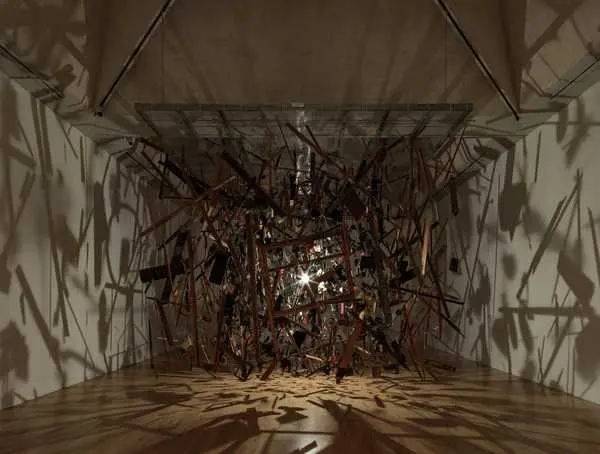
An art installation is a three-dimensional, site-specific work designed to transform the perception of a space. Unlike traditional sculptures, installations often occupy an entire room or environment, inviting viewers to walk through or interact with the piece. These works emphasize the relationship between the viewer, the artwork, and the surrounding physical context.

On this page
What defines an art installation?
An art installation is characterized by its immersion and spatial awareness. While a painting hangs on a wall and a statue sits on a pedestal, an installation claims the floor, ceiling, and walls to create a cohesive experience. Artists use diverse materials, including light, sound, video, and found objects, to construct a narrative or atmosphere. The goal is to move the viewer from a passive observer to an active participant within the work.
The term gained prominence in the 1960s and 70s as artists sought to break away from the limitations of the traditional art market. Pioneers like Allan Kaprow and Yayoi Kusama shifted the focus toward "environments" that could not be easily bought or sold. Because these works are tied to a specific location, they are often ephemeral, existing only for the duration of an exhibition. This focus on the "here and now" remains the defining hallmark of the medium today.
How do artists create an installation?
Creating an installation requires a systematic approach to spatial planning and material selection. Artists must consider how the physical dimensions of a room will dictate the flow of traffic and the viewer's emotional response. The process is less about crafting a single object and more about orchestrating a series of sensory inputs that function as a unified whole.
- Site Analysis: Measure the space and identify architectural features like windows, pillars, or lighting tracks.
- Concept Development: Determine the primary message or feeling you want the viewer to experience.
- Material Sourcing: Collect items that align with your theme, ensuring they are safe for public interaction.
- Structural Testing: Build a prototype or scale model to check for stability and sightlines.
- Installation: Assemble the components on-site, adjusting the placement based on how the light hits the work.
Why are installations site-specific?
Site-specificity is the core principle that distinguishes installations from other forms of sculpture. An installation is designed to respond to the unique history, architecture, or social context of its location. If you move a site-specific installation to a different room, it often loses its original meaning or fails to function as intended. The environment is not merely a background; it is an active ingredient in the artwork.
For example, Richard Serra’s massive steel sculptures are engineered specifically for the plazas or galleries they occupy. If the dimensions of the room change, the tension between the steel and the walls is lost. Artists often spend months researching a location before beginning production. They look for architectural quirks or historical narratives that can be highlighted or challenged by their work, ensuring that the installation feels like a natural extension of the building itself.

Common mistakes when planning an installation
One of the most frequent errors is failing to account for viewer safety and traffic flow. If an installation is too crowded or has sharp, protruding elements, it can become a liability. Artists often get so caught up in the visual impact of their work that they forget the practicalities of human movement. A successful installation must be accessible and durable enough to withstand the presence of visitors.
- Ignoring lighting requirements: Poor lighting can obscure details or create unintended shadows that distract from the core concept.
- Overloading the space: Too many objects can create clutter rather than a cohesive atmosphere.
- Neglecting soundproofing: If your installation uses audio, ensure it does not bleed into other areas of the gallery.
- Using unstable materials: Heavy objects must be anchored securely to prevent tipping or collapse.
- Forgetting maintenance: Installations that involve organic materials or electronics require regular upkeep to remain functional and clean.
Best practices for experiencing installations
To get the most out of an installation, approach the space with an open mind and a willingness to move slowly. Do not rush through the environment; instead, take time to observe how the work changes as you walk around it. Many installations are designed to reveal different perspectives from various angles. If the artist provides instructions or a thematic guide, read them to understand the intent behind the construction.
Engage your senses beyond just sight. Notice the ambient sound, the texture of the materials, and how the temperature or airflow changes within the space. If the work is interactive, follow the posted rules carefully to ensure you do not damage the piece or disrupt the experience for others. By slowing down and reflecting on how the work makes you feel, you can better appreciate the complex dialogue between the artist's vision and the physical world.
Key facts
- An art installation is a three-dimensional work designed to transform the perception of a specific space.
- Unlike traditional paintings or sculptures, installations are often site-specific, meaning they are created for a particular room or outdoor location.
- Installations frequently incorporate mixed media, including sound, light, video, and found objects, to create an immersive experience.
- The viewer is often invited to walk through, around, or interact with the artwork rather than just observing it from a distance.
- Many installations are ephemeral, existing only for the duration of an exhibition before being dismantled or recycled.
- When planning an installation, always verify weight limits of the floor and fire safety regulations for all materials used.
The bottom line
An art installation is a transformative, immersive experience that turns a physical space into a deliberate work of art. By engaging multiple senses through light, sound, and spatial arrangement, these works invite viewers to step inside the creative process. Whether temporary or permanent, successful installations prioritize both artistic vision and visitor safety, ensuring that the environment itself becomes a memorable, interactive dialogue between the artist and the audience.
People also ask
How does an installation differ from a sculpture?
A sculpture is typically a standalone object meant to be viewed from the outside. An installation creates an environment that surrounds the viewer, turning the entire room into the artwork itself.
Can an installation be moved to a different location?
While some installations are designed to be portable, many are site-specific and rely on the unique architecture of a room. Moving them often requires significant reconfiguration or may be impossible without losing the artist's intended effect.
Are art installations considered permanent?
Most installations are temporary, lasting only as long as the exhibition. Permanent installations exist in public spaces or museums, but they require specialized maintenance to prevent deterioration from environmental factors.
Do I need special equipment to create an installation?
The equipment depends on your vision, but common tools include projectors for light, speakers for audio, and structural supports like scaffolding or wire. Always prioritize the structural integrity of your setup to ensure the safety of the public.
What is the most common mistake when creating an installation?
The most frequent error is ignoring the flow of foot traffic. If the installation blocks exits or creates bottlenecks, it can pose a safety hazard and frustrate visitors trying to engage with the work.
Who pioneered the concept of art installations?
Artists like Allan Kaprow and Marcel Duchamp helped lay the groundwork in the mid-20th century. They moved art away from static objects toward "environments" and "happenings" that emphasized the viewer's active participation.
This answer was created with the help of AI research tools and reference sources. Spotted an error? Let us know — we correct mistakes quickly. See our editorial policy.