What is the difference between primary and secondary colors?
Short answer
Primary colors are the foundational hues that cannot be created by mixing other pigments together. Secondary colors are the result of blending two primary colors in equal proportions. While primary colors serve as the building blocks for all other shades, secondary colors extend the palette by introducing intermediate tones into the spectrum.
On this page
What are primary colors?
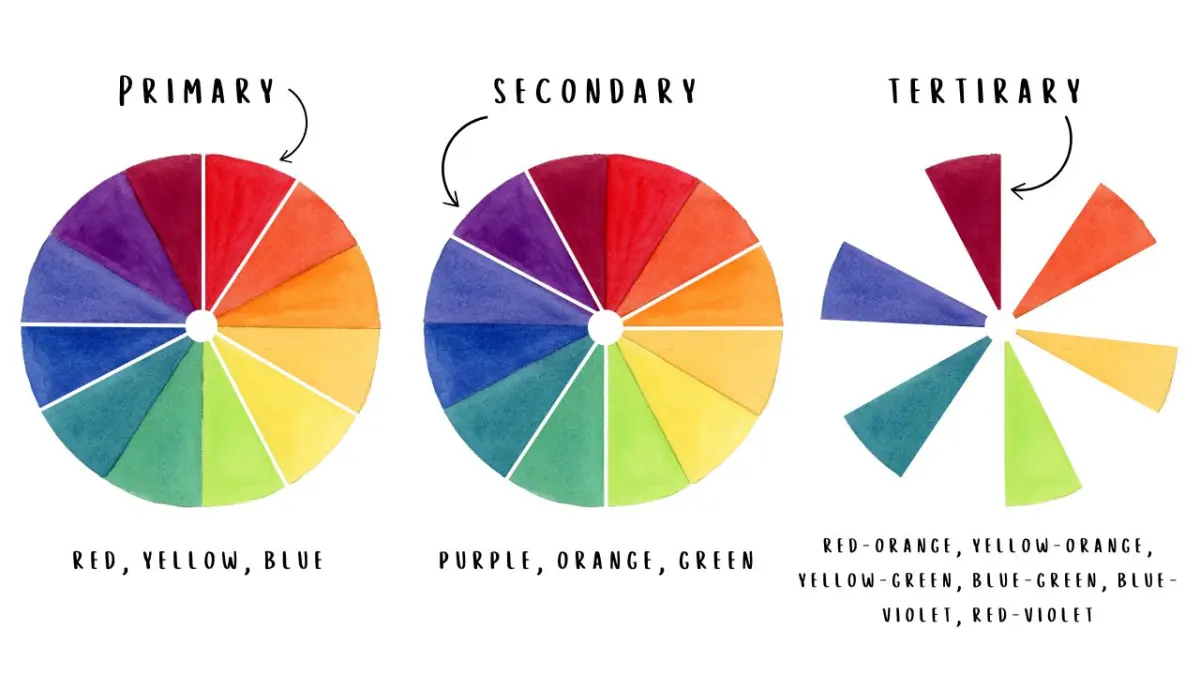
Primary colors are the essential pigments from which all other colors are derived. In the traditional RYB (red, yellow, blue) color model used in painting and art education, these three hues serve as the starting point for color theory. They are considered "pure" because they cannot be synthesized by combining any other colors on the palette.
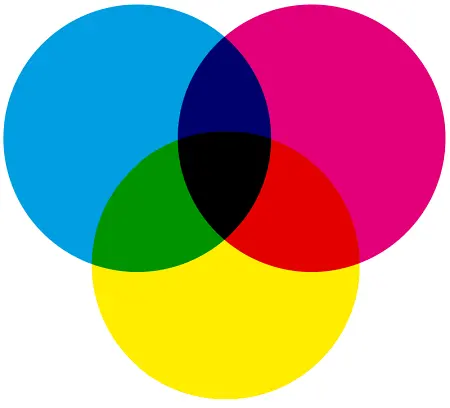
In scientific and digital contexts, different primary systems exist to suit specific mediums. The additive color model, used for screens and light, utilizes red, green, and blue (RGB). Meanwhile, the subtractive model used in professional printing relies on cyan, magenta, and yellow (CMY). Understanding these distinctions is vital because the results of mixing colors will differ drastically depending on whether you are working with light, ink, or paint.
How to mix secondary colors
Secondary colors are created by mixing two primary colors together in equal parts. When you combine two of the foundational hues, you produce a new color that sits between them on the color wheel. This process is the fundamental step for any artist looking to expand their range beyond the basic tubes of paint.
To achieve accurate secondary colors using the traditional RYB model, follow these steps:
- Mix red and yellow to create orange.
- Combine yellow and blue to produce green.
- Blend blue and red to form violet or purple.
The intensity of your secondary color depends heavily on the quality of your primary pigments. If your primary red has a slight orange bias, your resulting violet will appear muddy rather than vibrant. Always start with a small amount of each color and adjust slowly to ensure you reach the desired hue without over-mixing.
Why color models matter
The difference between primary and secondary colors is not universal across all industries. The model you choose determines which colors are considered primary and how secondary colors behave. For instance, in the RGB model, mixing red and green light produces yellow, which is a secondary color in that system. This contradicts the RYB model where yellow is a primary color.
Digital designers must understand the RGB model because computer monitors emit light to display images. Printers, conversely, use the CMY model because they apply physical ink to paper to absorb light. If you try to print an image using RGB values, the result will often look dull because the printer must convert those colors into the CMYK spectrum. Recognizing these technical constraints prevents frustration when transitioning from digital design to physical production.

Common mistakes when mixing colors
One of the most frequent errors beginners make is over-mixing their pigments. When you stir two colors together for too long, the individual particles become too homogenized, often resulting in a dull, grayish-brown color rather than a crisp secondary hue. To maintain brilliance, mix your colors gently and stop as soon as the transition is uniform.
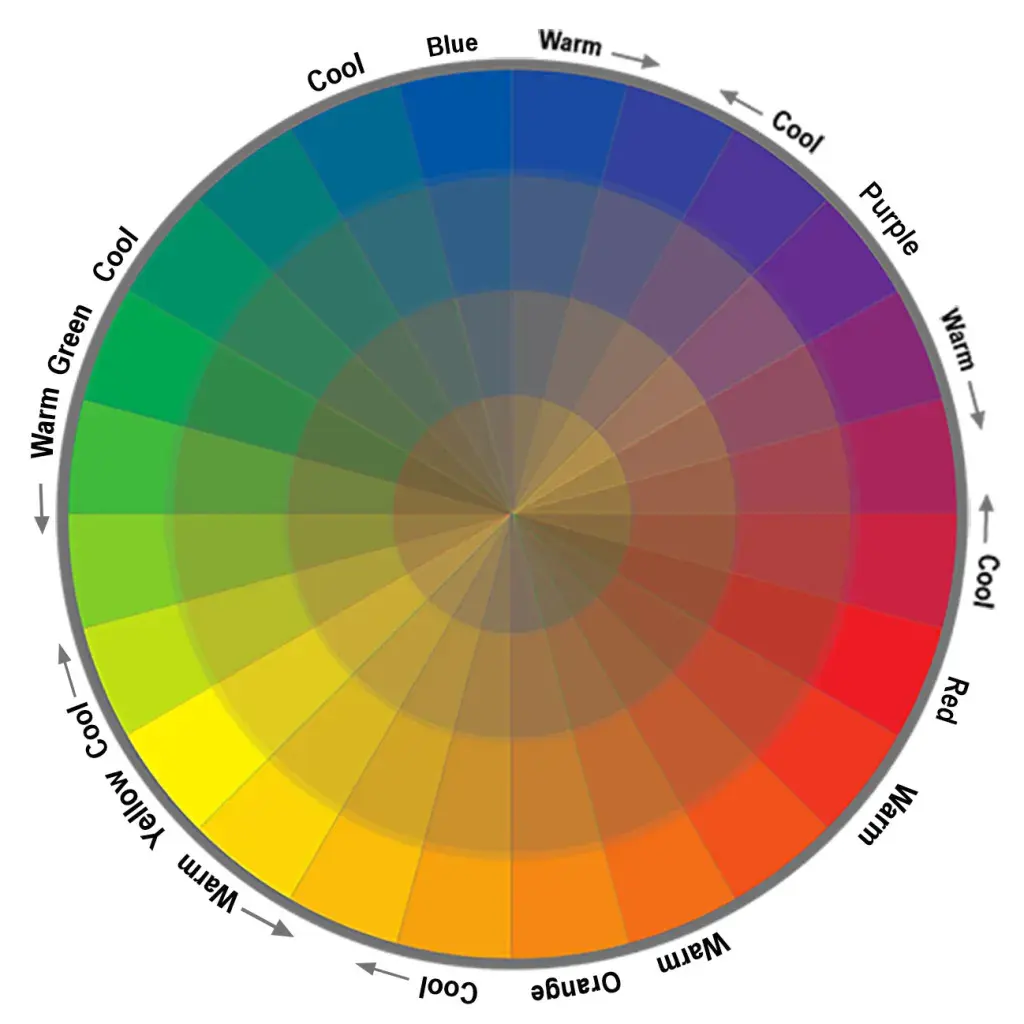
Another common pitfall is ignoring the temperature of your primary colors. Not all reds are the same; some have a cool, blue undertone, while others have a warm, orange undertone. If you attempt to mix a "cool" red with a "cool" blue, you will get a vibrant violet. However, if you mix a "warm" red—which contains yellow—with a blue, you will inadvertently create a muddy, brownish purple. Always test your colors on a scrap piece of paper before applying them to your final project.
How to expand your palette
Once you have mastered the creation of secondary colors, you can move toward tertiary colors. These are formed by mixing a primary color with an adjacent secondary color, such as mixing red-orange or blue-green. This process allows for a much more nuanced and sophisticated color palette that can bring depth to any artistic endeavor.
To effectively manage your color mixing, consider these practical tips:
- Keep a clean brush for every color to avoid contamination.
- Use a white palette to accurately judge the true color of your mixture.
- Document your ratios so you can recreate specific shades later.
- Practice mixing complementary colors—colors directly opposite each other on the wheel—to learn how to desaturate or "tone down" your secondary colors.
By systematically experimenting with these combinations, you move beyond basic theory and into the realm of professional color application. Whether you are painting a canvas or designing a digital layout, the relationship between primary and secondary colors remains the most reliable tool in your creative arsenal for achieving visual harmony and balance.
Key facts
- Primary colors are foundational pigments that cannot be created by mixing other colors together.
- In the traditional RYB (Red, Yellow, Blue) model used by painters, these three hues form the basis of all other colors.
- Secondary colors are produced by mixing two primary colors in equal proportions.
- Green is created by mixing blue and yellow, orange by mixing red and yellow, and purple by mixing red and blue.
- Always start with the lighter color when mixing to avoid overpowering the hue, as dark pigments dominate quickly.
- Avoid over-mixing paints, as combining all three primary colors typically results in a muddy brown or grey rather than a vibrant black.
The bottom line
Understanding the distinction between primary and secondary colors is essential for effective color theory. Primary colors serve as the unmixable foundation of the color wheel, while secondary colors are the direct result of combining two primaries. By mastering these basic relationships, you gain the ability to mix any hue you desire. Start with small amounts, observe the transitions, and enjoy the process of creative color experimentation.
People also ask
What are tertiary colors?
Tertiary colors are created by mixing a primary color with an adjacent secondary color on the color wheel. Examples include red-orange, yellow-orange, and blue-green, which offer more nuanced shades for artistic work.
Read the full answer →How does the CMYK color model differ from RYB?
CMYK stands for Cyan, Magenta, Yellow, and Key (black), and is the standard for professional printing. While RYB is used for mixing physical paints, CMYK uses these specific pigments to achieve a wider range of printable colors.
What is the RGB color model?
RGB stands for Red, Green, and Blue, and it is an additive color system used for digital screens. Unlike paint, these light-based colors combine to create white light when mixed at full intensity.
Can you create primary colors by mixing secondary colors?
No, primary colors are the fundamental building blocks of the color wheel. Mixing secondary colors will result in tertiary colors or neutral tones, but it cannot recreate the pure primary pigments.
Why does mixing all primary colors often result in brown?
Because most pigments are not perfectly pure, mixing them introduces impurities that absorb more light. This absorption prevents the reflection of a clear hue, causing the mixture to appear as a dark, desaturated brown or grey.
How do I make a secondary color lighter?
To lighten a secondary color, add a small amount of white paint to the mixture. Adding water to watercolors or thinning agents to oils can also increase transparency and create a lighter appearance.
This answer was created with the help of AI research tools and reference sources. Spotted an error? Let us know — we correct mistakes quickly. See our editorial policy.