How do you teach color mixing to kids?
Short answer
Teaching color mixing involves introducing the three primary colors—red, yellow, and blue—and demonstrating how they combine to create secondary colors like green, orange, and purple. By using hands-on experimentation with paints or translucent materials, children learn to predict outcomes, understand color relationships, and develop the observational skills necessary for artistic expression.
On this page
How to explain primary and secondary colors
The foundation of color theory begins with the three primary colors: red, yellow, and blue. These are considered primary because they cannot be created by mixing other colors together. By presenting these three hues as the building blocks of the entire color wheel, you provide children with a logical framework for understanding how all other colors originate. Use physical objects like colored blocks or transparent plastic paddles to demonstrate these concepts before moving to messy media like paint.
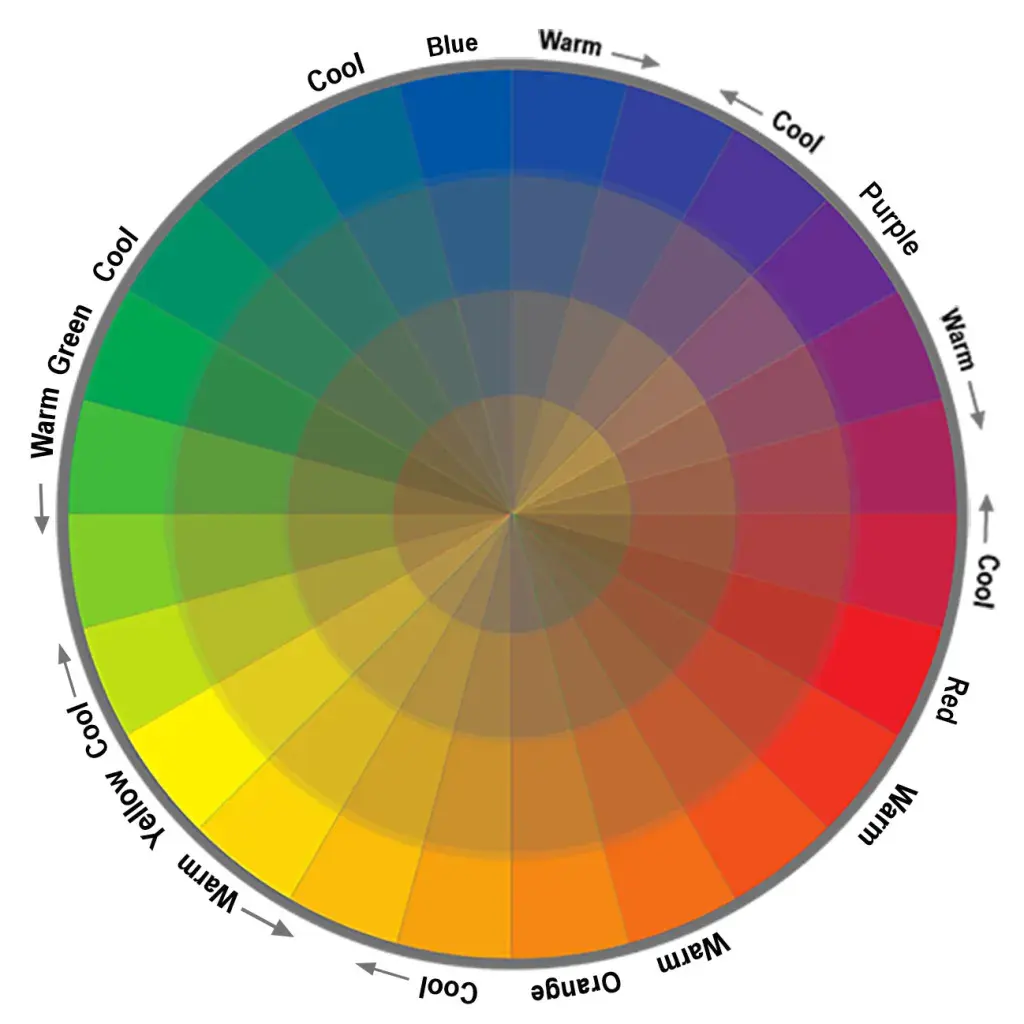
Once the primary colors are established, introduce the concept of secondary colors. These are created by mixing two primary colors in equal parts. For example, mixing yellow and blue produces green, red and yellow creates orange, and red and blue results in purple. Visual aids, such as a color wheel, help reinforce these relationships. By showing how these colors sit between the primaries on a wheel, children begin to see the intentional, mathematical nature of color mixing rather than viewing it as random experimentation.
Best materials for teaching color mixing
For young learners, the best tools are those that offer immediate, vibrant results with minimal frustration. Tempera paint is the industry standard for classrooms because it is opaque, washable, and easy to blend. When starting, limit the palette to only the three primary colors plus white and black. This restriction forces children to focus on the mixing process rather than simply choosing a pre-mixed color from a palette. Providing high-quality brushes and thick paper ensures that the colors remain bright and do not become muddy.
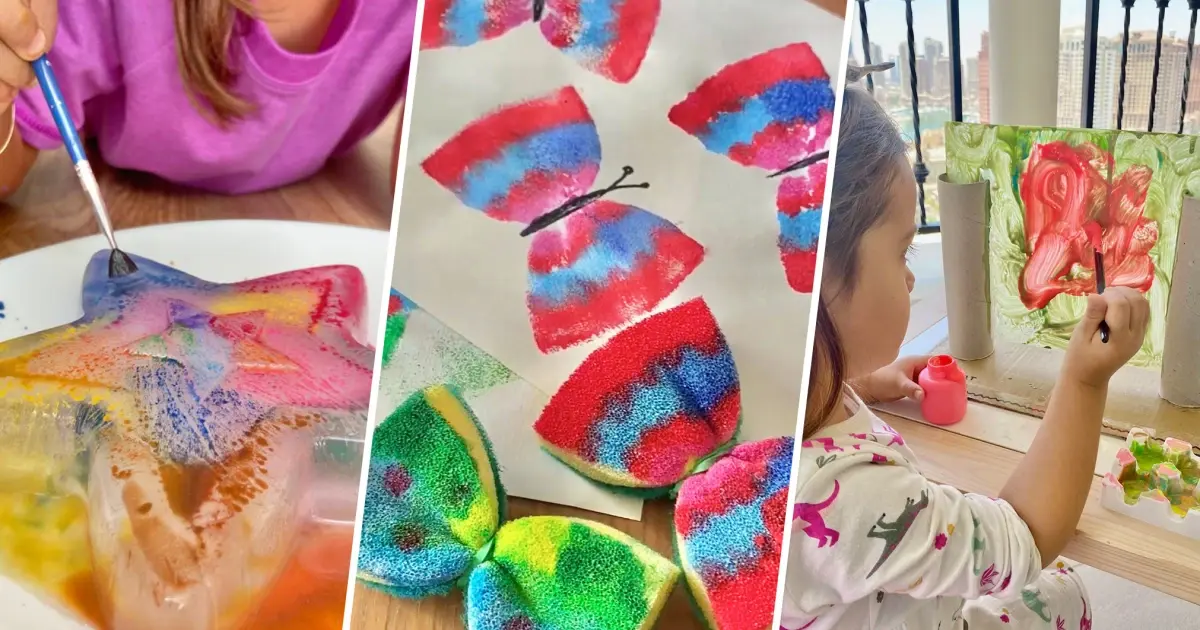
Beyond paint, consider using translucent materials to demonstrate color theory in a different light. Colored cellophane sheets or light tables allow children to overlap colors to see the results without the cleanup of liquid media. This approach is excellent for visual learners who may be intimidated by the permanence of paint. Regardless of the medium, ensure you have the following supplies ready to facilitate a successful session:
- Primary-colored tempera paint (red, yellow, blue)
- White and black paint for tinting and shading
- Sturdy, non-absorbent paper or cardstock
- Plastic palettes or paper plates for mixing
- Several sizes of flat brushes
- Water cups and paper towels for cleaning
How to guide a color mixing experiment
To lead a structured experiment, start by having the child place two small dots of primary colors on a palette. Encourage them to use a brush to pull a small amount of each color into the center space. Ask them to predict what will happen before they begin mixing. This inquiry-based approach encourages critical thinking and helps them understand that color mixing is a process of observation and adjustment. Once they create a secondary color, have them label it to solidify the connection between the action and the result.
After mastering secondary colors, introduce the concept of tertiary colors and value changes. Show them how adding white creates a lighter "tint" and adding black creates a darker "shade." Use these steps to guide their exploration:
- Start with a small amount of one primary color.
- Gradually add a tiny amount of a second primary color.
- Observe the change in hue and adjust by adding more of either color.
- Experiment with adding white or black to change the intensity of the new color.
- Record the final result on a chart to remember the "recipe" for that specific shade.
Why colors turn brown or muddy
A common frustration during color mixing is the emergence of brown or gray, often referred to as "mud." This happens when all three primary colors are mixed together at once or when too many colors are combined without a plan. Because red, yellow, and blue are opposites on the color wheel, combining them in equal amounts neutralizes their intensity, resulting in a dull, brownish hue. Explain to children that mud is not a sign of failure, but rather a natural result of mixing complementary colors.
To prevent unwanted mud, emphasize the importance of cleaning brushes thoroughly between mixing sessions. Even a small amount of blue paint left on a brush can turn a bright yellow into a dull green. Teach children to rinse their brushes until the water runs clear and to dry them on a paper towel before dipping into a new color. If they do create brown, use the opportunity to discuss how artists use these neutral tones for shadows, trees, or dirt, turning a "mistake" into a valuable lesson about color utility.
Common mistakes when teaching color theory
One of the most frequent errors is providing too many colors at once. When children have access to pre-mixed green, orange, and purple paint, they lose the incentive to experiment and learn the underlying science. Start with a restricted palette to build confidence and mastery. Another mistake is rushing the process; color mixing requires patience, as the color changes incrementally. Allow enough time for children to explore the spectrum of shades between two colors rather than just the final secondary result.
Finally, avoid focusing too heavily on the "correct" result. While there is a standard color wheel, art is subjective, and children should feel empowered to create their own unique shades. If a child mixes a color that looks like a specific object, such as "grass green" or "sunset orange," encourage that association. By validating their creative discoveries, you ensure that the learning experience remains engaging and positive. Keep the workspace organized, maintain a calm environment, and focus on the joy of discovery rather than the perfection of the final color product.
Key facts
- Primary colors are red, yellow, and blue, which cannot be created by mixing other pigments.
- Secondary colors—green, orange, and purple—are formed by mixing two primary colors in equal parts.
- Complementary colors, such as blue and orange, sit opposite each other on the color wheel and create high contrast.
- Use a limited palette of high-quality, opaque paints to ensure colors remain bright rather than turning muddy.
- Always clean brushes thoroughly between colors to prevent unwanted color contamination in the mixing tray.
- Start with a small amount of the darker color and add the lighter color gradually to control the tint.
The bottom line
Teaching color mixing is best achieved through hands-on experimentation rather than abstract theory. By focusing on the primary colors and the resulting secondary hues, children develop an intuitive understanding of how pigments interact. Encouraging patience during the mixing process and emphasizing the importance of clean tools ensures that students maintain color clarity, ultimately empowering them to express their creative vision with confidence and technical precision.
People also ask
Why does mixing all colors together result in brown or gray?
Mixing all primary colors creates a neutral dark tone because pigments absorb different light wavelengths. When combined, they cancel out the vibrancy of individual hues, resulting in a muddy, desaturated color.
What is the difference between additive and subtractive color mixing?
Additive mixing involves light, such as on a computer screen, where combining red, green, and blue creates white. Subtractive mixing involves physical pigments, where combining colors removes light reflection, eventually resulting in black or brown.
How can I help children understand color temperature?
Explain that warm colors like red and yellow feel like sunlight or fire, while cool colors like blue and green feel like water or ice. This helps students choose colors that evoke specific moods in their artwork.
What are tertiary colors?
Tertiary colors are created by mixing a primary color with an adjacent secondary color, such as blue-green or red-orange. These colors provide more nuance and variety for detailed painting projects.
Read the full answer →How do you lighten or darken a color without changing its hue?
To lighten a color, add white to create a tint. To darken a color, add a small amount of black or a complementary color to create a shade.
Should children use a color wheel while painting?
Yes, a color wheel serves as a visual map that helps children predict outcomes and understand relationships between hues. It simplifies the scientific process of color theory into a practical, hands-on tool.
This answer was created with the help of AI research tools and reference sources. Spotted an error? Let us know — we correct mistakes quickly. See our editorial policy.