How do you mix colors?
Short answer
Mixing colors involves combining primary pigments to create secondary and tertiary hues. By manipulating the proportions of red, yellow, and blue, or cyan, magenta, and yellow, you can produce an infinite spectrum. Success relies on understanding color theory principles, such as the color wheel, to achieve desired shades, tints, and tones.
On this page
How color theory works for mixing
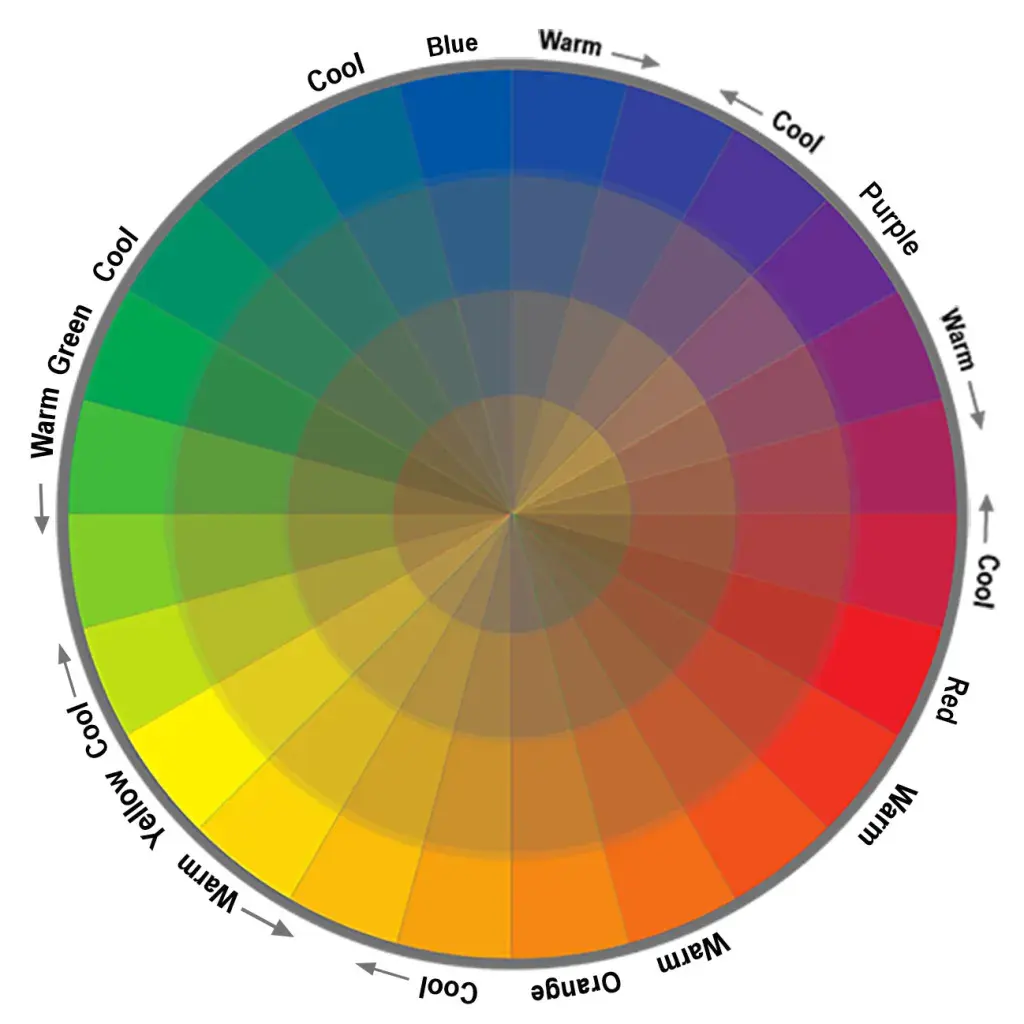
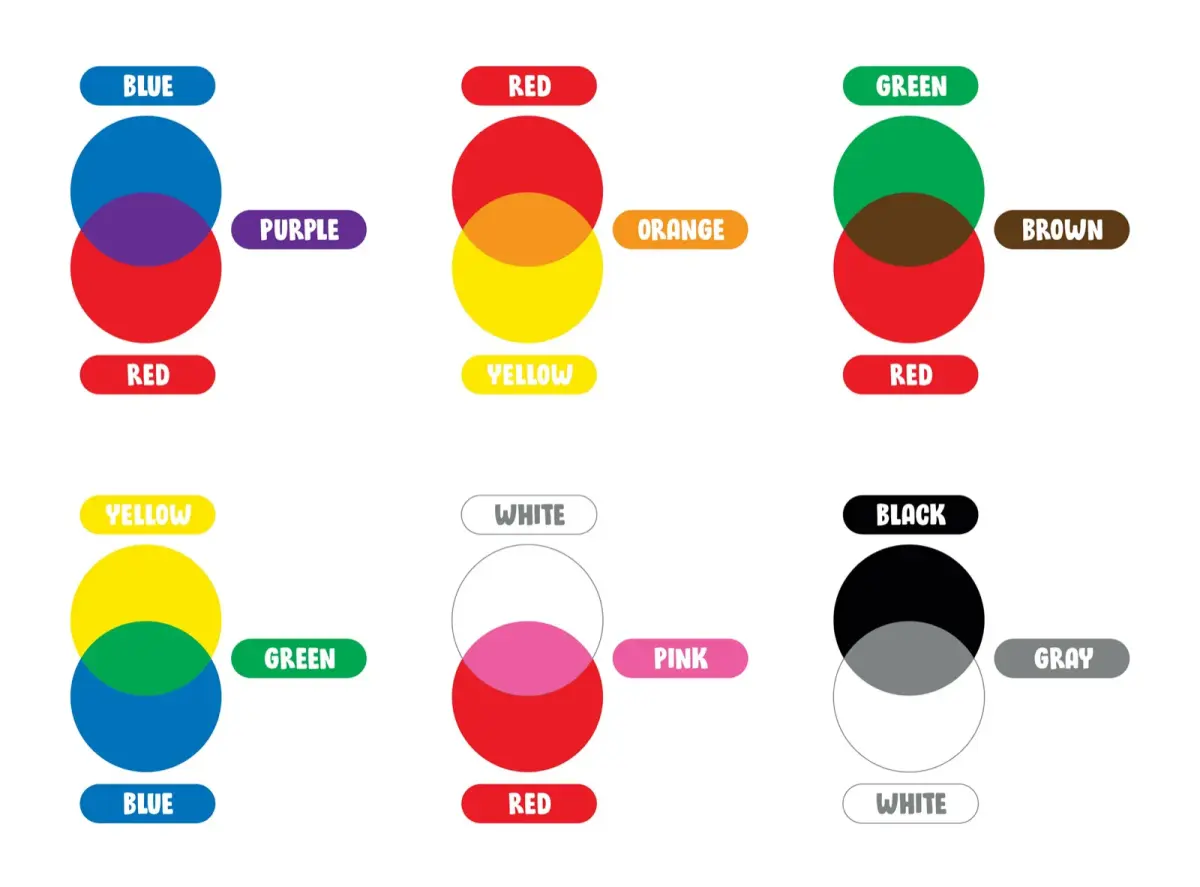
Color mixing is governed by the color wheel, a visual representation of how colors relate to one another. At the center are the primary colors: red, yellow, and blue. These cannot be created by mixing other pigments. When you combine two primary colors in equal parts, you produce secondary colors: green, orange, and purple. Tertiary colors emerge when you mix a primary color with an adjacent secondary color, resulting in hues like blue-green or red-orange.
Beyond these basic combinations, you can adjust the appearance of any color by adding white, black, or gray. Adding white creates a tint, which lightens the color and makes it appear more pastel. Adding black creates a shade, deepening the intensity and darkening the hue. Adding gray creates a tone, which softens the vibrancy of the color. Understanding these relationships allows you to move beyond basic mixing and create sophisticated, nuanced palettes for any project.
How to mix primary and secondary colors
To begin mixing, start with a clean palette and a palette knife or brush. It is essential to work with small amounts of paint, as you can always add more, but it is difficult to lighten a mixture that has become too dark. Always start with the lighter color and slowly add the darker color to it, as dark pigments have a much stronger influence on the final result.
- Place a small amount of yellow on your palette.
- Add a tiny touch of blue to the yellow, mixing thoroughly.
- Observe the shift toward green; add more blue if you want a deeper forest green.
- Clean your tool before moving to the next mixture to avoid muddying your colors.
- Repeat this process with red and yellow to create orange, or red and blue to create purple.
Why colors turn muddy when mixed
Muddy colors occur when you mix too many colors together or combine complementary colors in the wrong proportions. Complementary colors—those directly opposite each other on the color wheel, such as blue and orange or red and green—neutralize each other. When mixed, they create a brownish or grayish tone. While this is useful for creating shadows or muted, natural colors, it is often frustrating for beginners who are trying to achieve a vibrant, clean hue.
Another common cause of muddy colors is the contamination of your pigments. If you do not clean your brush or palette knife between mixing sessions, residual pigment from a previous color will bleed into your new mixture. This is especially problematic when working with yellow, which is easily overwhelmed by even a speck of purple or blue. To keep your colors clean, always wipe your tools thoroughly with a paper towel or rinse them in water before starting a new color combination.
Best practices for beginners
For those new to color mixing, limiting your palette is the most effective way to learn. Instead of buying a large set of pre-mixed paints, start with a "split primary" palette. This consists of two versions of each primary color: one that leans toward warm tones and one that leans toward cool tones. For example, use a warm red like cadmium red and a cool red like alizarin crimson. This approach gives you greater control over the temperature of your mixtures.
- Keep a mixing journal to record the ratios of colors you successfully create.
- Use high-quality pigments, as cheaper paints often contain fillers that result in dull mixtures.
- Test your colors on a scrap piece of paper before applying them to your final project.
- Work in a well-lit area, preferably with natural daylight, to ensure you see the true hue of your mixtures.
- Always mix more paint than you think you need, as recreating an exact color match later is difficult.
Common mistakes when mixing colors
The most frequent error is over-mixing. When you stir paint too much, the individual particles of pigment can become overworked, leading to a loss of vibrancy. You should mix just enough to combine the colors, leaving them slightly streaked if you want a more dynamic, painterly effect. Another mistake is failing to consider color temperature. Every color has a temperature; for instance, some blues lean toward green, while others lean toward purple. If you mix a green-leaning blue with a red that leans toward purple, you will get a duller, more muted violet than if you had chosen a red that leans toward orange.
Finally, avoid the temptation to add black to darken every color. While black is a useful tool, it often makes colors look flat or "dead." Instead, try darkening a color by adding its complement. Adding a small amount of green to red will create a rich, deep maroon that retains more life and character than a flat black-and-red mixture. By experimenting with these subtle adjustments, you will gain the confidence to mix any color you need for your work.
Key facts
- Primary colors are red, yellow, and blue; they cannot be created by mixing other pigments together.
- Secondary colors—green, orange, and purple—are formed by mixing two primary colors in equal parts.
- Complementary colors, such as blue and orange, sit opposite each other on the color wheel and create high contrast.
- Adding white to a color creates a tint, while adding black creates a shade, and adding gray produces a tone.
- Mixing all three primary colors together typically results in a muddy brown or neutral gray rather than black.
- Always start with the lighter color and add the darker color gradually to maintain control over the final hue.
The bottom line
Mastering color mixing relies on understanding the relationship between primary, secondary, and tertiary hues. By starting with lighter bases and adding darker pigments incrementally, you maintain full control over your results. Remember that mixing too many colors often leads to muddy tones, so keep your palette simple. With practice and an awareness of color theory, you can achieve precise, vibrant shades for any creative project.
People also ask
What is the difference between additive and subtractive color mixing?
Additive mixing involves light, such as on computer screens, where red, green, and blue combine to form white. Subtractive mixing involves physical pigments or inks, where colors are created by absorbing specific wavelengths of light.
Why does my paint turn brown when I mix too many colors?
When you combine too many pigments, they absorb almost all wavelengths of visible light, resulting in a dark, neutral brown. This often happens when mixing complementary colors together in large, uneven quantities.
How do I make a color look less bright?
To desaturate a color, mix in a small amount of its complement or a neutral gray. This mutes the intensity of the pigment without significantly changing its underlying hue.
Can I recreate any color using only primary colors?
While you can create a vast spectrum, physical pigments are rarely pure enough to produce every possible vibrant hue. Professional artists often use a wider palette to achieve specific, intense colors that primary mixing cannot reach.
What is the 60-30-10 rule in color design?
This design principle suggests using a dominant color for 60% of a space, a secondary color for 30%, and an accent color for the final 10%. It ensures a balanced and visually appealing distribution of colors.
How do I clean my brush between mixing colors?
Rinse your brush thoroughly in water or solvent until no pigment remains, then wipe it on a clean cloth. Failing to clean brushes properly will contaminate your next color mixture, leading to dull or unexpected results.
This answer was created with the help of AI research tools and reference sources. Spotted an error? Let us know — we correct mistakes quickly. See our editorial policy.