What is Art Basel?
Short answer
Art Basel is the world’s premier international art fair, hosting annual events in Basel, Miami Beach, and Hong Kong. It serves as a vital marketplace for modern and contemporary art, connecting galleries, collectors, curators, and artists. The fair is renowned for its high-caliber exhibitions, professional networking, and significant influence on global art trends.
On this page
What is Art Basel and how does it work?
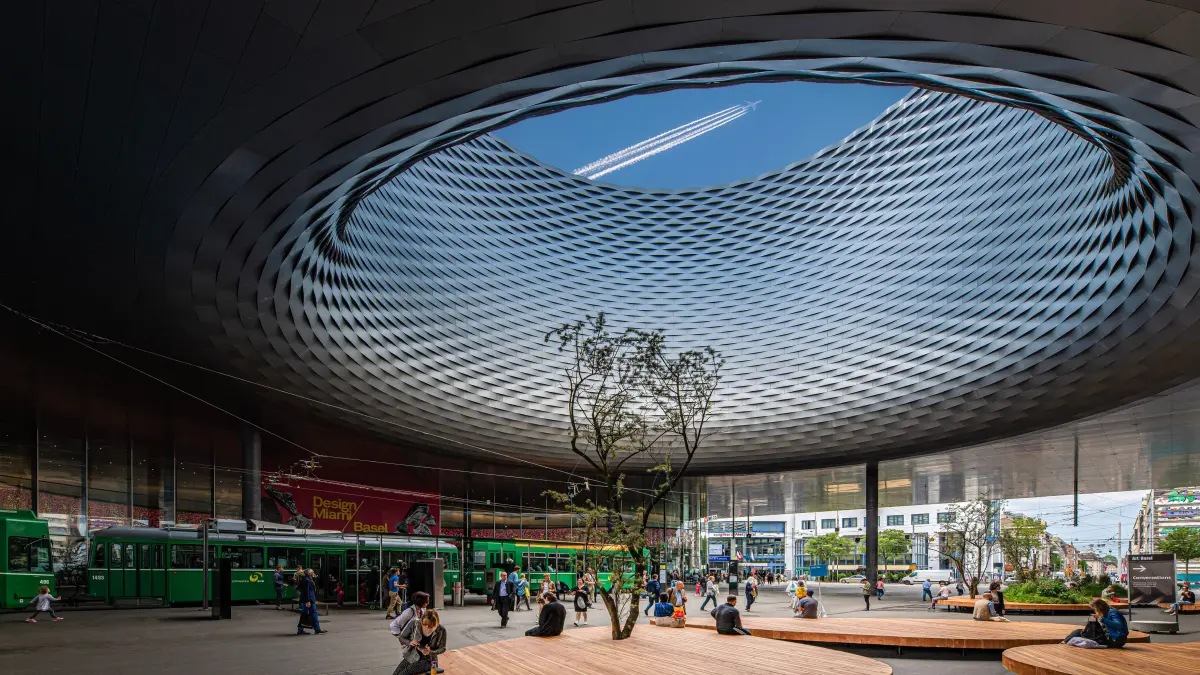
Art Basel is a series of prestigious art fairs that act as the epicenter of the international art market. Founded in 1970 by gallerists from Basel, Switzerland, the organization has expanded into a global brand with flagship shows in three continents. Each fair functions as a temporary, high-security exhibition space where hundreds of carefully vetted galleries present works by both established masters and emerging contemporary artists.
The fairs operate on a rigorous selection process, ensuring that only the most influential galleries participate. Collectors, museum directors, and art enthusiasts travel from around the world to view and purchase everything from paintings and sculptures to immersive installations and digital media. Beyond the commercial booths, the events feature curated sectors, public talks, and city-wide cultural programs that integrate the art world with the local host community.
How to attend Art Basel as a visitor
Attending an Art Basel fair requires advance planning, as tickets often sell out quickly and the scale of the venues can be overwhelming. The process typically involves purchasing passes online through the official website, where you can choose between VIP preview access or general admission tickets. Once inside, you will find that the layout is divided into specific sectors designed to help visitors navigate different types of art.
- Check the official schedule to identify "Public Days" versus exclusive "Preview Days."
- Download the official fair app to access floor plans and exhibitor lists before arrival.
- Book accommodation months in advance, as local hotels reach capacity during fair weeks.
- Wear comfortable footwear, as the exhibition halls are vast and require significant walking.
- Register for guided tours if you want a deeper understanding of the curated themes.
Best tips for navigating the fair for beginners
For those new to the art fair circuit, the sheer volume of work on display can be intimidating. It is helpful to treat the fair as a learning experience rather than just a shopping trip. Start by researching the participating galleries and artists on the Art Basel website before you arrive. This allows you to prioritize specific booths or artists you are interested in seeing, preventing you from feeling lost in the expansive maze of galleries.
- Focus on one or two specific sectors, such as "Statements" for emerging artists or "Unlimited" for large-scale installations.
- Take breaks frequently to avoid "fair fatigue," which often sets in after a few hours of intensive viewing.
- Engage with gallery staff, as they are usually happy to provide context about the works on display.
- Use the provided maps to locate amenities like dining areas, restrooms, and information desks.
- Keep your ticket or digital pass accessible, as you will need it for re-entry throughout the day.
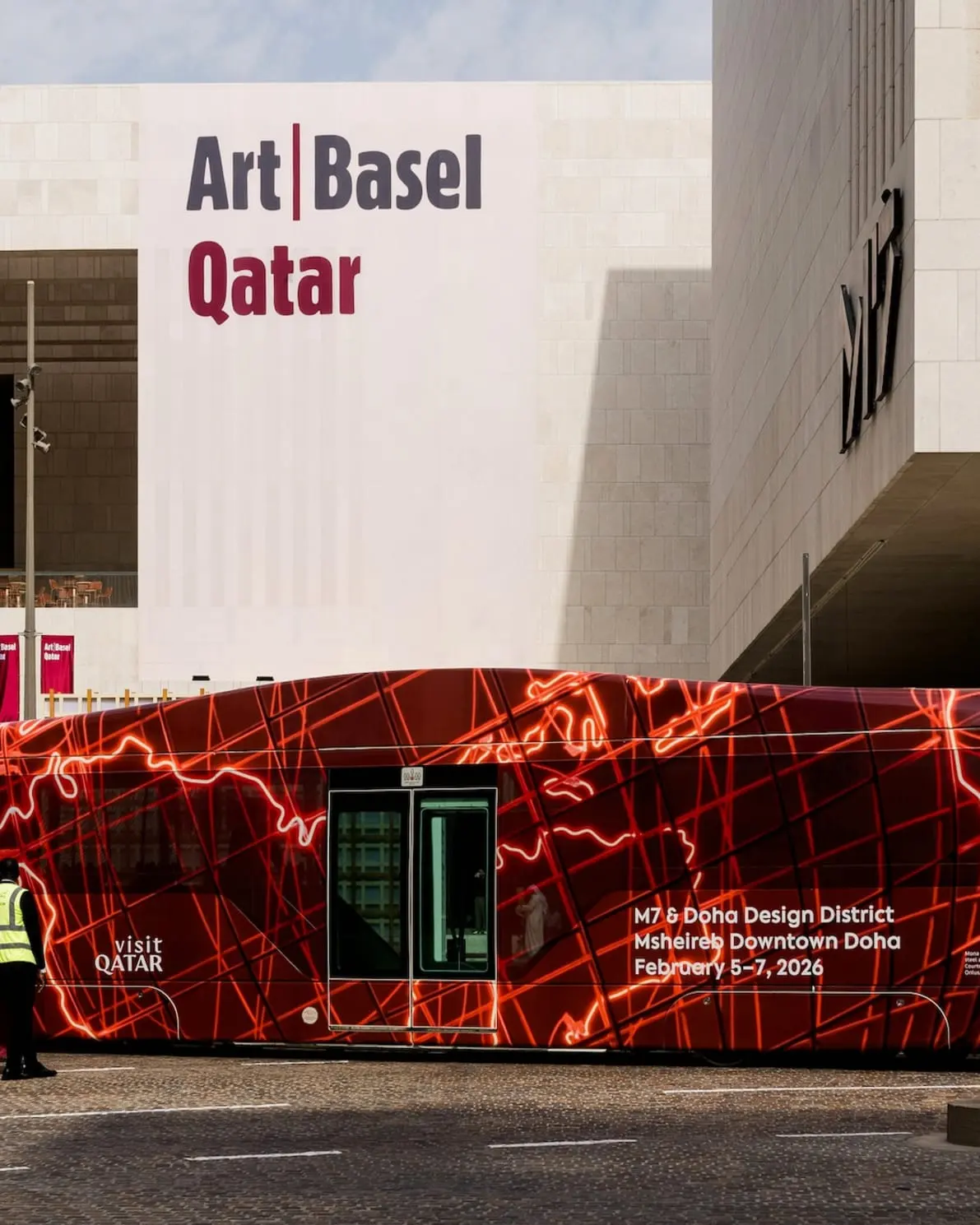
Why Art Basel is important for the art market
Art Basel is widely considered the barometer of the global art market's health. The prices realized and the volume of sales conducted during these fairs often set the tone for the rest of the year. For artists, being represented at an Art Basel booth is a significant career milestone that often leads to increased visibility, museum acquisitions, and critical acclaim. The fair acts as a nexus where institutional interests and private wealth converge.
The influence of these events extends far beyond the fairgrounds, impacting the cultural economy of the host cities. During the week of the fair, museums, private foundations, and local galleries host satellite events, turning the entire city into a vibrant art destination. This creates a ripple effect, encouraging tourism, artistic collaboration, and public engagement with contemporary culture. By setting high standards for professional presentation and curation, Art Basel continuously shapes how the public and collectors perceive the value of modern art.
Common mistakes when visiting Art Basel
A frequent error for first-time visitors is attempting to see every single booth in a single day. The sheer density of high-quality art makes it impossible to fully appreciate everything in one visit. Instead of rushing, choose to spend more time with individual pieces that resonate with you. Another common mistake is failing to account for the intense crowds; visiting during the early morning hours on a weekday is often the best way to avoid the heaviest foot traffic.
- Avoid carrying large bags, as most fairs have strict security policies regarding luggage and backpacks.
- Do not assume you can photograph every piece; always check for "no photography" signs or ask gallery staff for permission first.
- Refrain from touching the artwork, as even accidental contact can result in significant damage or legal consequences.
- Do not underestimate the importance of networking; be prepared to introduce yourself to gallerists if you are a serious collector.
- Avoid making impulse purchases without verifying the provenance and condition of the artwork through professional channels.
Key facts
- Art Basel is a premier international art fair founded in 1970 by Basel gallerists Ernst Beyeler, Trudl Bruckner, and Balz Hilt.
- The main event takes place annually in Basel, Switzerland, typically in June, showcasing modern and contemporary art.
- The organization hosts two other major annual fairs: Art Basel Miami Beach in the United States and Art Basel Hong Kong.
- Exhibitors are selected by a rigorous committee, ensuring that only the world’s leading galleries participate in the fair.
- The fair features multiple sectors, including "Galleries" for established dealers, "Feature" for curated projects, and "Unlimited" for large-scale installations.
- Visitors should purchase tickets online in advance, as onsite box offices are often unavailable and popular time slots sell out quickly.
The bottom line
Art Basel is the global gold standard for the contemporary art market, serving as a vital meeting point for collectors, artists, and dealers. By hosting high-profile events in Switzerland, the United States, and Hong Kong, it dictates market trends and showcases museum-quality works. For the attendee, it offers an unparalleled opportunity to engage with the international art world, provided one plans their visit with strategic focus.
People also ask
How does one get invited to the VIP preview days?
VIP access is typically reserved for major collectors, museum curators, and institutional patrons. You can request an application for VIP status through the Art Basel website, though approval is highly selective and based on your history of art acquisition.
Is Art Basel open to the general public?
Yes, the fair is open to the public during its general admission hours following the private preview days. Tickets are required for entry and provide access to all main exhibition halls and public sectors.
What is the best way to navigate the fair?
Download the official Art Basel app to view the floor plan, exhibitor list, and daily programming schedule. Prioritize the sectors that interest you most, as the sheer scale of the fair makes it impossible to see every booth in detail in a single day.
Can I buy art directly from the booths?
Yes, the galleries exhibiting at the fair are there to sell their inventory to collectors. If you are interested in a piece, ask the gallery staff for a price list or inquire about the availability of specific works.
What should I wear to Art Basel?
Comfort is essential because you will spend hours walking across large concrete floors. Opt for stylish but comfortable footwear and dress in layers, as the climate-controlled exhibition halls can feel quite cool.
What is the biggest mistake first-time visitors make?
The most common error is attempting to see everything in one day without a plan. Visitors often suffer from "fair fatigue," so it is better to identify 5-10 galleries you specifically want to visit and schedule breaks for food and rest.
This answer was created with the help of AI research tools and reference sources. Spotted an error? Let us know — we correct mistakes quickly. See our editorial policy.