What do you learn in art school?
Short answer
Art school provides a rigorous environment for developing technical proficiency, critical thinking, and professional discipline. Students immerse themselves in studio practice, art history, and theory to refine their unique creative voice. The curriculum emphasizes iterative feedback, collaborative projects, and the practical skills necessary to navigate the contemporary gallery, design, or media industries.

On this page
What subjects are taught in art school?
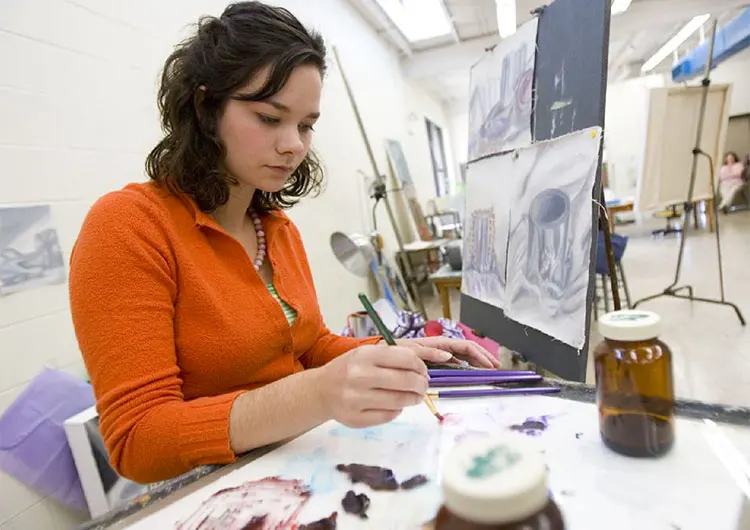
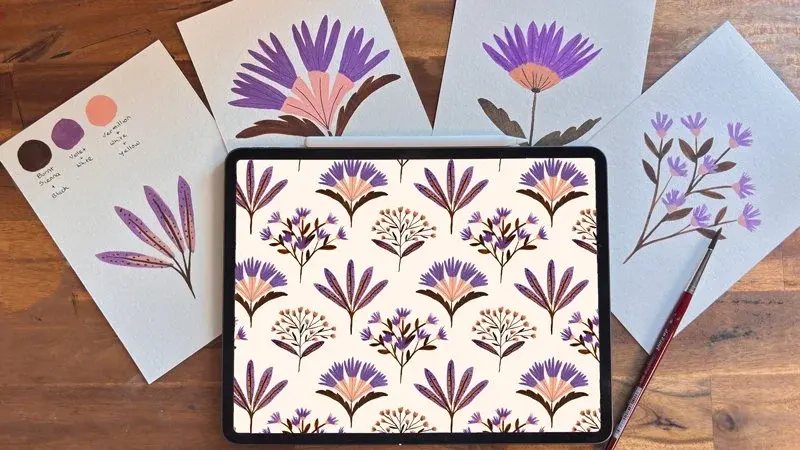
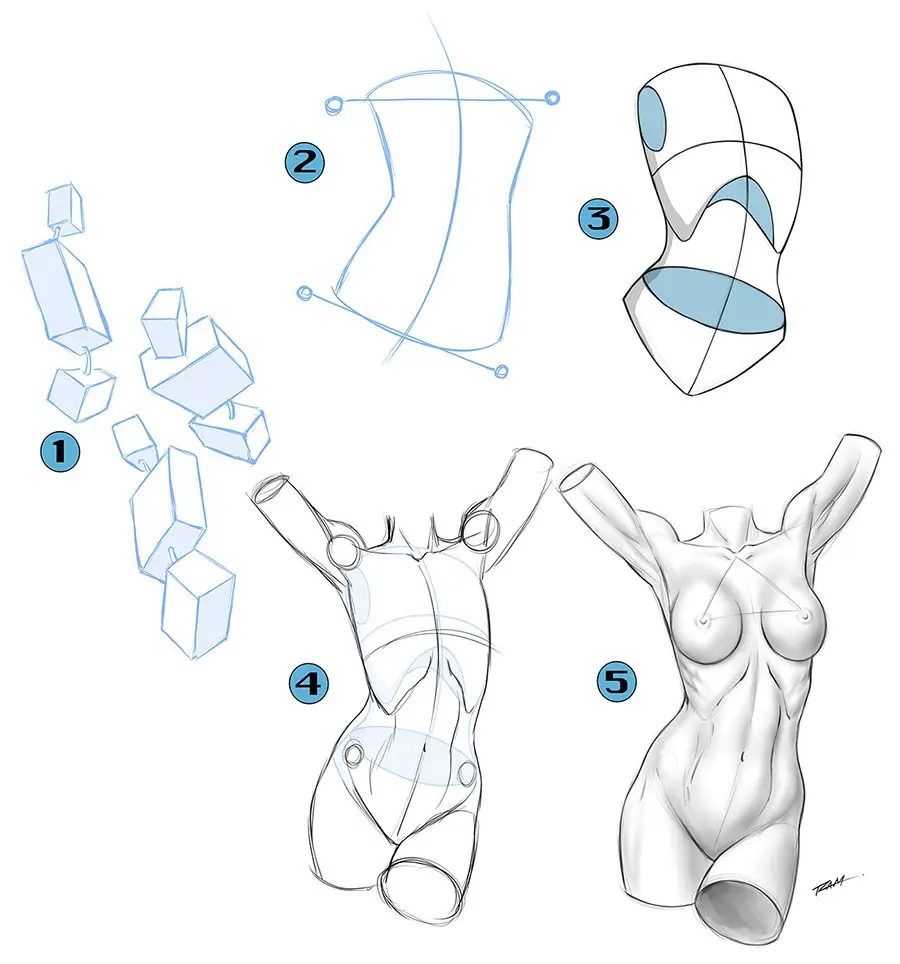
The core curriculum of an art school typically revolves around a foundation year, where students master the fundamentals before specializing in a major. These foundational courses often include drawing, color theory, two-dimensional design, and three-dimensional form. By exploring these basics, students learn how to translate observation into physical or digital media while understanding the principles of composition and visual weight.
Following the foundation year, students dive into specialized tracks such as painting, sculpture, graphic design, photography, or digital media. Beyond technical studio work, art history and critical theory are mandatory components. These courses provide the necessary context for understanding how past artistic movements influence current trends. Students are expected to analyze visual culture, write academic papers, and articulate the conceptual underpinnings of their own work during group critiques.
- Foundation studies: Drawing, design, and color theory.
- Major-specific training: Technical mastery in chosen mediums.
- Art history: Contextualizing work within global traditions.
- Critical theory: Developing the vocabulary to discuss aesthetics.
- Professional practice: Learning the business side of the arts.
How long does it take to get an art degree?
Most undergraduate programs in the United States and Europe require four years of full-time study to complete a Bachelor of Fine Arts (BFA). The BFA is a professional degree that is heavily weighted toward studio practice, often requiring 60 to 80 credits in art-related courses. Some institutions also offer a Bachelor of Arts (BA), which includes a broader range of liberal arts electives alongside studio work.
For those seeking advanced specialization, a Master of Fine Arts (MFA) typically takes two to three years of intensive study. The MFA is considered the terminal degree in most studio arts and is often required for those who wish to teach at the university level. Regardless of the degree path, students must balance demanding studio hours with general education requirements, making time management a critical skill for success in any art program.
- BFA: 4 years, studio-heavy focus.
- BA: 4 years, balanced liberal arts focus.
- MFA: 2-3 years, advanced research and practice.
- Certificate programs: 1-2 years, specialized technical focus.
Why do art students participate in critiques?
Critiques serve as the primary pedagogical tool in art school, functioning as a simulated professional environment where students present their work to peers and faculty. During these sessions, the artist remains silent while others offer constructive feedback on the work's success in meeting its stated conceptual goals. This process is designed to strip away ego and help students view their creations as objects that communicate specific ideas to an audience.
Learning to receive criticism is often the most challenging aspect of art school. Students must learn to distinguish between subjective taste and objective formal issues, such as poor composition or weak material application. By participating in critiques, students develop the ability to defend their artistic choices, refine their visual language, and iterate on their ideas. This practice prepares them for the reality of working with clients, curators, and gallery directors who will frequently evaluate their output.
Common mistakes when choosing an art school
One of the most frequent mistakes students make is prioritizing the prestige of an institution over the specific resources available to them. While a famous name can provide networking opportunities, it is more important to look for schools with specialized facilities that match your interests. If you are interested in printmaking, for example, a school with outdated presses or limited access to labs will hinder your progress regardless of its reputation.
Another common error is failing to research the faculty's current professional activity. The best instructors are often those who are still active in their fields, as they provide current insights into industry standards and professional opportunities. Students should also consider the geographic location of the school, as proximity to major art hubs like New York, London, or Berlin can significantly impact internship possibilities and post-graduation networking. Always visit the campus to evaluate the atmosphere and the quality of student work on display.
How to succeed in art school
Success in art school requires a combination of technical curiosity and professional discipline. You must treat your studio time as a serious commitment, arriving prepared with materials and a clear plan for your daily goals. Avoid the temptation to wait for inspiration; instead, treat art-making as a daily habit. Consistency is the most reliable way to improve your technical skills and develop a cohesive body of work.
- Document every project: Keep a high-quality digital portfolio from day one.
- Network early: Attend guest lectures and gallery openings to meet professionals.
- Seek interdisciplinary work: Collaborate with students in other majors to expand your perspective.
- Embrace failure: Treat unsuccessful experiments as data points rather than personal defeats.
- Manage your health: Studio work is physically demanding, so prioritize rest and ergonomics.
By engaging deeply with your professors and taking advantage of every workshop or seminar offered, you will build the resilience needed to sustain a creative career. Remember that your peers are your future professional network, so foster supportive relationships rather than viewing everyone as a competitor. Focus on building a body of work that demonstrates both technical skill and a unique, thoughtful perspective on the world.
Key facts
- Art school curricula typically divide time between studio practice, art history, and liberal arts requirements.
- Students usually spend 15 to 20 hours per week in studio courses, often working in specialized labs for printmaking, ceramics, or digital media.
- Critique sessions are the primary pedagogical tool, requiring students to defend their creative choices in front of peers and faculty.
- Most Bachelor of Fine Arts (BFA) programs require 120 to 130 credit hours, usually completed over four years of intensive study.
- Technical proficiency is taught alongside conceptual development, focusing on color theory, composition, and material science.
- Professional practice courses teach students how to write artist statements, manage portfolios, and navigate the gallery or commercial freelance market.
The bottom line
Art school is an intensive environment designed to push students beyond their comfort zones through rigorous technical training and constant peer evaluation. By balancing hands-on studio work with critical theory, students learn to transform personal expression into professional-grade output. While the curriculum is demanding, the primary value lies in the structured feedback loop and the professional network established during those four years of creative exploration.
People also ask
Is a degree necessary to become a professional artist?
While many successful artists are self-taught, art school provides structured mentorship, professional networks, and access to expensive equipment. It serves as an accelerator for skill acquisition rather than a mandatory requirement for creative success.
What is the difference between a BFA and a BA in art?
A Bachelor of Fine Arts (BFA) is a professional degree that focuses heavily on studio work, often comprising two-thirds of the curriculum. A Bachelor of Arts (BA) is a liberal arts degree that balances art courses with a broader range of academic subjects.
How do art school critiques work?
Critiques involve presenting a work-in-progress to a group who analyze its formal qualities and conceptual success. The goal is to develop thick skin and learn how to articulate the "why" behind your aesthetic decisions.
Do art schools provide job placement services?
Most accredited art schools maintain career centers that assist with resume building, internship placement, and freelance contract negotiation. These offices often connect students with alumni networks to help bridge the gap between graduation and professional practice.
What are the most common materials students must purchase?
Beyond tuition, students often pay for their own supplies, which can range from high-quality oil paints and canvases to specialized software licenses or clay. Costs vary significantly by major, with photography and industrial design often requiring the largest investments.
Can you specialize in more than one medium?
Many programs encourage interdisciplinary work, allowing students to minor in a secondary field like graphic design or sculpture. This flexibility helps artists develop a unique visual language that combines traditional techniques with modern technology.
This answer was created with the help of AI research tools and reference sources. Spotted an error? Let us know — we correct mistakes quickly. See our editorial policy.