Is Skillshare good for learning art?
Short answer
Skillshare is an excellent platform for learning art, particularly for beginners and hobbyists seeking creative inspiration. Its vast library of project-based classes offers accessible instruction from industry professionals. While it lacks the rigorous academic structure of formal art school, it provides high-quality, flexible guidance for developing specific artistic skills at home.
On this page
Is Skillshare good for beginners?
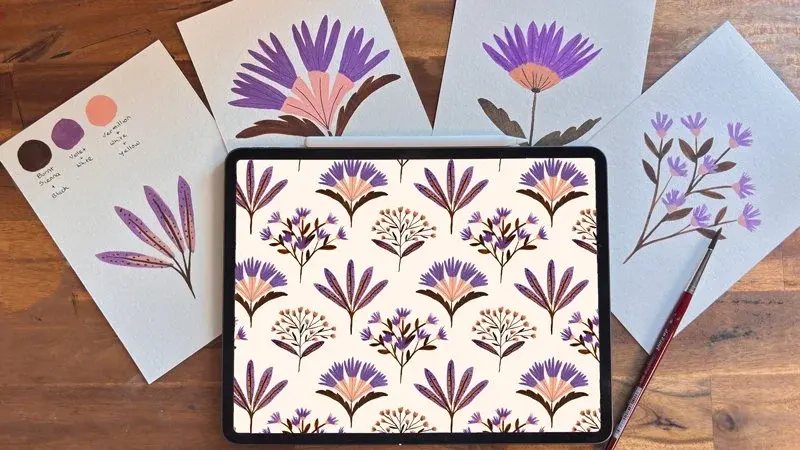
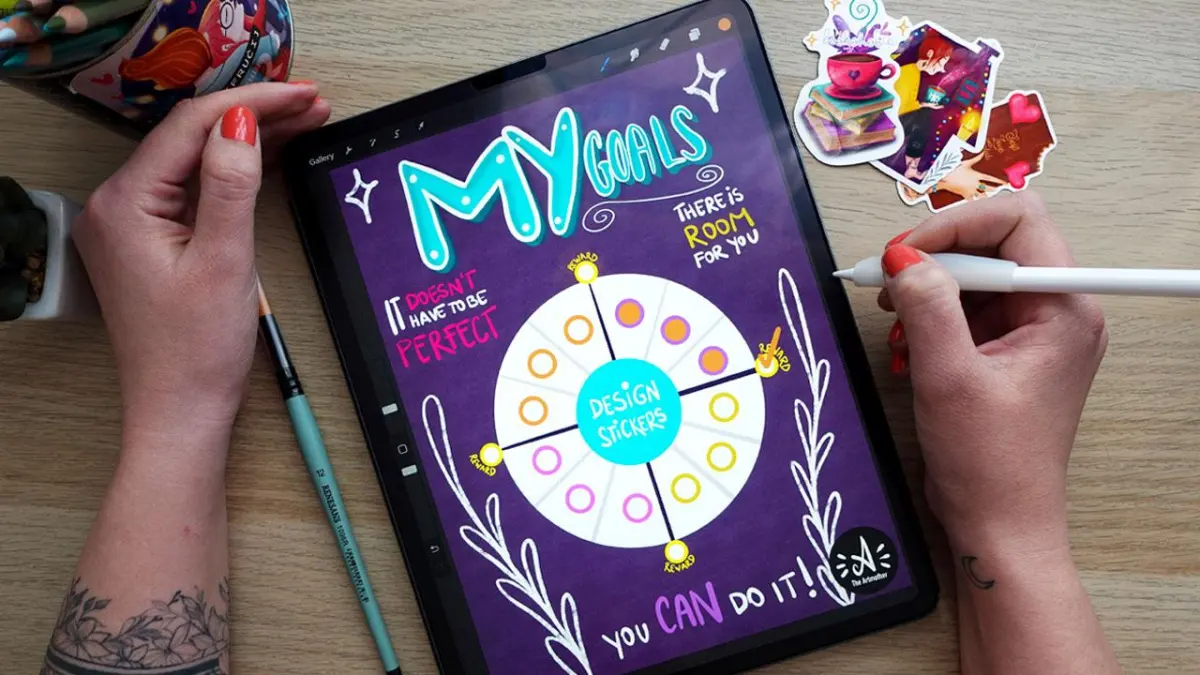
Skillshare is highly effective for beginners because it focuses on project-based learning rather than abstract theory. Unlike traditional textbooks that emphasize foundational drills, Skillshare encourages users to complete a tangible project in every course. This approach helps new artists build confidence quickly by producing finished work, such as a character illustration or a watercolor landscape, within a few hours. The platform hosts thousands of classes covering everything from digital painting in Procreate to traditional charcoal drawing.
The community aspect also benefits newcomers. Students can upload their work to the class gallery, where they receive feedback from peers and sometimes the instructors themselves. This social reinforcement is vital for sustaining motivation during the early stages of learning. However, because the platform is open to many instructors, the quality of production can vary. Beginners should prioritize classes with high student enrollment numbers and positive reviews to ensure they receive clear, structured guidance.
How to choose the best art classes
Choosing the right class requires filtering through the sheer volume of content available on the platform. Start by identifying your specific goal, such as learning color theory, perspective, or a specific software like Adobe Illustrator. Once you have a goal, use the search filters to sort by "Top" or "Trending" classes. This helps you find instructors who are popular and proven to communicate complex techniques effectively.
Follow these steps to select a high-quality course:
- Review the instructor’s profile to see their professional portfolio and background.
- Watch the introductory video to ensure the instructor’s teaching style aligns with your learning preferences.
- Check the "Class Project" section to see what previous students have created and determine if the difficulty level matches your current ability.
- Read the class description to confirm that the curriculum covers the specific tools or techniques you intend to master.
What are the limitations of Skillshare?
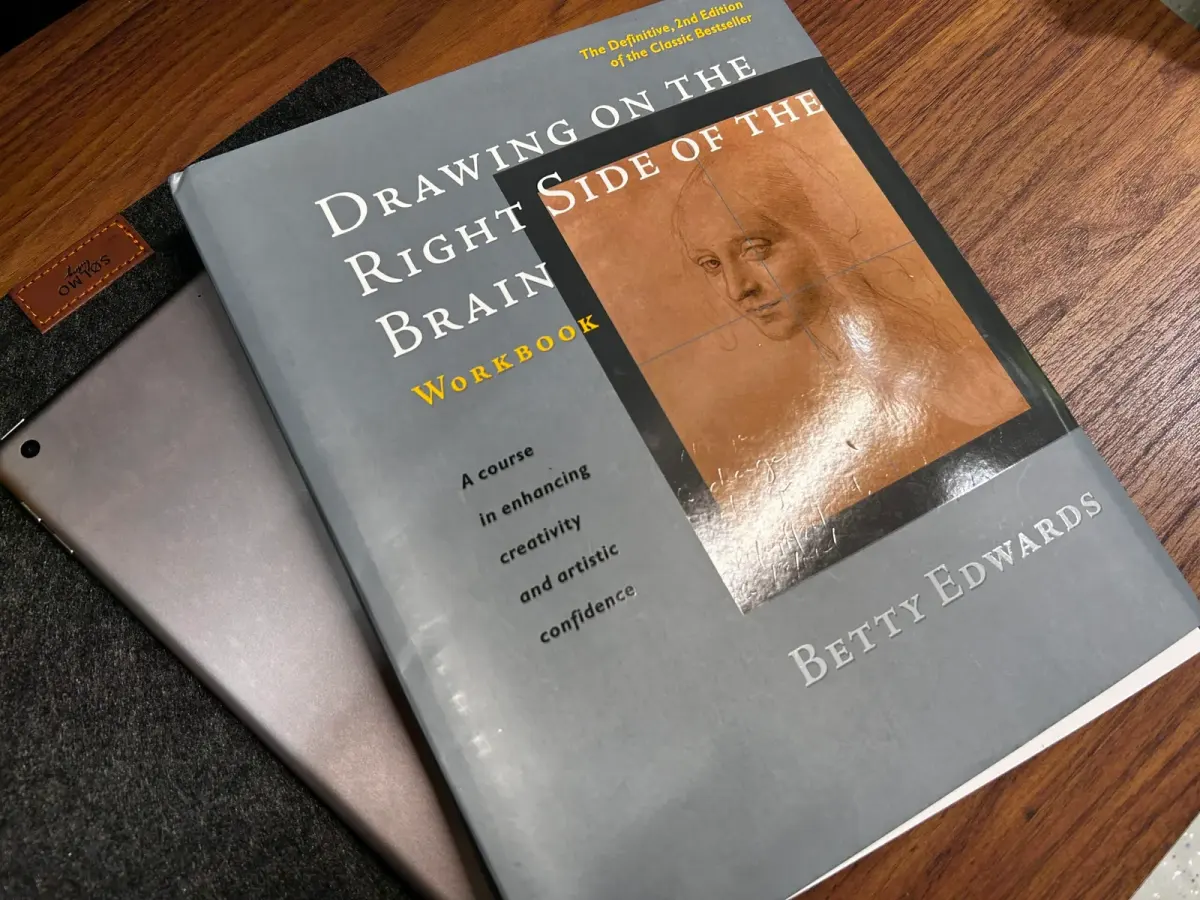
While Skillshare excels at teaching specific techniques, it is not a substitute for a comprehensive fine arts degree. The platform lacks a structured curriculum path, meaning students must curate their own learning journey. This can lead to "tutorial hopping," where a student jumps between unrelated topics without mastering the underlying fundamentals of anatomy, composition, or lighting. Without a formal syllabus, it is easy to neglect the essential, albeit boring, exercises that build long-term technical proficiency.
Furthermore, the platform does not provide formal critique or personal mentorship. While the community gallery is helpful, it cannot replace the rigorous, critical feedback provided by professional art professors in a classroom setting. Serious students should be aware that Skillshare is best used as a supplemental resource. It works best when combined with independent practice of foundational skills, such as life drawing or color studies, which require consistent, deliberate effort outside of the video lessons.
Common mistakes when learning art online
A frequent mistake students make is watching videos passively without picking up a pencil or stylus. Learning art is a motor skill that requires physical practice, not just visual consumption. To avoid this, you must treat every class as a workshop. Pause the video frequently to replicate the instructor’s movements and experiment with the techniques yourself. If you watch an entire course without drawing, you will likely forget the concepts within days.
Another common error is failing to practice consistently. Many users binge-watch classes during a burst of inspiration but fail to maintain a regular schedule. Art requires muscle memory, which only develops through repetition. To maximize your progress, consider these strategies:
- Establish a dedicated time each day for practice, even if it is only 30 minutes.
- Keep a sketchbook specifically for the exercises assigned in your Skillshare classes.
- Focus on completing one project at a time rather than starting multiple courses simultaneously.
- Avoid the temptation to compare your early work to the polished results of professional instructors.
How long does it take to get better?
Improvement in art is highly subjective and depends on the amount of time you dedicate to deliberate practice. Most Skillshare classes are designed to be completed in under two hours, making them ideal for busy schedules. However, completing a class is not the same as mastering a skill. You should expect to spend several weeks or months practicing the techniques learned in a single course before you can apply them fluidly in your own original work.
For most students, noticeable progress occurs after consistent practice over three to six months. During this period, you should focus on applying the lessons to original projects rather than just copying the instructor. If you find yourself struggling to improve, revisit the foundational classes on the platform to reinforce your understanding of core principles like value, form, and edges. By balancing structured video lessons with intentional, independent practice, you will see a measurable increase in the quality and complexity of your artwork over time.
Key facts
- Skillshare hosts over 30,000 video classes, with a significant portion dedicated to illustration, painting, and digital art.
- The platform operates on a subscription-based model, offering unlimited access to all courses rather than individual per-class payments.
- Instructors are often working professionals, such as professional illustrators or designers, rather than traditional academic professors.
- Most art courses include "Class Projects," which allow students to upload their work for community feedback and instructor review.
- Skillshare does not provide formal academic credit or professional certifications, making it unsuitable for those seeking institutional degrees.
- Beginners should prioritize courses with high enrollment numbers and positive student project galleries to ensure quality and clarity.
The bottom line
Skillshare is an excellent resource for hobbyists and emerging artists seeking to improve specific technical skills through project-based learning. While it lacks the formal structure and feedback of an accredited art school, its vast library of professional-led content offers unmatched flexibility. By focusing on completing hands-on projects rather than passive viewing, you can effectively build a diverse portfolio and master new creative tools affordably.
People also ask
Does Skillshare offer live interaction with instructors?
No, Skillshare courses are pre-recorded video lessons that you watch at your own pace. While some instructors may occasionally respond to project comments, there is no real-time classroom environment or live Q&A.
Can I learn professional-level art skills on Skillshare?
Yes, many professional artists use the platform to teach specific workflows or software techniques. However, it is best used as a supplemental tool for technical skills rather than a replacement for foundational fine arts education.
How do I choose the best art class on the platform?
Look for courses with thousands of student projects uploaded in the gallery section. This shows that the material is actionable and that the instructor provides clear enough instructions for students to complete their work.
Is Skillshare worth the cost for absolute beginners?
It is a cost-effective way to explore various mediums like watercolor, Procreate, or charcoal without buying expensive individual courses. The subscription model allows you to experiment with different styles to see what interests you most.
What are the common mistakes to avoid when using Skillshare?
A common mistake is "tutorial hell," where a student watches dozens of videos without actually practicing the techniques. Always pause the video to complete the exercises and upload your work to the project gallery.
Does the platform provide the necessary art supplies for courses?
No, you are responsible for purchasing your own physical art supplies or software subscriptions. Most instructors provide a list of recommended materials in the "About" or "Resources" section of the class page.
This answer was created with the help of AI research tools and reference sources. Spotted an error? Let us know — we correct mistakes quickly. See our editorial policy.