What are good drawing books for beginners?
Short answer
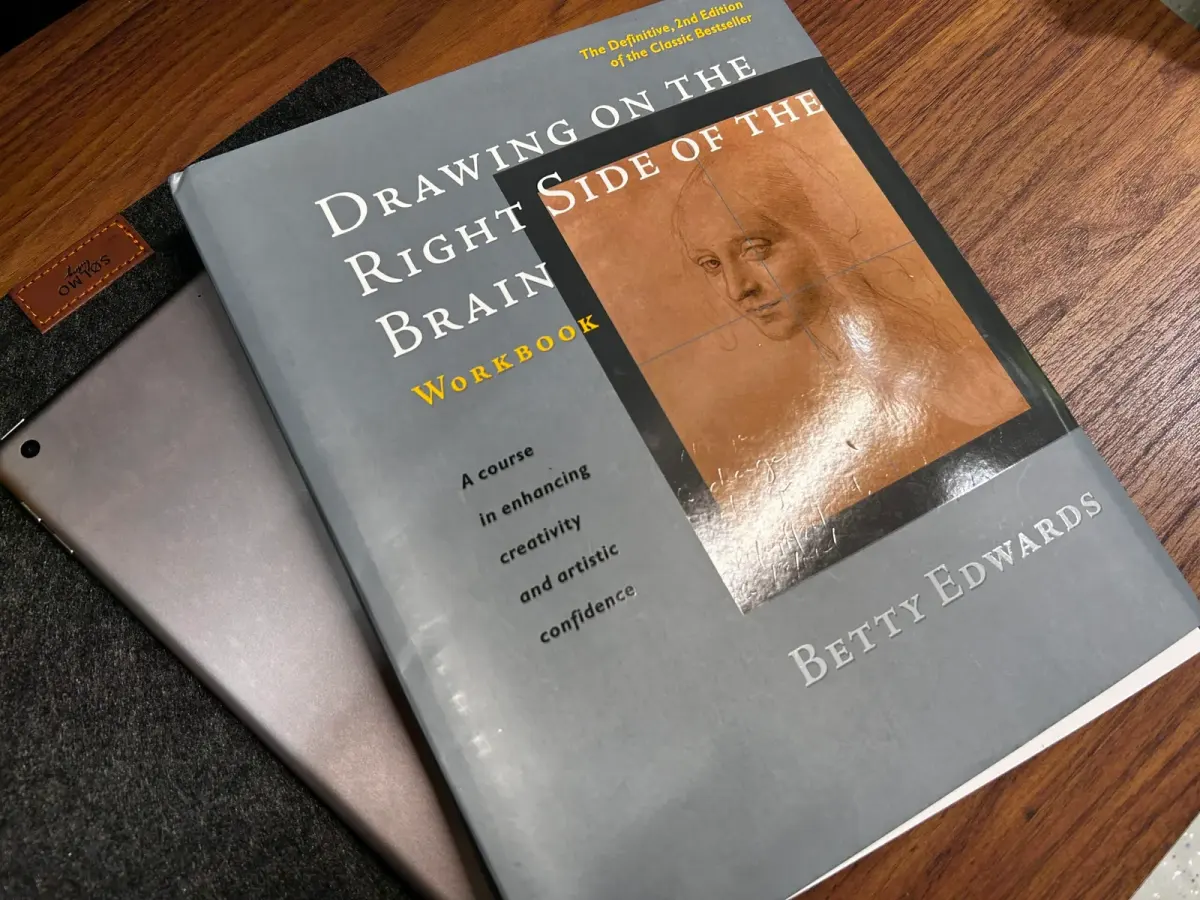
The most effective drawing books for beginners focus on fundamental techniques like perspective, anatomy, and light theory rather than just copying images. Highly recommended titles include Drawing on the Right Side of the Brain by Betty Edwards, Keys to Drawing by Bert Dodson, and Figure Drawing for All It’s Worth by Andrew Loomis.
On this page
Best drawing books for beginners
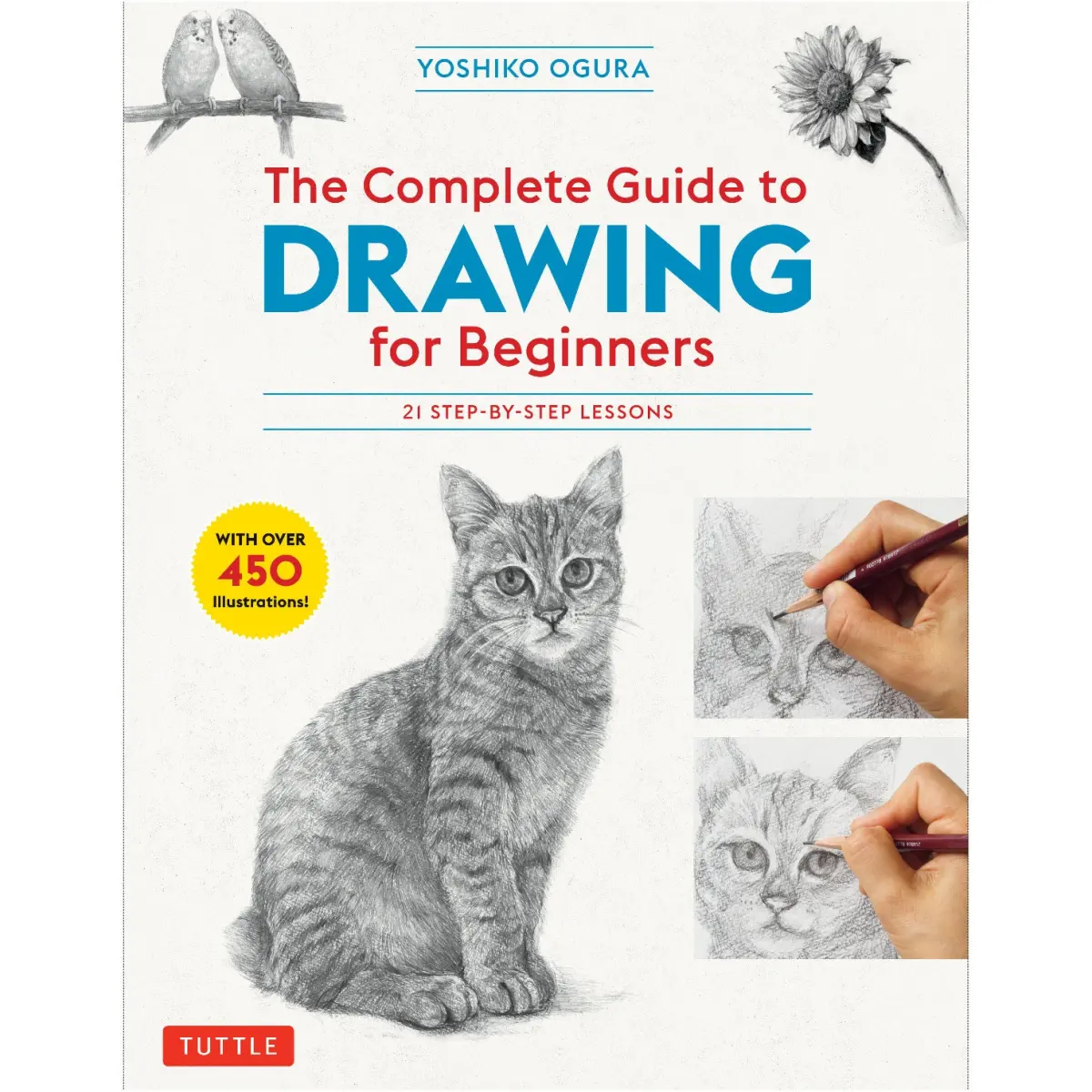
Selecting the right instructional material is crucial for building a solid foundation in fine art. Beginners should prioritize books that explain the "why" behind visual representation rather than those that simply provide step-by-step templates for drawing specific objects. Understanding the underlying geometry of the world allows an artist to draw anything from imagination rather than relying on references.
The following books are widely considered the gold standard for those starting their artistic journey:
- Drawing on the Right Side of the Brain by Betty Edwards: Focuses on shifting perception to see shapes and negative space accurately.
- Keys to Drawing by Bert Dodson: Offers 55 keys to drawing that emphasize observation and hand-eye coordination.
- Figure Drawing for All It’s Worth by Andrew Loomis: Provides a comprehensive guide to human anatomy and structural construction.
- Perspective Made Easy by Ernest Norling: Simplifies complex spatial concepts into manageable lessons for any skill level.
How to learn drawing from books
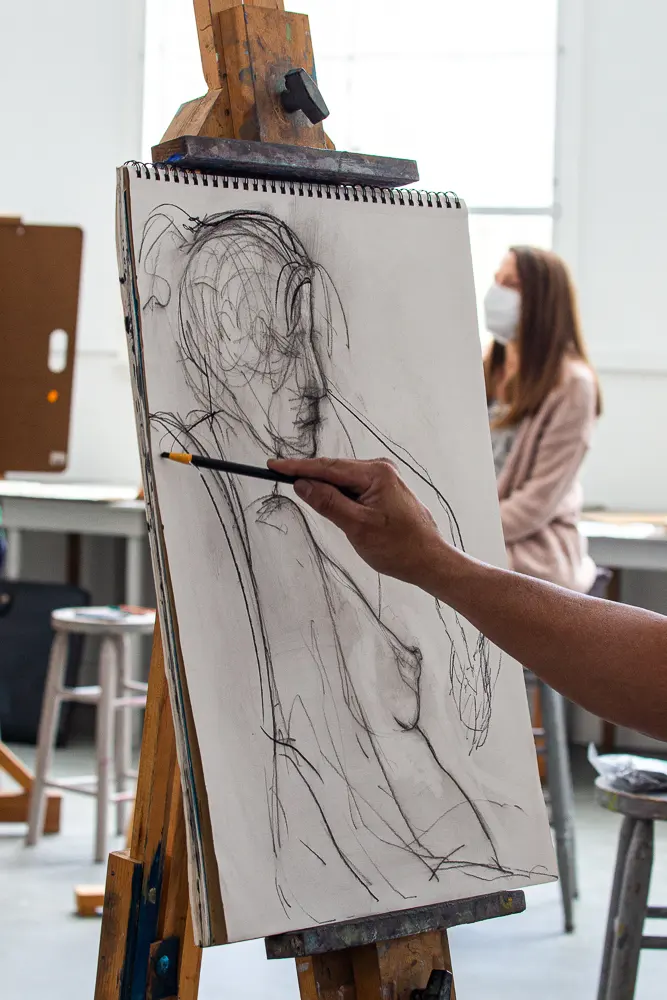
Learning from a book requires active engagement rather than passive reading. You must treat these texts as workbooks, completing every exercise even if the initial results feel frustrating. Consistency is far more important than intensity; practicing for 30 minutes every day is significantly more effective than drawing for five hours once a week.
To get the most out of your study sessions, follow these steps:
- Read one chapter at a time to understand the theory presented.
- Complete all assigned exercises in a dedicated sketchbook to track your progress.
- Revisit the exercises after two weeks to see how your interpretation of the concepts has evolved.
- Compare your drawings to the examples in the book to identify gaps in your understanding of light, shadow, or form.
Common mistakes when learning to draw
One of the most frequent errors beginners make is focusing on intricate details before establishing the overall structure of a subject. This "detail-first" approach often leads to drawings that look distorted because the proportions were never correctly mapped out. Always start with light, loose construction lines to define the basic shapes before committing to darker, permanent marks.
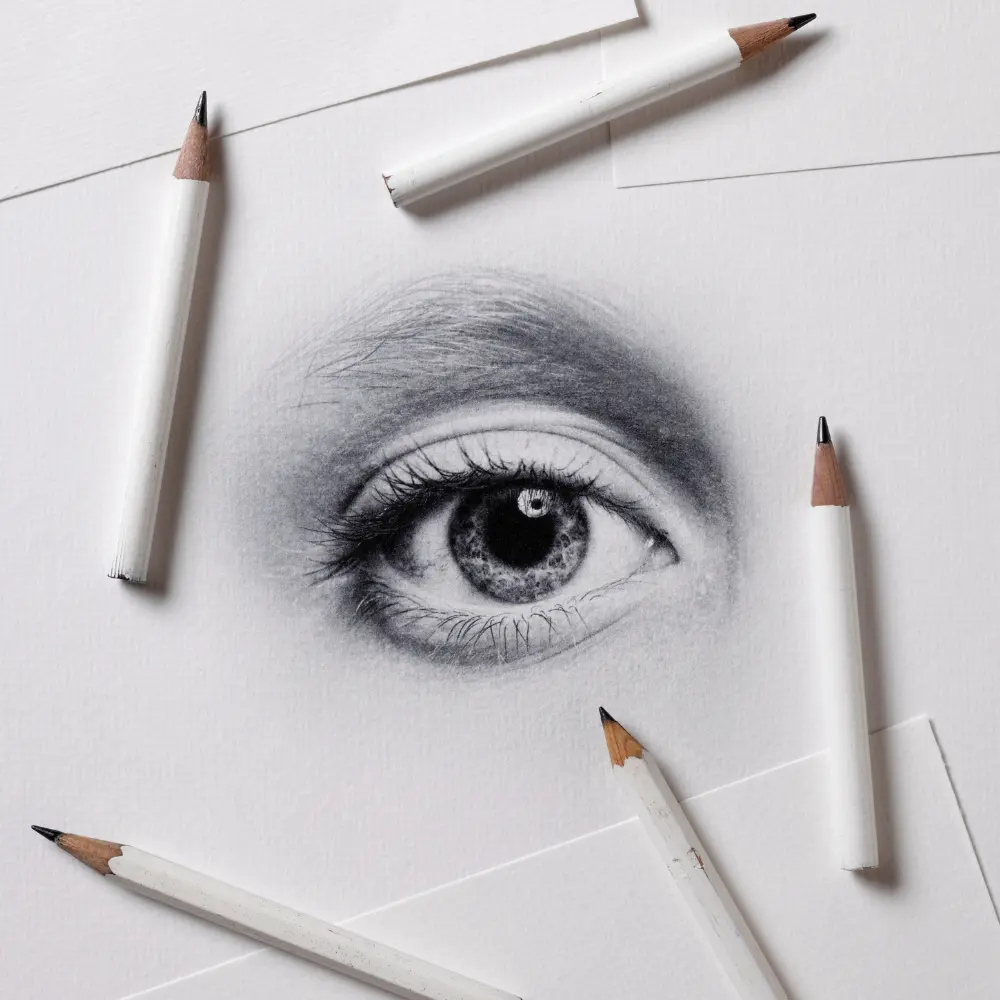
Another common pitfall is the tendency to draw what you think you see rather than what is actually there. For example, when drawing an eye, many beginners draw a symbol of an eye based on their mental shortcut rather than observing the specific curve of the eyelid or the way light hits the iris. To overcome this, try turning your reference image upside down to force your brain to focus on abstract shapes rather than recognized objects.
How long does it take to learn to draw
The time required to reach proficiency varies greatly depending on the individual's dedication and the quality of their practice. Most beginners can expect to see significant improvement in their structural accuracy after three to six months of daily, focused practice. Mastering complex subjects like human anatomy or intricate perspective can take several years of consistent study and experimentation.
It is helpful to view drawing as a skill of visual literacy rather than a talent one is born with. Much like learning a new language, your brain must learn to decode the visual information in front of you and translate it onto paper. Do not become discouraged if your drawings do not look professional immediately; the process of training your eye to see value, edges, and proportions is a gradual, cumulative experience.
Why drawing progress feels slow
Many students experience a "plateau" where their skills seem to stagnate despite regular practice. This is a natural part of the learning process, often occurring when your eye has become more sophisticated than your hand. You are now aware of mistakes that you previously could not see, which is actually a sign of significant artistic growth.
To break through these periods of frustration, consider these strategies:
- Take a break from your primary instructional book to experiment with a different medium, such as charcoal or ink.
- Focus on "blind contour" drawing, where you look only at the subject and not at your paper, to improve your hand-eye connection.
- Study the work of master artists to understand how they solved the same problems you are currently facing.
- Document your work chronologically to provide objective evidence of your improvement over time.
Key facts
- Betty Edwards’ Drawing on the Right Side of the Brain (1979) focuses on shifting cognitive processing to improve observational accuracy.
- Andrew Loomis’ Fun with a Pencil (1939) remains a foundational text for understanding head construction and basic perspective.
- Keys to Drawing by Bert Dodson offers 55 specific exercises designed to train the eye to see edges and proportions correctly.
- Beginners should prioritize drawing from life rather than photographs to better understand depth, light, and three-dimensional form.
- Consistent practice of 15 to 30 minutes daily is more effective for skill acquisition than long, infrequent sessions.
- Using a soft graphite pencil (2B or 4B) allows for a wider range of tonal values compared to harder, lighter leads.
The bottom line
Learning to draw is a disciplined process that prioritizes observation over talent. By utilizing classic instructional texts and committing to daily practice, you can retrain your brain to see shapes, light, and proportions accurately. Avoid the temptation to draw from memory; instead, focus on sketching real-world objects. With patience and consistent effort, you will develop the technical foundation necessary to express your creative vision effectively.
People also ask
Should I learn to draw using digital tablets or traditional paper?
Traditional paper and pencil are recommended for beginners because they provide tactile feedback and eliminate the complexity of software settings. Mastering physical media builds fundamental hand-eye coordination that translates easily to digital tools later.
How long does it take to learn how to draw?
While basic proficiency can be achieved in a few months of daily practice, drawing is a lifelong skill. Progress is measured by the ability to accurately represent what you see, which improves incrementally over years of study.
Is it necessary to learn anatomy to draw people?
Understanding basic skeletal and muscular structures is essential for drawing convincing human figures. Without this knowledge, drawings often appear stiff or anatomically impossible, even if the surface details look correct.
What is the most common mistake for beginners?
Many beginners focus on drawing symbols of objects, such as a cartoon eye, rather than observing the specific shapes and shadows present. This "symbol drawing" prevents artists from capturing the unique reality of their subjects.
Do I need expensive art supplies to start?
High-quality materials are not required for beginners; a standard HB pencil and a sketchbook are sufficient. Focus on technique and observation rather than investing in professional-grade tools until your skills warrant the upgrade.
How can I improve my drawing speed?
Speed is a byproduct of accuracy and muscle memory rather than conscious rushing. By practicing gesture drawing—where you capture the essence of a subject in under two minutes—you will naturally become faster and more confident.
This answer was created with the help of AI research tools and reference sources. Spotted an error? Let us know — we correct mistakes quickly. See our editorial policy.