What is a drawing class like?
Short answer
A drawing class is a structured environment where students learn to translate three-dimensional subjects onto two-dimensional surfaces. Sessions typically involve demonstrations, focused practice on specific techniques, and individual feedback from an instructor. Whether held in a studio or online, these classes emphasize observational skills, composition, and the mastery of various mediums.
On this page
What happens in a drawing class
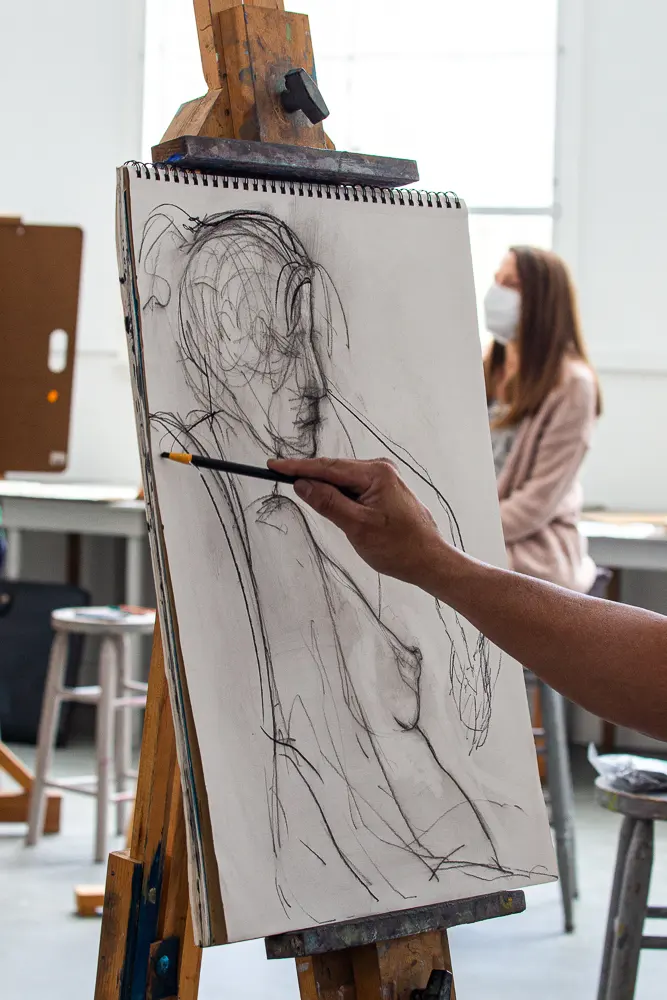
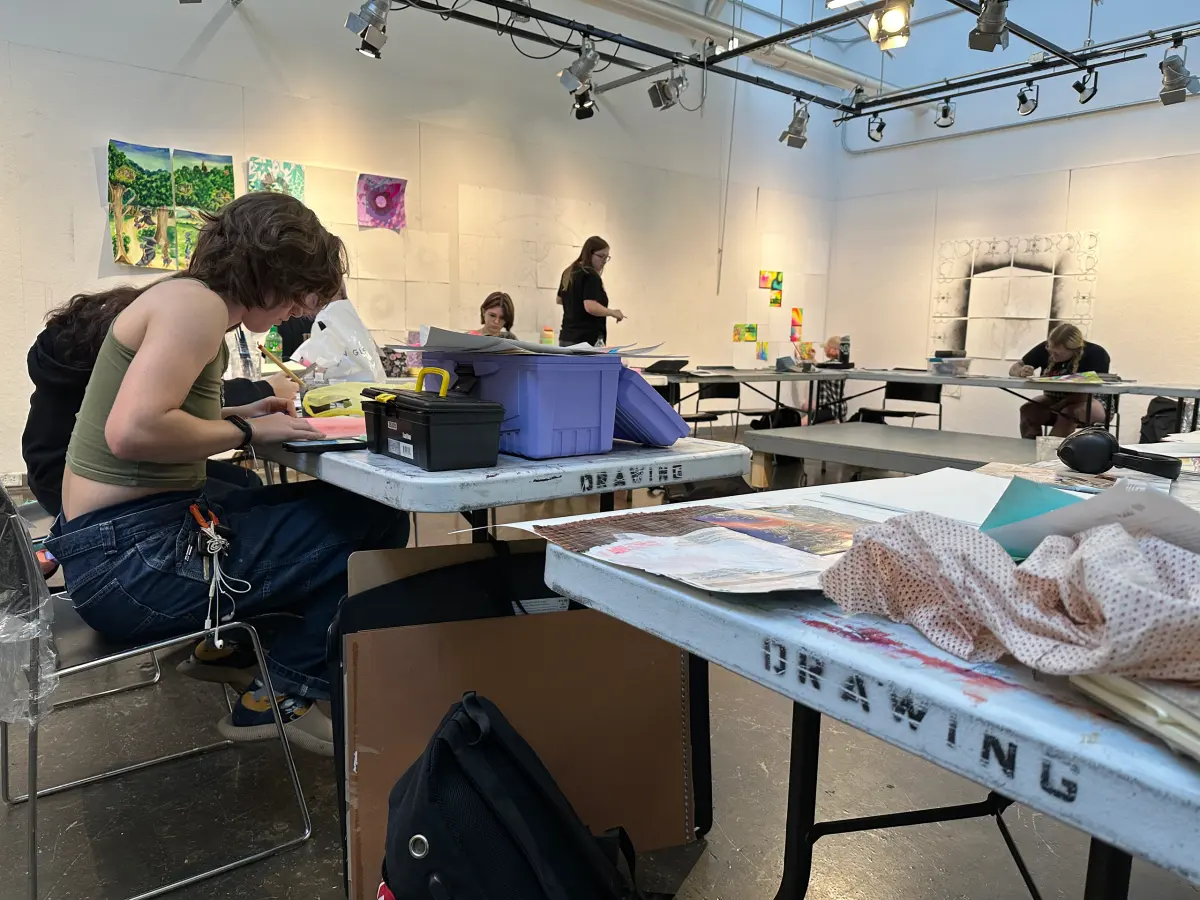
Most drawing classes follow a predictable rhythm designed to build technical proficiency over time. A typical session begins with a short lecture or a live demonstration where the instructor explains a specific concept, such as linear perspective, value shading, or contour line work. Following the demonstration, students work independently on assignments while the instructor circulates the room to provide one-on-one guidance.
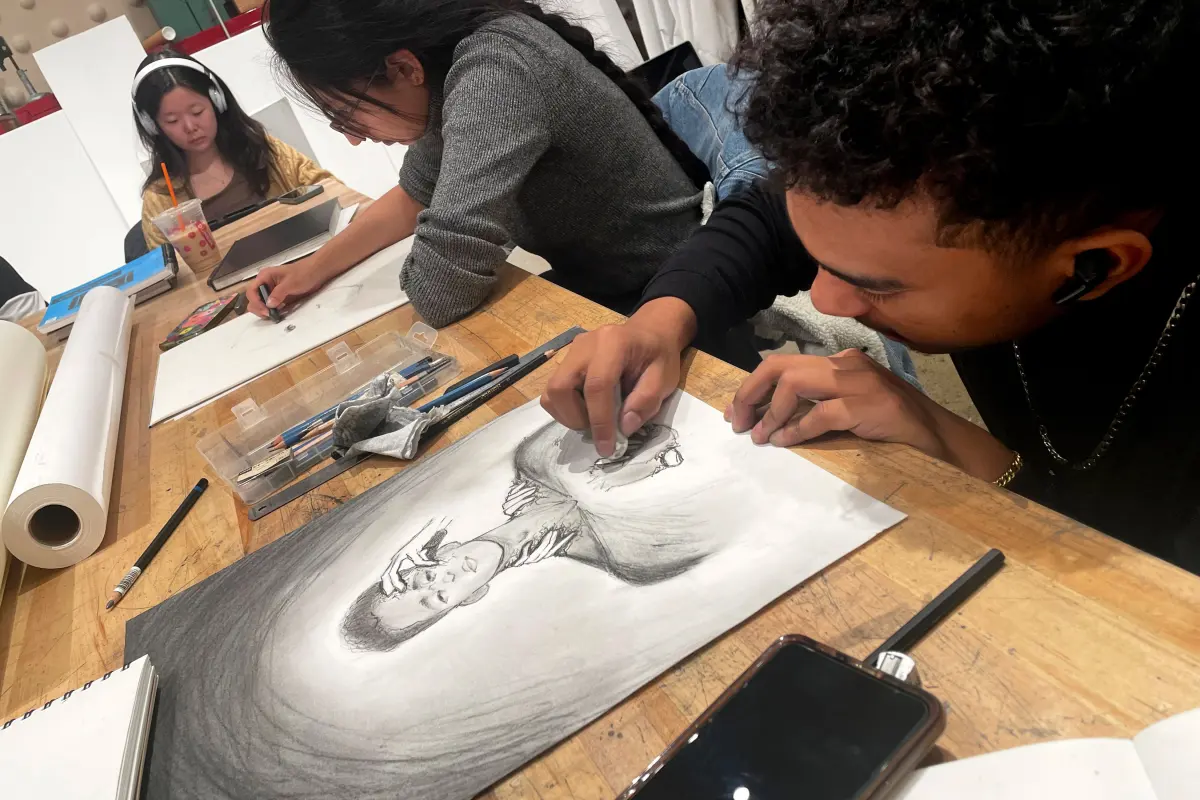
The atmosphere is generally quiet and focused, allowing students to concentrate on their subjects. If the class is a life drawing session, a model will hold a series of poses ranging from thirty seconds to twenty minutes. In still-life or landscape classes, students arrange objects or reference materials to study light and shadow. Most classes conclude with a "critique," where students display their work for collective feedback. This communal review helps beginners understand how different artists approach the same technical challenges.
How long does it take to learn to draw
Developing fundamental drawing skills is a gradual process that requires consistent, deliberate practice rather than innate talent. Most foundational courses last between eight and twelve weeks, with sessions meeting once or twice per week for two to three hours. While a single course provides the necessary vocabulary and techniques, true proficiency usually requires months or years of regular sketching outside the classroom.
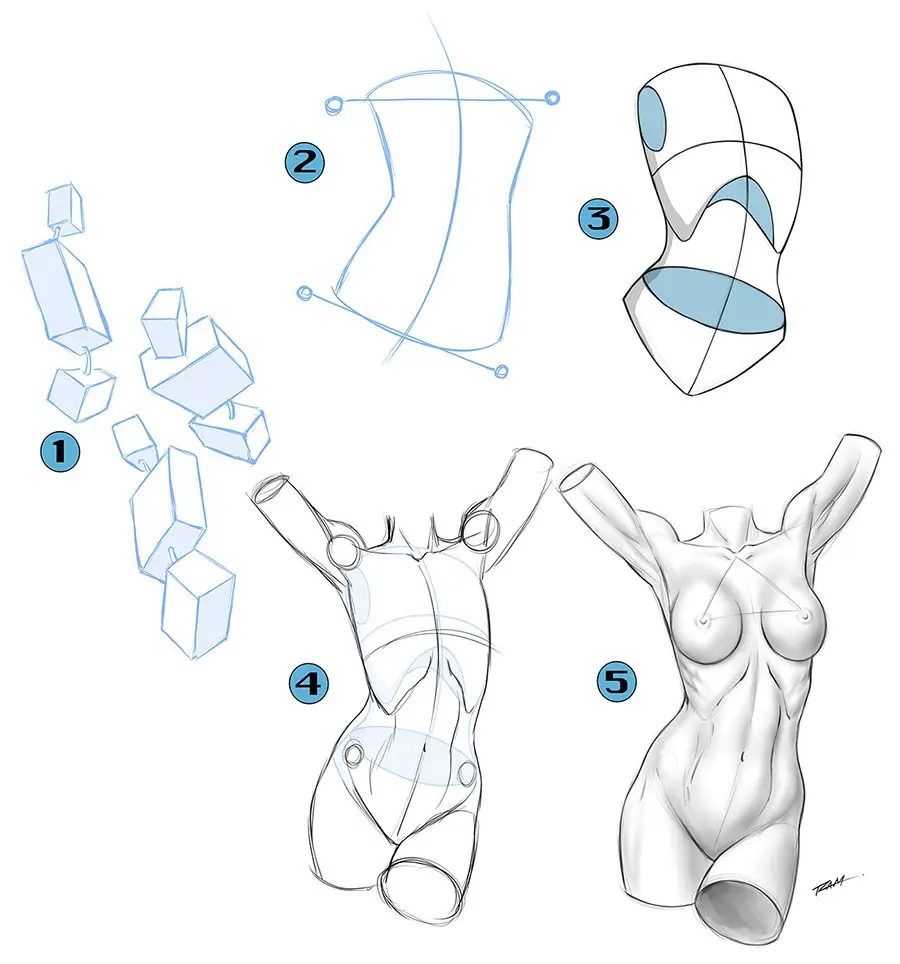
Progress is often measured in stages rather than hours spent. Beginners typically start by learning to see shapes rather than objects, a process that can take several weeks to master. Intermediate students then move toward understanding complex anatomy or atmospheric perspective. To see measurable improvement, experts recommend the following:
- Dedicate at least 30 minutes daily to "sketchbook time" to build muscle memory.
- Focus on one specific skill, such as cross-hatching or measuring proportions, for an entire week.
- Review past drawings every month to identify objective improvements in line quality and accuracy.
Best materials for drawing beginners
You do not need an expensive array of supplies to begin a drawing class. Most instructors recommend a minimalist kit that allows you to focus on technique rather than managing complex tools. High-quality basics are more effective than large sets of low-grade materials, as they provide better control over tone and texture.
- Graphite pencils: Start with a range of hardness, specifically 2H, HB, 2B, and 4B.
- Erasers: A kneaded eraser is essential because it can be molded into shapes to lift light highlights without damaging the paper.
- Paper: A 9x12 inch sketchbook with smooth or medium-tooth paper is standard for class exercises.
- Sharpener: A simple metal handheld sharpener is often more reliable than electric versions.
- Drawing board: A portable board provides a stable surface if you are working away from a desk.
Common mistakes when learning to draw
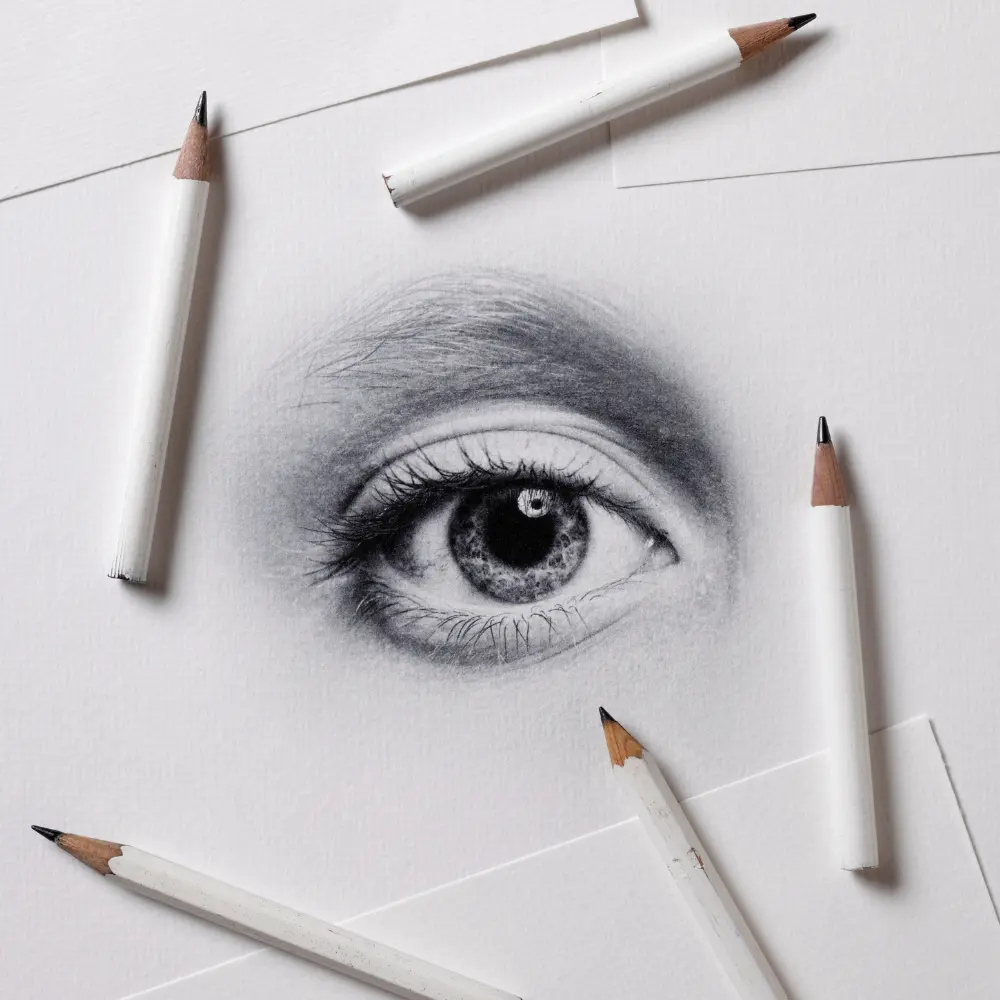
The most frequent error beginners make is "symbol drawing," where the artist draws what they think an object looks like rather than what they actually see. For example, a student might draw a generic cartoon eye instead of observing the specific curve of the eyelid or the way light reflects on the iris. This disconnect between perception and execution is the primary hurdle for new students.
Another common mistake is rushing the initial layout or "blocking-in" phase of a drawing. If the basic proportions are incorrect, no amount of shading or detail will fix the final result. Students often feel pressured to finish a piece quickly, leading to messy lines and poor composition. To avoid these pitfalls, prioritize accuracy in the first quarter of your drawing time. If the underlying structure is sound, the final rendering will be much easier to complete successfully.
Why drawing classes are worth it
Taking a class provides a level of accountability and structured feedback that is difficult to replicate through self-study. An instructor can immediately spot subtle errors in your perspective or shading that you might overlook after staring at a page for hours. This objective perspective is crucial for breaking bad habits early in your development.
Beyond technical growth, the classroom environment offers a community of peers who are navigating the same challenges. Seeing how others solve problems—such as how to render a complex shadow or simplify a difficult pose—expands your own artistic toolkit. Many students find that the discipline of attending a scheduled class forces them to prioritize their creative growth in a way that casual practice cannot. Ultimately, the value of a class lies in the transformation of your visual processing, teaching you how to observe the world with the precision and patience of an artist.
Key facts
- Most beginner classes focus on "gesture drawing," which involves sketching a subject’s basic form in under 60 seconds to build observation speed.
- Instructors typically require a set of graphite pencils ranging from 2H (hard/light) to 6B (soft/dark) to achieve a full value scale.
- You will spend significant time learning "sighting," a technique where you hold your pencil at arm's length to measure proportions against your subject.
- A standard studio session often includes a "critique," where students display their work for collective feedback to identify strengths and technical errors.
- Avoid the common mistake of "smudging" your graphite with your fingers, as this introduces skin oils that degrade paper quality and muddy the drawing.
- Focus on drawing "negative space"—the shapes between objects—rather than the objects themselves to improve accuracy and bypass brain-based visual assumptions.
The bottom line
A drawing class is a structured environment designed to sharpen your visual perception and technical dexterity. By practicing core techniques like sighting, value mapping, and negative space analysis, you transform how you interpret the physical world. While the process requires patience and consistent daily practice, the combination of expert guidance and peer critiques provides the necessary framework to evolve from a novice into a confident artist.
People also ask
Do I need to be naturally talented to take a drawing class?
No, drawing is a technical skill based on observation rather than innate talent. Classes are designed to teach you how to see shapes, light, and shadows systematically.
How much time should I expect to spend on homework?
Most instructors suggest at least 30 to 60 minutes of daily practice outside of class. Consistent repetition is essential for developing the muscle memory required for precise mark-making.
What is the difference between a studio class and an online course?
Studio classes provide immediate, hands-on feedback from an instructor who can physically adjust your posture or grip. Online courses offer convenience but lack the real-time interaction found in a professional art studio.
Is it necessary to buy expensive professional art supplies?
Beginners should start with basic, high-quality student-grade materials. As you progress, you can invest in specialized paper, charcoal, or professional-grade pencils that suit your specific style.
What should I wear to a drawing class?
Wear comfortable, casual clothing that you do not mind getting dirty. Charcoal and graphite dust are difficult to remove from delicate fabrics and formal wear.
Will I be forced to draw from live models?
Many foundational drawing classes use live models to teach human anatomy and proportion. If you are uncomfortable with this, check the syllabus beforehand, as some institutions offer still-life or landscape-focused alternatives.
This answer was created with the help of AI research tools and reference sources. Spotted an error? Let us know — we correct mistakes quickly. See our editorial policy.