How long does it take to get good at drawing?
Short answer
Gaining proficiency in drawing typically requires 500 to 1,000 hours of deliberate practice to achieve basic competence. Reaching an advanced or professional level often demands 5,000 to 10,000 hours of consistent, focused study. Individual progress varies significantly based on the quality of instruction, natural aptitude, and the specific artistic goals you pursue.

On this page
How long does it take to learn the basics?
Most beginners can achieve a functional level of drawing within six months to a year by dedicating at least one hour of daily, focused practice. During this initial phase, the goal is to develop hand-eye coordination and learn to see shapes rather than symbols. You are training your brain to translate three-dimensional objects onto a two-dimensional surface accurately.
The speed of your progress depends heavily on the structure of your practice sessions. If you spend your time mindlessly doodling, you will improve slowly. However, if you follow a curriculum that emphasizes fundamental principles, you will see measurable results much faster. Consistency is the primary driver of skill acquisition, as the physical connection between your eyes and your hand requires repetitive neurological reinforcement.
- Spend the first month focusing solely on line quality and basic geometric shapes.
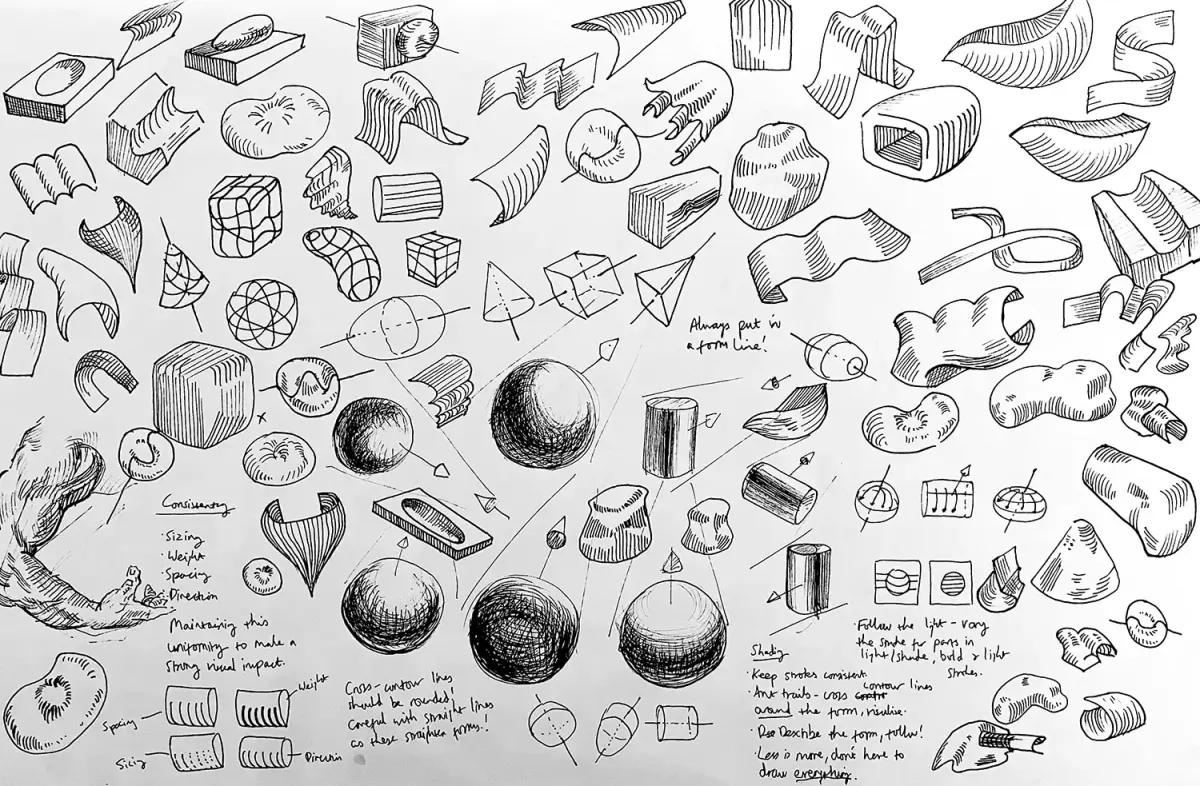
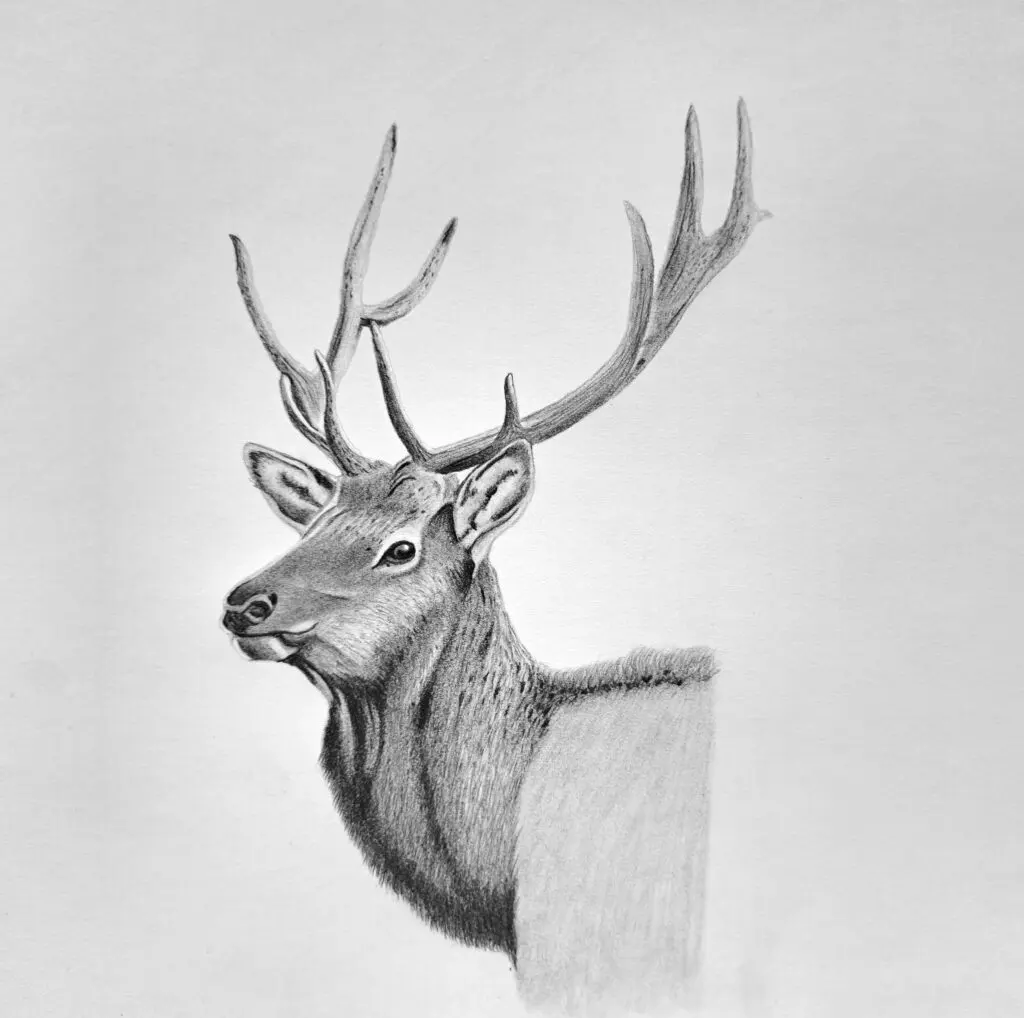
- Dedicate the second and third months to understanding light, shadow, and simple value scales.
- Use the remaining time to practice perspective and basic anatomy through observation.
Best drawing exercises for beginners
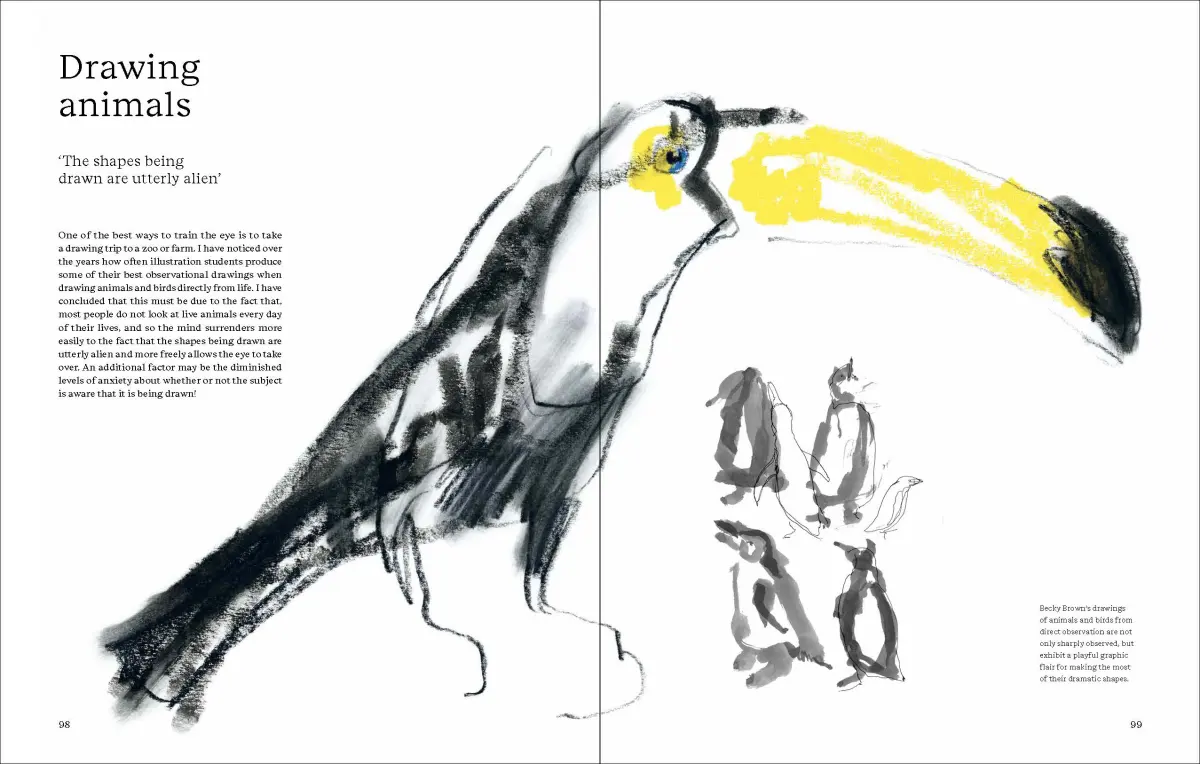
To build a strong foundation, you must prioritize exercises that force you to observe reality rather than relying on your imagination. The most effective method is contour drawing, where you trace the edges of objects without looking down at your paper. This technique forces your brain to process visual information in real-time, bypassing the shorthand symbols your mind uses to represent objects.
Another essential practice is the study of "negative space." Instead of drawing a chair, try to draw the empty spaces between the chair's legs and back. This shift in perspective helps you understand proportion and scale much more accurately than focusing on the object itself. You should also incorporate gesture drawing, which involves sketching the movement and flow of a subject in under two minutes.
- Blind contour drawing: Look only at the subject for five minutes.
- Value studies: Create a five-step grayscale chart to understand light intensity.
- Perspective grids: Practice drawing cubes from three different angles.
- Still life observation: Sketch household items to master ellipses and cylinders.
Why progress feels slow for artists
Many learners experience a "plateau" after the initial excitement of starting wears off. This usually happens when you move from simple shapes to complex subjects like human anatomy or intricate landscapes. The brain often struggles to reconcile the gap between what you see and what you are capable of rendering on paper. This frustration is a normal part of the learning process, not a sign of a lack of talent.
Progress in drawing is rarely linear; it often arrives in sudden bursts after long periods of stagnation. You might feel like you are not improving for weeks, only to realize that your ability to perceive subtle shifts in color or form has fundamentally changed. This is the result of your visual cortex becoming more refined. Understanding that this non-linear growth is expected can help you persist through difficult learning phases.
Common mistakes when learning to draw
The most frequent error is avoiding the subjects you find difficult. If you struggle with hands, you might be tempted to hide them in pockets or behind objects. This avoidance stunts your growth because you are not confronting the specific technical challenges that define your current skill ceiling. You must actively seek out your weaknesses and dedicate specific practice sessions to overcoming them.
Another common pitfall is relying on "symbol drawing." This occurs when you draw what you think an eye or a nose looks like, rather than what is actually in front of you. To correct this, you must constantly compare your drawing to the subject. Check your proportions frequently by measuring distances with your pencil or using a viewfinder. Never assume you know how an object is shaped; always verify it through direct observation.
- Avoid smudging graphite with your fingers, as it creates muddy, unprofessional textures.
- Stop using heavy outlines for every object, as this flattens your composition.
- Do not ignore the light source; always define where the light originates.
- Avoid working on low-quality paper, which can discourage experimentation and erasing.
How to maintain long-term improvement
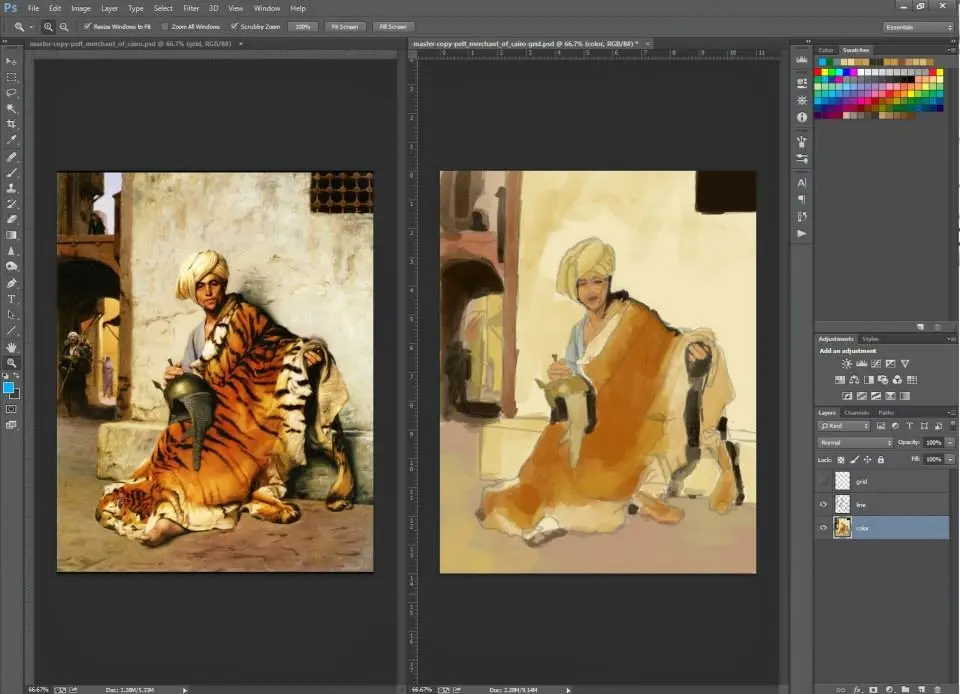
Sustaining momentum requires a shift from quantity to quality. As you advance, you should begin to study the masters, such as Leonardo da Vinci or John Singer Sargent, to understand how they solved complex visual problems. Analyze their use of composition, edges, and focal points. By deconstructing their work, you learn to apply professional techniques to your own creative projects, which accelerates your development.
Finally, document your progress by keeping a physical sketchbook. Looking back at work from six months ago provides the objective evidence needed to prove you are improving, even on days when you feel discouraged. Set clear, small goals for each week, such as mastering a specific type of shading or learning how to draw a particular texture. By breaking down the massive task of becoming an artist into manageable, bite-sized objectives, you ensure steady and permanent growth.
Key facts
- Mastery of foundational drawing usually requires 1,000 to 2,000 hours of deliberate practice.
- Drawing is a motor skill, meaning muscle memory develops through repetition rather than intellectual study alone.
- The "10,000-hour rule" popularized by Malcolm Gladwell is a general guideline for expert mastery, not a requirement for basic proficiency.
- Consistent daily practice of 30 minutes is more effective for skill retention than a single five-hour session once a week.
- Artists like Leonardo da Vinci spent decades refining their anatomical knowledge, proving that learning is a lifelong process.
- Using a sketchbook to draw from life, rather than from photographs, accelerates spatial reasoning and observation skills.
The bottom line
Becoming proficient at drawing is a marathon, not a sprint. While you can expect to see significant progress within your first year of consistent daily practice, true mastery is a lifelong pursuit. Focus on understanding fundamental shapes and observing the world around you rather than chasing immediate perfection. By prioritizing deliberate, structured repetition over raw talent, you will build the technical skills necessary to express your creative vision.
People also ask
Does talent determine how fast I can learn to draw?
Talent is often just an early interest that leads to more practice. While some individuals may have a slight natural aptitude for spatial visualization, technical skill is almost entirely a product of consistent, focused effort.
Should I learn to draw digitally or traditionally first?
Traditional media like graphite and paper are recommended for beginners. They teach you to commit to marks without the "undo" button, which builds confidence and forces you to understand line weight and pressure.
How do I know if I am actually improving?
Keep a dated sketchbook and review your work every three months. You will likely notice improvements in your line quality, proportion, and shading that are invisible on a day-to-day basis.
Is it necessary to take formal art classes?
Classes provide structured feedback and accountability, which can shorten the learning curve. However, high-quality instructional books and online demonstrations are sufficient if you are disciplined enough to practice regularly.
What is the most common mistake beginners make?
Many beginners focus too much on details like eyes or hair before understanding basic shapes. Mastering the ability to break complex objects down into spheres, cubes, and cylinders is the fastest way to improve.
How long until I can draw a realistic portrait?
With dedicated practice, most people can achieve a recognizable, proportional portrait within 6 to 12 months. Achieving professional-level realism, however, typically requires several years of study in anatomy and light theory.
This answer was created with the help of AI research tools and reference sources. Spotted an error? Let us know — we correct mistakes quickly. See our editorial policy.