How do you draw a cute cat?
Short answer
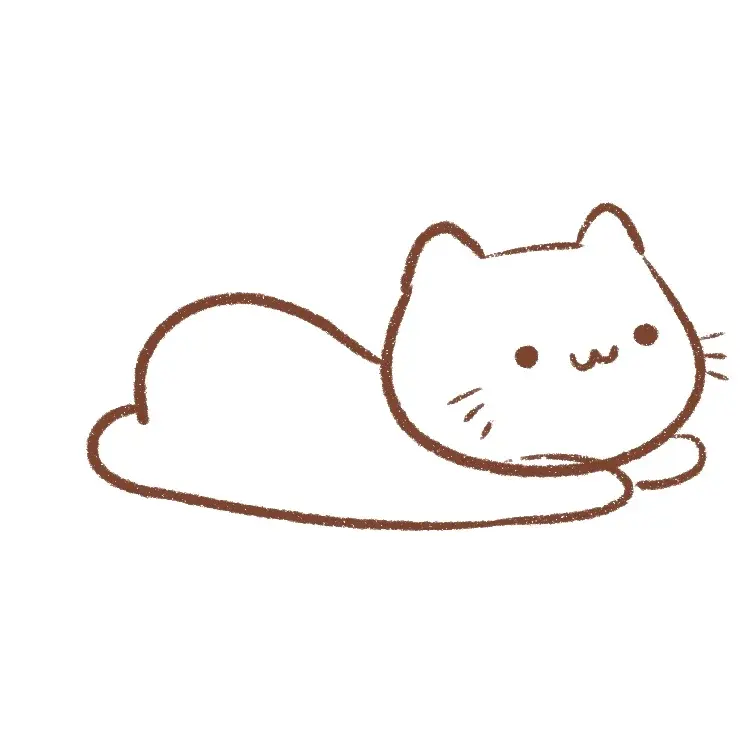
Drawing a cute cat involves emphasizing rounded shapes, large eyes, and simplified features. By focusing on a circular head, oversized pupils, and soft, curved lines, you create an endearing aesthetic. Practice basic geometric construction to maintain proportions, then add expressive details like whiskers and tiny paws to complete your charming feline illustration.
On this page
How to draw a cute cat step by step
Creating a cute cat begins with basic geometry rather than complex anatomy. Start by sketching a large circle for the head and a slightly smaller, oval shape for the body. This foundation ensures your character maintains a balanced, approachable appearance. Keep your lines light and loose during this phase so you can easily refine the silhouette later.
Once the primary shapes are established, add the features that define a "cute" aesthetic. Large, widely spaced eyes are essential, as they trigger a psychological response associated with youth and vulnerability. Place these eyes low on the head, leaving plenty of room for the forehead. Add small, triangular ears on top and a tiny, inverted triangle for the nose. Follow these steps to refine your drawing:
- Draw two large circles for eyes, leaving a small gap between them.
- Add a small, curved line beneath the nose to form a soft, smiling mouth.
- Sketch rounded, stubby legs to emphasize the character’s small stature.
- Add a long, curved tail to provide balance and personality to the pose.
Best tools for beginners
Choosing the right equipment significantly impacts your ability to draw clean, charming lines. For those just starting, a standard HB graphite pencil is ideal because it allows for easy erasing and shading. Pair this with a high-quality white vinyl eraser to keep your workspace clean. Using a smooth-surfaced sketchbook prevents the paper grain from distorting your lines, ensuring your cat looks polished.
If you prefer digital drawing, a pressure-sensitive tablet is the industry standard. Software such as Procreate or Adobe Fresco provides stabilizers that smooth out shaky hand movements, which is perfect for beginners. Regardless of the medium, focus on the quality of your stroke rather than the speed of your work. Start with these essential items:
- HB or 2B graphite pencils for sketching and detailing.
- A kneaded eraser to lift graphite without damaging the paper texture.
- Smooth, acid-free drawing paper or a digital tablet with a stylus.
- Fine-liner pens for adding permanent, bold outlines once the sketch is finished.
Why big eyes make a cat look cute
The "cute" factor in illustration is heavily influenced by a concept known as the baby schema, or Kindchenschema. This biological principle suggests that humans are hardwired to respond positively to features associated with infants, such as large eyes, high foreheads, and rounded cheeks. By exaggerating these traits in your cat drawing, you tap into this innate preference, making your character instantly more appealing to the viewer.
When drawing the eyes, focus on the pupils. Large, dilated pupils often appear more expressive and friendly than thin, vertical slits. Adding a small white highlight—a "catchlight"—within the pupil creates a sense of life and depth. This simple detail prevents the eyes from looking flat and suggests that the cat is alert and engaged. Experiment with different eye sizes to see how they change the overall personality of your drawing.
Common mistakes when drawing cats
One of the most frequent errors is making the limbs too long or thin. In cartoon-style drawing, shorter, thicker limbs reinforce the idea of a small, cuddly creature. Avoid sharp, angular lines, as these can make the cat look aggressive or realistic rather than cute. Instead, prioritize soft curves and rounded edges throughout the entire body to maintain a gentle, approachable silhouette.
Another common pitfall is neglecting the neck or connection between the head and body. Beginners often place the head directly onto the body, which can make the cat look stiff. A slight neck or a smooth transition between the chin and chest adds fluidity to the pose. Avoid these common blunders to improve your work:
- Drawing the nose too high, which crowds the face and ruins the proportions.
- Using straight lines for the body, which makes the cat look like a geometric block.
- Forgetting to add whiskers, which are crucial for giving the face a sense of scale and detail.
- Making the ears too sharp or pointy, which can take away from the soft, cuddly appearance.
How to add personality to your drawing
Once you have mastered the basic proportions, you can begin to inject personality into your cat. The position of the ears is the most effective way to convey emotion. Tilted ears can suggest curiosity, while flattened ears might indicate mischief or playfulness. Even subtle changes to the mouth—such as adding a tiny tongue sticking out—can transform a standard drawing into a unique character.
Consider adding accessories or environmental details to tell a story. A simple bow tie, a ball of yarn, or a tiny fish bone can provide context and make the illustration feel more complete. Remember that simplicity is often the key to charm; do not over-clutter your drawing with too many lines. Focus on one clear emotion or action per drawing, and ensure your final lines are confident and smooth to finish your masterpiece.
Key facts
- Start by drawing a large circle for the head and a slightly smaller oval for the body to establish proportions.
- Use large, circular eyes positioned low on the face to create a "cute" or youthful appearance.
- Keep the nose and mouth small and centered to emphasize the size of the eyes.
- Add triangular ears at the top of the head, ensuring they are slightly rounded at the tips.
- Simplify the limbs into soft, rounded shapes rather than sharp angles to maintain a friendly aesthetic.
- Use thick, bold lines for the outer silhouette and thinner lines for internal details like whiskers.
The bottom line
Drawing a cute cat relies on simplifying anatomy into soft, rounded shapes and emphasizing youthful features like large eyes. By focusing on a clean silhouette and minimal, expressive details, you can create a character that is visually appealing and full of personality. Practice these fundamental proportions consistently, and you will soon be able to sketch charming feline companions with confidence, ease, and artistic flair.
People also ask
Why do larger eyes make a drawing look cuter?
Large eyes trigger a psychological response known as the "baby schema," which humans naturally associate with innocence and vulnerability. By exaggerating eye size, you instinctively make the character appear more endearing and approachable to the viewer.
Should I use geometric shapes or organic lines?
Start with basic geometric shapes like circles and triangles to map out the structure accurately. Once the foundation is set, trace over them with organic, flowing lines to give the cat a soft and lifelike quality.
How do I make the cat look like it is sitting?
Draw the body as a rounded pear shape and tuck the front legs close together under the chest. Position the back legs folded tightly against the sides of the body to convey a stable, resting posture.
What is the best way to draw cat fur?
Avoid drawing every individual hair, as this makes the drawing look cluttered. Instead, use small, rhythmic "v" shapes or jagged lines along the edges of the silhouette to suggest texture without overwhelming the design.
How do I add personality to the cat?
Change the shape of the mouth or the tilt of the ears to convey different moods. A small, inverted "w" shape for the mouth usually suggests a happy expression, while tilted ears can indicate curiosity or playfulness.
What common mistake should I avoid when drawing whiskers?
Do not draw too many whiskers, as this can distract from the face. Stick to three or four distinct, sweeping lines on each side of the muzzle to keep the drawing clean and focused.
This answer was created with the help of AI research tools and reference sources. Spotted an error? Let us know — we correct mistakes quickly. See our editorial policy.