How do you draw anime eyes?
Short answer
Drawing anime eyes involves creating a stylized shape, typically featuring a large iris, a prominent upper lash line, and distinct highlights. By mastering the basic anatomy of the eye—the upper lid, lower lid, iris, and pupil—you can manipulate proportions and shading to convey specific emotions, character archetypes, or artistic styles effectively.
On this page
How to draw basic anime eye shapes
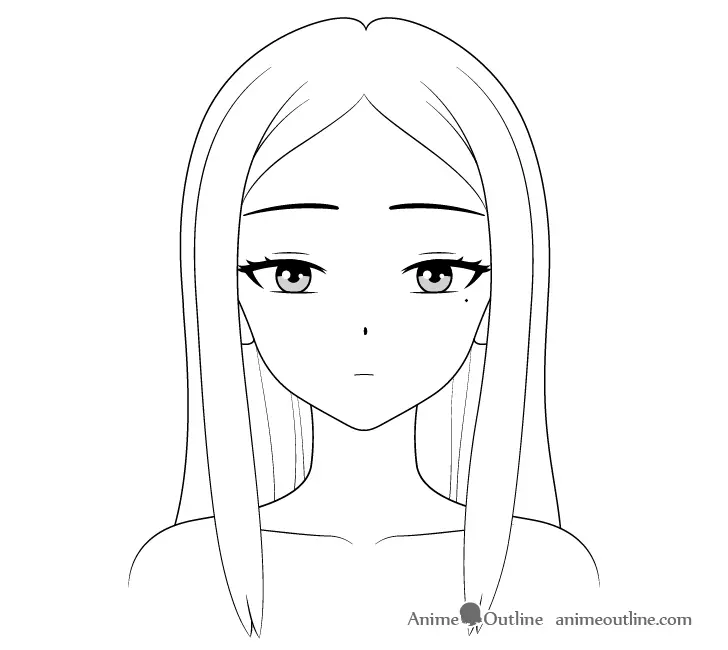
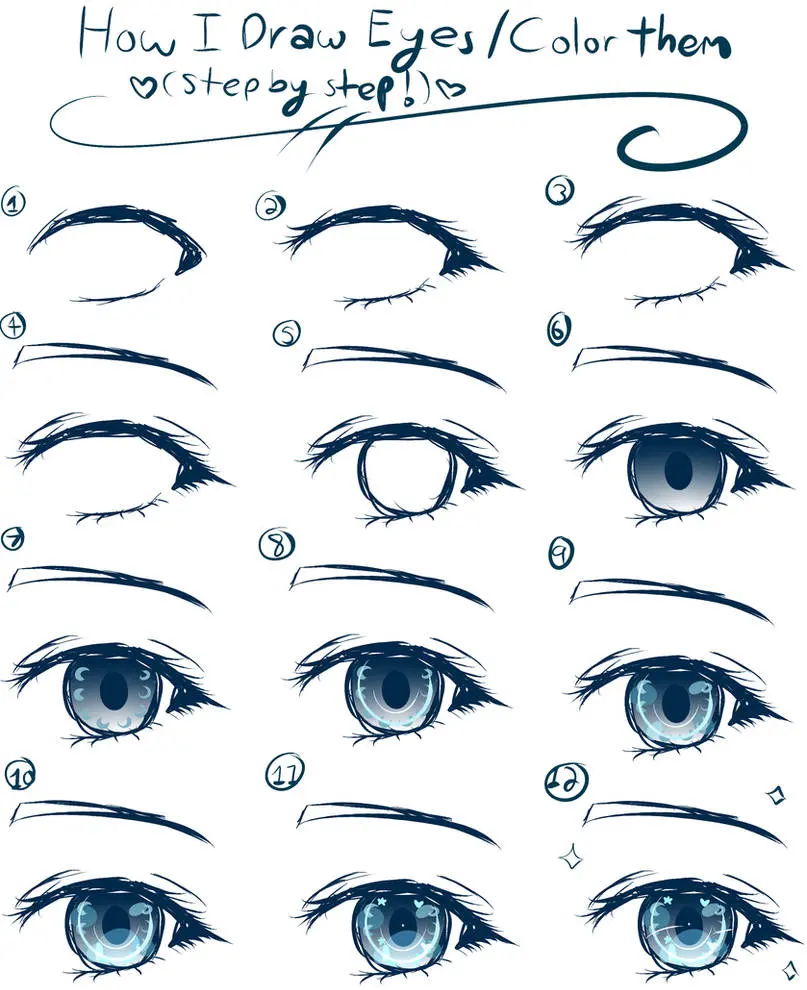
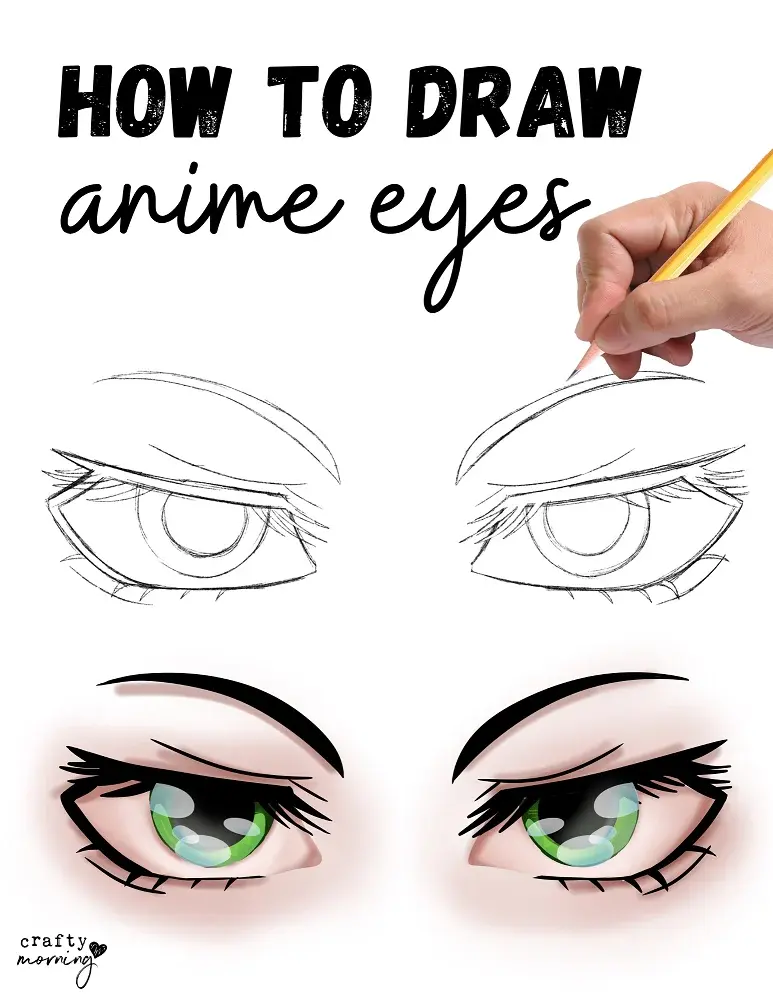
Anime eyes are defined by their expressive, exaggerated proportions compared to realistic eyes. Start by drawing a horizontal guide line to ensure symmetry. The upper eyelid is usually the most prominent feature, drawn as a thick, curved line that sets the character's expression. The lower eyelid is often thinner or represented by a subtle dash or curve beneath the eye.
To construct the shape, follow these steps:
- Sketch a light horizontal arc for the top lash line, thickening the outer corner.
- Add a shorter, shallower curve for the bottom lash line.
- Connect the corners to form a rounded or almond-like shape.
- Place a large circle inside for the iris, ensuring it touches or is slightly covered by the upper lid.
Avoid making the eye perfectly circular, as this can make the character look surprised or unnatural. Instead, focus on the angularity of the corners to define the character's personality.
How to add pupils and highlights
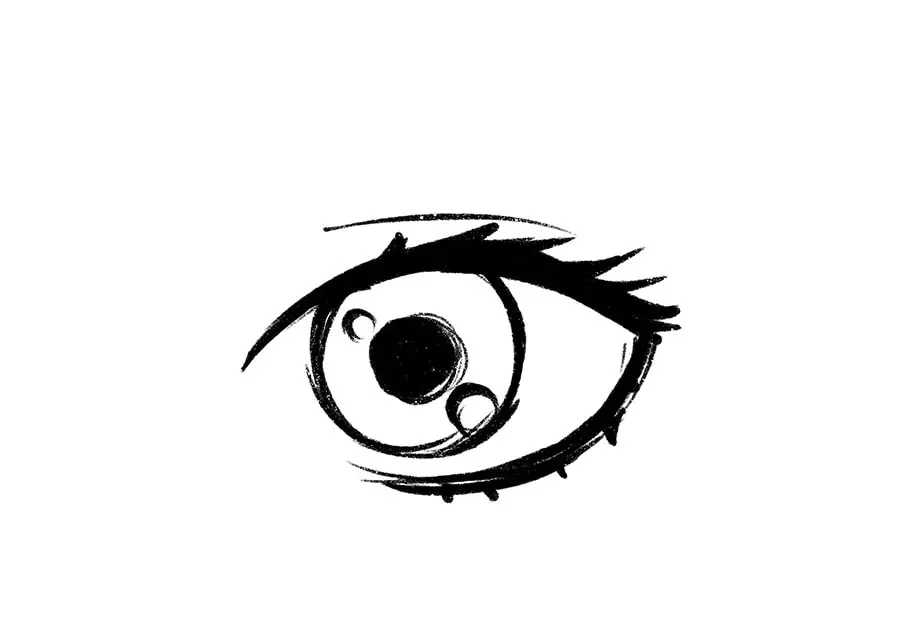
The iris and pupil are the focal points of anime eyes, often containing complex lighting effects. The pupil should be a dark circle or oval placed in the center of the iris, though it can shift slightly to indicate where the character is looking. Highlights are essential for giving the eye a "living" quality; these are usually white shapes, such as circles or squares, placed near the top or side of the iris.
Consider these common placement techniques:
- Place a large, bright highlight in the upper quadrant to simulate overhead lighting.
- Add a smaller, secondary reflection on the opposite side for depth.
- Use a gradient within the iris, transitioning from a darker top to a lighter bottom.
Always ensure the highlights do not obscure the pupil entirely. The contrast between the dark pupil and the bright highlights creates the signature "sparkle" associated with the anime aesthetic.
Best tools for drawing anime eyes
Beginners should start with traditional graphite pencils, such as an HB for initial sketching and a 2B for darkening the lash lines. Using a fine-liner or a felt-tip pen is ideal for inking the final lines, as it provides the crisp, bold edges characteristic of professional manga art. For coloring, alcohol-based markers or digital software offer the best blending capabilities for smooth gradients within the iris.
When selecting your materials, prioritize consistency:
- Use smooth, acid-free paper to prevent ink bleeding.
- Keep a kneaded eraser handy to lift graphite without damaging the surface.
- Utilize a mechanical pencil for precise details like eyelashes or small highlights.
Digital artists often benefit from layers, which allow for separating the line art from the coloring. This makes it easier to experiment with different eye colors and lighting effects without ruining the base sketch.
Why anime eye expressions vary
The shape and size of the eye are the primary tools for conveying emotion in anime. Large, wide eyes often signify innocence, youth, or surprise, while narrowed, sharper eyes suggest suspicion, anger, or maturity. By adjusting the curve of the upper lash line and the position of the iris, you can drastically change the character's mood.
Common emotional adjustments include:
- Drooping the outer corners of the upper lid to depict sadness or exhaustion.
- Squinting the lower lid upward to show joy or a genuine smile.
- Removing the iris entirely to represent shock, fear, or a "possessed" state.
Studying different character archetypes, such as the "shonen" hero or the "shojo" protagonist, will reveal how artists use these subtle anatomical shifts to tell a story through facial expressions alone.
Common mistakes when drawing anime eyes
A frequent error is failing to maintain symmetry between the left and right eyes. Even if the character is looking to the side, the perspective of both eyes must align with the tilt of the head. Another mistake is neglecting the "depth" of the eye; beginners often draw the eye as a flat sticker on the face rather than a spherical object sitting within the eye socket.
To improve your technique, avoid these pitfalls:
- Drawing the eyes too far apart or too close to the edge of the face.
- Using inconsistent line weight, which makes the drawing look amateurish.
- Forgetting to account for the upper eyelid's shadow, which adds realism.
- Making the eyelashes too uniform, which can look stiff instead of fluid.
By practicing these fundamentals and observing professional character designs, you will develop the muscle memory needed to create expressive, clean, and professional-looking anime eyes consistently.
Key facts
- Anime eyes are typically larger and more detailed than realistic human eyes to emphasize character emotion.
- The upper eyelid is usually drawn as a thick, bold line to represent heavy lashes.
- A large, bright highlight or "pupil shine" is essential to give the character a lively, expressive look.
- Eye placement is generally lower on the face compared to realistic portraiture, often sitting at the midpoint of the head.
- The iris in anime is often stylized as an oval or circle with complex gradients rather than a simple flat color.
- Artists often vary the shape of the eye to indicate personality, such as sharp, narrow eyes for villains and round, wide eyes for protagonists.
The bottom line
Drawing anime eyes is a process of balancing exaggeration with structural consistency. By focusing on thick upper lash lines, expressive highlights, and varied shapes, you can define your character's personality effectively. Remember to keep your guidelines light and prioritize fluid, confident strokes. With consistent practice, you will develop a unique style that captures the vibrant, emotive essence characteristic of the popular Japanese animation art form.
People also ask
Why are anime eyes drawn so large?
Large eyes allow artists to convey a wider range of emotions and expressions, which is a hallmark of the medium. This stylistic choice helps viewers immediately identify the character's temperament and internal state.
Should I use a ruler to draw anime eyes?
While a ruler can help with initial symmetry, it is better to practice drawing freehand to maintain a natural, fluid aesthetic. Anime style relies on organic curves that often look stiff if drawn with rigid geometric tools.
How do I make eyes look symmetrical?
Start by drawing a horizontal guideline across the face to ensure both eyes sit at the same height. If one eye looks off, try flipping your canvas or paper to spot errors in proportion more easily.
What is the purpose of the white reflections in the eyes?
These highlights, known as "specular reflections," simulate light hitting the moist surface of the eye. Without these white spots, the eyes appear dull, lifeless, and flat.
How do I draw eyes from a side profile?
In a side view, the eye is usually flattened into a triangular or wedge shape. The outer corner points toward the temple, and the overall width is significantly reduced compared to a front-facing view.
Can I use different colors for the iris?
Yes, anime allows for complete creative freedom with eye color, including unnatural shades like purple, pink, or red. Many artists use a gradient from a dark shade at the top to a lighter shade at the bottom to add depth.
This answer was created with the help of AI research tools and reference sources. Spotted an error? Let us know — we correct mistakes quickly. See our editorial policy.