What is a chord in music?
Short answer
A chord is a harmonic set of three or more musical notes played simultaneously. These notes are typically organized in specific patterns called intervals, creating a unified sound. Chords serve as the structural foundation for melody and harmony in Western music, providing the tonal context that defines a song's mood and progression.
On this page
How are chords constructed in music?
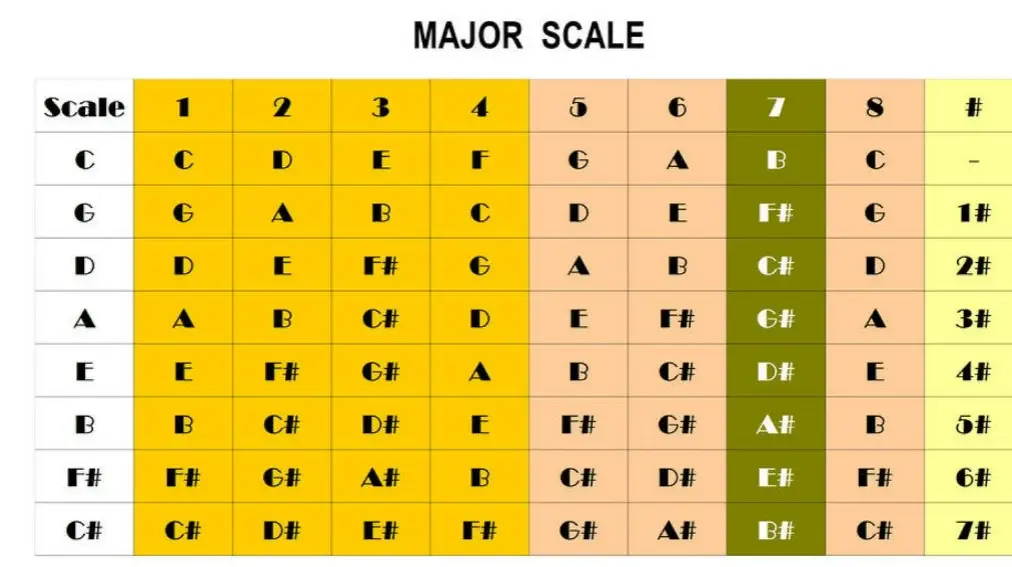
Chords are built using a system known as tertian harmony, which stacks notes in intervals of thirds. To create a basic triad, you select a root note, skip the next note in the scale, select the third, skip another, and select the fifth. This three-note structure forms the backbone of most Western music, from classical compositions to modern pop hits. By altering the specific distance between these notes, musicians can change the "quality" of the chord, shifting the emotional resonance from stable to tense.
The most common types of triads include:
- Major: A bright, happy sound created by a root, a major third, and a perfect fifth.
- Minor: A somber, melancholic sound created by a root, a minor third, and a perfect fifth.
- Diminished: A tense, unstable sound created by a root, a minor third, and a flat fifth.
- Augmented: An ethereal, unresolved sound created by a root, a major third, and a sharp fifth.
Why do chords sound different?
The emotional character of a chord is determined by the specific frequency relationships between its constituent notes. When notes vibrate in simple mathematical ratios, the human ear perceives the chord as consonant, or pleasant and stable. When the ratios are more complex, the brain perceives dissonance, which creates a sense of tension that naturally demands resolution. This push-and-pull between consonance and dissonance is the primary engine of musical movement and storytelling.
Beyond the basic triad, composers often add extra notes to create more complex textures. Adding a seventh note, for example, introduces a specific type of tension that is essential to jazz and blues music. These extended chords act as "color" for a piece, allowing musicians to convey sophisticated emotions that simple triads cannot capture. Whether a chord sounds "resolved" or "needing to move" depends entirely on how these intervals interact within the context of the surrounding musical key.
How to play chords on an instrument
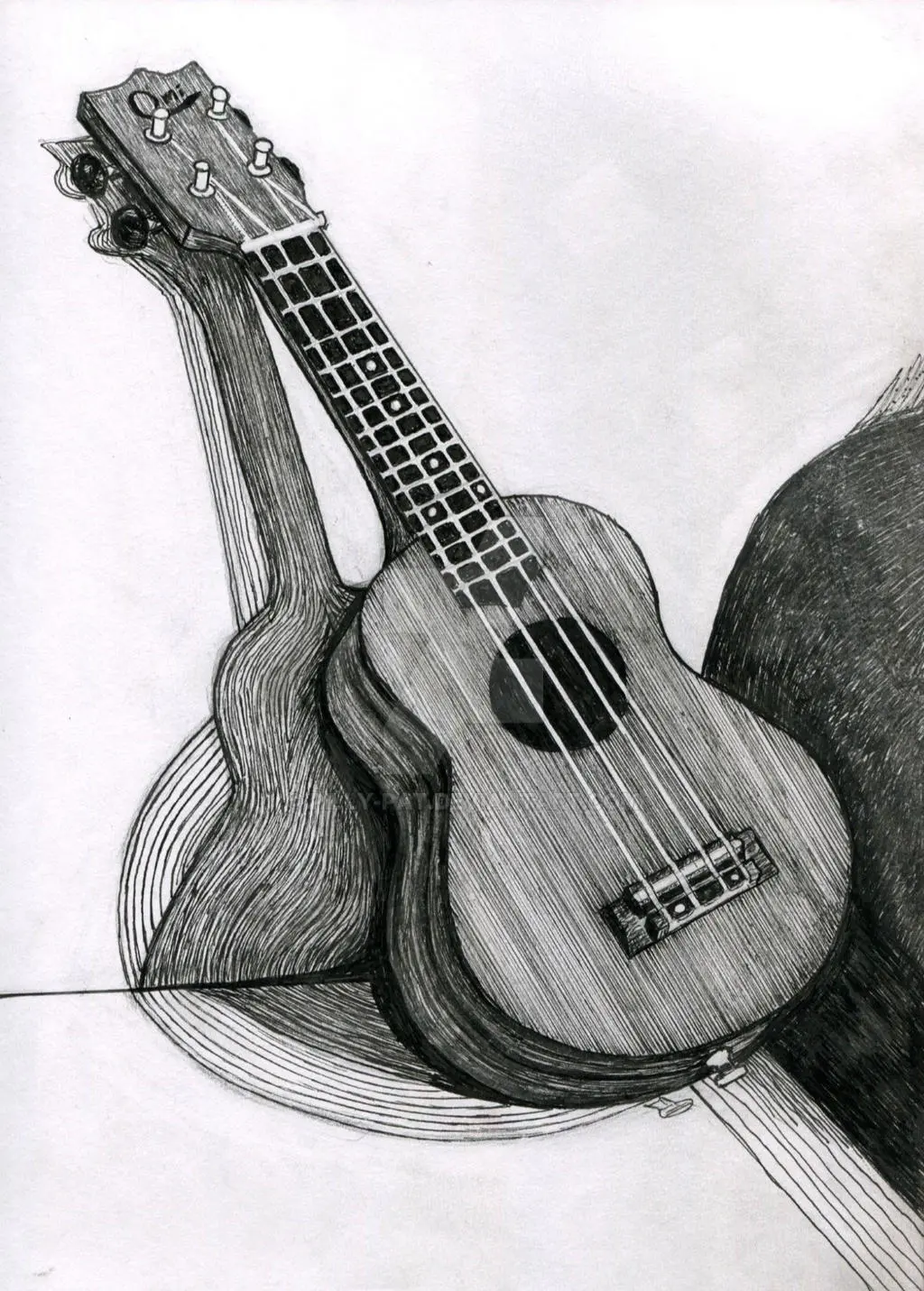
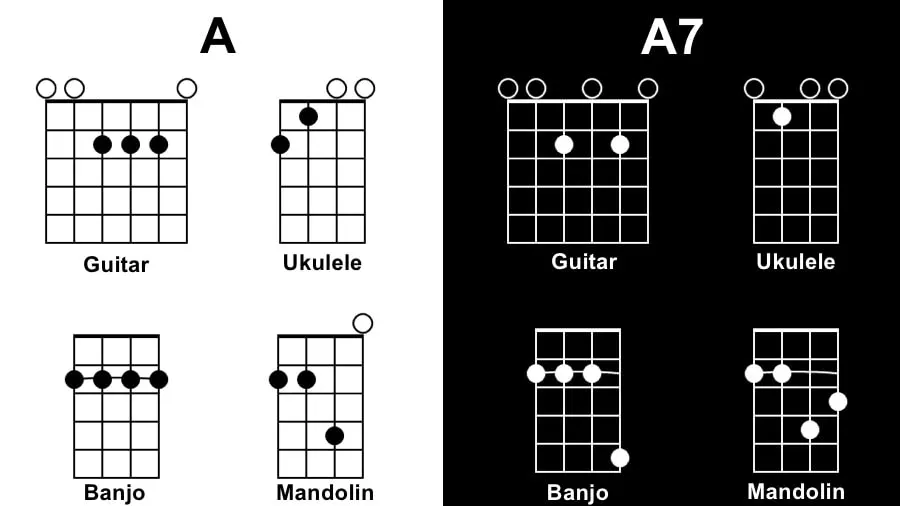
Learning to play chords requires physical coordination and an understanding of finger placement. On a piano, you press multiple keys at once using a specific finger pattern, while on a guitar, you press strings against the fretboard to change their pitch. The goal is to ensure every note in the chord rings out clearly without being muted by accidental contact with adjacent fingers or strings.
Follow these steps to practice your first major chord:
- Identify the root note of the chord you wish to play, such as C.
- Locate the third note of the scale (E) and the fifth note (G).
- Position your fingers so you can depress all three keys or strings simultaneously.
- Apply consistent pressure to ensure all notes sound at the same volume.
- Listen for any "buzzing" sounds, which indicate that a finger is not pressing firmly enough or is touching an unwanted string.
Common mistakes when learning chords
One of the most frequent errors beginners make is failing to maintain proper hand posture. If your wrist is collapsed or your fingers are flat rather than arched, you will struggle to reach the necessary notes without accidentally muting others. This leads to "dead" notes that make the chord sound thin or incomplete. Additionally, many students attempt to learn too many chords at once, which prevents them from building the muscle memory required for smooth transitions.
Another mistake is neglecting the rhythm of the chord change. A chord is not just a static shape; it is a temporal event. Beginners often pause between chords to reposition their hands, which breaks the flow of the music. To avoid this, practice moving between two simple chords repeatedly at a very slow tempo. Use a metronome to ensure that your changes are rhythmic and consistent, rather than erratic. Focusing on the transition is just as important as the chord shape itself.
Where are chords used in music?
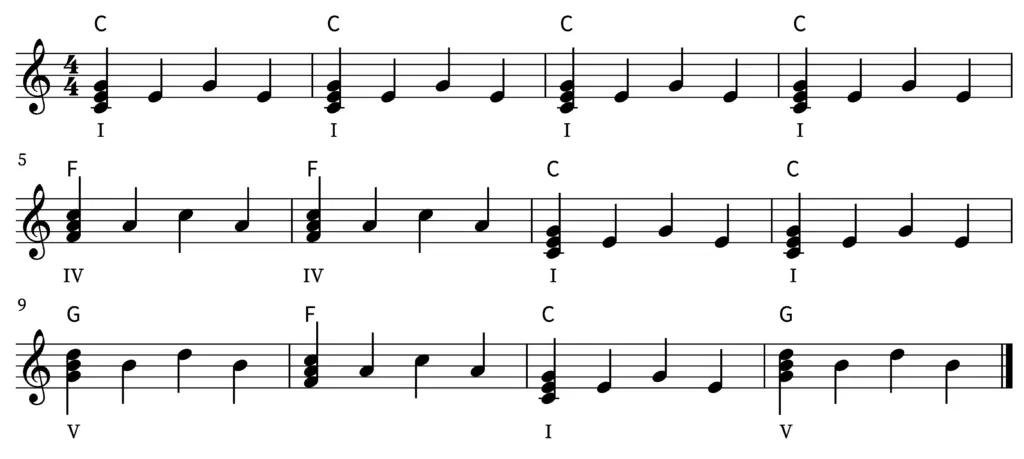
Chords are the structural scaffolding of almost all popular music, functioning as the accompaniment for melodies. In a standard song, a sequence of chords—known as a chord progression—repeats to support the vocal line. These progressions provide a sense of familiarity and predictability, which helps the listener follow the narrative arc of the piece. Famous progressions, such as the I-V-vi-IV sequence, have been used in thousands of hit songs because they provide a satisfying sense of movement and resolution.
Beyond pop music, chords define the harmonic language of film scores, orchestral symphonies, and folk traditions. By changing the order or the quality of chords, a composer can shift the listener's mood from triumphant to tragic in a matter of seconds. Understanding how chords function allows a musician to move beyond simply reading notes on a page and begin to interpret the underlying emotional intent of a composition. Mastering this fundamental concept is the essential first step toward true musical literacy and creative expression.
Key facts
- A chord is defined as the simultaneous sounding of three or more musical notes.
- The most common type of chord is the triad, which consists of a root note, a third, and a fifth.
- Chords are typically built by stacking notes in intervals of thirds above a starting root note.
- Major chords sound bright and stable, while minor chords are often perceived as sad or somber.
- Playing chords on a piano involves pressing multiple keys at once, whereas on a guitar, it requires fretting specific strings while strumming.
- A common mistake for beginners is failing to apply enough pressure to all strings, which leads to a "muted" or buzzing sound rather than a clear chord.
The bottom line
Chords serve as the structural backbone of Western music, transforming individual notes into rich, harmonic textures. By understanding how triads are constructed from root notes and intervals, you gain the ability to accompany melodies or compose your own arrangements. Whether you are strumming a guitar or playing piano keys, mastering these foundational building blocks is the essential first step toward musical fluency and creative expression.
People also ask
What is the difference between a chord and an arpeggio?
A chord occurs when notes are played simultaneously to create a harmonic block of sound. An arpeggio is the same group of notes played one after another in a sequence, often called a broken chord.
How are chords named in music theory?
Chords are named based on their root note and their quality, such as major, minor, diminished, or augmented. For example, a C major chord is built upon the note C and follows the major triad formula.
Can a chord consist of only two notes?
Technically, two notes played together are called an interval or a dyad rather than a chord. Most music theory traditions require at least three distinct pitches to constitute a full chord.
Why do some chords sound dissonant?
Dissonance occurs when notes within a chord clash or create tension, often due to close intervals like a second or a tritone. This tension is a vital tool for composers to create movement that eventually resolves into stable, consonant chords.
What is a chord progression?
A chord progression is a sequence of chords played in a specific order to create a musical foundation. These patterns, such as the I-IV-V progression, define the structure and emotional arc of most popular songs.
Do all instruments play chords the same way?
Instruments like pianos and organs are polyphonic, meaning they can easily play multiple notes at once. Monophonic instruments, such as the flute or trumpet, can only produce one note at a time and cannot play chords individually.
This answer was created with the help of AI research tools and reference sources. Spotted an error? Let us know — we correct mistakes quickly. See our editorial policy.