What are music notes?
Short answer
Music notes are the fundamental building blocks of musical language, representing the pitch and duration of a sound. In Western music, they are identified by letters ranging from A through G. These symbols are placed on a staff to communicate exactly what a musician should play, how high, and for how long.
On this page
What are music notes used for?
Music notes serve as the written record of sound. Much like letters form words in a language, notes form the vocabulary of music. They tell a performer two essential things: the pitch, which is how high or low a sound is, and the duration, which is how long that sound lasts. Without this system, complex compositions would be impossible to preserve or share accurately across generations.
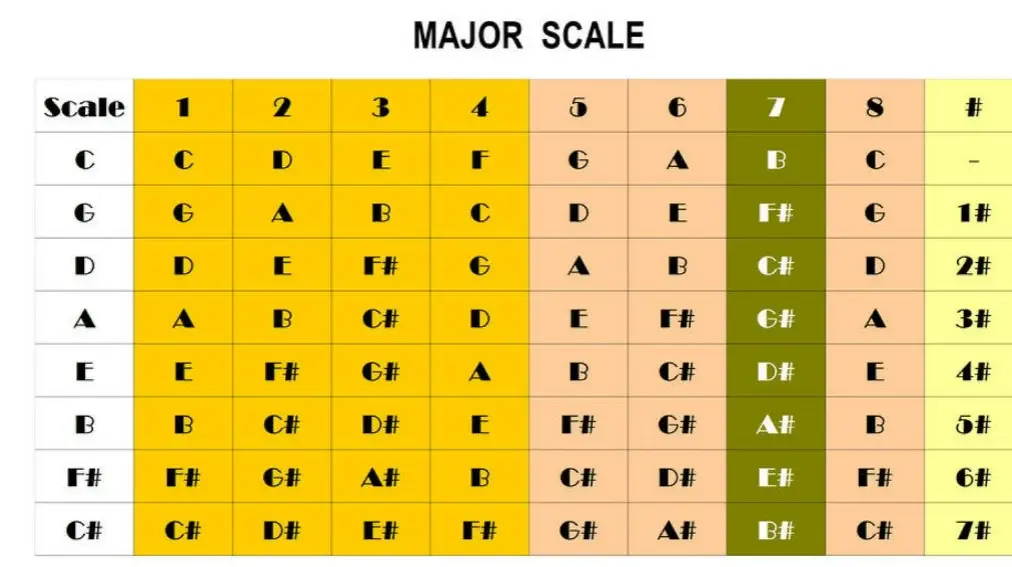
The standard system uses the first seven letters of the alphabet: A, B, C, D, E, F, and G. Once you reach G, the sequence restarts at A, but at a higher frequency known as an octave. By placing these letters on a five-line grid called a staff, composers dictate the exact melody and harmony of a piece. This standardized notation allows musicians to play music they have never heard before simply by reading the page.
How to read music notes on a staff
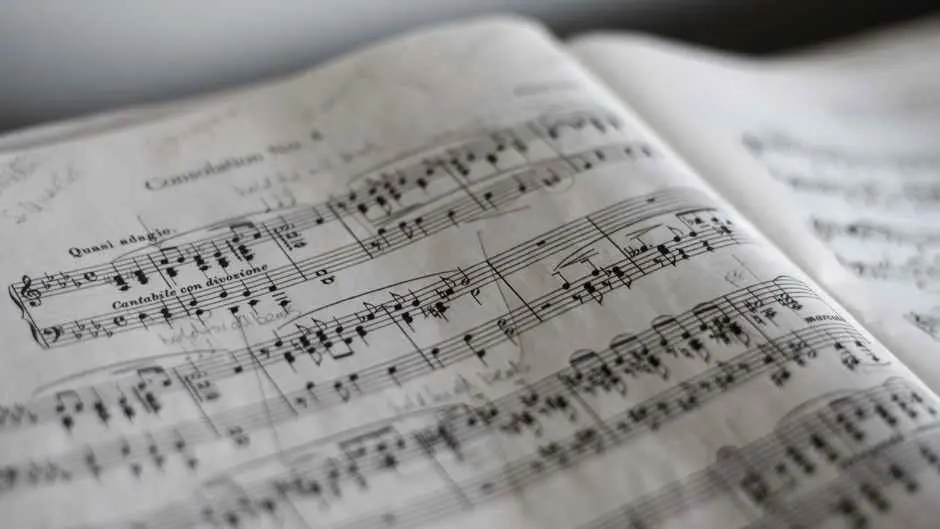
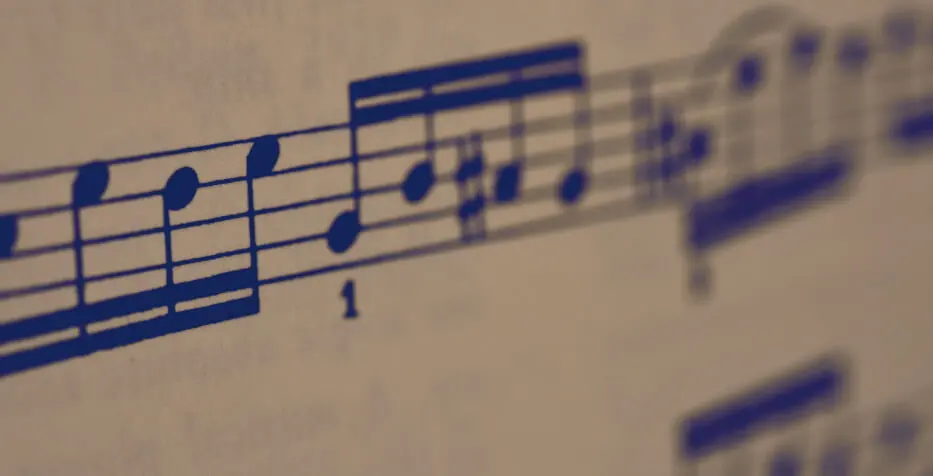
Reading music requires understanding the staff, which consists of five horizontal lines and four spaces. Each line and space represents a specific note based on the "clef" placed at the beginning of the staff. The Treble Clef is generally used for higher-pitched instruments like the flute or violin, while the Bass Clef is used for lower-pitched instruments like the cello or tuba.
To identify notes, follow these standard patterns for the Treble Clef:
- The lines from bottom to top are E, G, B, D, and F.
- The spaces from bottom to top are F, A, C, and E.
- Notes that fall outside these lines use "ledger lines," which are small, temporary lines added above or below the staff.
Memorizing these positions is the first step toward literacy. Many students use mnemonics, such as "Every Good Boy Does Fine" for the lines, to help recall the sequence quickly during practice.
How long do music notes last?
The duration of a note is determined by its shape, which indicates how much of a "beat" it occupies. A whole note looks like an empty oval and usually lasts for four beats. As you add stems and flags to the note, the duration decreases, effectively slicing the time in half. This rhythmic structure creates the heartbeat of a song, ensuring that all musicians stay in sync.
Common note durations include:
- Whole note: 4 beats.
- Half note: 2 beats.
- Quarter note: 1 beat.
- Eighth note: 0.5 beats.
- Sixteenth note: 0.25 beats.
When you see a dot placed next to a note, it adds half the value of that note to its total duration. For example, a dotted half note lasts for three beats instead of two. Understanding these mathematical relationships is essential for maintaining a steady tempo and executing complex rhythmic patterns accurately.

Why do sharps and flats change notes?
Sometimes, a piece of music requires a note that falls between the standard white keys of a piano. These are called accidentals, represented by sharps (#) and flats (b). A sharp symbol raises the pitch of a note by one half-step, while a flat symbol lowers it by one half-step. These variations allow composers to create tension, color, and emotional depth within a musical key.
For example, C# is the same sound as Db; these are known as enharmonic equivalents. While they sound identical, they are written differently depending on the musical context or the key signature of the piece. Using the correct symbol is vital for theory, as it helps performers understand the harmonic structure of the music. Without these accidentals, music would be limited to a very small range of possibilities, lacking the nuance found in most professional compositions.
Common mistakes when learning music notes
One of the most frequent errors beginners make is focusing only on the note name while ignoring the rhythm. A note is useless if you play the right pitch at the wrong time. Students often rush through difficult passages, causing the tempo to become uneven. To avoid this, always use a metronome during your practice sessions. A metronome provides a steady, objective pulse that forces you to respect the duration of every note you play.
Another common mistake is failing to check the key signature at the start of the staff. Beginners often forget that a sharp or flat listed at the beginning applies to every instance of that note throughout the entire measure or piece. To prevent this, scan the beginning of the music before you start playing. Finally, avoid guessing note positions by ear; relying solely on memory instead of reading the notation will hinder your ability to learn new, challenging music effectively. Consistent, slow practice will eventually turn these symbols into second nature.
Key facts
- Music notes are symbols used to represent the pitch and duration of a sound in written music.
- The Western musical alphabet consists of seven letters: A, B, C, D, E, F, and G.
- A staff is a set of five horizontal lines and four spaces where notes are placed to indicate their specific pitch.
- The duration of a note is determined by its shape, such as a whole note, half note, quarter note, or eighth note.
- Sharps (#) and flats (b) are symbols placed before a note to raise or lower its pitch by one semitone.
- To read music, match the note's position on the staff to the corresponding key on an instrument like a piano.
The bottom line
Music notes serve as the universal language for musicians, bridging the gap between a composer’s intent and a performer’s execution. By mastering the relationship between pitch, represented by vertical position, and duration, indicated by shape, you can decode any musical score. Practice consistently by associating written symbols with physical movements on your instrument, ensuring you balance rhythmic accuracy with the melodic nuances of the written notes.
People also ask
What is the difference between a note and a pitch?
A pitch is the actual sound frequency produced by an instrument or voice. A note is the written symbol on a page that tells a musician which pitch to play.
How do I memorize note names on the staff?
Use mnemonic devices for the lines and spaces. For the treble clef lines, remember "Every Good Boy Does Fine," and for the spaces, remember that they spell the word "FACE."
What is a rest in music?
A rest is a symbol that indicates a specific duration of silence. Just like notes, rests have different shapes to show how long the silence should last.
Why are there only seven letter names for twelve notes?
The musical scale includes five additional notes between the main letters, which are indicated by sharps or flats. This creates a total of twelve unique pitches within an octave.
How do I know how fast to play a note?
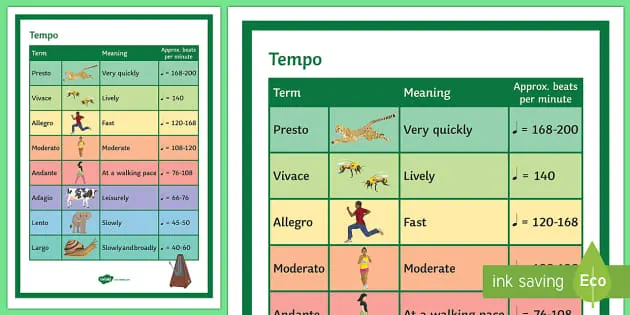
The tempo, usually indicated at the beginning of a piece, determines the speed of the beat. The note's shape then dictates how long it lasts relative to that beat.
What is the most common mistake beginners make when reading notes?
Beginners often confuse the note's vertical position on the staff with its rhythm. Always check the note head's placement for pitch and the stem and flag style for timing.
This answer was created with the help of AI research tools and reference sources. Spotted an error? Let us know — we correct mistakes quickly. See our editorial policy.