How do you help a child focus?
Short answer
Helping a child focus requires a combination of structured environments, physical activity, and age-appropriate expectations. By breaking tasks into manageable segments, minimizing sensory distractions, and fostering consistent routines, you can improve a child’s sustained attention. Patience and positive reinforcement are essential, as focus is a developing skill that matures over time.
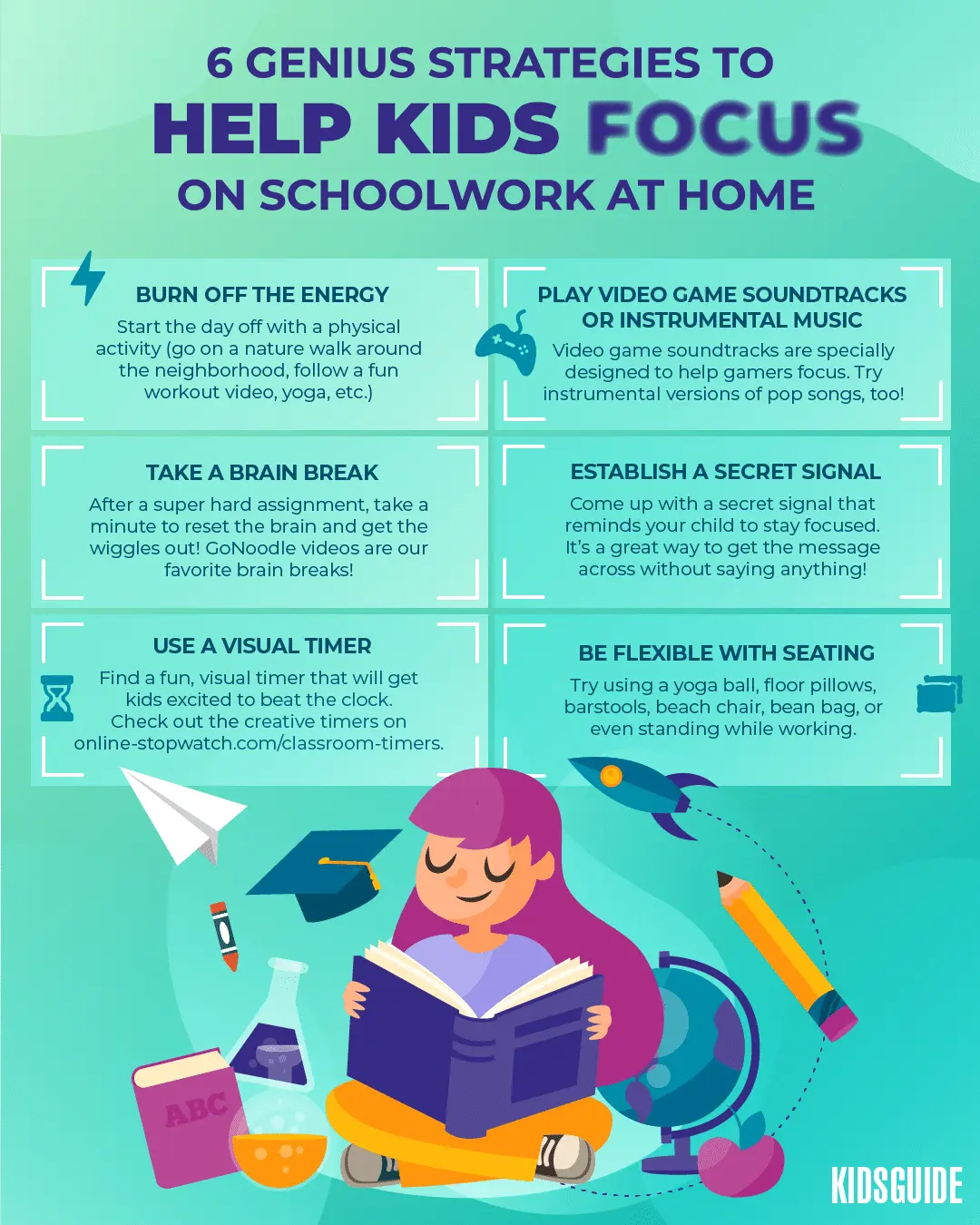
On this page
Why children struggle to focus
Focus is not a static trait but a cognitive skill that matures alongside the brain’s prefrontal cortex. This area, responsible for executive functions like impulse control and sustained attention, undergoes significant development throughout childhood and adolescence. When a child seems unable to focus, it is often because the task exceeds their current developmental capacity or because they lack the necessary self-regulation tools to filter out environmental stimuli.
Biological factors also play a significant role in a child's ability to remain on task. Factors such as sleep quality, nutritional intake, and physical activity levels directly influence neurotransmitter function. For instance, a child who has not had adequate rest will struggle to engage in complex cognitive tasks regardless of their inherent intelligence. Recognizing that focus is influenced by physical well-being allows parents and educators to address the root causes of distraction rather than simply punishing the lack of attention.
How to create a focus-friendly environment
An optimal environment for concentration minimizes sensory overload and provides clear boundaries for work. Visual clutter, background noise, and frequent interruptions are the primary enemies of sustained attention. By curating a dedicated space for learning or play, you signal to the child that it is time to engage in focused activity. This space should be organized, well-lit, and stocked with the necessary tools to prevent the child from leaving their seat to find supplies.
To establish an effective workspace, consider the following strategies:
- Remove unnecessary technology, such as tablets or televisions, from the immediate vicinity.
- Use noise-canceling headphones if the child is sensitive to ambient household sounds.
- Keep the desk surface clear of toys or items unrelated to the current task.
- Ensure the chair and desk are physically comfortable to prevent fidgeting caused by poor posture.

How to break tasks into manageable steps
Children often feel overwhelmed by large assignments, which leads to avoidance and distraction. Breaking a complex project into small, actionable steps makes the goal feel achievable and provides frequent opportunities for success. This method, often called "chunking," helps children build momentum and prevents the anxiety that typically accompanies long-term tasks. By focusing on one small piece at a time, the child learns to manage their time and effort more effectively.
Follow these steps to implement task-chunking:
- Identify the final goal and list every small action required to reach it.
- Estimate how long each step should take to complete.
- Set a timer for the first segment to create a sense of urgency and focus.
- Provide a small, immediate reward or a short break upon the completion of each segment.
- Review the progress made to reinforce the sense of accomplishment before starting the next chunk.

Common mistakes when helping children focus
A frequent error is expecting a child to maintain focus for longer than their age-appropriate attention span allows. Generally, a child can focus for two to five minutes per year of age. Forcing a seven-year-old to sit still for an hour of uninterrupted work is counterproductive and likely to increase frustration. Another common mistake is the use of negative reinforcement or criticism when a child loses focus. This creates a negative association with learning and increases stress, which further impairs the brain's ability to concentrate.
Parents and teachers also often fail to build in sufficient "brain breaks." Sustained attention is mentally exhausting, and the brain requires periodic downtime to reset. Skipping these breaks leads to diminishing returns, where the child spends more time staring at the work than actually processing it. Instead of viewing breaks as a distraction, they should be integrated into the schedule as a necessary tool for maintaining cognitive stamina throughout the day.
Best activities to build attention span
Engaging in specific activities can strengthen the neural pathways associated with focus and patience. Games that require turn-taking, memory, or strategic planning are excellent for training the brain to hold information and wait for the appropriate moment to act. Activities such as puzzles, card games, or building complex structures with blocks require sustained effort and provide immediate feedback on the child's progress. These activities are effective because they are inherently rewarding and encourage the child to stay engaged for longer periods.
Physical activities, particularly those involving coordination and balance, also support cognitive focus. Martial arts, swimming, or even simple balancing exercises require the child to be mindful of their body and their movements. This "mind-body" connection translates well to academic or household tasks, as it teaches the child how to ground themselves when they feel their attention drifting. By consistently incorporating these exercises into a child's routine, you provide them with the long-term tools necessary to regulate their attention independently as they grow older.
Key facts
- Break tasks into 15-minute intervals to match the typical attention span of a school-aged child.
- Reduce background noise by turning off televisions and limiting ambient distractions during study sessions.
- Use a visual timer to provide a concrete sense of how much time remains for a specific task.
- Encourage physical activity, such as a five-minute stretch or walk, between focused work sessions to reset mental energy.
- Establish a consistent, dedicated workspace that is free of clutter and reserved exclusively for learning.
- Prioritize complex assignments during the morning hours when a child’s cognitive alertness is typically at its peak.
The bottom line
Helping a child focus is a process of managing their environment and expectations rather than demanding constant willpower. By breaking work into manageable segments, ensuring adequate rest, and minimizing external distractions, you create a structured framework that supports cognitive development. Consistency is the most important factor; when routines become predictable, children naturally develop the internal discipline required to sustain their attention on challenging academic or personal tasks.
People also ask
How much sleep does a child need to maintain focus?
Children aged 6 to 12 years generally require 9 to 12 hours of sleep per night. Consistent sleep deprivation significantly impairs executive function, memory retention, and the ability to sustain attention during school hours.
Can diet affect a child's ability to concentrate?
Yes, diets high in processed sugars and artificial additives have been linked to fluctuations in energy and focus. Providing balanced meals rich in complex carbohydrates, protein, and omega-3 fatty acids supports stable brain function throughout the day.
Is it normal for a child to fidget while working?
Many children use movement, such as tapping a foot or squeezing a stress ball, to help regulate their sensory input. As long as the fidgeting does not distract from the task, it can actually assist some children in maintaining focus.
How do I know if a child's lack of focus is a medical issue?
If a child consistently struggles to focus across multiple environments, such as at home and school, it may warrant a consultation with a pediatrician. Persistent patterns of impulsivity or inability to follow instructions are common indicators that a professional evaluation is needed.
Should I reward my child for completing tasks?
Positive reinforcement, such as verbal praise or small, non-monetary rewards, can be highly effective for building focus. Focus on rewarding the effort and the process of completing the work rather than just the final result.
Does multitasking help children get more done?
No, multitasking is ineffective for children, as their brains are still developing the ability to switch tasks efficiently. Encouraging them to dedicate their full attention to one single task at a time leads to better quality work and faster completion.
This answer was created with the help of AI research tools and reference sources. Spotted an error? Let us know — we correct mistakes quickly. See our editorial policy.