How should a child hold a crayon?
Short answer
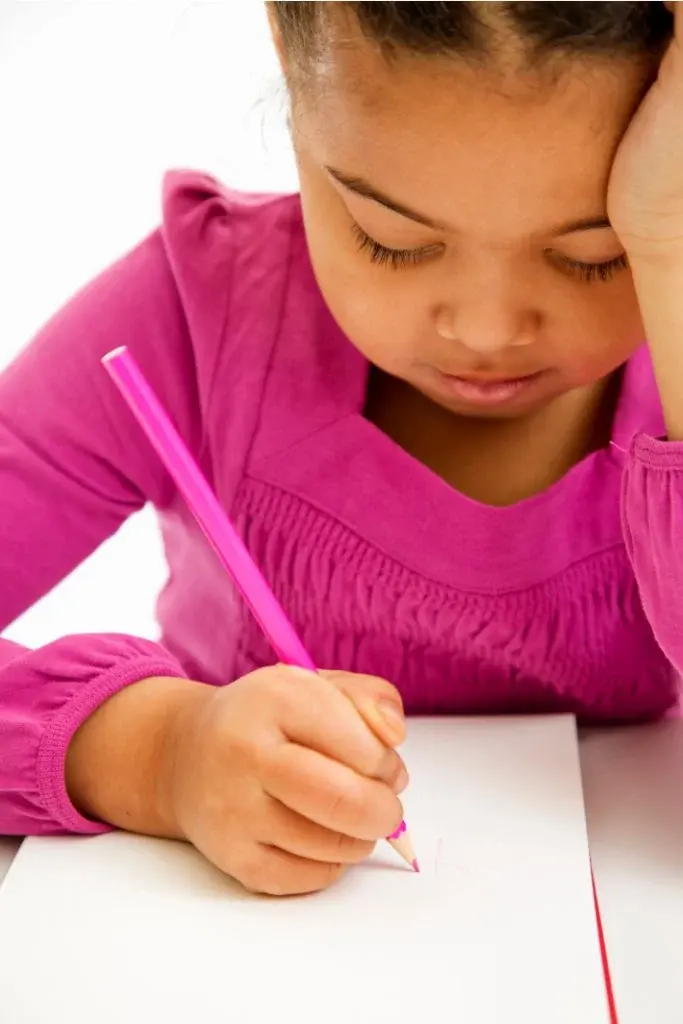
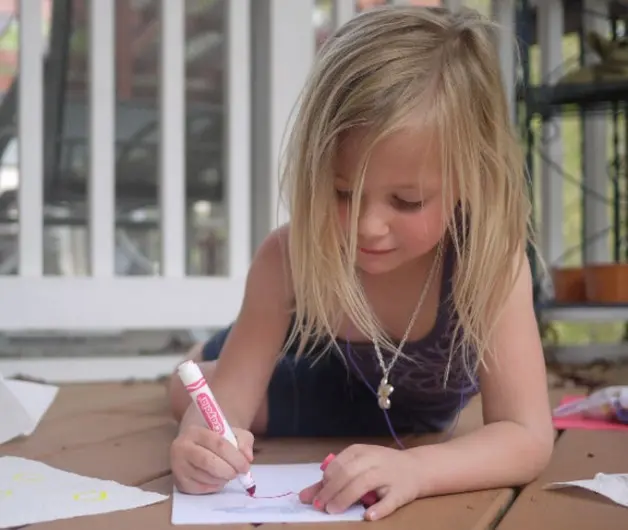
Children should hold a crayon using a tripod grip, where the crayon rests between the thumb and index finger while being supported by the middle finger. This functional grasp develops gradually as fine motor skills mature. Encouraging this position helps children gain better control, precision, and endurance for drawing and writing tasks.
On this page
How to teach a proper crayon grip
The development of a mature pencil grasp is a sequential process that begins in early childhood. Most children initially use a "palmar supinate" grasp, holding the crayon with their entire fist. As they reach ages three to four, they transition to a "digital pronate" grasp, involving the fingers pointing toward the paper. By age five or six, children typically adopt the dynamic tripod grip, which is the gold standard for efficient writing.
To encourage the transition to a more mature grip, consider these practical steps:
- Provide broken crayons or small rock-shaped crayons, which naturally force the child to use their fingertips rather than their whole hand.
- Demonstrate the "pinch and flick" method by having the child pick up the crayon with their thumb and index finger, then flipping the barrel back into the web space between those two fingers.
- Use vertical surfaces like easels or taped-up paper, as drawing upright naturally promotes wrist extension and finger isolation.
Why grip development matters for children
A functional grip is essential because it reduces muscle fatigue and improves the quality of a child's mark-making. When a child uses an inefficient grip, they often press too hard, which can lead to hand cramping and slower writing speeds. Proper finger placement allows for fluid movement, enabling the child to form letters and shapes with greater accuracy and less physical strain.
Furthermore, the tripod grip relies on the small muscles of the fingers rather than the large muscles of the shoulder or elbow. This transition is a hallmark of developing fine motor control. When a child masters this grip, they are better prepared for the demands of formal schooling, such as writing sentences or drawing detailed diagrams. Observing a child’s grip provides valuable insight into their overall neurological and motor development, signaling whether they are ready for more complex tasks.
Best tools for beginners
Selecting the right writing implement can significantly influence how a child learns to hold a crayon. Large, thick crayons are often recommended for toddlers because they are easier to grasp with a full-hand grip. As the child’s hand muscles strengthen, transitioning to smaller or triangular-shaped crayons can help guide their fingers into the correct position.
Consider these options for developing fine motor skills:
- Triangular crayons: The flat sides prevent the crayon from rolling and provide tactile cues for finger placement.
- Rock crayons: These small, pebble-shaped tools are perfect for developing the pincer grasp required for later pencil use.
- Egg-shaped crayons: Designed specifically for small palms, these encourage the child to use their fingers rather than their fist.
- Weighted crayons: These provide extra sensory feedback, which can help children who struggle with spatial awareness or pressure control.
Common mistakes when teaching grips
One of the most frequent errors parents and educators make is forcing a "perfect" grip too early. If a child is not developmentally ready, pushing them to use a tripod grip can cause frustration and negative associations with writing. It is important to remember that every child develops at their own pace, and slight variations in grip are often perfectly acceptable as long as the child is comfortable.
Another common mistake is ignoring the importance of core and shoulder stability. A child who struggles to sit upright or who lacks shoulder strength will often compensate by using an awkward grip. Before focusing exclusively on finger placement, ensure the child has a stable seat with feet flat on the floor. If a child consistently avoids drawing or coloring, it may be a sign that they are struggling with the physical mechanics of the task rather than a lack of interest.
How to support fine motor growth
Beyond holding crayons, various activities can strengthen the specific muscles needed for a mature grip. Fine motor skills are built through play that requires precision, coordination, and strength in the hands and fingers. Engaging in these activities daily can make the transition to a proper crayon grip feel natural and effortless for the child.
Try these exercises to improve hand strength:
- Playing with modeling clay or putty to build resistance and finger strength.
- Using child-safe tweezers or tongs to move small objects like beads or pom-poms from one container to another.
- Tearing construction paper into small pieces for collage projects, which requires excellent finger isolation and control.
- Threading large beads onto a shoelace to practice the coordination between both hands.
By incorporating these tasks into playtime, you provide the foundational strength necessary for the child to eventually hold a crayon with ease and confidence. Consistent, low-pressure practice is the most effective way to help a child achieve a functional and comfortable grasp that will serve them well throughout their academic life.
Key facts
- The most efficient grip for writing and drawing is the dynamic tripod grasp, which uses the thumb, index finger, and middle finger.
- Children typically begin with a cylindrical "fist" grasp before transitioning to more refined finger movements between the ages of 2 and 4.
- A crayon should be held about one inch from the tip to allow the child to see what they are drawing while maintaining control.
- Encouraging a child to use small, broken pieces of crayons naturally forces the fingers into a tripod position because the crayon is too short to hold with a full fist.
- Proper pencil or crayon grip reduces muscle fatigue in the hand and wrist, allowing for longer periods of comfortable drawing.
- Occupational therapists generally discourage forcing a specific grip before a child has developed the necessary fine motor strength in their hands.
The bottom line
The ideal way for a child to hold a crayon is the dynamic tripod grasp, which utilizes the thumb, index, and middle fingers for precision. While children naturally evolve from a fist grasp to this refined hold, parents can support this transition through strengthening exercises and age-appropriate tools. Focus on comfort and control rather than rigid perfection, as fine motor skills develop gradually over time.
People also ask
At what age should a child develop a mature pencil grip
Most children transition to a functional, mature tripod grip between the ages of 4 and 6. However, every child develops at their own pace based on their fine motor coordination.
Is it okay if my child uses their left hand to hold the crayon?
Yes, handedness is a natural developmental trait that should not be discouraged or corrected. Forcing a child to switch hands can interfere with their natural motor development and confidence.
What are the signs that a child is struggling with their grip?
Common signs include pressing too hard on the paper, frequent hand fatigue, or an inability to control the crayon's movement. These issues often stem from weak finger muscles rather than a lack of technique.
How can I help my child strengthen their hand muscles for drawing?
Activities like playing with play dough, using safety scissors, or squeezing sponges help build the intrinsic muscles of the hand. Stronger muscles make it easier for a child to maintain a proper grip.
Should I use thick "jumbo" crayons for beginners?
Jumbo crayons are excellent for toddlers because they are easier to grasp with a whole hand. As the child grows and their fine motor skills improve, they should move to standard-sized crayons.
Does a "hooked" wrist indicate a problem with the grip?
A hooked wrist often suggests that a child is compensating for poor stability or trying to see their work better. It is usually a sign that the child needs to adjust their paper position rather than just their finger placement.
This answer was created with the help of AI research tools and reference sources. Spotted an error? Let us know — we correct mistakes quickly. See our editorial policy.