What is an atelier?
Short answer
An atelier is a professional workshop or studio used by an artist, designer, or artisan to create their work. Historically associated with fine arts and fashion, the term implies a collaborative space where masters mentor apprentices. Today, it describes high-end creative environments where craftsmanship and specialized techniques are prioritized over mass production.
On this page
What is the history of the atelier?
The term originated in France during the Middle Ages, derived from the word "astelle," meaning a wood splinter or chip. By the 18th and 19th centuries, the atelier system became the standard for training painters and sculptors. Famous institutions like the École des Beaux-Arts in Paris formalized this structure, where students studied under a master to learn traditional techniques like anatomy, composition, and perspective. This pedagogical model emphasized a hierarchical relationship, ensuring that technical skills were passed down through generations of practitioners.
In the 20th century, the concept expanded beyond painting and sculpture into the world of high fashion. Couturiers like Charles Frederick Worth and later Christian Dior utilized the term to describe their specialized workrooms. Within a fashion atelier, distinct departments—such as the flou (soft fabrics) and tailleur (structured garments)—work to realize complex designs. This shift solidified the atelier as a symbol of luxury, exclusivity, and rigorous manual labor, distinguishing it from the industrial factory model that prioritized speed and volume over individual artistry.
How does an atelier function today?
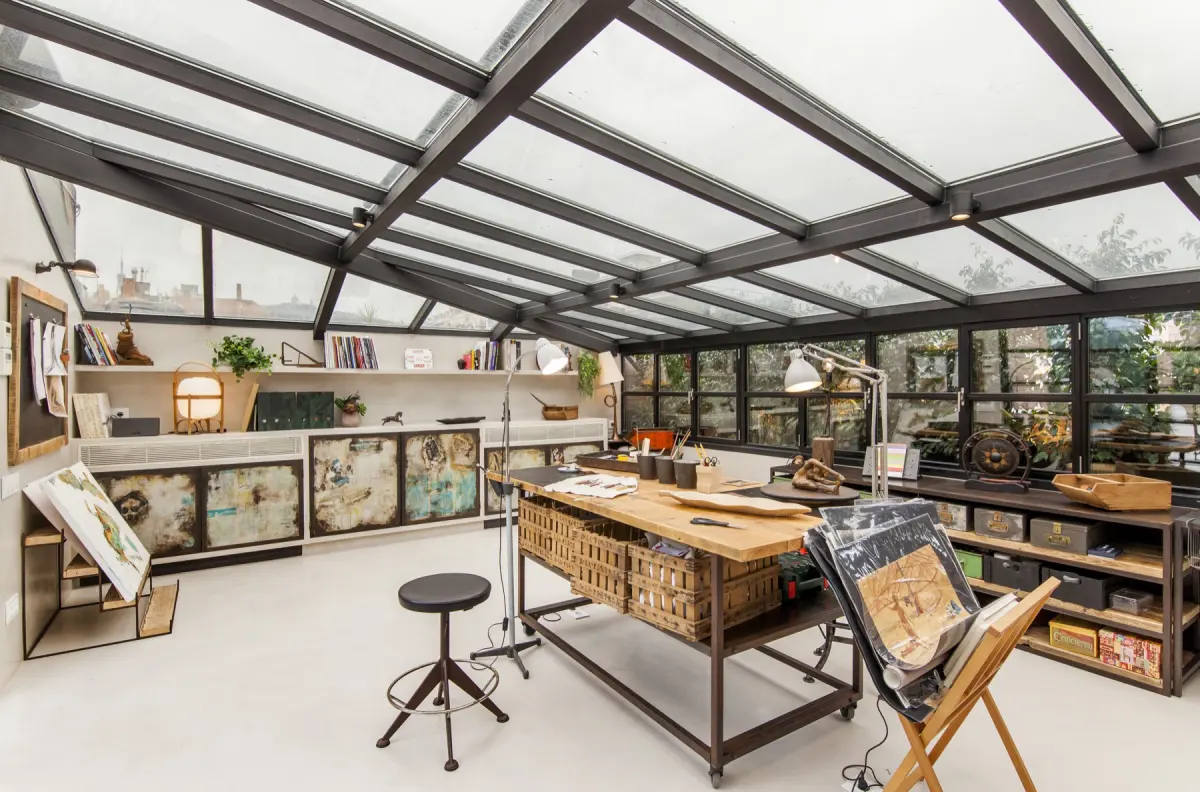
Modern ateliers operate as hubs of specialized production, often blending traditional handcraft with contemporary technology. Unlike a standard office, an atelier is organized around the physical requirements of the craft. For example, a jewelry atelier requires specific lighting, ventilation for soldering, and secure storage for precious metals. The workflow is usually project-based, with a lead artisan overseeing the execution of designs from the initial concept to the final, polished product.
Collaboration remains the cornerstone of the atelier experience. In these spaces, junior designers or apprentices often perform foundational tasks, such as preparing materials or drafting patterns, while observing the master’s decision-making process. This environment fosters a unique culture of mentorship that is rarely found in corporate design studios. By maintaining small, focused teams, ateliers ensure that every piece created retains a high level of quality control and personal touch, which is essential for maintaining a brand’s reputation for excellence.
What are the benefits of the atelier model?
The primary advantage of the atelier model is the preservation of specialized skills that might otherwise be lost to automation. By focusing on manual dexterity and deep material knowledge, artisans can achieve levels of detail that machines cannot replicate. This is particularly evident in fields like bespoke tailoring, fine watchmaking, and artisanal furniture design. Clients who seek out these services are paying for the expertise, time, and human judgment that define the atelier’s output.
Beyond the physical product, the atelier offers several distinct benefits for the creative process:
- Quality assurance: Each stage of production is monitored by experienced professionals.
- Customization: The small-scale nature allows for bespoke adjustments tailored to individual needs.
- Skill development: Apprentices gain hands-on experience that accelerates their professional growth.
- Sustainability: Ateliers often produce fewer items, reducing waste and focusing on long-lasting, durable materials.
- Creative freedom: The environment encourages experimentation with new techniques without the pressure of mass-market timelines.
How to find or start an atelier?
If you are looking to join or visit an atelier, start by identifying the specific craft that interests you. Many cities host "Open Studio" events where professional workshops invite the public to view their processes. For those aspiring to start their own, the process requires a shift in mindset from mass production to specialized creation. You must prioritize high-quality tools and a workspace that allows for both focus and collaboration.
To successfully establish a professional creative space, follow these foundational steps:
- Define your niche: Focus on a specific craft, such as leatherwork, ceramics, or couture, to build expertise.
- Source quality materials: Establish relationships with suppliers who provide the premium inputs necessary for high-end work.
- Design the layout: Organize your space to separate "dirty" work areas from finishing stations to maintain cleanliness.
- Document your process: Use your work as a portfolio to demonstrate the value of your craftsmanship to potential clients.
- Create a mentorship program: Invite interns or apprentices to help scale your output while preserving your techniques.
Common mistakes when running an atelier
One of the most frequent errors in managing an atelier is failing to balance artistic vision with business sustainability. Many creators become so immersed in the perfection of their work that they neglect the financial realities of overhead, material costs, and labor time. It is vital to track the time spent on each piece to ensure that your pricing reflects the true cost of the labor involved. Without a structured business plan, even the most talented artisan can struggle to keep their workshop open.
Another common pitfall is the lack of proper documentation. Because atelier work is often intuitive, masters may forget to standardize their techniques, making it difficult to train new staff or maintain consistency over time. To avoid this, keep a detailed archive of patterns, formulas, and material specifications. Additionally, avoid the trap of over-scaling too quickly. The integrity of an atelier depends on the master’s ability to oversee production; if you expand your team faster than you can train them, the quality of the work will inevitably decline, undermining the very value that defines your shop.
Key facts
- The term "atelier" originates from the French word for "woodpile," later evolving to describe an artist's or artisan's workshop.
- In the fine arts, an atelier system involves a master artist training apprentices, a method popularized during the Renaissance.
- Modern fashion ateliers, such as those at Chanel or Dior, are specialized studios where haute couture garments are constructed by hand.
- A typical atelier environment is defined by high ceilings, large windows for natural light, and organized workstations for specific tasks.
- To maintain an effective atelier, keep tools categorized by function and ensure that raw materials are stored away from active work areas.
- A common mistake is overcrowding a workspace, which hinders the precise, delicate movements required for craftsmanship.
The bottom line
An atelier is more than just a room; it is a professional environment dedicated to the pursuit of mastery and technical excellence. Whether in the world of high fashion or fine art, the atelier fosters a disciplined culture of collaboration and craftsmanship. By prioritizing specialized skills and organized workspaces, these studios ensure that traditional techniques survive while adapting to the demands of modern creative production.
People also ask
How does an atelier differ from a standard studio?
An atelier implies a collaborative hierarchy where a master oversees apprentices or specialized artisans working toward a singular vision. A standard studio is often a solitary space used by one artist for personal experimentation.
What is the role of a "première d'atelier" in fashion?
The première d'atelier is the head of a couture workshop responsible for managing the technical execution of designs. They translate sketches into patterns and oversee the seamstresses who assemble the final garments.
Can anyone open an atelier?
Yes, anyone with a dedicated space for craft and a commitment to specialized production can establish an atelier. It requires a focus on high-quality materials and a structured approach to the creative process.
Are ateliers only used for art and fashion?
While most commonly associated with these fields, the term is also used in architecture and design firms. It signifies a studio-based approach where design solutions are developed through iterative, hands-on modeling.
What is the "atelier method" of teaching?
This is a traditional educational approach where students learn by observing and assisting a master artist over several years. It emphasizes rigorous technical training, such as anatomy and light theory, rather than abstract conceptual study.
Do modern ateliers use digital technology?
Many contemporary ateliers integrate digital tools like 3D printing or computer-aided design alongside traditional handcraft. Technology is used to assist in precision while the final finishing remains a manual, human-led process.
This answer was created with the help of AI research tools and reference sources. Spotted an error? Let us know — we correct mistakes quickly. See our editorial policy.