What is leather crafting?
Short answer
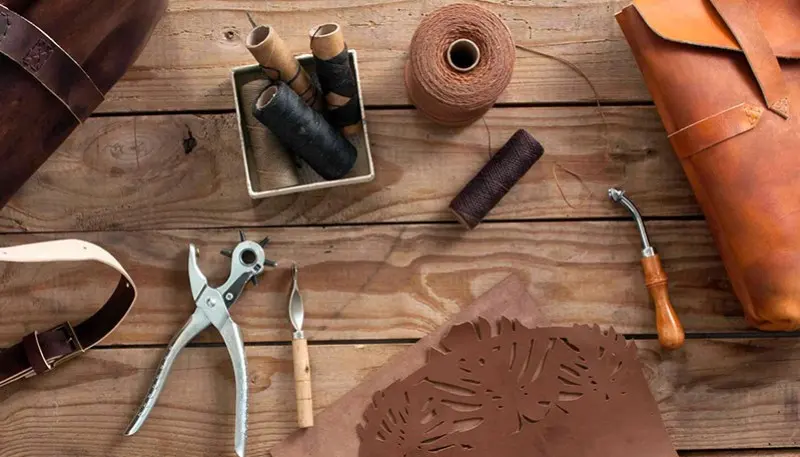
Leather crafting is the practice of transforming raw animal hides into functional or decorative items through cutting, carving, stitching, and shaping. Artisans utilize specialized hand tools and chemical treatments to create durable goods like belts, wallets, and saddles. This ancient trade combines technical precision with artistic design to produce long-lasting, high-quality leather products.
On this page
What is the history of leather crafting?
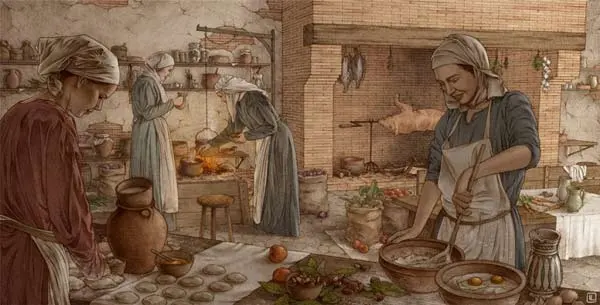
Leather crafting is one of humanity’s oldest technologies, dating back to the Paleolithic era. Early humans discovered that animal hides could be preserved through a process called tanning, which prevents decay and increases durability. Ancient Egyptians and Romans refined these methods, using vegetable tannins from bark and leaves to create sophisticated garments, footwear, and military armor. Throughout the Middle Ages, leather guilds emerged across Europe, formalizing the trade and establishing strict standards for quality and craftsmanship.
During the Industrial Revolution, the process shifted from manual labor to mechanized production. However, the tradition of hand-crafting leather survived as a specialized niche for bespoke goods. Today, the craft remains a blend of historical techniques and modern aesthetics. Artisans continue to use traditional hand-tools like awls, stitching chisels, and burnishers to create items that machines cannot replicate. This historical continuity ensures that the craft remains a respected form of functional art, valued for its sustainability and the unique patina that leather develops over years of use.
How do you start leather crafting?
Beginning leather crafting requires a modest investment in specialized tools rather than expensive machinery. Beginners should focus on mastering the basics of cutting, punching, and stitching before attempting complex projects like bags or jackets. A standard starter kit typically includes a cutting mat, a utility knife, a mallet, stitching needles, waxed thread, and a set of hole punches. Selecting the right material is equally important; vegetable-tanned leather is recommended for newcomers because it is firm, easy to carve, and holds shapes well.
To begin your first project, such as a simple card holder, follow these foundational steps:
- Create a paper pattern to visualize the dimensions and fold lines of your item.
- Transfer the pattern onto the leather using a scratch awl or a silver pen.
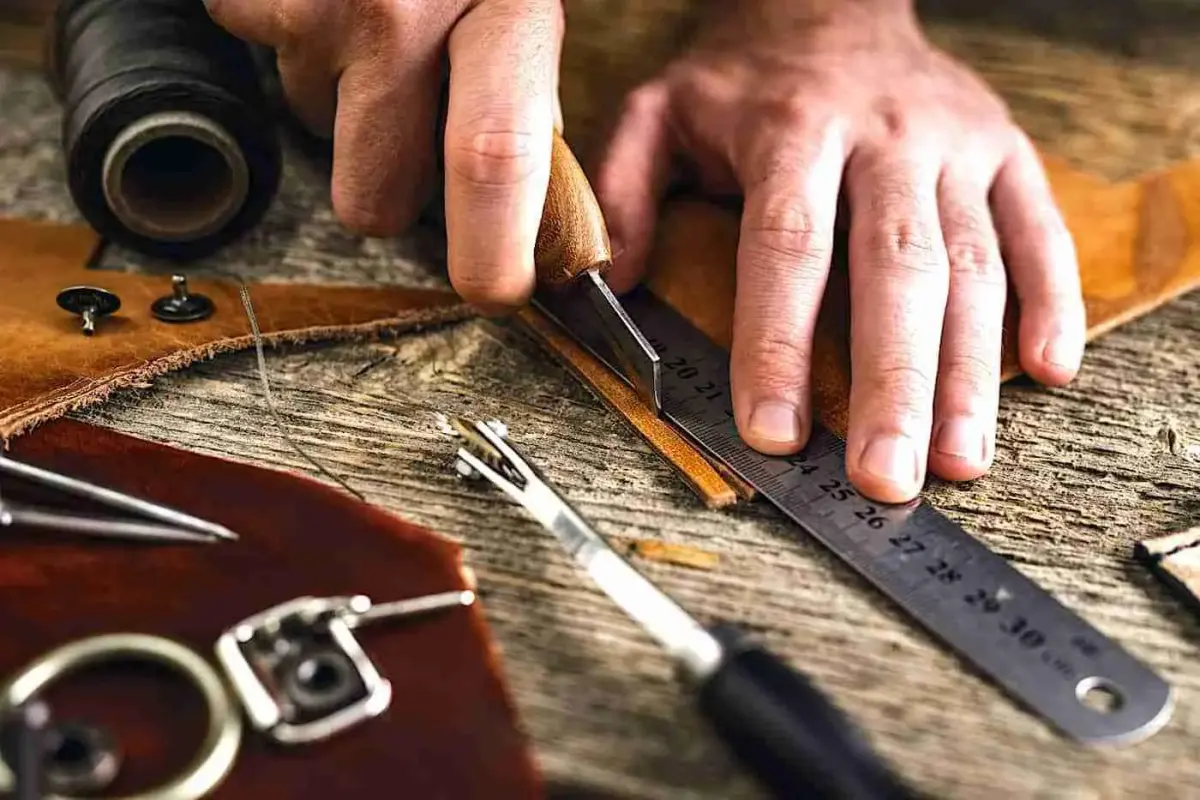
- Cut the leather pieces carefully using a sharp utility knife against a metal ruler.
- Punch stitching holes along the edges using a stitching chisel and a mallet.
- Join the pieces using a saddle stitch, which involves passing two needles through the same hole from opposite directions.
What tools are essential for leather crafting?
The quality of a finished leather piece depends heavily on the precision of the tools used. While many tools are available, a professional-grade set is built to last a lifetime. A sharp cutting blade is the most critical tool, as dull edges cause jagged cuts that weaken the structure of the leather. Additionally, edge bevelers are used to round off sharp corners, providing a clean, professional finish that prevents the edges from fraying or snagging during daily use.
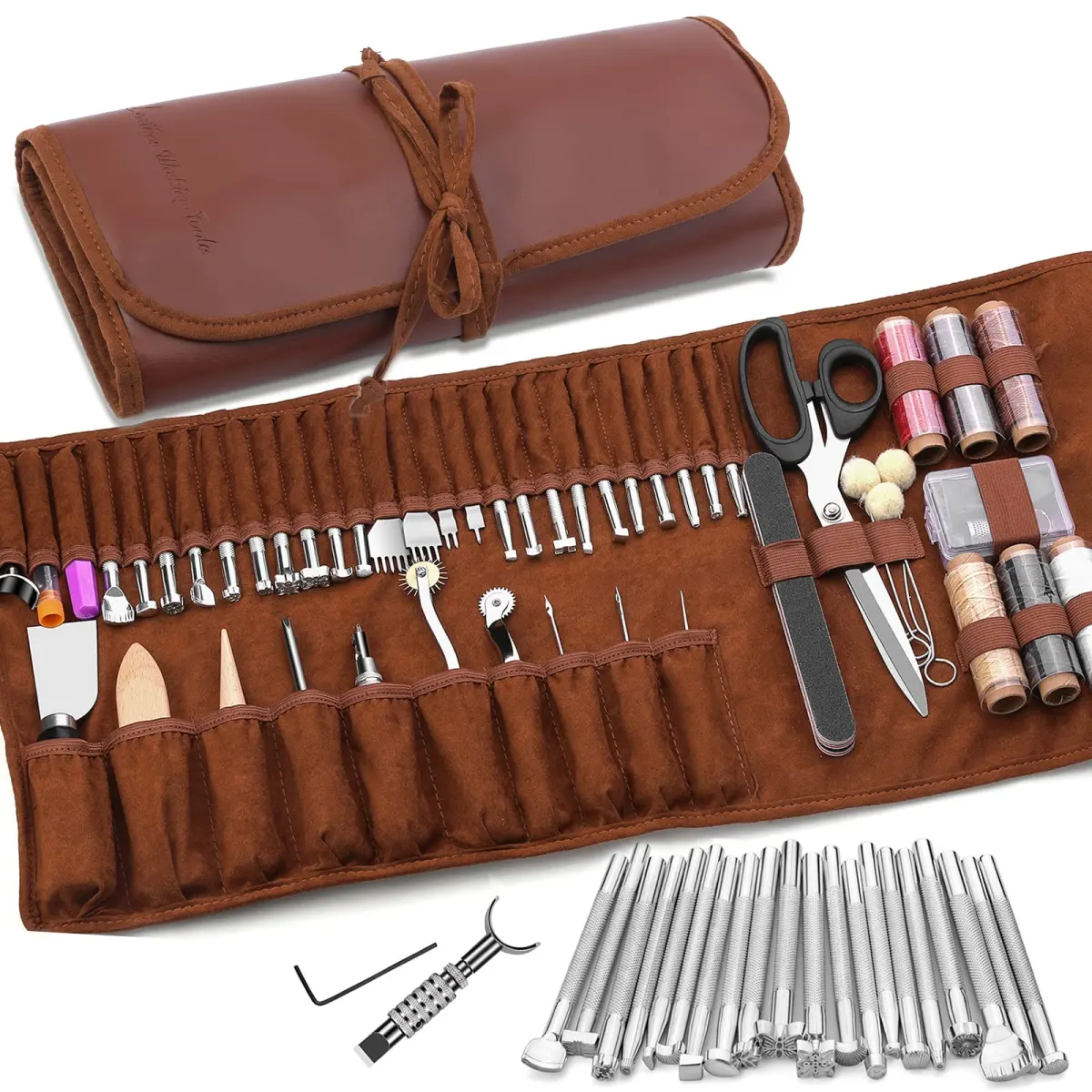
Beyond cutting and stitching, finishing tools are essential for achieving a polished look. Burnishing tools, made of wood or bone, are used to rub the edges of the leather until they become smooth and glossy. This process is often paired with a burnishing agent like gum tragacanth or beeswax. Here are the primary categories of tools every crafter needs:
- Cutting: Utility knives, round knives, and rotary cutters.
- Assembly: Stitching chisels, needles, waxed polyester thread, and contact cement.
- Finishing: Edge bevelers, burnishers, mallets, and stamping tools for decorative patterns.
- Measuring: Steel rulers, wing dividers for marking stitch lines, and scratch awls.
Why does leather crafting require patience?
Leather crafting is a slow, meditative process that rewards attention to detail and patience. Unlike mass-produced items, hand-crafted leather goods are built to last for decades, which necessitates a meticulous approach to every stage of production. From the initial layout and cutting to the final polishing, each step must be executed with care to avoid irreversible mistakes. If a stitch is pulled too tight or a cut is made at the wrong angle, the entire piece may be compromised, requiring the artisan to start over.
The most time-consuming phase is often the stitching and finishing. The saddle stitch, while incredibly strong, requires rhythmic, consistent tension to ensure the thread lies flat and even. Similarly, edge finishing can take hours of sanding and burnishing to achieve a glass-like surface. Artisans often spend more time preparing the leather than actually assembling it. This deliberate pace is not merely a byproduct of manual work but a necessary component of quality control. By slowing down, the crafter ensures that the leather’s natural fibers remain intact and the structural integrity of the final product is maximized.
Common mistakes when leather crafting?
Even experienced crafters encounter challenges, but beginners are particularly prone to specific errors that impact the longevity of their work. One of the most frequent mistakes is using leather that is too thin or too soft for the intended purpose, which leads to stretching and warping over time. Another common issue is failing to sharpen tools regularly. A dull blade requires more force, which increases the likelihood of slipping and cutting the leather—or the crafter—in the wrong place. Always maintain a sharpening stone to keep blades razor-sharp.
To ensure your projects succeed, avoid these common pitfalls:
- Over-tightening stitches: This can cause the leather to pucker and the thread to snap under excessive tension.
- Ignoring the grain: Always cut leather with the grain direction to prevent unwanted stretching.
- Poor gluing: Using too much adhesive can stain the leather and make it difficult to punch stitching holes.
- Neglecting edge care: Leaving edges raw allows moisture to seep into the fibers, causing the leather to rot or lose its shape.
- Rushing the burnishing: Skipping the sanding phase before burnishing will result in a rough, uneven edge that will never achieve a professional sheen.
Key facts
- Leather crafting is the practice of shaping, cutting, and stitching animal hides into functional items like wallets, belts, and bags.
- Vegetable-tanned leather is the preferred choice for beginners because it is firm, holds embossed designs well, and develops a rich patina over time.
- The essential "starter kit" includes a sharp utility knife, a stitching chisel, waxed thread, two blunt needles, and a rubber mallet.
- A "saddle stitch" is the strongest hand-sewing method, utilizing two needles passing through the same hole in opposite directions to create a lock stitch.
- Burnishing is the process of rubbing the raw edges of leather with a wood slicker and water or gum tragacanth to create a smooth, sealed finish.
- Always cut leather on a self-healing mat using a steel ruler to ensure straight edges and to protect the blade from dulling on hard surfaces.
The bottom line
Leather crafting is a rewarding blend of artistic expression and practical utility that transforms raw hides into durable, personalized goods. By mastering fundamental skills like cutting, stitching, and edge finishing, crafters can create heirloom-quality items that last for decades. While the craft requires patience and precision, the process of working with natural materials offers a tactile satisfaction that mass-produced alternatives simply cannot replicate in today's market.
People also ask
What is the difference between full-grain and top-grain leather?
Full-grain leather includes the entire outer layer of the hide, making it the most durable and natural-looking option. Top-grain leather has the outermost layer sanded away to remove imperfections, resulting in a more uniform but slightly less resilient material.
How do I prevent my leather from cracking over time?
Leather is a natural skin that can dry out if exposed to low humidity or direct heat. You should apply a high-quality leather conditioner or neatsfoot oil every six to twelve months to keep the fibers supple and prevent brittleness.
Why are my stitches uneven when I hand-sew?
Uneven stitching is usually caused by inconsistent tension or improper hole alignment. Ensure you use a stitching chisel to create uniform spacing and maintain a steady, equal pull on both needles during every single stitch.
Is it necessary to use a sewing machine for leather?
While machines are used for mass production, hand-stitching is superior for durability and aesthetic appeal in craft projects. A machine-made lock stitch will unravel if one thread breaks, whereas a hand-sewn saddle stitch remains secure.
What is the best way to cut thick leather?
Never try to cut through thick leather in a single pass, as the blade will likely slip or veer off course. Use multiple light passes with a sharp utility knife, following a metal straightedge until you have fully penetrated the material.
Can I dye leather at home?
Yes, you can apply oil-based or water-based dyes to vegetable-tanned leather using a wool dauber or a sponge. Always test the color on a scrap piece first, as the final shade depends heavily on the specific hide's absorption rate.
This answer was created with the help of AI research tools and reference sources. Spotted an error? Let us know — we correct mistakes quickly. See our editorial policy.