What is paper cutting art?
Short answer
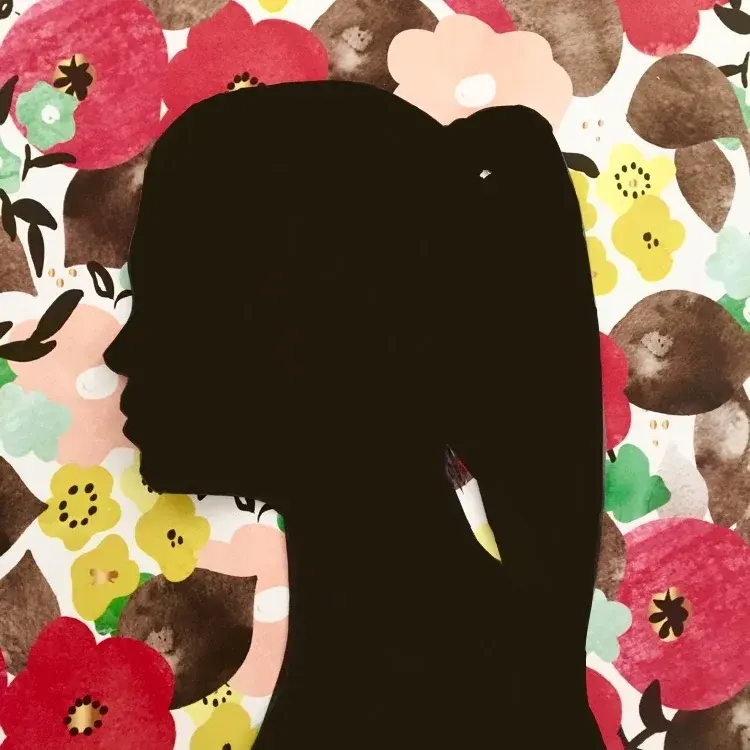
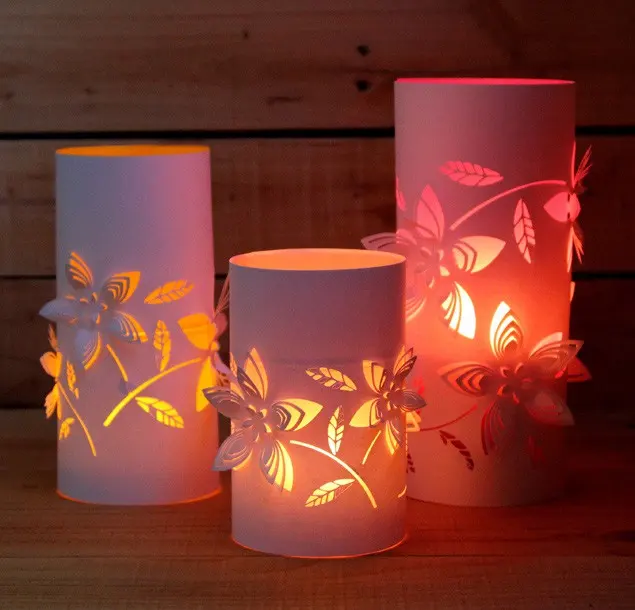
Paper cutting art is the decorative craft of designing and creating images by removing portions of paper with scissors, knives, or specialized blades. It spans diverse global traditions, from intricate Chinese jianzhi to European silhouettes and Mexican papel picado, utilizing negative space to transform a flat sheet into a complex, detailed composition.
On this page
What is the history of paper cutting art?
Paper cutting emerged shortly after the invention of paper in China during the Han Dynasty (206 BCE–220 CE). Initially, it was a luxury craft for the elite, but it eventually became a staple of folk art used for religious ceremonies, window decorations, and patterns for embroidery. As paper production methods spread along the Silk Road, the craft evolved into distinct cultural traditions across the globe.
In Europe, the art form gained popularity during the 16th century, particularly with the rise of intricate silhouettes in the 18th century. Meanwhile, in Mexico, the tradition of papel picado—or perforated paper—became a vital element of celebrations like the Day of the Dead. These vibrant, tissue-paper banners are created by chiseling stacks of paper with metal tools. Each culture developed unique techniques, yet all share the fundamental principle of using negative space to define form and narrative.
How to get started with paper cutting
For beginners, the barrier to entry is remarkably low, requiring only a few basic supplies to begin creating professional-looking pieces. You do not need expensive equipment to master the fundamentals of line work and structural integrity. Focus on learning how to maintain the stability of your paper while removing small sections.
- Select a high-quality, acid-free paper with a weight between 80 and 120 grams per square meter.
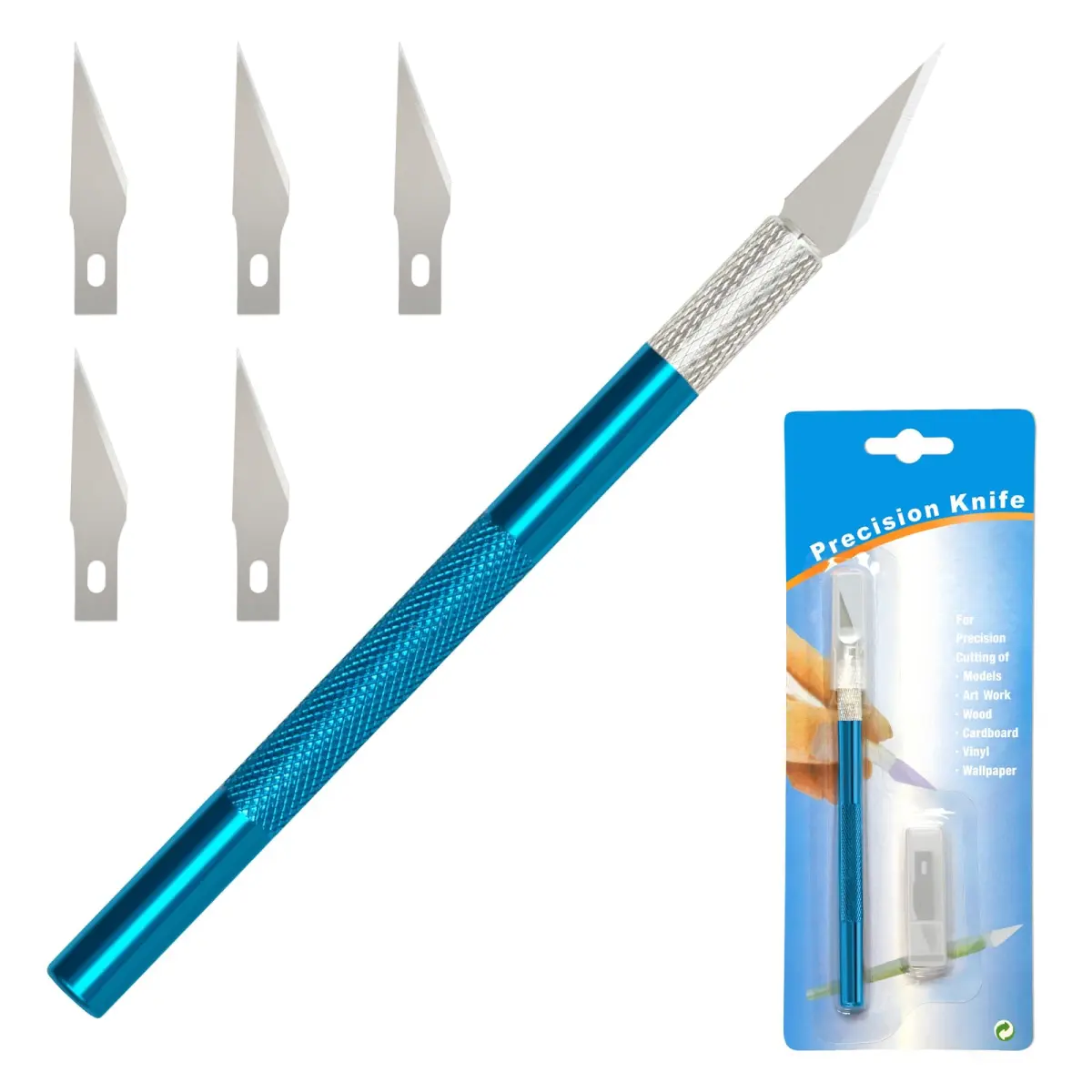
- Use a sharp craft knife with a swivel blade for curves or precision scissors for straight lines.
- Place a self-healing cutting mat underneath your work to protect your surface and keep your blade sharp.
- Sketch your design lightly in pencil on the back of the paper, remembering to reverse any text or asymmetrical images.
- Begin cutting from the center of the design and work your way outward to maintain the paper's structural tension.
Which tools are best for paper cutting?
Choosing the right tools determines the level of detail you can achieve in your work. While scissors are traditional, modern artists often prefer craft knives for their ability to handle tight corners and intricate geometric patterns. A high-quality blade is essential, as a dull edge will tear the paper rather than slice through it cleanly.
- Craft knife: Ideal for intricate, internal cuts and fine details.
- Precision scissors: Best for cutting silhouettes and long, flowing curves.
- Cutting mat: Protects blades and provides a non-slip surface for stability.
- Tweezers: Useful for removing tiny, cut-out scraps from delicate areas.
- Metal ruler: Essential for achieving perfectly straight edges and clean geometric lines.
Investing in a variety of blade shapes is also beneficial. Angled blades are excellent for sharp corners, while curved blades allow for smooth, circular motions that are difficult to achieve with standard straight blades. Always keep a supply of replacement blades on hand, as paper fibers are surprisingly abrasive and will dull a blade after only a few hours of consistent use.
Common mistakes when paper cutting
The most frequent error beginners make is attempting to cut too quickly or with a dull blade. Rushing often leads to accidental tears in the "bridges," which are the thin strips of paper that hold the design together. If these bridges are too narrow or are cut through by mistake, the entire piece may lose its structural integrity and fall apart.
Another common mistake is failing to rotate the paper rather than the knife. When you try to twist your wrist to follow a curve, you lose control over the blade angle, resulting in jagged or uneven edges. Always keep your knife hand relatively steady and move the paper underneath the blade to follow your lines. Additionally, avoid pressing down too hard; let the sharpness of the blade do the work. Excessive pressure causes the paper to buckle and creates unsightly creases that are impossible to remove once the cut is finished.
How to preserve paper cutting art
Because paper is a delicate medium, finished pieces require careful handling and storage to prevent yellowing, tearing, or moisture damage. If you intend to display your work, mounting it on a contrasting archival-quality backing board is the best way to ensure it remains flat and secure. Use only acid-free adhesive or small photo corners to attach the piece, as standard tapes will eventually degrade and stain the paper.
For long-term preservation, frame your work behind UV-protective glass to prevent fading from sunlight. Keep the framed piece away from high-humidity environments, such as bathrooms or kitchens, as moisture can cause the paper to warp or encourage mold growth. If you are storing your work in a portfolio, use glassine paper interleaving sheets to prevent the intricate cutouts from snagging on one another. By following these simple environmental controls, your paper cutting art can remain in pristine condition for many decades to come.
Key facts
- Paper cutting is the art of creating designs by removing sections of paper with scissors, knives, or chisels.
- The oldest surviving paper cutout is a symmetrical circle from the 6th century found in Xinjiang, China.
- Chinese Jianzhi is a UNESCO Intangible Cultural Heritage practice often used to decorate windows during the Lunar New Year.
- Polish Wycinanki involves intricate, colorful designs often featuring birds, flowers, and medallions made by folding paper.
- Use a self-healing cutting mat and a sharp hobby knife to prevent paper tearing and ensure clean, precise edges.
- Always cut away from your body and keep fingers clear of the blade path to maintain safety during intricate work.
The bottom line
Paper cutting is a versatile, global craft that transforms simple sheets into intricate works of art through precision and patience. By mastering basic knife control and understanding how to balance negative space, anyone can create stunning, detailed designs. Whether you prefer traditional cultural styles or modern geometric patterns, this accessible art form offers a rewarding way to explore creativity with minimal tools and significant visual impact.
People also ask
What is the best type of paper for beginners?
Lightweight paper, such as standard copy paper or origami paper, is ideal because it is easy to fold and cut without requiring excessive force. Avoid heavy cardstock initially, as it can be difficult to maneuver through tight, detailed curves.
How do I prevent the paper from tearing while cutting?
Ensure your blade is extremely sharp and replace it as soon as you feel any resistance or dragging. Use a light touch and make multiple shallow passes rather than trying to cut through the entire thickness in one heavy stroke.
Can I use scissors instead of a craft knife?
Yes, scissors are excellent for symmetrical designs and silhouettes where you can fold the paper to create mirrored patterns. Craft knives are generally better for complex, non-symmetrical designs that require internal cutouts.
What is the purpose of a stencil in paper cutting?
A stencil acts as a template that helps transfer a complex design onto your working paper before you begin cutting. It ensures consistency and accuracy, especially when you are replicating a specific pattern multiple times.
How do I display finished paper cuttings?
You can mount your work on a contrasting background color using small dots of acid-free glue or archival tape. Framing the piece behind glass helps protect the delicate paper from dust, moisture, and accidental tearing.
Is paper cutting an expensive hobby to start?
It is one of the most affordable crafts, requiring only a few basic tools like a craft knife, a cutting mat, and paper. You do not need specialized equipment to produce professional-looking results, making it highly accessible for beginners.
This answer was created with the help of AI research tools and reference sources. Spotted an error? Let us know — we correct mistakes quickly. See our editorial policy.