What is a craft knife used for?
Short answer
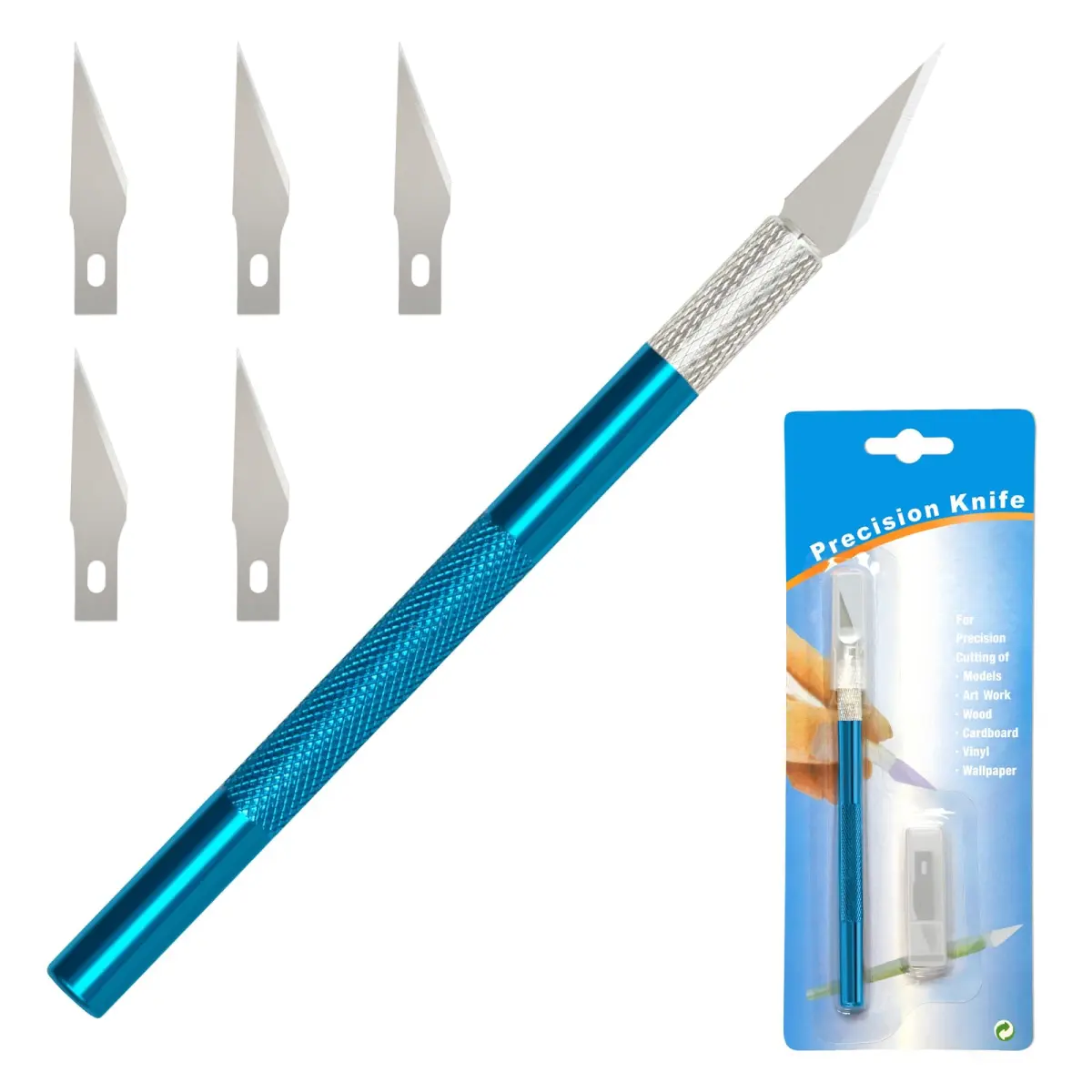
A craft knife is a versatile, precision cutting tool featuring a replaceable, razor-sharp blade attached to a lightweight handle. It is primarily used for intricate tasks requiring high accuracy, such as model building, paper cutting, scrapbooking, and stencil creation. Its design allows for superior control when performing delicate, detailed cuts on thin materials.
On this page
What is a craft knife used for in hobby projects?
Craft knives, often referred to by the trademarked name X-Acto, are essential instruments for hobbyists who require surgical precision. Unlike standard utility knives, which are built for heavy-duty construction or box cutting, craft knives are engineered for finesse. They allow users to navigate tight corners, create complex curves, and trim excess material from delicate components without damaging the surrounding surface.
These tools are indispensable in several creative fields:
- Architectural modeling: Cutting foam board and balsa wood to scale.
- Paper arts: Creating intricate silhouettes, pop-up cards, and paper-cut art.
- Miniature painting: Removing mold lines from plastic or resin figures.
- Leatherworking: Cutting patterns and skiving edges for a professional finish.
- Graphic design: Trimming mounting boards and cutting vinyl decals.
By utilizing different blade shapes, such as the classic pointed tip or the curved edge, a crafter can adapt the tool to the specific geometry of their project. The lightweight handle acts like a pen, allowing for natural hand movements that are impossible with heavier cutting implements.
How to use a craft knife safely for beginners
Safety is the most important factor when handling a craft knife, as the blades are designed to be extremely sharp to ensure clean cuts. Beginners should always prioritize control over speed, keeping their fingers well away from the intended path of the blade. It is standard practice to cut away from your body and keep your non-cutting hand behind the blade’s trajectory at all times.
To ensure a safe and successful cutting experience, follow these fundamental steps:
- Place your material on a self-healing cutting mat to protect the surface underneath and prevent the blade from slipping.
- Hold the knife like a pencil, gripping the textured part of the handle for maximum stability.
- Apply light, consistent pressure, making multiple shallow passes rather than trying to cut through the material in one deep, forceful stroke.
- Always replace the safety cap immediately after you finish your work to prevent accidental cuts.
Using a dull blade is a common mistake that actually increases the risk of injury. A blunt edge requires more force, which makes the knife more likely to slip or "jump" uncontrollably across the material.
Which craft knife blade is best for specific tasks?
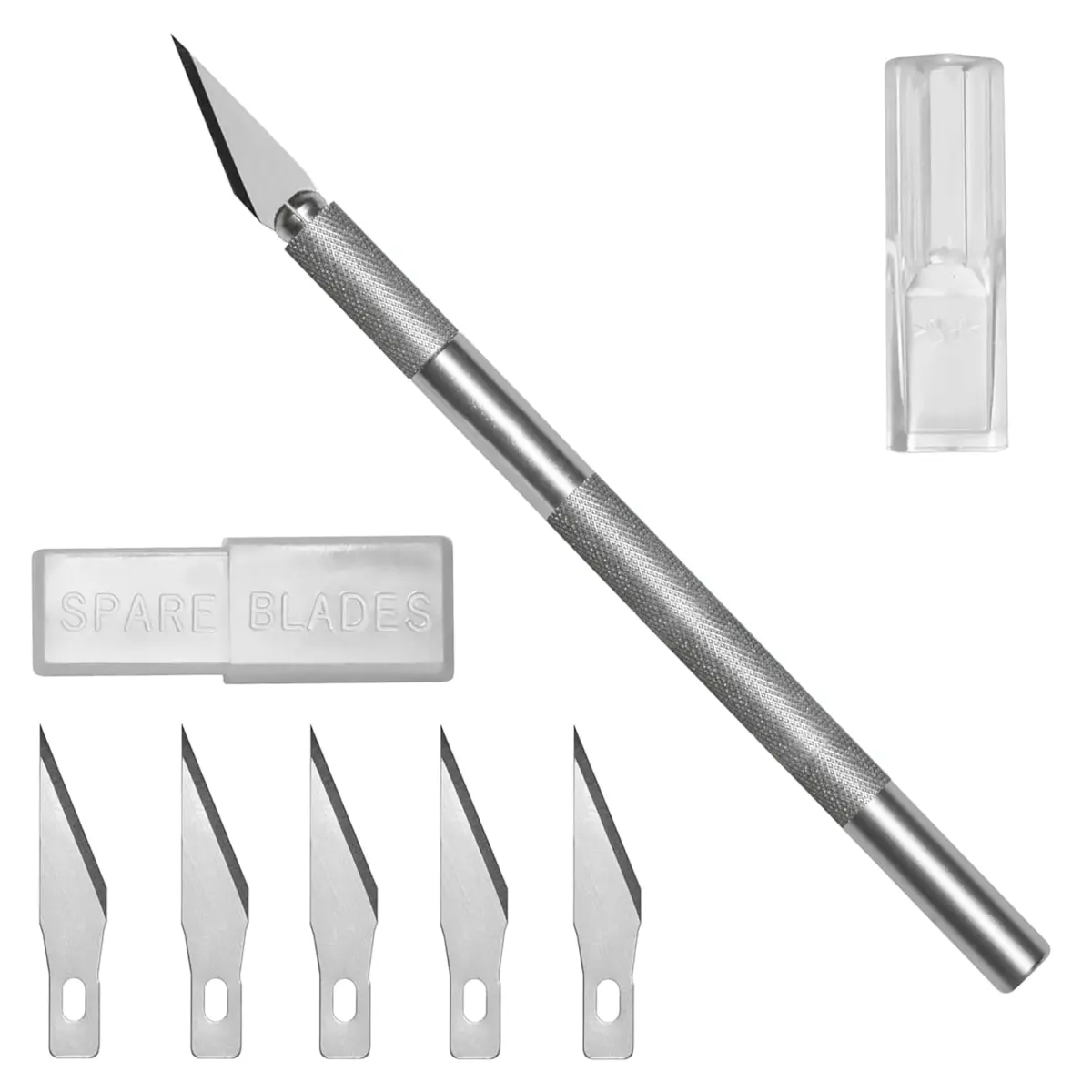
The versatility of a craft knife comes from its interchangeable blade system. While the standard #11 blade is the industry workhorse, many other shapes exist to solve specific technical problems. Selecting the right blade geometry can significantly improve the quality of your finished work and reduce the amount of physical effort required to complete a cut.
Common blade types and their specific applications include:
- #11 Fine Point: The standard choice for general-purpose, precision cutting and fine detailing.
- #10 Curved Edge: Ideal for making long, sweeping cuts or carving soft materials like clay or wood.
- #16 Scoring Blade: Designed for light scoring of paper or cardstock without cutting all the way through.
- #17 Chisel Blade: Perfect for cleaning out grooves, scraping paint, or making flat-bottomed cuts in wood.
Always ensure the blade is fully seated and the collet nut is tightened securely before starting. A loose blade can wobble during a cut, leading to jagged edges and potential accidents.
Common mistakes when using a craft knife
Many beginners struggle with craft knives because they attempt to treat them like general-purpose scissors or heavy-duty shears. One of the most frequent errors is applying too much downward pressure, which can cause the blade to snap or the material to tear. If the knife is not cutting through, it is almost always a sign that the blade has become dull and needs to be replaced rather than forced.
Another common mistake is failing to use a straight edge when making long, linear cuts. Without a metal ruler or a dedicated cutting guide, the blade will naturally follow the grain of the material or the slight tremors of your hand, resulting in a wavy line.
- Forgetting to change the blade frequently, leading to poor results.
- Using a glass or wooden surface, which dulls the blade instantly and can damage the table.
- Rushing the process, which leads to loss of focus and inaccurate cuts.
- Failing to secure the material with masking tape or clamps to prevent shifting.
How to maintain your craft knife for longevity
Proper maintenance ensures that your craft knife remains a reliable tool for years. The most critical aspect of maintenance is keeping the handle clean and the blade mechanism free of debris. Over time, adhesive residue from tape or glue can build up on the collet, making it difficult to loosen or tighten the blade. Periodically wiping the handle with a small amount of rubbing alcohol will keep the grip secure.
Storage is equally important for both safety and performance. Never store your knife loose in a drawer where the tip can be damaged by contact with other metal objects. If your kit did not come with a storage case, a simple block of wood with holes drilled into it serves as an excellent stand. By keeping the blades dry and stored in a moisture-free environment, you prevent the microscopic oxidation that can cause the sharp edge to degrade prematurely. Following these simple habits will keep your tool in peak condition for every project.
Key facts
- A craft knife, often called an X-Acto knife, features a replaceable, razor-sharp blade designed for precision cutting rather than heavy-duty tasks.
- The most common blade style is the #11, which has a sharp, angled point ideal for intricate detail work and stencil cutting.
- Always cut away from your body and keep your fingers clear of the blade’s path to prevent serious lacerations.
- Use a self-healing cutting mat underneath your project to protect your work surface and keep the blade edge sharp for longer.
- Dull blades are more dangerous than sharp ones because they require more force, increasing the risk of the knife slipping.
- Change your blade frequently; if you feel the knife dragging or tearing the paper, it is time for a fresh edge.
The bottom line
A craft knife is an essential tool for artists, model makers, and hobbyists who require high levels of precision. By using a sharp blade, a metal straightedge, and a protective cutting mat, you can achieve clean, professional results on paper, cardstock, and thin plastics. Always prioritize safety by cutting away from your body and replacing dull blades immediately to maintain control and prevent accidental slips.
People also ask
Can I use a craft knife to cut thick cardboard?
While a craft knife can cut cardboard, it is not designed for thick material. Use multiple light passes rather than trying to force the blade through in one cut to avoid snapping the tip.
How do I safely change a dull blade?
Loosen the metal collet at the end of the handle by turning it counter-clockwise. Carefully pull the old blade out with pliers, slide the new one into the slot, and tighten the collet securely.
What is the difference between a craft knife and a utility knife?
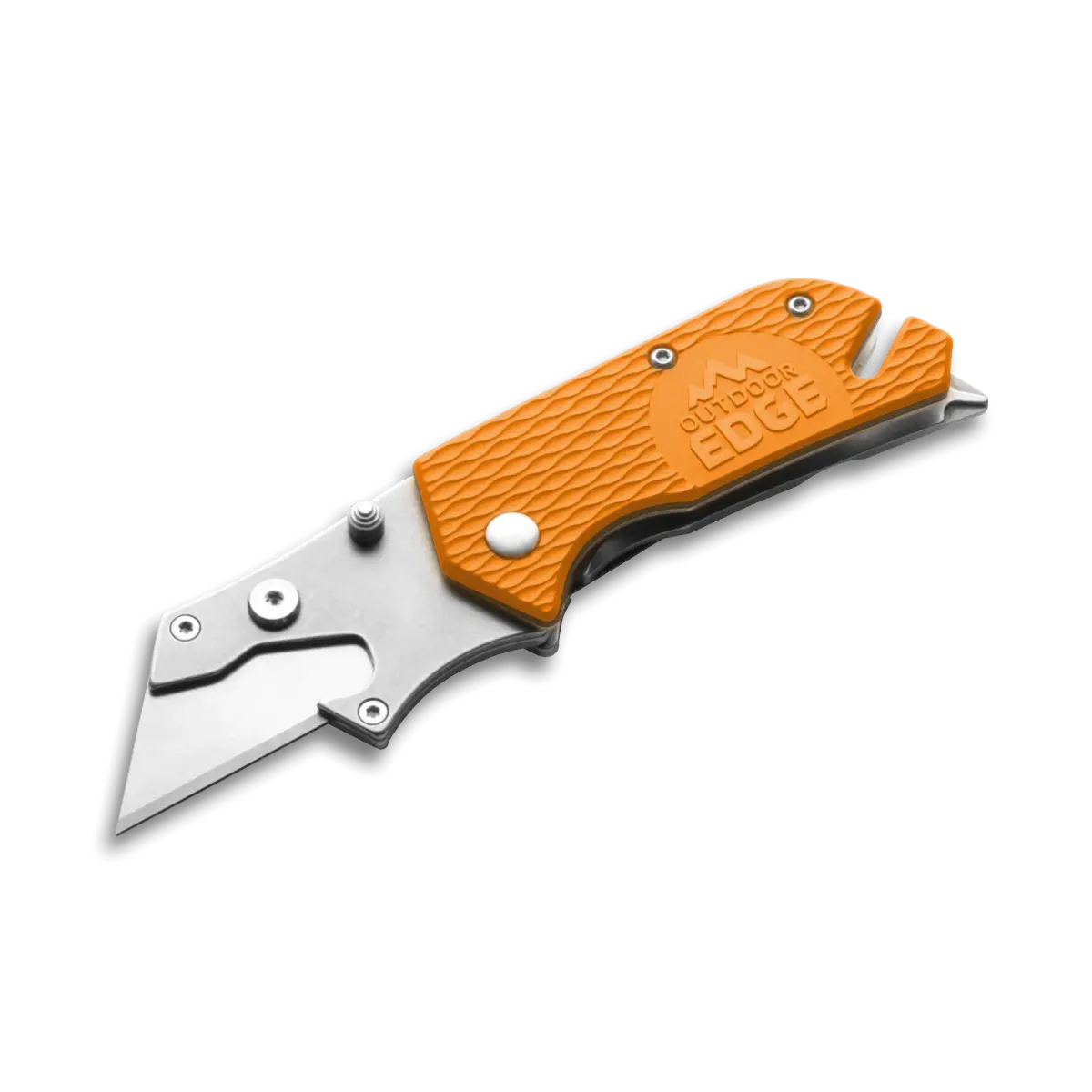
A craft knife is lightweight and designed for delicate, artistic precision work. A utility knife is heavier, features a retractable blade, and is intended for construction or heavy-duty cutting.
Should I use a metal or plastic ruler as a guide?
Always use a metal ruler or straightedge when cutting along a line. A plastic ruler can be easily gouged by the blade, causing the knife to jump off track and potentially cut your fingers.
How should I store my craft knife?
Always replace the safety cap when the knife is not in use. Store it in a drawer or case where the blade cannot be touched accidentally by someone reaching for it.
Can these knives be used for food preparation?
No, craft knives are not food-safe. They are typically made from carbon steel that can rust and may contain machine oils or residues from manufacturing that are not safe for consumption.
This answer was created with the help of AI research tools and reference sources. Spotted an error? Let us know — we correct mistakes quickly. See our editorial policy.