What is the Arts and Crafts movement?
Short answer
The Arts and Crafts movement was an international design philosophy that emerged in Britain during the 1880s. It championed traditional craftsmanship, simple forms, and the use of natural materials. Reacting against the perceived soullessness of industrial mass production, it sought to restore dignity to the worker and beauty to everyday domestic life.
On this page
What were the origins of the Arts and Crafts movement?
The movement began as a reaction against the Victorian era's rapid industrialization and the poor quality of mass-produced goods. Influential thinkers like John Ruskin and William Morris argued that the division of labor inherent in factories dehumanized workers and stripped objects of their artistic spirit. They looked back to the medieval period, specifically the guild system, as a model for how artisans should work in harmony with their materials.
By the 1880s, these ideas gained momentum through the formation of organizations like the Art Workers' Guild and the Arts and Crafts Exhibition Society. While the movement started in England, it quickly spread to the United States and Europe, influencing architecture, furniture design, and decorative arts. It was never a single, rigid style but rather a shared belief that art should be integrated into every aspect of human existence, from the architecture of a house to the smallest household utensil.
How to identify Arts and Crafts design features?
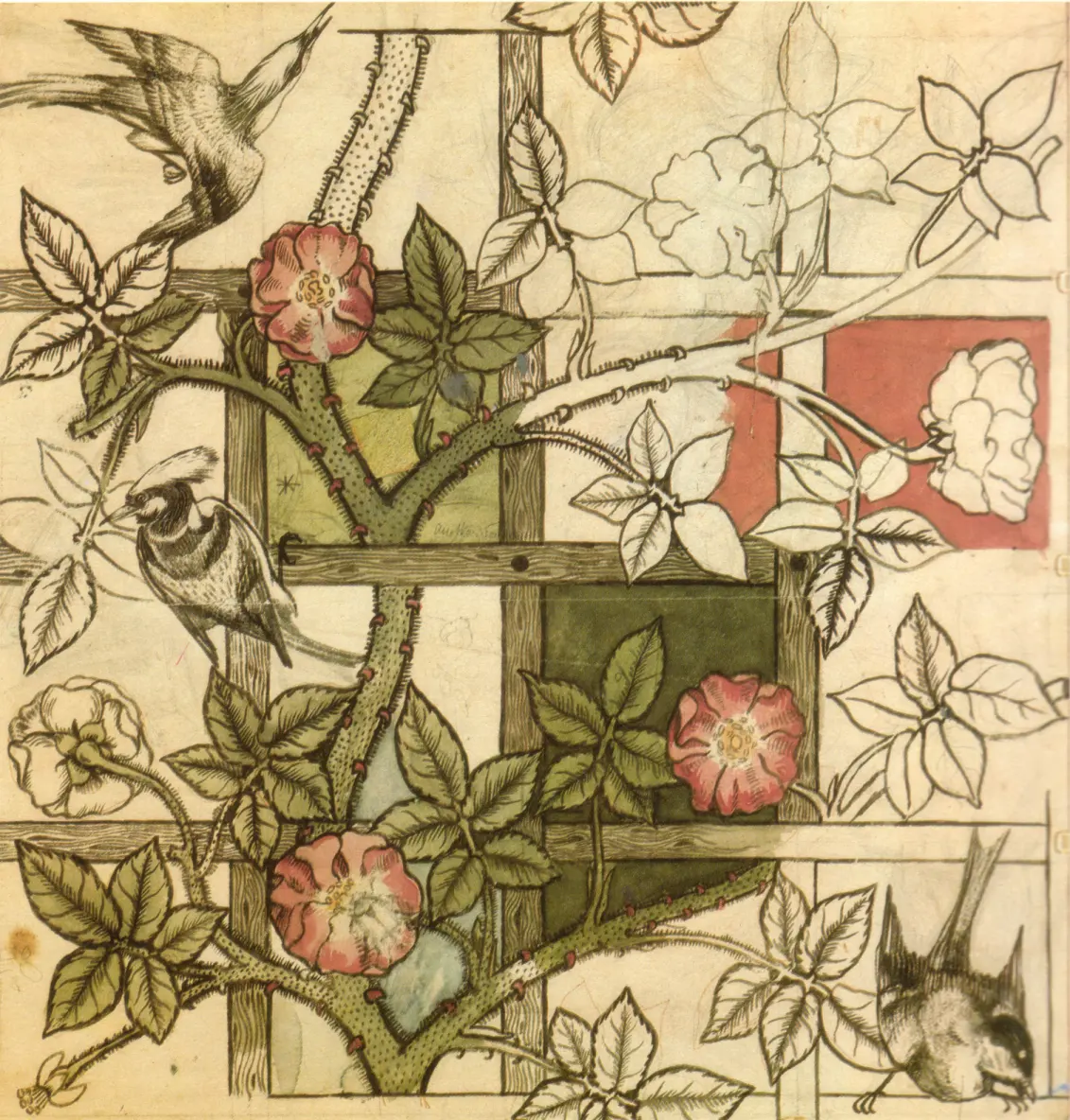
Identifying pieces from this era requires looking for specific aesthetic markers that prioritize the hand of the maker over the precision of the machine. Designers often left construction details visible, such as exposed joinery, to celebrate the structural integrity of an object. Nature served as the primary source of inspiration, leading to the frequent use of floral motifs, organic patterns, and earthy color palettes.
When examining furniture or decorative items, look for these common characteristics:
- Visible construction techniques like mortise-and-tenon joints.
- Use of high-quality, local woods such as oak, cherry, or walnut.
- Simple, functional forms that avoid excessive ornamentation or gilding.
- Hand-hammered metalwork, particularly in copper, brass, and wrought iron.
- Stylized, repeating patterns based on native plants and wildlife.
Who were the most influential Arts and Crafts designers?
William Morris stands as the most iconic figure of the movement, best known for his intricate wallpaper and textile designs that brought nature into the urban home. His firm, Morris, Marshall, Faulkner & Co., set the standard for high-quality, handmade goods. Another key figure was Philip Webb, an architect who designed the Red House for Morris, which is widely considered the first true Arts and Crafts building.
In the United States, the movement took on a distinct character through figures like Gustav Stickley. Stickley promoted the "Mission" style, characterized by sturdy, rectilinear furniture that emphasized utility and honesty in construction. Other notable contributors included:
- Frank Lloyd Wright, whose early Prairie School work was deeply influenced by Arts and Crafts principles.
- Charles Rennie Mackintosh, a Scottish architect known for his unique, elongated geometric style.
- May Morris, an influential embroiderer and designer who expanded the movement’s reach into textile arts.
- Greene and Greene, brothers who brought the movement to California with their elaborate, wood-heavy bungalow designs.
Common mistakes when collecting Arts and Crafts items
Collectors often struggle to distinguish between authentic Arts and Crafts pieces and later reproductions that mimic the look without the historical substance. A common error is assuming that any dark, heavy oak furniture is "Mission" style. Many mass-produced items from the early 20th century imitated the aesthetic but were made with inferior materials like plywood or hidden staples, which are clear indicators of industrial manufacturing rather than true craftsmanship.
Another mistake is ignoring the condition of the finish. Many original pieces were finished with a simple oil or wax rub, which allowed the wood grain to breathe and age naturally. Collectors who strip or refinish these items with modern polyurethane often destroy the historical value and the intended tactile quality of the piece. Always inspect the underside of furniture for maker’s marks, as authentic pieces from workshops like Stickley or Roycroft often carry a stamped brand or metal tag.
How to incorporate the Arts and Crafts style today?
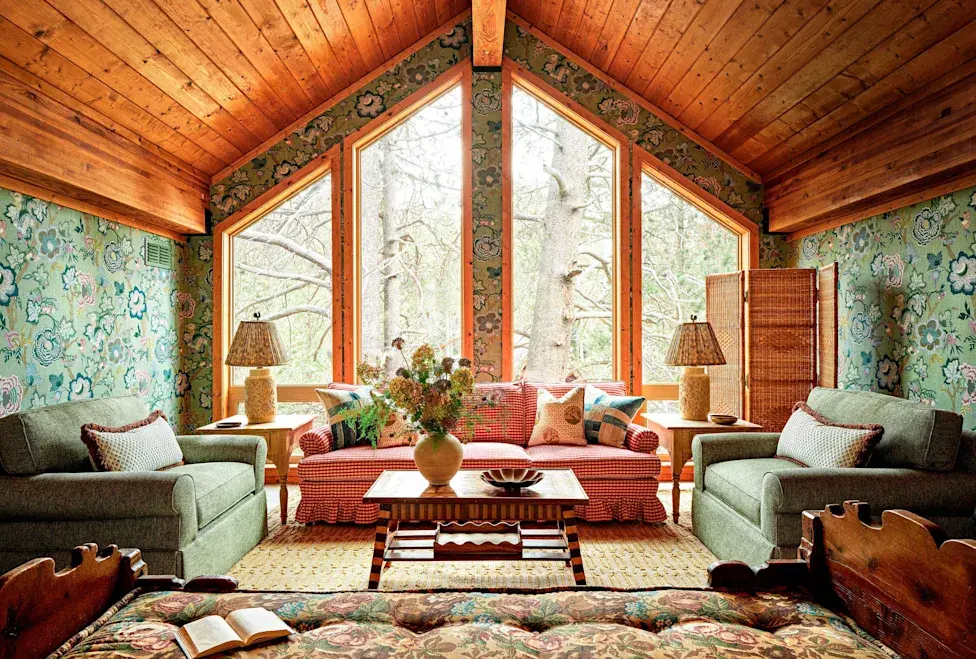
Bringing the Arts and Crafts philosophy into a modern home is less about buying antiques and more about prioritizing quality and authenticity. Start by selecting furniture that features honest joinery and solid wood construction rather than composite materials. Focus on pieces that serve a clear purpose and possess a timeless, understated beauty that avoids the fleeting trends of modern disposable consumer culture.
To successfully integrate these elements into your living space, follow these practical steps:
- Prioritize natural materials such as wool rugs, linen curtains, and solid wood tables.
- Choose color schemes based on the natural world, including forest greens, slate blues, and warm ochres.
- Support local artisans who use traditional techniques, as this aligns with the movement's original goal of sustaining craft.
- Avoid clutter by choosing a few high-quality, handcrafted items rather than filling a room with mass-produced accessories.
- Emphasize lighting that mimics the warm, soft glow of early electric or gas fixtures to create a sense of intimacy and comfort.
By focusing on these principles, you can create a home environment that honors the movement's commitment to craftsmanship and the enduring value of objects made with care.
Key facts
- The movement emerged in Britain around 1880 as a reaction against the poor quality and impersonality of mass-produced industrial goods.
- William Morris, a key figure, founded Morris & Co. in 1861 to promote high-quality, handcrafted furniture, textiles, and wallpaper.
- The philosophy emphasized the "truth to materials," meaning wood should look like wood and construction joints should be visible rather than hidden.
- Practitioners favored natural motifs, such as stylized leaves, flowers, and birds, inspired by medieval and folk art traditions.
- To practice the style, prioritize solid hardwoods like oak or walnut and use traditional joinery techniques like mortise-and-tenon instead of nails or staples.
- A common mistake is over-decorating; the movement values functional, honest design where the beauty comes from the craftsmanship rather than artificial ornamentation.
The bottom line
The Arts and Crafts movement was a transformative design philosophy that championed the dignity of the artisan and the beauty of natural materials. By rejecting the sterile uniformity of industrial mass production, it encouraged a return to honest, functional craftsmanship. Today, its legacy lives on in the modern appreciation for handmade goods, sustainable building practices, and the enduring value of quality over disposable, cheap manufacturing.
People also ask
Was the Arts and Crafts movement only about furniture?
No, it was a comprehensive design philosophy that influenced architecture, interior design, book printing, stained glass, and metalwork. Practitioners aimed to create a "total work of art" where every element of a home reflected the same commitment to quality.
How can I identify an Arts and Crafts piece?
Look for sturdy, clean lines, visible joinery, and a lack of excessive surface decoration. These pieces often feature natural wood finishes and hardware made of hammered copper or iron rather than polished chrome or plastic.
Did the movement succeed in making art affordable for everyone?
It struggled with this goal because the time-intensive nature of handcrafting made finished products expensive. While it improved design standards, the movement often became a luxury pursuit for the wealthy rather than the working class.
What is the difference between Arts and Crafts and Art Nouveau?
While both were reactions against industrialization, Art Nouveau focused on flowing, asymmetrical, and often decadent organic curves. Arts and Crafts remained more grounded, emphasizing structural integrity and the visible evidence of the maker’s hand.
Where can I see examples of this style today?
Many historic homes, such as the Gamble House in Pasadena, California, or the Red House in London, are open to the public. Museums like the Victoria and Albert Museum in London hold extensive collections of original furniture and textiles.
Can I apply these principles to modern DIY projects?
Yes, you can adopt the movement's ethos by choosing natural, sustainable materials and focusing on building items that are durable and functional. Avoid shortcuts like using particleboard or veneers, and take the time to learn proper woodworking joints.
This answer was created with the help of AI research tools and reference sources. Spotted an error? Let us know — we correct mistakes quickly. See our editorial policy.

