How do you draw metal?
Short answer
Drawing metal requires capturing high-contrast reflections and sharp highlights. Focus on identifying the light source, then use a range of values from deep blacks to pure white. Metal surfaces lack soft transitions, so use hard edges and abrupt tonal shifts to create the illusion of a smooth, reflective, and solid material.
On this page
How to draw realistic metal surfaces
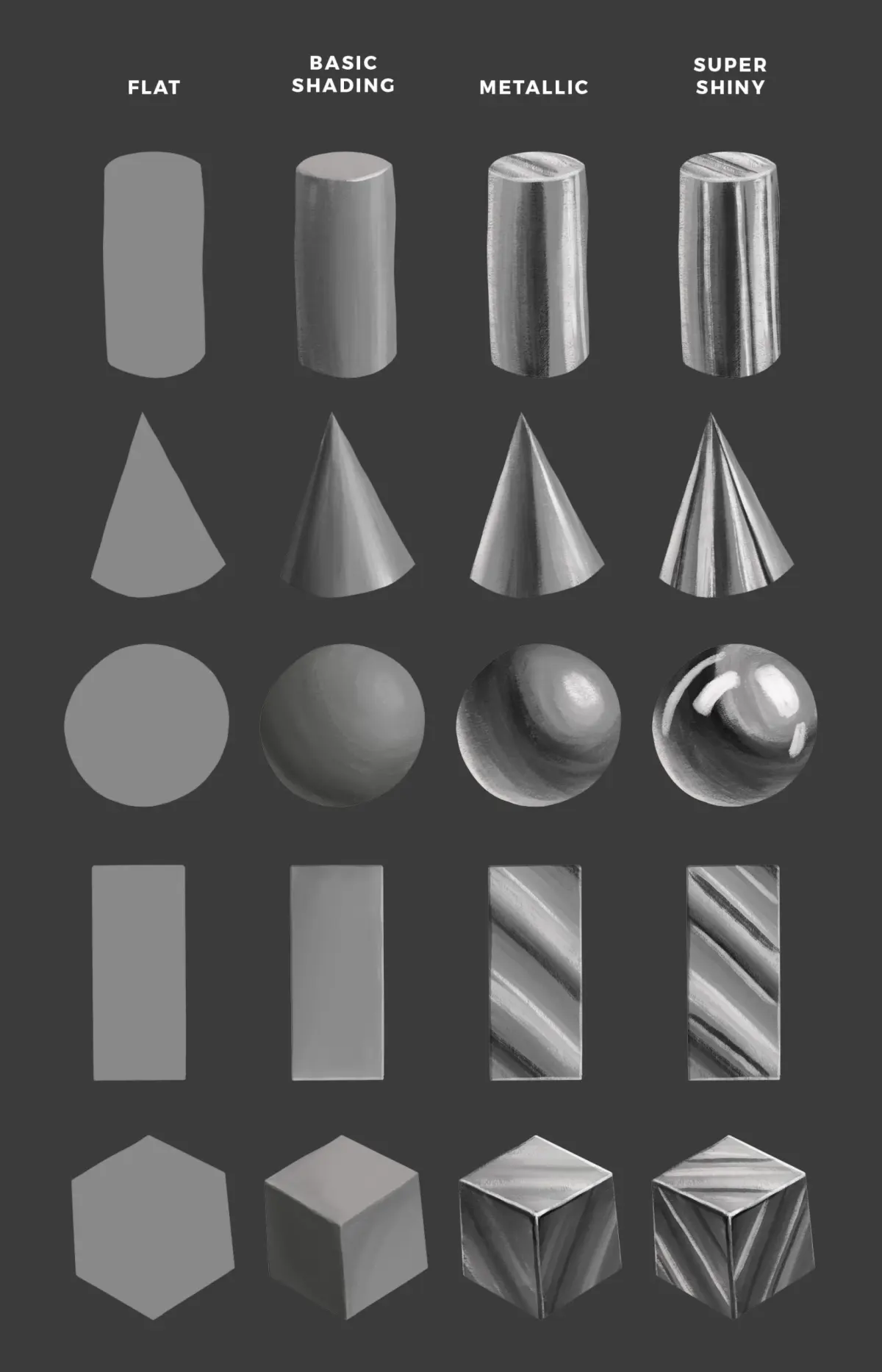
To draw metal effectively, you must understand that it reflects its environment rather than possessing a single local color. Start by observing how light hits the object. Metal surfaces typically feature extreme contrasts, meaning you need to push your shadows to their darkest potential while keeping highlights crisp and bright. Avoid smudging your graphite or charcoal, as metal is rigid and smooth; soft, blended transitions will make the material look like fabric or skin instead of steel or chrome.
When approaching a metallic subject, break the form down into simple geometric shapes. Metal often has sharp, angular highlights that follow the curvature of the object. Use a kneaded eraser to lift out thin, sharp lines of light, which are essential for suggesting the polished quality of the material. Remember that the "color" of metal is actually a reflection of the surrounding world, so look for subtle distortions in the shapes reflected on the surface.
Best drawing tools for metal textures
Achieving the high-contrast look of metal requires tools that can handle both deep, saturated blacks and precise, clean highlights. Graphite pencils are standard, but they often struggle to reach the necessary depth for dark metallic shadows. Consider using carbon pencils or black colored pencils to achieve a richer, more light-absorbent black that makes the adjacent white highlights pop. A high-quality drawing surface with a bit of "tooth" will help hold these layers of pigment.
For the highlights, standard erasers are often too blunt. Use a variety of tools to ensure your reflections look sharp and intentional:
- A mechanical eraser or a sharpened vinyl eraser for thin, precise lines.
- A white gel pen or opaque white gouache for the brightest, most intense specular highlights.
- A blending stump to smooth out mid-tones, but only after you have established the core structure.
- A piece of scrap paper to mask off areas, ensuring your highlights remain perfectly crisp against the darks.
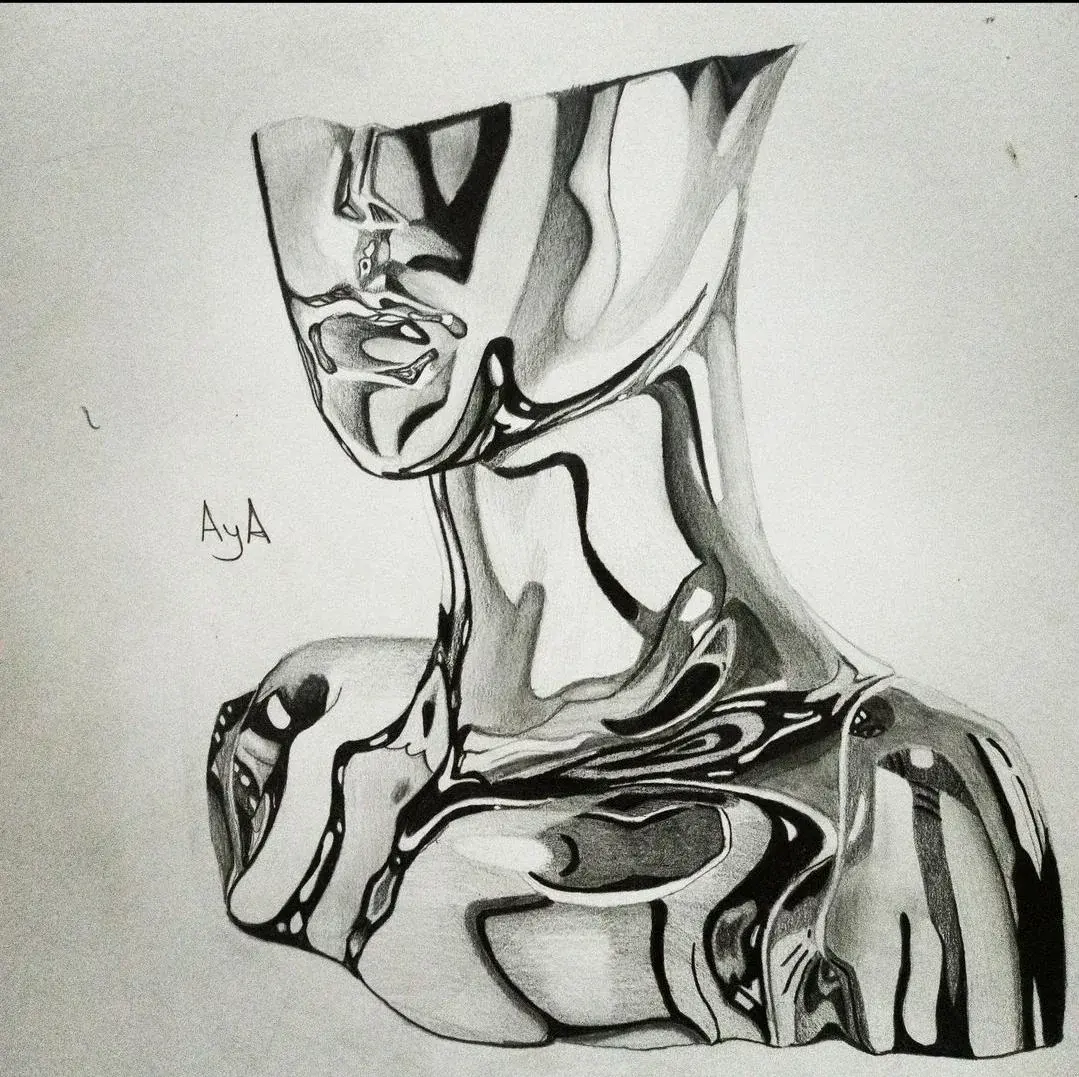
How to create metallic reflections
Metal is essentially a mirror, which means the reflections on its surface are dictated by the objects surrounding it. If you are drawing a shiny sphere, the reflections will warp and stretch according to the curve of the object. Do not try to draw every detail of the environment; instead, simplify the shapes into abstract dark and light patches. This abstraction is what tricks the human eye into perceiving a reflective surface.
Follow these steps to build your reflections:
- Identify the primary light source and place your darkest shadows directly opposite it.
- Outline the major shapes of the reflected environment using light pencil strokes.
- Fill in the dark shapes with a consistent, dark tone, leaving the white of the paper for the brightest highlights.
- Use a sharp eraser to carve out the "glints" or specular highlights that define the metal's edge.
- Soften the transitions between the mid-tones only where the metal is slightly brushed or curved.
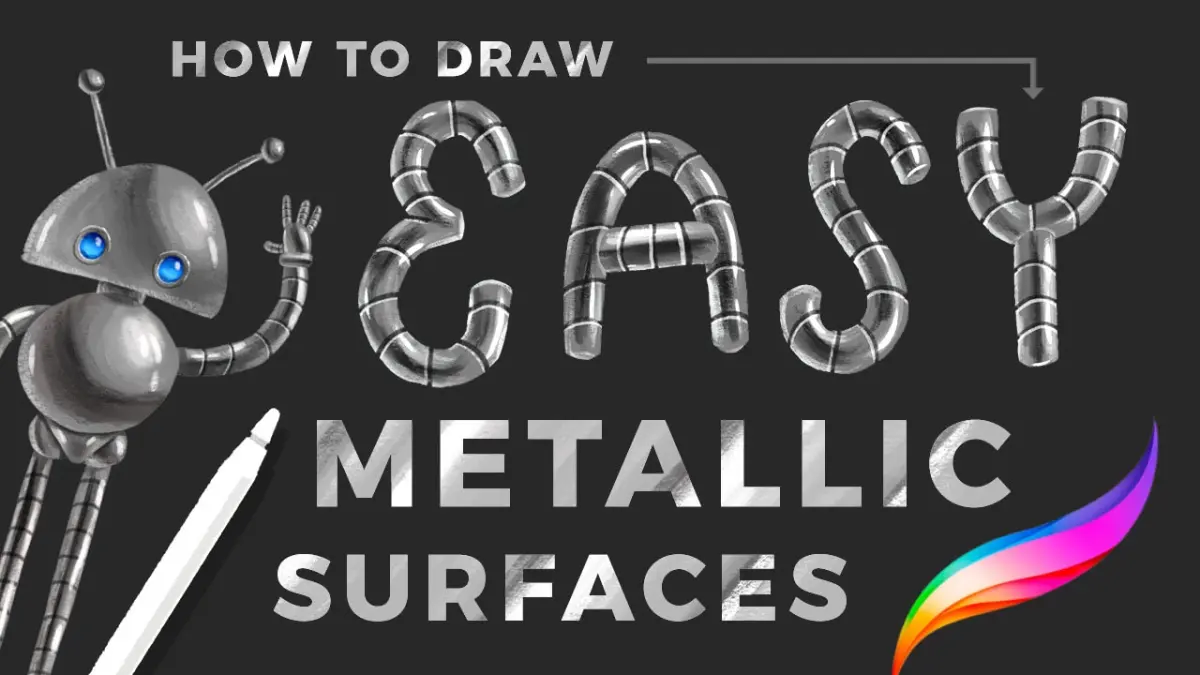
Common mistakes when drawing metal
One of the most frequent errors is creating transitions that are too soft. Because metal is hard and non-porous, it does not scatter light the way organic materials do. If you blend your shadows into your mid-tones too much, the object will lose its metallic quality and appear matte or fuzzy. Keep your edges hard and distinct to maintain the impression of a solid, reflective material that light cannot penetrate.
Another mistake is failing to push the contrast far enough. Beginners often fear using their darkest pencils, resulting in a drawing that looks like dull gray plastic. To fix this, periodically squint at your reference photo and your drawing. If the drawing looks flat, you likely need to darken your shadows significantly. Remember that the "white" of the metal is often the brightest white on the page, so ensure you are not toning down your highlights with unnecessary shading.
Why metal drawings look flat
A drawing of metal often looks flat because the artist has ignored the underlying form of the object. Even a mirror-like surface must obey the laws of perspective and volume. If you do not establish the three-dimensional shape of the object first, the reflections will appear to float on the surface rather than wrapping around it. Always draw the contour lines and the core shadow of the object before adding the reflective details.
Finally, consider the context of the environment. Metal reflects the horizon line, the ground, and the sky. If your drawing lacks these contextual reflections, the object will look like a generic silver blob. By incorporating the colors and shapes of the horizon—even in a monochrome drawing—you provide the viewer with the visual information necessary to understand the object's orientation in space. By mastering the interplay between sharp highlights and deep, distorted shadows, you will successfully capture the essence of metal in your artwork.
Key facts
- Metal is defined by high-contrast values, featuring sharp transitions between deep shadows and brilliant white highlights.
- Use a hard, sharp graphite pencil (like an H or 2H) to lay down crisp, clean edges that define the metallic surface.
- Create a "specular highlight"—a pure white spot—using an eraser or a white gel pen to simulate reflected light.
- Apply a smooth, consistent gradient transition from dark to light to mimic the reflective, polished nature of metal.
- Avoid smudging your graphite with your fingers, as oils from your skin create uneven, dull patches that ruin the metallic effect.
- Observe the "horizon line" in metallic objects, where the reflection of the environment creates a distinct, dark band across the surface.
The bottom line
Drawing metal successfully relies on the precise manipulation of light and shadow rather than texture. By maintaining sharp edges, creating intense contrast, and carefully mapping distorted environmental reflections, you can simulate a reflective surface on paper. Remember that metal is defined by what it reflects; keeping your highlights crisp and your darks deep will provide the necessary visual weight to make your drawing appear truly metallic.
People also ask
Why does my drawing of metal look like plastic?
Plastic has soft, diffused highlights, whereas metal requires very sharp, high-contrast edges. If your transitions are too gradual, the object loses its hard, reflective quality.
Should I use charcoal or graphite for drawing metal?
Graphite is generally preferred because it allows for finer detail and cleaner, sharper edges. Charcoal is often too soft and creates a matte finish that is difficult to polish into a metallic sheen.
How do I draw the reflection of the environment on a curved surface?
Simplify the environment into basic shapes and distorted lines. On a curved surface, these shapes must warp and stretch to follow the contours of the object.
What is the best way to achieve a "mirror" finish?
Focus on extreme contrast by placing your darkest darks immediately next to your brightest highlights. This abrupt shift in value is what tricks the eye into seeing a reflective surface.
Does the type of metal affect how I should draw it?
Yes, polished chrome requires very sharp, high-contrast reflections, while brushed metal requires a series of parallel, subtle lines. Brushed textures break up the reflections and soften the highlights.
How do I keep my highlights bright while shading?
Use a kneaded eraser to lift graphite off the paper periodically. Alternatively, mask off your highlight areas with a piece of tape or a stencil before you begin shading.
This answer was created with the help of AI research tools and reference sources. Spotted an error? Let us know — we correct mistakes quickly. See our editorial policy.